

Jan . 30, 2026 14:35
Back to list
Mastering the Art of Sewing with Thick Thread for Durable Projects
Mastering Sewing with Thick Thread: A Comprehensive Guide
Sewing with thick thread can open up a world of possibilities for durable and visually striking projects. Whether you’re crafting heavy-duty upholstery, repairing outdoor gear, or adding a unique aesthetic to your garments, choosing the right thread and techniques is crucial. This article will explore the benefits of using thick thread, the types available, essential techniques, and how to troubleshoot common issues. Discover how to elevate your sewing projects with the strength and character of thick thread. Explore our range of industrial sewing machines perfectly suited for working with these robust materials at Longsew.
Benefits of Sewing with Thick Thread
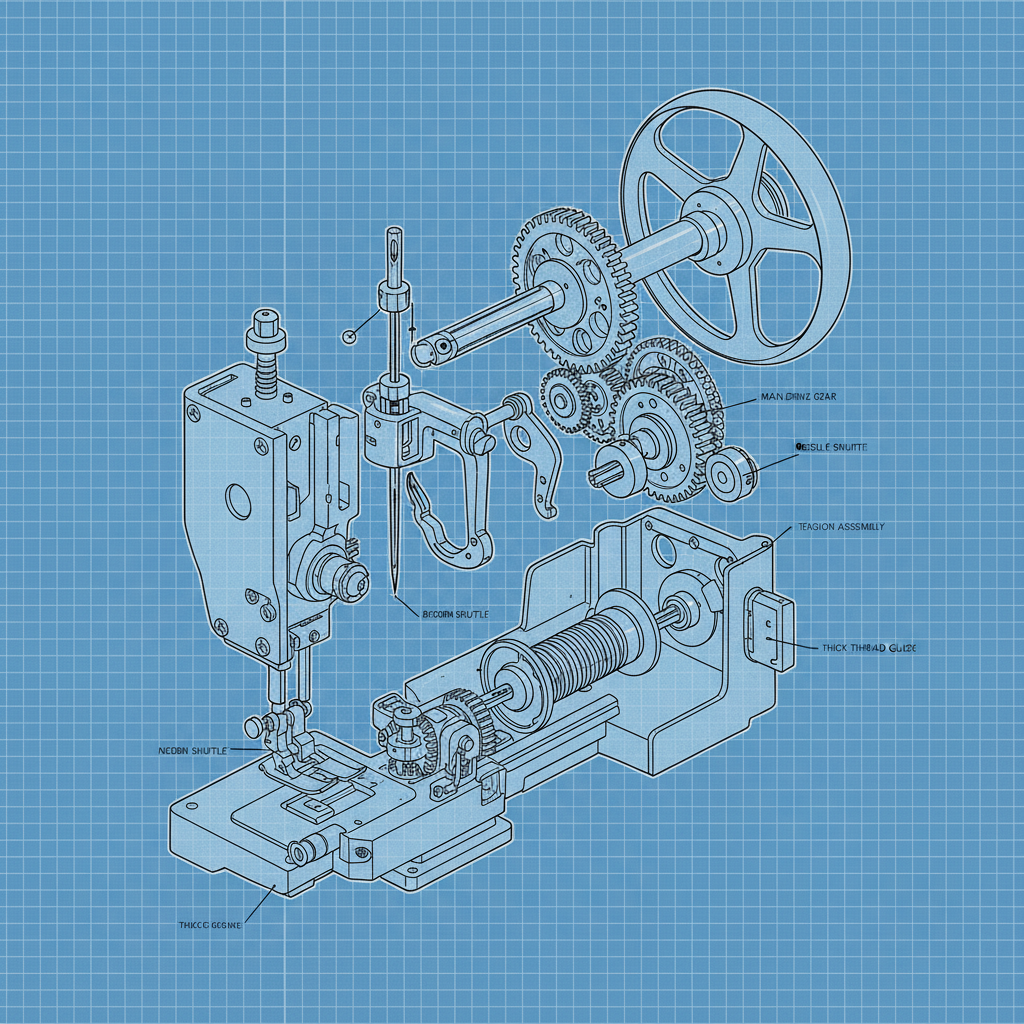
Using thick thread isn’t just about aesthetics; it delivers significant functional advantages. Increased strength is paramount, making it ideal for projects requiring high durability like bags, belts, and outdoor gear. Thick thread also creates distinctive stitching that adds visual interest and a handcrafted feel. It's also excellent for heavyweight fabrics where standard thread might break or lack sufficient hold. Furthermore, it can be used to create decorative effects, such as prominent topstitching or embroidery-like details. The enhanced durability and visual appeal make thick thread a versatile choice for a variety of sewing applications.
Key Highlights: Increased strength, distinctive stitching, ideal for heavyweight fabrics, and creates decorative effects.
Types of Thick Thread for Different Projects
Selecting the right thick thread depends on your project’s specific needs. Nylon thread is renowned for its exceptional strength and abrasion resistance, making it perfect for outdoor gear and upholstery. Polyester thread offers excellent UV resistance and colorfastness, suitable for items exposed to sunlight. Cotton-wrapped polyester thread blends the benefits of both materials, providing strength and a natural look. Finally, linen thread adds a rustic, artisanal touch and is ideal for decorative stitching on heavier fabrics. Understanding these options will ensure you choose the most appropriate thread for optimal results.
Thread Type Comparison:
• Nylon: Exceptional strength, abrasion resistance.
• Polyester: UV resistance, colorfastness.
• Cotton-Wrapped Polyester: Strength and natural look.
• Linen: Rustic, artisanal appearance.
Essential Techniques for Sewing with Thick Thread
Sewing with thicker thread requires adjustments to your technique. First, increase your stitch length to accommodate the thread’s bulk. Second, use a larger needle – a size 16 or 18 is often ideal – to prevent thread breakage and damage to the fabric. Third, reduce your presser foot pressure to allow the fabric to feed more easily. Fourth, slow down your sewing speed to maintain control and prevent skipped stitches. Finally, ensure proper thread tension – this may require experimentation to find the optimal setting for your machine and fabric combination. These adjustments will help you achieve clean, strong, and reliable seams.
Troubleshooting Common Issues When Sewing with Thick Thread
Even with careful preparation, you may encounter challenges. Thread breakage is common and often solved by increasing needle size or reducing sewing speed. Skipped stitches can be caused by incorrect thread tension or a dull needle – adjust the tension and replace the needle if necessary. Fabric puckering indicates excessive tension; reduce the tension and try a lighter presser foot pressure. Uneven stitching suggests the thread is not feeding smoothly; ensure the thread path is clear and lubricate the thread spool if needed. Addressing these issues will ensure a successful sewing experience. Consider a robust industrial sewing machine like those offered at Longsew for optimal performance.
Choosing the Right Sewing Machine for Thick Thread
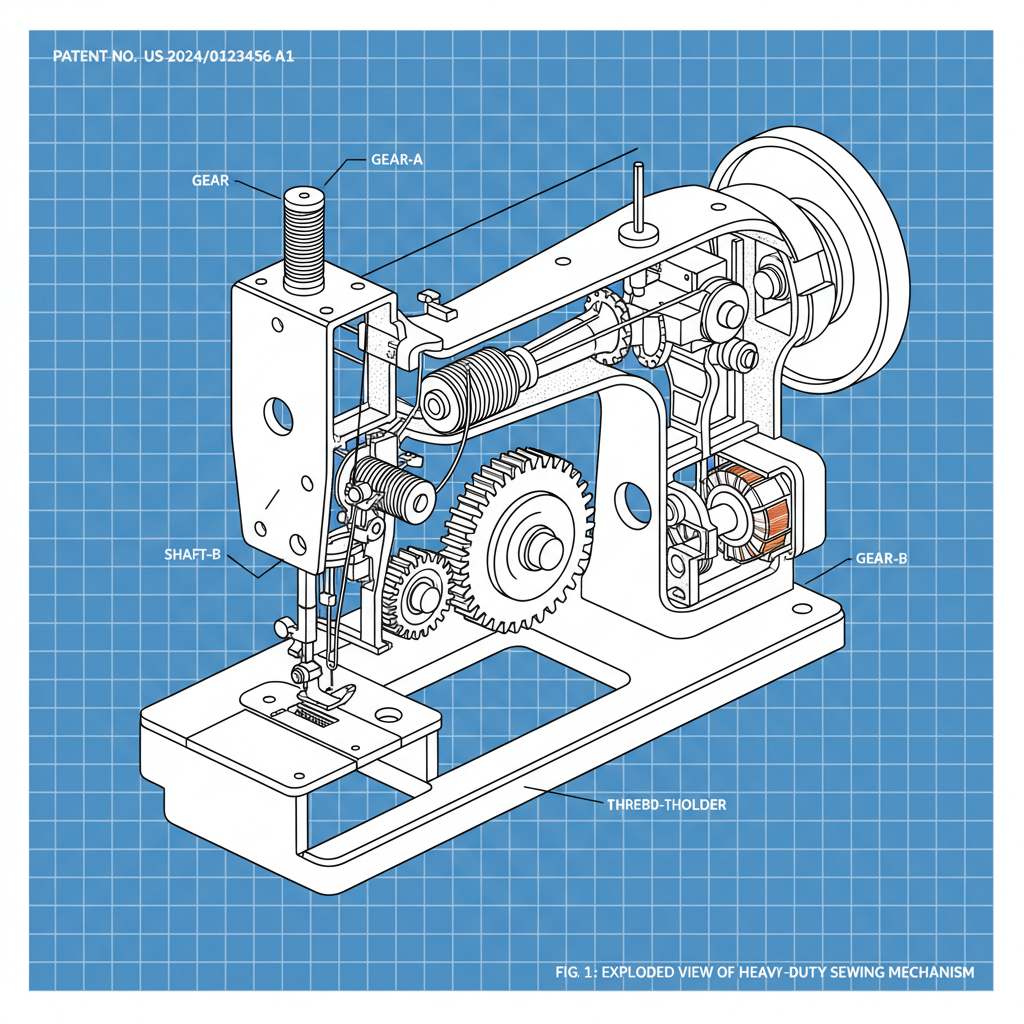
Not all sewing machines are created equal when it comes to handling thick thread. Domestic machines may struggle, leading to frustration and potential damage. Industrial sewing machines are specifically designed for heavier materials and thicker threads. Look for machines with a powerful motor, adjustable presser foot pressure, and a wider throat space. Machines with walking feet are particularly well-suited for thick fabrics as they help to feed the material evenly. Investing in a quality industrial machine will significantly improve your sewing experience and the quality of your finished products. Browse our selection of high-performance machines at Longsew.
Conclusion: Unlock the Potential of Thick Thread Sewing
Sewing with thick thread is a rewarding skill that opens up a world of creative and durable possibilities. By understanding the different thread types, mastering essential techniques, and choosing the right equipment – like the industrial sewing machines available at Longsew – you can elevate your projects to new levels of quality and style. Don’t be afraid to experiment and explore the unique aesthetic and functional benefits that thick thread has to offer.
Frequently Asked Questions (FAQs)
What needle size should I use with thick thread?
Generally, a needle size of 16 to 18 is recommended for most thick threads. However, the ideal size can vary based on the fabric weight and the thread’s thickness. If you're experiencing thread breakage or difficulty penetrating the fabric, try a larger needle size. Always test on a scrap piece of fabric first to ensure the needle doesn't leave visible holes or damage the material. Using the correct needle size will help ensure smooth stitching and prevent damage to your sewing machine.
Can I use thick thread in a regular sewing machine?
While it’s possible to use thick thread in a regular (domestic) sewing machine, it’s not always recommended. Regular machines may struggle with the increased tension and bulk, potentially leading to skipped stitches, thread breakage, and even damage to the machine. For frequent or extensive work with thick thread, an industrial sewing machine is a much better investment, as they are specifically designed to handle these demands. If you must use a domestic machine, reduce your speed, use a larger needle, and adjust the tension carefully.
How do I adjust the thread tension for thick thread?
Adjusting thread tension is crucial for successful sewing with thick thread. Start by slightly increasing the upper thread tension. Test your stitch on a scrap of fabric. If the bobbin thread is pulling through to the top, the upper tension is too high. If the upper thread is looping on the underside, the upper tension is too low. Make small adjustments until you achieve a balanced stitch where the threads interlock evenly in the middle of the fabric layers. Different fabrics and thread types may require different tension settings, so experimentation is key.
What projects are best suited for thick thread?
Thick thread is ideal for projects requiring exceptional durability and a robust aesthetic. Some great examples include: upholstery, especially for furniture that receives heavy use; bags and totes; belts and straps; outdoor gear like tents and backpacks; leather crafts; and heavy-duty repairs of garments and equipment. It’s also fantastic for creating decorative topstitching or adding a distinctive, handmade look to your projects.
Latest news
-
Industrial Bag Sewing Machine Price and Comprehensive Buying GuideNewsApr.16,2026
-
Industrial Hand Held Bag Closer for Efficient Packaging SealingNewsApr.16,2026
-
Industrial Hand Held Bag Closer Sewing Machine for PackagingNewsApr.16,2026
-
Efficient Industrial Bag Closer Sewing Machine for PackagingNewsApr.16,2026
-
Industrial Sewing Guide for Choosing the Right Closer MachineNewsApr.16,2026
-
Guide to Capital Bag Closer Machine Price and Buying FactorsNewsApr.16,2026
-
Say goodbye to inefficient cutting! This heavy-duty webbing hot cutting machine redefines the new standard for industrial cuttingNewsApr.14,2026

Hebei LongSew Machinery Technology Co. Ltd is beginning as sewing machine parts supplier, now Longsew have over twenty years experience in complete set sewing machine offering.


CLASSIFICATION
CONTACT US
-

No.368 North Youyi Street, Shijiazhuang City, Hebei Province, China
-

-

Copyright © 2026 HEBEI LONGSEW MACHINERY TECHNOLOGY CO. LTD All Rights Reserved. Sitemap | Privacy Policy | Top Blog | Global Service