

Jan . 30, 2026 14:35
Back to list
Mastering the Art of Sewing Thick Material on Sewing Machine
Sewing Thick Material on Sewing Machine: A Comprehensive Guide
Sewing thick materials like denim, leather, or canvas can be a challenge, even with a robust sewing machine. This guide provides an in-depth look at techniques, machine selection, needle types, and troubleshooting tips for successfully sewing thick material on sewing machine. Whether you’re a seasoned seamster or just starting out, understanding these aspects will ensure smoother projects and durable results. We'll cover everything from preparing your machine to mastering the stitch.
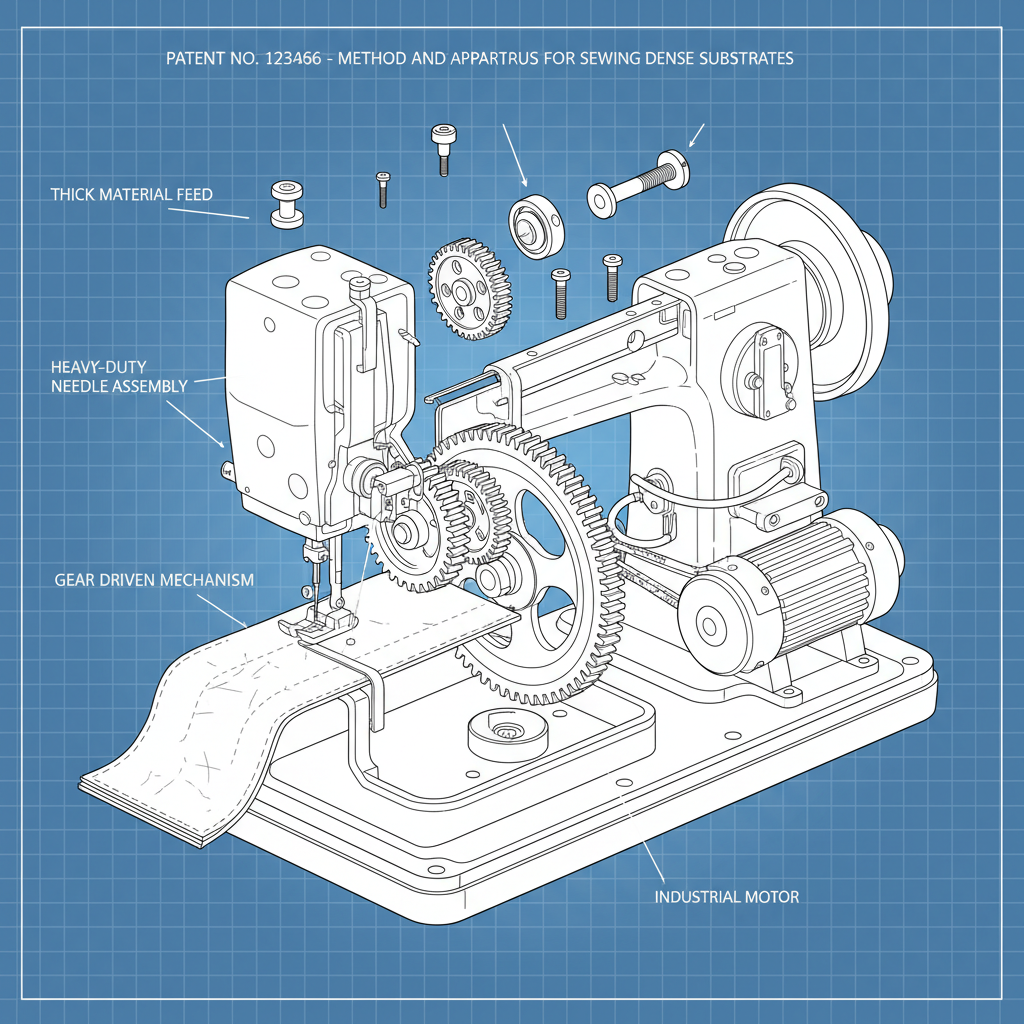
Choosing the Right Sewing Machine for Thick Materials
Not all sewing machines are created equal. When tackling thick materials, a machine with higher motor power is essential. Look for a machine specifically marketed for heavy-duty sewing or capable of handling multiple layers of fabric. Industrial sewing machines are often the best choice for consistent, high-quality results with very thick materials. Consider a walking foot machine, which helps feed the fabric evenly, preventing shifting and puckering. A machine with adjustable presser foot pressure is also crucial, allowing you to increase the pressure for better fabric control.
Key Considerations: Prioritize a machine with a powerful motor, adjustable presser foot pressure, and the ability to accommodate heavier needles and thread.
Needle Selection: A Critical Factor for Success
The type of needle you use dramatically impacts your sewing experience. For thick materials, a leather needle or a heavy-duty needle is essential. These needles have a wedge-shaped point that penetrates the fabric without tearing it. The needle size should also be appropriate for the fabric weight. Generally, a size 14 or 16 needle works well for medium-thick materials, while a size 18 or 19 is best for very thick materials like leather or heavy canvas. Always use a fresh, sharp needle to prevent skipped stitches and damage to your fabric.
Needle Type Guide:
• Leather Needles: Ideal for genuine leather, vinyl, and suede.
• Heavy-Duty Needles: Suitable for denim, canvas, and multiple layers of fabric.
• Needle Size: Match the needle size to the fabric weight (14-19).
Thread Weight and Type: Choosing the Right Match
Just as important as the needle, the thread must be strong enough to withstand the stress of sewing through thick materials. Use a heavier-weight thread, such as Tex 70 or Tex 80, for denim, leather, and canvas. Polyester thread is generally preferred for its strength and durability. For leather, consider using a specialized leather thread made from nylon or polyester, which is designed to resist breaking when the leather is flexed. Experiment with different thread weights to find the best balance between strength and appearance.
Sewing Techniques for Thick Materials: A Comparison
Several techniques can make sewing thick materials easier. A longer stitch length (3.5mm - 4.0mm) is generally recommended to prevent puckering. Slow and steady is key – avoid rushing the process. Using a walking foot significantly improves fabric feed, reducing shifting. If your machine struggles, try using a roller foot, which helps the fabric glide more easily. When starting and ending seams, backstitch securely to prevent unraveling. Longsew offers a variety of machines suitable for these techniques.
Troubleshooting Common Issues
Even with the right tools and techniques, you may encounter issues. Skipped stitches often indicate a dull or incorrect needle. Thread breakage can be caused by incorrect thread tension or a needle that's too small. If the fabric is puckering, try a longer stitch length or a walking foot. If the machine is struggling to feed the fabric, increase the presser foot pressure. Regular machine maintenance, including cleaning and oiling, will also help prevent problems.
Conclusion: Mastering Thick Material Sewing
Successfully sewing thick material on sewing machine requires careful preparation, the right equipment, and the appropriate techniques. By following the guidance outlined in this article, you can achieve professional-looking results and tackle even the most challenging projects with confidence. Remember, choosing the right machine from Longsew is the first step toward sewing success.
Frequently Asked Questions (FAQs)
What type of needle should I use for sewing leather?
For genuine leather, a leather needle is the best choice. These needles have a wedge-shaped point that penetrates the leather without tearing it. The size will depend on the leather's thickness, but a size 14 or 16 is a good starting point. Avoid using universal needles, as they can damage the leather. Using the right needle will ensure clean, professional-looking stitches and prevent the leather from becoming damaged.
My machine keeps skipping stitches when sewing denim. What could be the issue?
Several factors could cause skipped stitches. First, ensure you're using the correct needle for denim – a heavy-duty needle size 16 or 18 is often recommended. Second, check that the needle is properly inserted and not bent or damaged. Third, adjust the thread tension – too loose or too tight can cause skipping. Finally, ensure the bobbin is wound correctly and the bobbin case is clean. If the problem persists, consider using a walking foot to improve fabric feed.
How do I prevent puckering when sewing thick materials?
Puckering often occurs when the fabric isn't feeding evenly. Using a walking foot is the most effective solution. Also, try increasing the stitch length slightly (3.5mm - 4.0mm) and reducing the presser foot pressure. Avoid pulling or pushing the fabric; let the machine do the work. If you're still experiencing puckering, try using a stabilizer to provide extra support to the fabric.
What is the best way to turn corners when sewing thick fabric?
Turning corners with thick fabric requires patience and precision. Stop with the needle down at the corner point. Lift the presser foot and gently pivot the fabric in the desired direction. Lower the presser foot and continue sewing. Using a longer stitch length can also help create smoother corners. Avoid forcing the fabric, as this can cause it to bunch up or distort.
Latest news
-
Industrial Bag Sewing Machine Price and Comprehensive Buying GuideNewsApr.16,2026
-
Industrial Hand Held Bag Closer for Efficient Packaging SealingNewsApr.16,2026
-
Industrial Hand Held Bag Closer Sewing Machine for PackagingNewsApr.16,2026
-
Efficient Industrial Bag Closer Sewing Machine for PackagingNewsApr.16,2026
-
Industrial Sewing Guide for Choosing the Right Closer MachineNewsApr.16,2026
-
Guide to Capital Bag Closer Machine Price and Buying FactorsNewsApr.16,2026
-
Say goodbye to inefficient cutting! This heavy-duty webbing hot cutting machine redefines the new standard for industrial cuttingNewsApr.14,2026

Hebei LongSew Machinery Technology Co. Ltd is beginning as sewing machine parts supplier, now Longsew have over twenty years experience in complete set sewing machine offering.


CLASSIFICATION
CONTACT US
-

No.368 North Youyi Street, Shijiazhuang City, Hebei Province, China
-

-

Copyright © 2026 HEBEI LONGSEW MACHINERY TECHNOLOGY CO. LTD All Rights Reserved. Sitemap | Privacy Policy | Top Blog | Global Service