

Oct . 16, 2025 11:50
Back to list
Zigzag Sewing Machine: Heavy-Duty, Automatic, Industrial
Heavy-Duty Zigzag, Real-World Sailmaking: Field Notes on the LS266/LS266TD
In a year where sail lofts and technical textile shops are busier than ever, the humble zigzag sewing machine is quietly doing the hard yards. I’ve spent time in lofts from Qingdao to New Bedford; the consensus is simple: when seams get thick and threads get brutal, power and consistency outrank everything else.
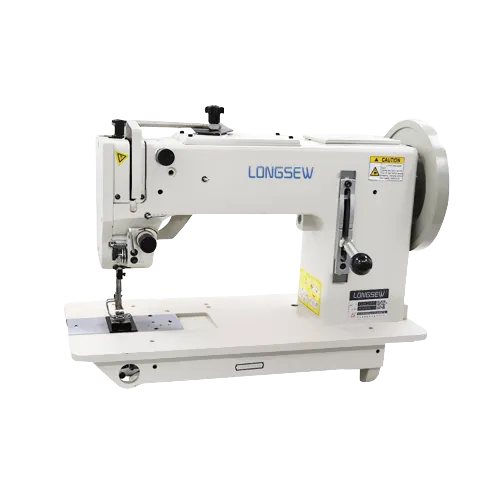
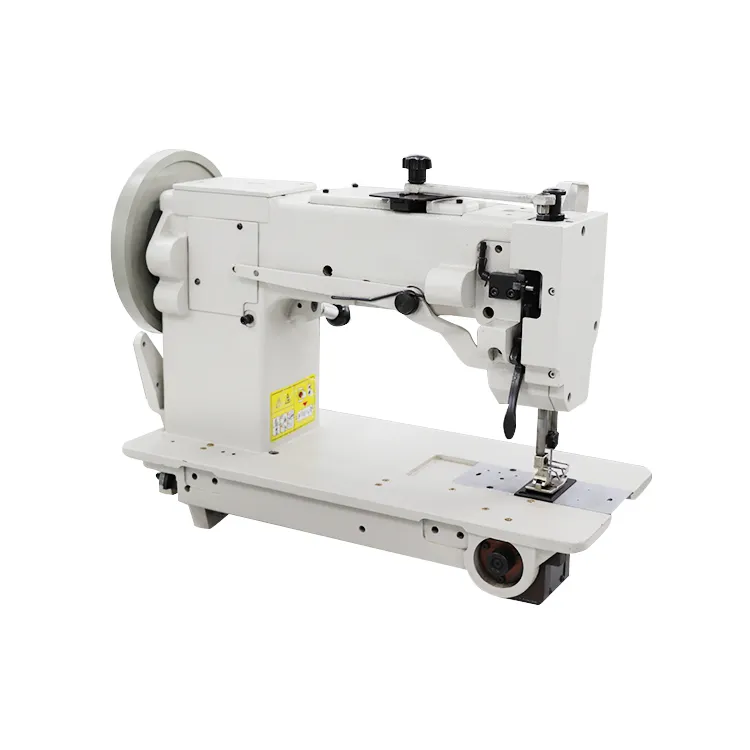
Longsew’s Heavy Duty Zigzag Sail Bottom Feed Sewing Machine LS266/LS266TD comes out of No.368 North Youyi Street, Shijiazhuang, Hebei, China—an area with deep industrial DNA. It uses a big shuttle hook, bottom feed, and, if you want to go fancy, optional pneumatic foot lift and pneumatic reverse. To be honest, that combo matters when you’re punching through multiple layers of Dacron, webbing, and corner patches without fraying the schedule (or the operator’s patience).
Why a heavy-duty zigzag sewing machine still wins
Zigzag seams (ISO 4915, class 304) flex with the cloth, disperse stress, and resist tear propagation—still the gold standard for sails, safety ropes, awnings, and heavy canvas. The LS266/LS266TD’s big hook stabilizes thread loops when you step up to very thick threads; many customers say it feeds “without drama,” even on mixed stacks: laminated sailcloth + webbing + UV acrylic tapes.
Key specifications (practical view)
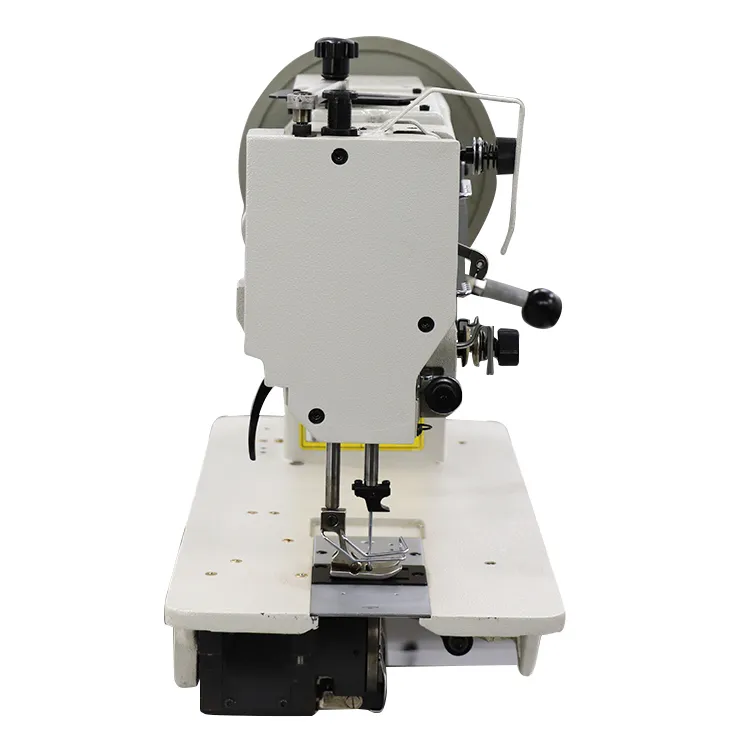
| Model | LS266 / LS266TD |
|---|---|
| Feed | Bottom feed (sail-focused) |
| Hook | Large-capacity shuttle hook |
| Max zigzag width | ≈ 8–12 mm (configuration-dependent; real-world use may vary) |
| Thread handling | Very thick threads; field reports up to Tex 210–270 (V-207–V-277) — verify with vendor |
| Lift / Reverse | Pneumatic foot lift & pneumatic reverse (optional) |
| Speed | Around 1,000–1,200 spm (heavy-duty zigzag) |
| Industries | Sailmaking, safety rope slings, shade sails, marine canvas, inflatables |
| Origin | Shijiazhuang, Hebei, China |
Process flow and testing (shop-floor reality)
- Materials: woven polyester (Dacron), UHMWPE reinforcements (e.g., Dyneema), acrylic UV covers, nylon webbing.
- Methods: single zigzag for long seams; wider zigzag on corner patches; double-pass on load paths; reverse-tack at starts/ends (pneumatic reverse helps).
- Testing standards used in QC: ISO 4915 for stitch classification; ISO 13934-1 or ASTM D5034 for fabric strength benchmarks; sample seams pulled to failure for comparative data.
- Service life: 5–10 years between major overhauls with daily oiling, periodic hook timing checks, and tension disc replacement; salt-air shops should schedule corrosion checks quarterly.
Vendor snapshot (realistic positioning)
| Vendor/Model | Feed | Zigzag width | Thread capacity | Notable | Best for |
|---|---|---|---|---|---|
| Longsew LS266/LS266TD | Bottom feed | ≈8–12 mm | Very thick (sail-grade) | Big hook; pneumatic options | Sails, safety ropes |
| Consew 146RB series (ref.) | Compound/walking | ≈10 mm | Medium–heavy | Walking-foot traction | General canvas |
| Sailrite LSZ-1 (ref.) | Portable walking | ≈5 mm | Medium | Portable, field repairs | On-site fixes |
Values are indicative, based on public literature; confirm with vendors. Real-world use may vary.
Customization and operator feedback
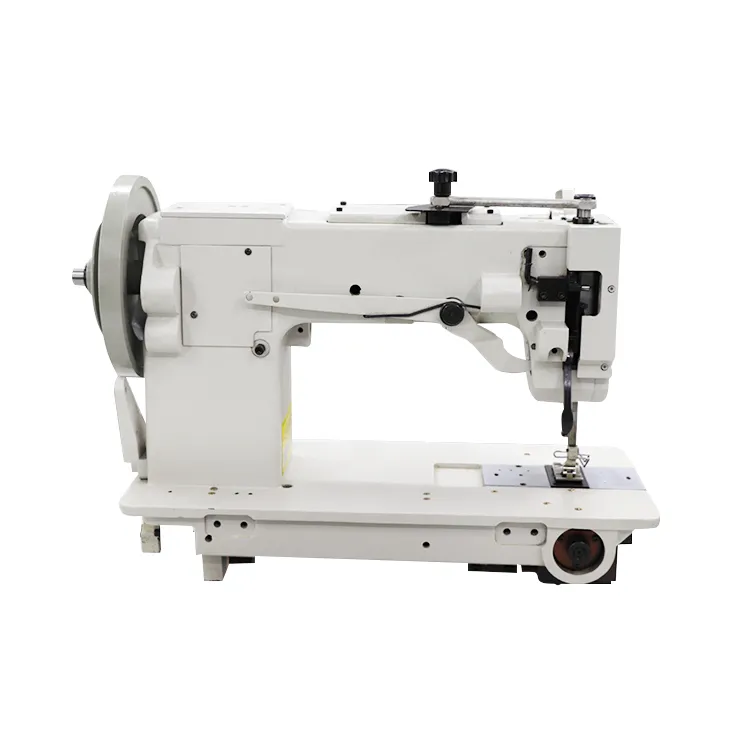
Options that matter: pneumatic foot lift (faster cornering), pneumatic reverse (clean lock-offs), and large-bobbin setups for long UV seams. One loft manager told me the LS266 “doesn’t flinch at eight layers of 9 oz cloth,” which, frankly, is what you want from a zigzag sewing machine.
Mini case studies
- Coastal sail loft: Switched to LS266TD for gennaker leech tapes; throughput up ≈18%, rejected seams down ≈22% after tension retraining and hook timing checks.
- Rope shop: Safety sling terminations in polyester webbing; pneumatic reverse improved consistency of back-tacks on high-Tex thread jobs.
Compliance, safety, and maintenance
Look for CE-marked configurations and electrics aligned with RoHS where applicable. For QA, log stitch type per ISO 4915, retain seam-pull samples against ISO 13934-1 or ASTM D5034 benchmarks, and schedule quarterly inspections in salt-prone shops. A well-kept zigzag sewing machine will outlast the average refit cycle—no small thing in busy seasons.
Citations
Latest news
-
Industrial Bag Sewing Machine Price and Comprehensive Buying GuideNewsApr.16,2026
-
Industrial Hand Held Bag Closer for Efficient Packaging SealingNewsApr.16,2026
-
Industrial Hand Held Bag Closer Sewing Machine for PackagingNewsApr.16,2026
-
Efficient Industrial Bag Closer Sewing Machine for PackagingNewsApr.16,2026
-
Industrial Sewing Guide for Choosing the Right Closer MachineNewsApr.16,2026
-
Guide to Capital Bag Closer Machine Price and Buying FactorsNewsApr.16,2026
-
Say goodbye to inefficient cutting! This heavy-duty webbing hot cutting machine redefines the new standard for industrial cuttingNewsApr.14,2026

Hebei LongSew Machinery Technology Co. Ltd is beginning as sewing machine parts supplier, now Longsew have over twenty years experience in complete set sewing machine offering.


CLASSIFICATION
CONTACT US
-

No.368 North Youyi Street, Shijiazhuang City, Hebei Province, China
-

-

Copyright © 2026 HEBEI LONGSEW MACHINERY TECHNOLOGY CO. LTD All Rights Reserved. Sitemap | Privacy Policy | Top Blog | Global Service