

Feb . 26, 2026 02:05
Back to list
Understanding the Zig Zag Lockstitch for Durable Sewing Applications
Understanding the Zig Zag Lockstitch: A Comprehensive Guide
The zig zag lockstitch is a versatile and essential technique in the sewing industry, used across numerous applications from apparel manufacturing to upholstery. This article will provide an in-depth look at this stitch, its applications, benefits, and how it compares to other stitching methods. Whether you're a seasoned seamster or new to the world of sewing, understanding the zig zag lockstitch is crucial for achieving durable and aesthetically pleasing results. We’ll explore how Longsew offers solutions for optimizing this critical process.
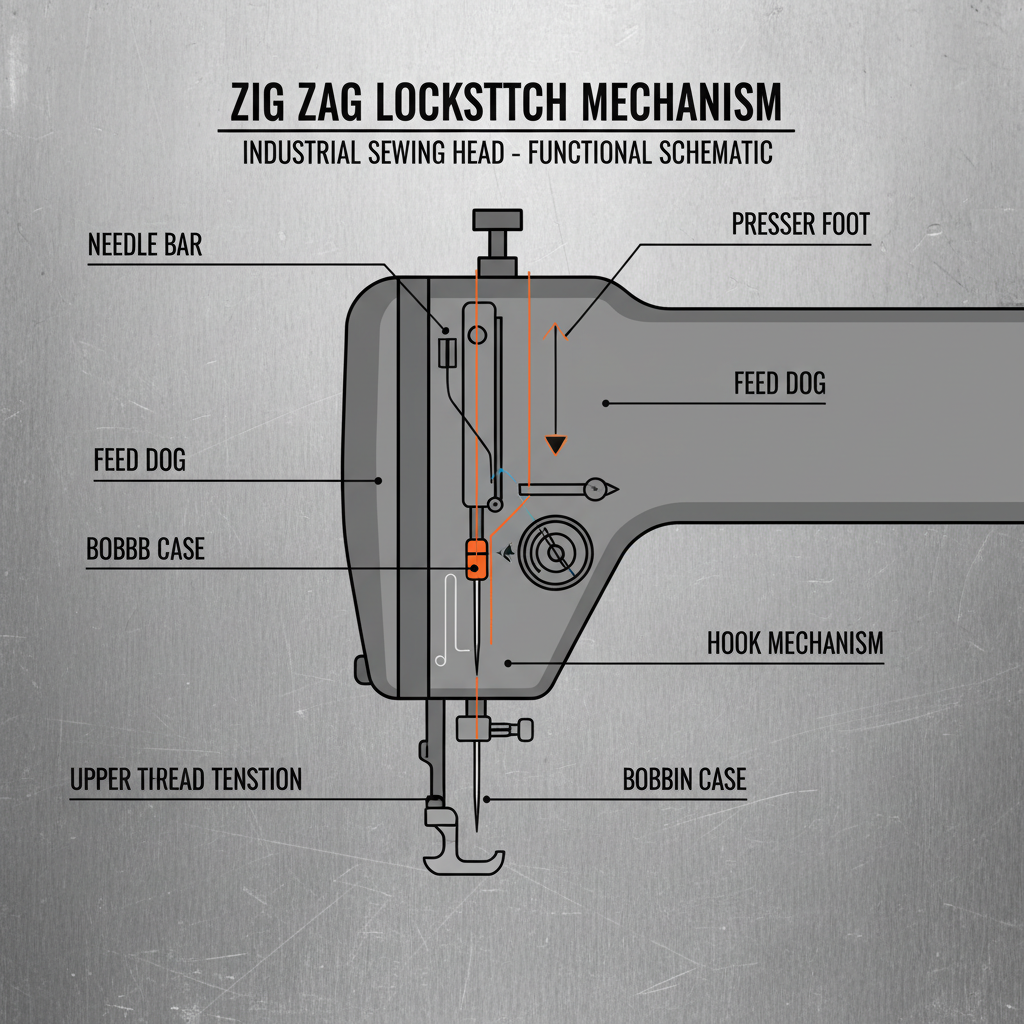
What is a Zig Zag Lockstitch?
At its core, the zig zag lockstitch is a variation of the standard lockstitch, but instead of a straight line, the needle moves back and forth, creating a zig-zag pattern. This pattern offers greater elasticity and flexibility compared to a straight stitch. The ‘lock’ element refers to how the threads interlock on both sides of the fabric, ensuring a secure and durable seam. This stitch is particularly beneficial for fabrics that fray easily, as the zig zag pattern helps encapsulate the raw edges. The ability to adjust the width and length of the zig zag stitch provides further customization for different fabric types and applications.
Key Highlights: Provides greater elasticity and flexibility, ideal for fabrics prone to fraying, and adjustable width/length for versatility.
Applications of the Zig Zag Lockstitch
The applications of the zig zag lockstitch are widespread. It's commonly used in creating buttonholes, applying elastic, overcasting raw edges to prevent fraying, and decorative stitching. In garment construction, it's frequently employed in knit fabrics, allowing for stretch and movement. Upholstery projects also benefit from this stitch, providing a secure and flexible seam for cushions, covers, and other fabric applications. Beyond these, it can be used in crafting, quilting, and even repairing damaged fabrics.
Application Benefits:
• Securing buttonholes and elastic
• Preventing fabric fraying
• Creating decorative finishes
• Providing stretch for knit fabrics
Zig Zag Lockstitch vs. Straight Stitch: A Comparative Analysis
While both the zig zag lockstitch and the straight stitch are fundamental in sewing, they serve different purposes. The straight stitch provides a strong, rigid seam, ideal for woven fabrics where minimal stretch is required. However, it’s less effective at preventing fraying and offers no give. The zig zag lockstitch, on the other hand, excels in elasticity and edge finishing, making it superior for knit fabrics and situations where flexibility is paramount. Choosing the right stitch depends heavily on the fabric type, the desired functionality of the seam, and the aesthetic outcome.
Optimizing the Zig Zag Lockstitch with Longsew
Longsew provides a range of industrial sewing machines and components designed to optimize the zig zag lockstitch process. Our machines feature precise tension control, adjustable stitch width and length, and robust construction for consistent, high-quality results. We also offer specialized presser feet and needles tailored for different fabric types, ensuring optimal performance. Investing in quality equipment from Longsew can significantly improve efficiency, reduce defects, and enhance the overall quality of your sewing operations.
Maintaining Your Zig Zag Lockstitch Machine
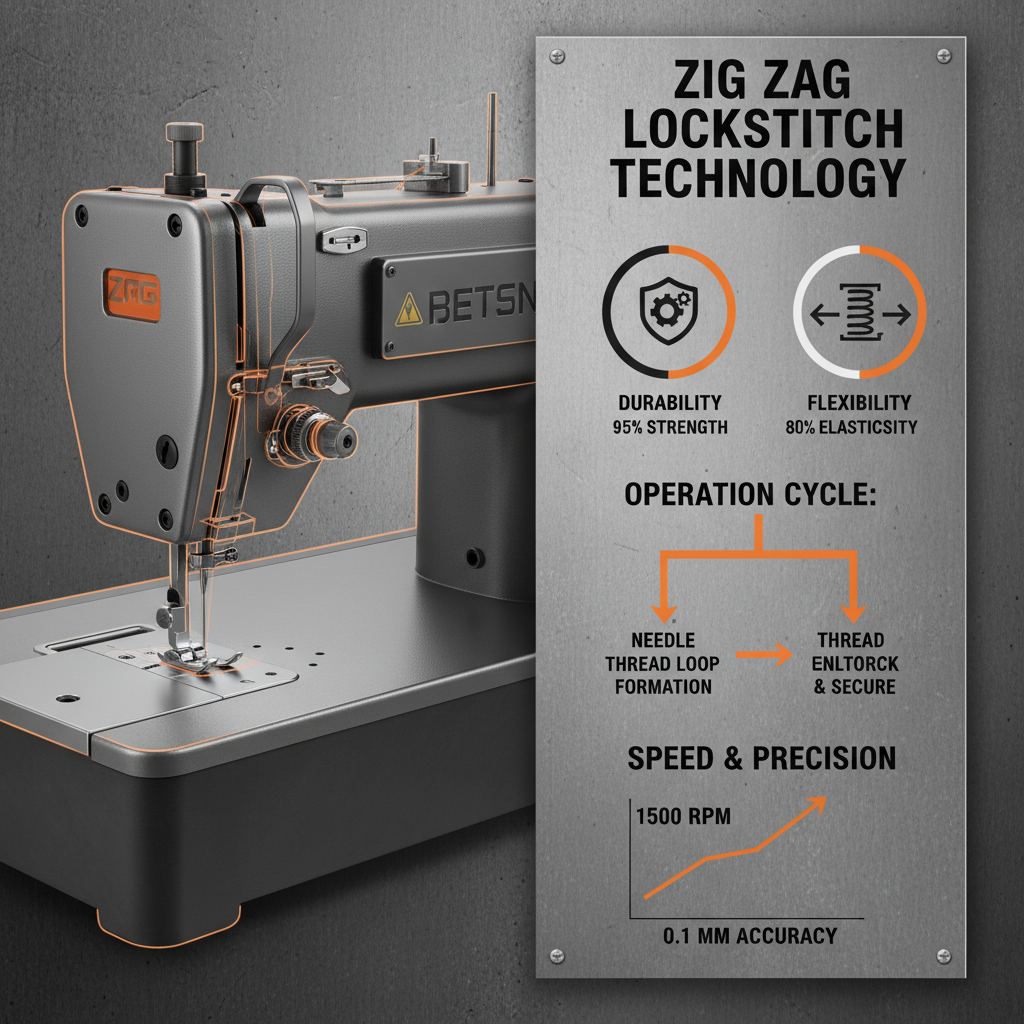
Regular maintenance is crucial for ensuring the longevity and performance of your zig zag lockstitch machine. This includes regular cleaning to remove lint and debris, oiling moving parts to reduce friction, and replacing needles and other components as needed. Longsew provides comprehensive maintenance guides and readily available replacement parts to help you keep your machine running smoothly. Proper maintenance not only prevents breakdowns but also ensures consistent stitch quality and extends the life of your investment.
Conclusion: Mastering the Zig Zag Lockstitch for Superior Results
The zig zag lockstitch is a fundamental technique for any sewer or manufacturer. Understanding its applications, benefits, and proper maintenance is key to achieving high-quality, durable, and aesthetically pleasing results. With the right equipment and knowledge, you can harness the power of this versatile stitch to elevate your sewing projects.
Frequently Asked Questions (FAQs)
What types of fabrics are best suited for a zig zag lockstitch?
The zig zag lockstitch excels with knit fabrics due to its elasticity. However, it’s also suitable for woven fabrics that fray easily, as the zig zag pattern encapsulates the edges. It's generally a good choice for fabrics where a degree of stretch or flexibility is desired, or when preventing fraying is a priority. The stitch width and length can be adjusted to accommodate different fabric weights and textures. For very lightweight fabrics, a narrower and shorter stitch may be preferable, while heavier fabrics may require a wider and longer stitch.
How do I troubleshoot a zig zag stitch that is skipping stitches?
Skipped stitches can be caused by several factors. First, check that the needle is the correct type and size for your fabric. A bent or dull needle should also be replaced. Ensure the machine is threaded correctly, and the bobbin is wound evenly. Proper tension is crucial – experiment with slight adjustments to both the upper and lower thread tension. Finally, make sure the presser foot is applying sufficient pressure to the fabric. If the problem persists, consult your machine’s manual or seek assistance from a qualified technician.
Can the width and length of the zig zag stitch be adjusted?
Yes, both the width and length of the zig zag stitch are adjustable on most sewing machines. The width controls how far the needle moves side to side, while the length determines the distance between each stitch. Adjusting these settings allows you to customize the stitch to suit different fabrics and applications. A wider stitch provides more coverage and elasticity, while a longer stitch creates a looser seam. Experimenting with these settings is essential for achieving the desired result.
What is the difference between a zig zag lockstitch and an overlock stitch?
While both stitches are used for finishing raw edges, they differ significantly. A zig zag lockstitch is created on a standard sewing machine and provides a basic edge finish. An overlock stitch (also known as serging) is created on a dedicated overlock machine and simultaneously sews, trims, and finishes the edge of the fabric with multiple threads, creating a professional and durable seam. Overlock stitches are generally stronger and more suitable for high-volume production, while zig zag lockstitches are sufficient for many home sewing and smaller-scale projects.
Latest news
-
Industrial Bag Sewing Machine Price and Comprehensive Buying GuideNewsApr.16,2026
-
Industrial Hand Held Bag Closer for Efficient Packaging SealingNewsApr.16,2026
-
Industrial Hand Held Bag Closer Sewing Machine for PackagingNewsApr.16,2026
-
Efficient Industrial Bag Closer Sewing Machine for PackagingNewsApr.16,2026
-
Industrial Sewing Guide for Choosing the Right Closer MachineNewsApr.16,2026
-
Guide to Capital Bag Closer Machine Price and Buying FactorsNewsApr.16,2026
-
Say goodbye to inefficient cutting! This heavy-duty webbing hot cutting machine redefines the new standard for industrial cuttingNewsApr.14,2026

Hebei LongSew Machinery Technology Co. Ltd is beginning as sewing machine parts supplier, now Longsew have over twenty years experience in complete set sewing machine offering.


CLASSIFICATION
CONTACT US
-

No.368 North Youyi Street, Shijiazhuang City, Hebei Province, China
-

-

Copyright © 2026 HEBEI LONGSEW MACHINERY TECHNOLOGY CO. LTD All Rights Reserved. Sitemap | Privacy Policy | Top Blog | Global Service