

Feb . 27, 2026 01:55
Back to list
The Versatile Zig Zag Lockstitch Sewing Machine A Comprehensive Guide
Understanding the Versatility of the Zig Zag Lockstitch Sewing Machine
The zig zag lockstitch sewing machine is a cornerstone of modern textile production, prized for its adaptability and efficiency. Unlike standard lockstitch machines which create a straight stitch, the zig zag machine offers a range of stitch patterns, opening doors to both functional and decorative applications. This article will explore the machine’s features, benefits, applications, and key considerations for businesses looking to invest in this versatile technology. From apparel manufacturing to crafting and industrial uses, we'll delve into why the zig zag lockstitch remains a vital tool in countless industries.
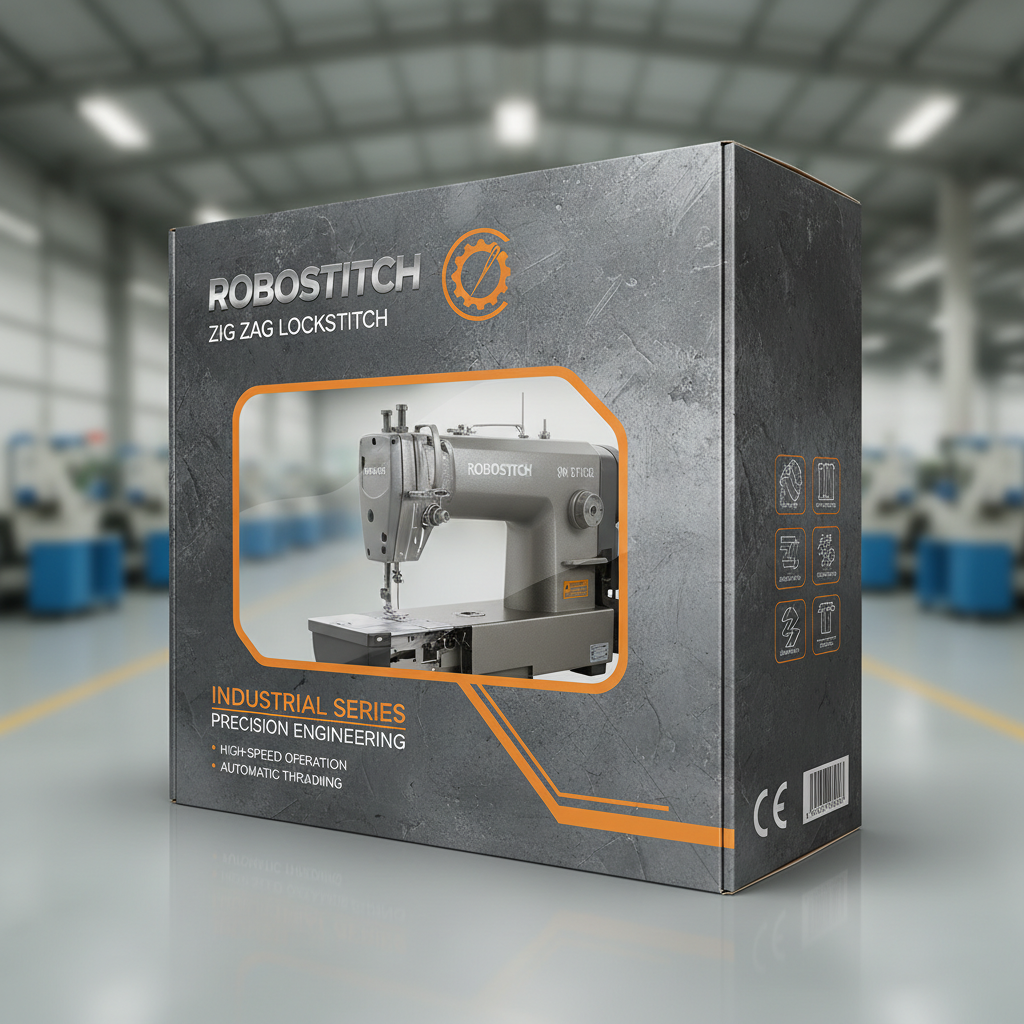
Core Features and Functionality of a Zig Zag Lockstitch Machine
At its heart, the zig zag lockstitch sewing machine combines the reliability of a lockstitch with the flexibility of a zig zag stitch. This means it can create strong, secure seams while also offering a variety of stitch widths and lengths. Key features include adjustable stitch patterns, tension control for different fabric types, and a feed dog mechanism for precise fabric movement. Modern machines often incorporate features like automatic needle threading, reverse stitching, and built-in motors for consistent performance. The ability to switch between lockstitch and zig zag stitch opens up a wider range of possibilities for garment creation and repair.
Key Highlights: Combines lockstitch reliability with zig zag flexibility; Adjustable stitch patterns for diverse applications; Tension control for various fabric weights.
Zig Zag vs. Lockstitch: A Direct Comparison
While both zig zag and lockstitch machines are essential in sewing, they serve different purposes. The lockstitch creates a strong, flat seam ideal for structural stitching. The zig zag stitch, on the other hand, offers stretch and prevents fabric fraying, making it perfect for overlocking edges, creating buttonholes, and decorative stitching. A zig zag machine can often perform a lockstitch, providing versatility that a dedicated lockstitch machine cannot. Choosing the right machine depends on the specific needs of the application. Consider the types of projects you’ll be undertaking and the level of flexibility required.
Key Differences:
• Lockstitch: Strong, flat seam; Ideal for structural stitching.
• Zig Zag: Stretch, prevents fraying; Perfect for overlocking and decorative stitches.
• Versatility: Zig zag machines often perform both stitch types.
Applications of the Zig Zag Lockstitch Sewing Machine Across Industries
The applications of this machine are incredibly diverse. In the apparel industry, it’s used for creating seams, attaching elastic, and finishing edges. Home sewers utilize it for garment construction, alterations, and crafting. Industrial applications extend to upholstery, automotive interiors, and the production of bags and luggage. The machine's ability to handle various fabrics—from lightweight silks to heavy denims—makes it an invaluable asset across numerous sectors. It’s a workhorse machine that can handle a wide range of projects with precision and efficiency.
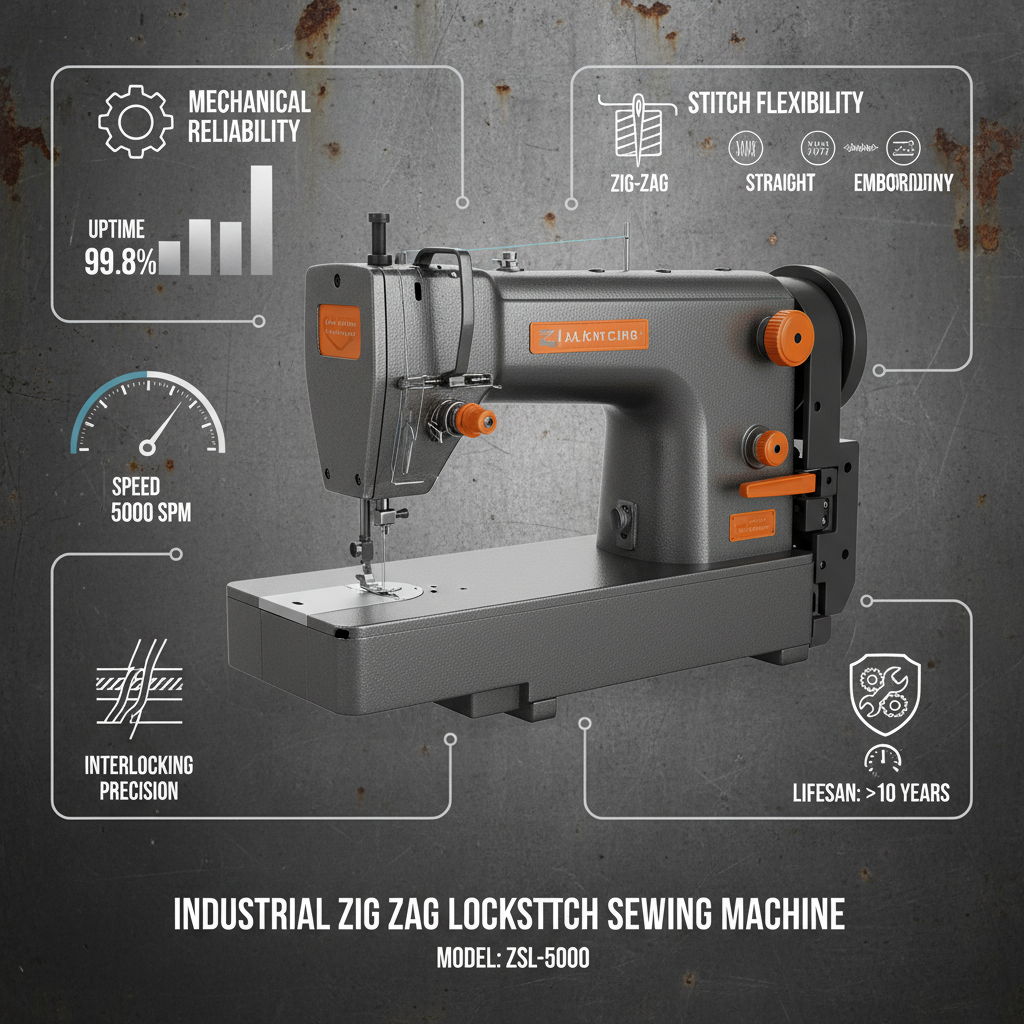
Comparing Popular Zig Zag Lockstitch Sewing Machine Models
Several manufacturers offer high-quality zig zag lockstitch sewing machines. Here’s a comparison of a few popular models:
Maintenance and Troubleshooting for Long-Term Performance
Regular maintenance is vital for ensuring the longevity and optimal performance of your zig zag lockstitch sewing machine. This includes regular cleaning to remove lint and debris, lubricating moving parts, and replacing the needle as needed. Common issues like thread bunching or skipped stitches can often be resolved by re-threading the machine correctly, adjusting the tension, or using the appropriate needle for the fabric. Always refer to the manufacturer’s manual for specific maintenance instructions and troubleshooting tips.
Conclusion: A Versatile Investment for Your Sewing Needs
The zig zag lockstitch sewing machine remains an indispensable tool for a wide array of sewing applications. Its flexibility, reliability, and adaptability make it a smart investment for both hobbyists and professionals. By understanding its features, applications, and maintenance requirements, you can maximize its value and ensure years of productive use.
Frequently Asked Questions (FAQs)
What type of fabric can a zig zag lockstitch machine handle?
A zig zag lockstitch machine is incredibly versatile and can handle a wide range of fabrics, including cotton, linen, silk, denim, polyester, and even some lightweight leathers. The key is to use the correct needle and adjust the stitch length and tension appropriately for the fabric’s weight and weave. Heavier fabrics will require a stronger needle and potentially a longer stitch length. It's always recommended to test a small sample of the fabric first to ensure optimal results.
How often should the needle be replaced?
The needle should be replaced after approximately 8 hours of continuous sewing, or more frequently if you are sewing through thick or abrasive fabrics. A dull or damaged needle can cause skipped stitches, thread breakage, and even damage to the fabric. It's a good practice to visually inspect the needle before each sewing session and replace it if it shows any signs of wear or bending.
What causes thread bunching on the underside of the fabric?
Thread bunching on the underside is often caused by improper threading, incorrect tension settings, or a dull needle. First, double-check that the thread is correctly threaded through all the guides and tension discs. Next, adjust the upper thread tension – slightly increasing it can often resolve the issue. If the problem persists, try replacing the needle. Ensure the bobbin is also correctly inserted and that the bobbin thread is not tangled.
Can a zig zag lockstitch machine be used for quilting?
Yes, a zig zag lockstitch machine can be used for basic quilting, especially smaller projects. However, a dedicated quilting machine with a larger throat space and specialized features is generally recommended for larger or more complex quilts. The zig zag stitch can be used to create decorative quilting designs, and the lockstitch can be used for piecing the quilt top together.
Latest news
-
Industrial Bag Sewing Machine Price and Comprehensive Buying GuideNewsApr.16,2026
-
Industrial Hand Held Bag Closer for Efficient Packaging SealingNewsApr.16,2026
-
Industrial Hand Held Bag Closer Sewing Machine for PackagingNewsApr.16,2026
-
Efficient Industrial Bag Closer Sewing Machine for PackagingNewsApr.16,2026
-
Industrial Sewing Guide for Choosing the Right Closer MachineNewsApr.16,2026
-
Guide to Capital Bag Closer Machine Price and Buying FactorsNewsApr.16,2026
-
Say goodbye to inefficient cutting! This heavy-duty webbing hot cutting machine redefines the new standard for industrial cuttingNewsApr.14,2026

Hebei LongSew Machinery Technology Co. Ltd is beginning as sewing machine parts supplier, now Longsew have over twenty years experience in complete set sewing machine offering.


CLASSIFICATION
CONTACT US
-

No.368 North Youyi Street, Shijiazhuang City, Hebei Province, China
-

-

Copyright © 2026 HEBEI LONGSEW MACHINERY TECHNOLOGY CO. LTD All Rights Reserved. Sitemap | Privacy Policy | Top Blog | Global Service