


NOUVELLES
-
Selecting the ideal sofa upholstery sewing machine is crucial for efficiency, quality, and profitability in furniture manufacturing. With a vast array of options available, understanding the key features and considerations can be overwhelming. This guide will provide a comprehensive overview, helping you navigate the market and choose a machine that perfectly aligns with your production needs. We'll explore various types, essential features, and factors influencing your decision, ultimately ensuring you invest in a reliable and high-performing machine. Sofa upholstery demands specialized sewing machines capable of handling thick fabrics, varying textures, and complex designs. Several types cater to these needs. Walk-foot sewing machines are a popular choice, offering consistent feeding of multiple fabric layers. Needle-feed machines are suitable for lighter upholstery and intricate detailing. Cylinder-bed machines excel at sewing curved seams commonly found in sofas and chairs. Finally, post-bed machines are ideal for sewing operations that require more maneuverability.En savoir plus
-
Investing in a sofa stitching machine is a crucial step for furniture manufacturers and upholstery businesses. The sofa stitching machine price can vary significantly based on features, automation level, and brand reputation. This article will delve into the factors influencing price, different types of machines available, and how to select the best option for your needs, ultimately maximizing your return on investment. We’ll explore the market landscape and guide you towards making an informed decision. Several key factors impact the sofa stitching machine price. Automation is a major driver; fully automated machines are significantly more expensive than semi-automatic or manual options. The complexity of stitching patterns the machine can handle also plays a role – machines capable of intricate designs command a higher price. Brand reputation and build quality are also important considerations; established brands known for durability and reliability typically charge more. Finally, the machine's capacity (how much material it can handle) and the size of the stitching area influence the cost.En savoir plus
-
When sourcing industrial sewing machines, understanding the silai machine shuttle price is crucial for making informed purchasing decisions. The shuttle, a core component responsible for forming stitches, significantly impacts machine performance and reliability. This article delves into the factors influencing shuttle prices, different types available, and how to choose the right one for your specific needs. We’ll explore the various options from Longsew, a trusted manufacturer of industrial sewing machines and parts. Several factors determine the cost of a silai machine shuttle. Material quality is paramount; shuttles made from high-grade steel or specialized alloys are more durable and command a higher price. The shuttle type, designed for specific machine models and stitch types, also plays a role. Manufacturing precision is critical - tighter tolerances and quality control contribute to better performance and increased cost. Furthermore, the brand reputation and supplier location influence pricing. Longsew offers competitive pricing without compromising on quality, leveraging efficient manufacturing processes and direct sales. Ultimately, a higher initial investment in a quality shuttle can lead to reduced downtime and lower maintenance costs in the long run.En savoir plus
-
In the competitive world of furniture manufacturing, efficiency and precision are paramount. A reliable sofa stitching machine is not just a convenience – it's a crucial investment that directly impacts your production output and the quality of your finished products. This article provides a comprehensive guide to understanding the different types of sofa stitching machines, key features to consider, and how to select the best option for your specific needs, with a focus on solutions offered by Longsew. We will explore everything from basic models for small workshops to high-volume industrial machines, ensuring you make an informed decision. Sofa stitching machines come in various configurations, each designed for specific tasks and materials. The most common types include single-needle, double-needle, and walking foot machines. Single-needle machines are versatile and suitable for general stitching tasks, while double-needle machines are ideal for creating strong, decorative seams. Walking foot machines excel at handling thicker materials and multiple layers, often used for welt cords and complex upholstery details.En savoir plus
-
The silai machine shuttle is a critical component in many industrial sewing machines, particularly those used in the garment, leather, and upholstery industries. This guide will delve into its function, types, maintenance, and the factors to consider when choosing a replacement. A properly functioning shuttle is vital for consistent stitch quality and overall machine performance. Understanding the intricacies of this small but essential part can significantly improve sewing efficiency and reduce downtime. The silai machine shuttle is a small, boat-shaped component that carries the bobbin case and bobbin thread through the fabric loop during the sewing process. It interlocks with the rotating hook, forming a stitch. Without a functioning shuttle, the machine simply cannot create a secure and consistent stitch. Different types of shuttles are designed for specific machines and applications, impacting stitch formation, speed, and fabric handling. Selecting the correct shuttle ensures optimal machine performance and minimizes the risk of issues like thread breakage or skipped stitches.En savoir plus
-
When sourcing components for industrial sewing machines, the shuttle hook price is a critical factor. A high-quality shuttle hook is essential for consistent stitch formation and reliable machine performance. However, price variations can be significant. This article delves into the factors influencing shuttle hook pricing, explores the quality considerations, and provides insights for making informed purchasing decisions. Finding the right balance between cost and performance is crucial for optimizing production efficiency. Several elements contribute to the price of a shuttle hook. The material used is a primary driver; hardened steel is standard, but specialized alloys increase costs. Manufacturing precision, determined by the tooling and processes employed, also impacts price. Hooks made with tighter tolerances and higher surface finishes command a premium. The brand reputation and origin of manufacture play a role, as established brands often charge more due to perceived quality and reliability. Finally, order volume significantly influences price; bulk purchases typically qualify for discounts. Understanding these factors helps negotiate better deals and assess the value proposition.En savoir plus
-
In the realm of industrial sewing machines, the shuttle hook is a critical component impacting stitch quality and overall machine performance. Protecting this vital part is paramount, and that's where a reliable shuttle hook case comes into play. This article delves into the world of shuttle hook cases, exploring their function, types, materials, and why choosing the right one is essential for your sewing operations. We will also highlight the quality options available at Longsew. A shuttle hook case serves as a protective housing for the delicate shuttle hook mechanism within an industrial sewing machine. It safeguards the hook from dust, lint, and other debris that can accumulate during operation, ultimately preventing damage and maintaining precision. Furthermore, the case ensures the proper alignment and smooth rotation of the hook, contributing to consistent stitch formation. A well-maintained shuttle hook case is, therefore, essential for extending the life of the shuttle hook and ensuring the longevity of your sewing machine. The case isn’t merely a cover; it’s a key element in the sewing process.En savoir plus
-
When tackling projects requiring exceptional strength and durability, choosing the right thread is paramount. Sewing with heavy duty thread unlocks a world of possibilities, from upholstery and leatherwork to outdoor gear and industrial applications. This article delves into the nuances of heavy duty thread, exploring its types, uses, and how to achieve professional results. Understanding the characteristics of different threads and their suitability for specific fabrics is key to creating lasting, high-quality seams. Heavy duty thread isn’t simply about thickness; it’s about construction and material. These threads are engineered to withstand significant stress, abrasion, and environmental factors. Typically, they are made from materials like nylon, polyester, or bonded polyester. These materials offer superior strength compared to standard cotton or polyester threads. The thread count (the number of strands twisted together) also plays a crucial role.En savoir plus
-
Sewing with thick thread can open up a world of possibilities for durable and visually striking projects. Whether you’re crafting heavy-duty upholstery, repairing outdoor gear, or adding a unique aesthetic to your garments, choosing the right thread and techniques is crucial. This article will explore the benefits of using thick thread, the types available, essential techniques, and how to troubleshoot common issues. Discover how to elevate your sewing projects with the strength and character of thick thread. Increased strength is paramount, making it ideal for projects requiring high durability like bags, belts, and outdoor gear. Thick thread also creates distinctive stitching that adds visual interest and a handcrafted feel. It's also excellent for heavyweight fabrics where standard thread might break or lack sufficient hold. Furthermore, it can be used to create decorative effects, such as prominent topstitching or embroidery-like details. The enhanced durability and visual appeal make thick thread a versatile choice for a variety of sewing applications.En savoir plus
-
Sewing thick materials like denim, leather, or canvas can be a challenge, even with a robust sewing machine. This guide provides an in-depth look at techniques, machine selection, needle types, and troubleshooting tips for successfully sewing thick material on sewing machine. Whether you’re a seasoned seamster or just starting out, understanding these aspects will ensure smoother projects and durable results. We'll cover everything from preparing your machine to mastering the stitch. Not all sewing machines are created equal. When tackling thick materials, a machine with higher motor power is essential. Look for a machine specifically marketed for heavy-duty sewing or capable of handling multiple layers of fabric. Industrial sewing machines are often the best choice for consistent, high-quality results with very thick materials. Consider a walking foot machine, which helps feed the fabric evenly, preventing shifting and puckering. A machine with adjustable presser foot pressure is also crucial, allowing you to increase the pressure for better fabric control.En savoir plus
-
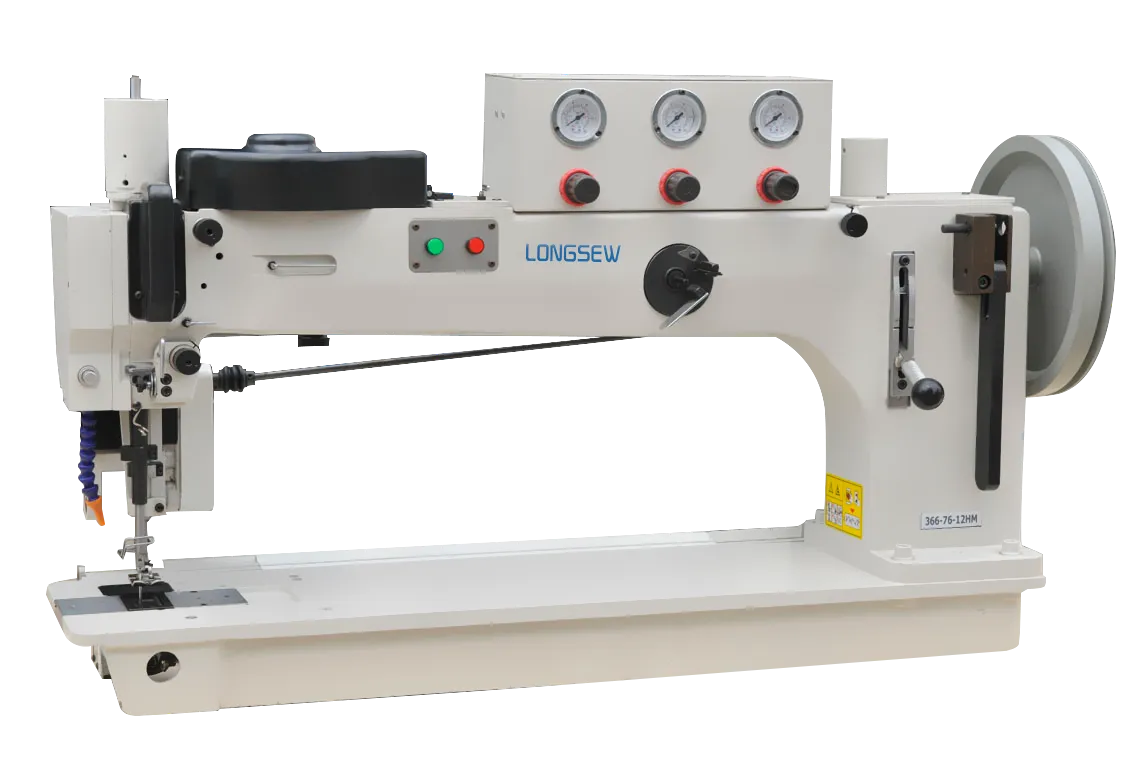 In scenarios of heavy-duty sewing such as sail manufacturing and large tent production, do youEn savoir plus
 -
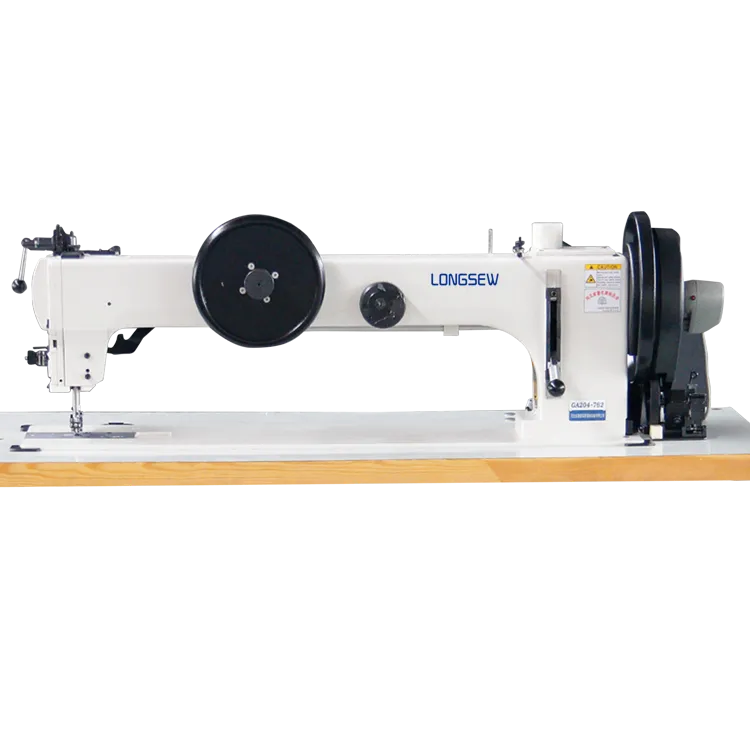 In heavy-duty sewing scenarios such as leather processing, industrial slings, and automotive inEn savoir plus

Hebei LongSew Machinery Technology Co. Ltd débute en tant que fournisseur de pièces de machines à coudre. Longsew a maintenant plus de vingt ans d'expérience dans l'offre d'ensembles complets de machines à coudre.


INFORMATION
CLASSIFICATION
CONTACTEZ-NOUS
-

No.368 rue North Youyi, ville de Shijiazhuang, province du Hebei, Chine
-

-

Copyright © 2026 HEBEI LONGSEW MACHINERY TECHNOLOGY CO. LTD All Rights Reserved. Sitemap | Privacy Policy