


Sep . 08, 2025 11:38
Retour à la liste
Heavy Duty Industrial Sewing Machines | Durable & Auto-Pattern Precision
Introduction to Advanced Industrial Sewing Solutions
In the demanding landscape of modern manufacturing, precision, durability, and efficiency are paramount. This holds especially true for industries relying on robust textile assembly, where a reliable heavy duty industrial sewing machine is not merely equipment, but a cornerstone of production. From automotive upholstery to technical textiles and outdoor gear, these machines are engineered to handle materials that would overwhelm conventional sewing systems. This comprehensive overview delves into the critical aspects of these powerful tools, exploring their technological sophistication, diverse applications, and profound impact on operational efficiency and product quality.
The evolution of sewing technology has brought forth sophisticated solutions such as the heavy duty industrial sewing machine, which now integrates advanced computer numerical control (CNC) capabilities, transforming traditional stitching into automated, high-precision pattern creation. This article will provide insights into the manufacturing excellence, technical specifications, and strategic advantages that define the modern industrial sewing landscape for B2B stakeholders and technical professionals.
Manufacturing Excellence: The Process Flow of Heavy Duty Industrial Sewing Machines
The production of a heavy duty industrial sewing machine is a multi-stage process, meticulously designed to ensure strength, precision, and longevity. It begins with the selection of high-grade materials and culminates in rigorous testing, reflecting a commitment to engineering superior equipment for industrial applications.
Step 1: Material Sourcing & Preparation
Materials: High-tensile steel alloys (e.g., Chromium-Vanadium steel for shafts, tool steel for needles and hooks), durable cast iron or aluminum alloys for machine frames, precision-engineered polymer composites for select internal components requiring low friction.
Process: Raw materials undergo initial quality inspection. Metals are prepared for casting or forging, ensuring optimal metallurgical properties for demanding industrial use. Non-metallic components are processed for molding or fabrication.
Step 2: Component Manufacturing
Casting/Forging: Main structural components (e.g., machine head, bed) are cast from high-strength iron or precision forged for superior rigidity and impact resistance. This forms the robust foundation of a heavy duty sewing machine.
CNC Machining: Critical components such as shafts, gears, cams, and needle bars are manufactured using multi-axis CNC machining centers. This ensures tolerances as fine as ±0.005 mm, vital for smooth operation and precise stitch formation, especially in a computerized pattern sewing machine.
Heat Treatment & Surface Finishing: Components undergo heat treatment (e.g., carburizing, nitriding) to enhance hardness, wear resistance, and fatigue strength. Surfaces are often treated with specialized coatings for corrosion resistance and reduced friction.
Step 3: Assembly & Integration
Precision Assembly: Skilled technicians meticulously assemble the machine, integrating mechanical, electrical, and pneumatic systems. The heart of modern units, the control system for a cnc pattern sewing machine, is carefully installed and calibrated.
Motor & Drive System Integration: High-torque servo motors and robust drive systems are integrated to ensure consistent power and precise control, crucial for handling heavy materials and complex patterns.
Step 4: Quality Assurance & Testing
Testing Standards: Each machine undergoes comprehensive testing adhering to international standards such as ISO 9001 for quality management and ANSI/ASME standards for mechanical integrity. Electrical safety is verified to CE/UL specifications.
Performance & Durability Tests: Machines are subjected to simulated heavy-duty usage, evaluating stitch quality, tension stability, noise levels, and vibration. Endurance tests simulate years of operation, ensuring a service life exceeding 10-15 years under typical industrial conditions.
Energy Consumption Analysis: Modern units are evaluated for energy efficiency. For example, the LS266-CP is designed to reduce energy consumption by up to 30% compared to older models through optimized servo motor technology, demonstrating a key advantage in energy saving for target industries like automotive and marine textiles.
Corrosion Resistance: For components exposed to environmental factors, especially in industries like marine or outdoor equipment manufacturing, materials and coatings are selected for enhanced corrosion resistance.
This rigorous process ensures that each heavy duty industrial sewing machine delivered is a testament to engineering excellence, ready for deployment in demanding sectors such as petrochemical (for protective gear), metallurgy (for heat-resistant textiles), and water supply & drainage (for filtration fabrics).
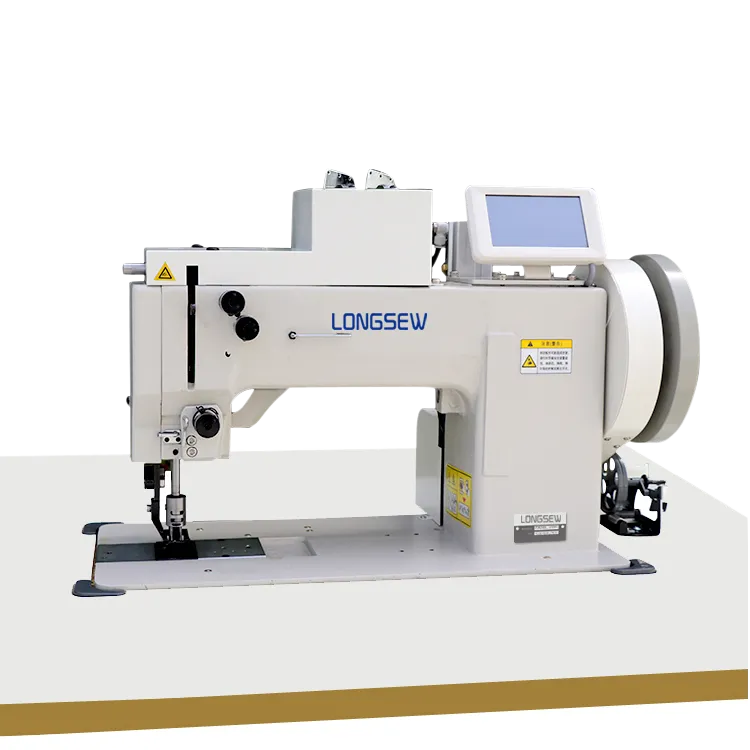
High-precision assembly of a heavy duty industrial sewing machine chassis.
Industry Trends and Market Dynamics
The industrial sewing machine market is witnessing significant transformation, driven by automation, digitalization, and increasing demand for specialized applications. Key trends include:
- Automation and AI Integration: The shift towards auto heavy duty sewing machine models and computerized pattern sewing machine systems is accelerating. AI and machine learning are being integrated for predictive maintenance, real-time quality control, and optimized production scheduling, reducing manual intervention and increasing output consistency.
- Modularity and Customization: Manufacturers increasingly offer modular designs, allowing businesses to adapt machines for specific tasks or upgrade components, supporting customized solutions for niche applications.
- Sustainability and Energy Efficiency: A growing emphasis on eco-friendly manufacturing drives demand for machines with reduced energy consumption and lower waste generation. Servo motors and intelligent power management systems are becoming standard.
- Material Versatility: The ability of a heavy duty industrial sewing machine to handle an expanded range of technical textiles—from aramid fibers to multi-layered composites—is crucial for diverse industries.
- IoT and Connectivity: Integration with Industrial Internet of Things (IIoT) platforms enables remote monitoring, data analytics, and seamless integration into smart factory ecosystems, providing insights into machine performance and operational efficiency.
These trends highlight the imperative for manufacturers to invest in advanced heavy duty industrial sewing machines for sale that offer both robust mechanical performance and sophisticated digital control.
Technical Specifications: Heavy Duty Single/Double Needles Computerized Pattern Sewing Machine LS266-CP
The Longsew LS266-CP epitomizes the capabilities of a modern heavy duty industrial sewing machine. Designed for precision and reliability, this model offers advanced features for a wide range of demanding applications.
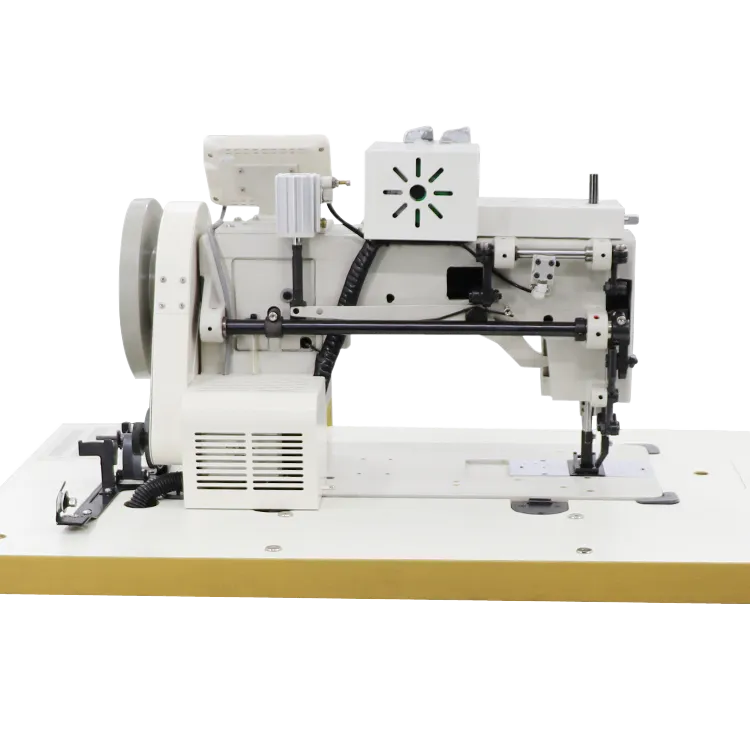
The Longsew LS266-CP in action, demonstrating its precision capabilities.
Product Specification Table: LS266-CP Series
Technical Advantages of LS266-CP
- High Precision Stitching: Advanced stepping motor control for X-Y movement ensures exact stitch placement, critical for complex sewing machine embroidery designs and reinforced seams.
- Versatile Material Handling: Robust feeding mechanism and high-lift presser foot accommodate multi-layered, thick, and difficult materials without slippage or damage.
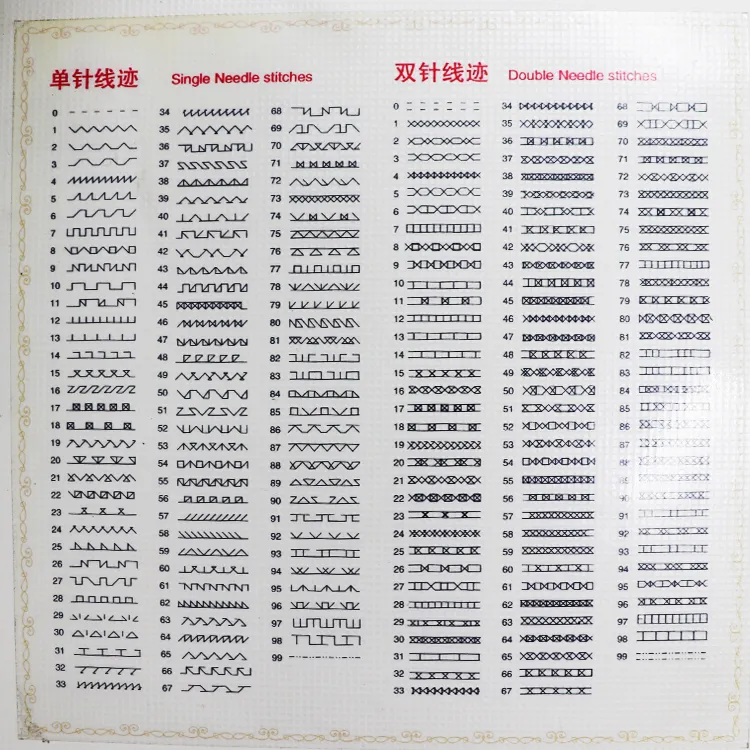
- Programmable Pattern Capabilities: The integrated industrial PC with user-friendly touch screen allows for easy creation, editing, and storage of intricate sewing patterns, making it a true pattern sewing machine for sale solution. This enables rapid prototyping and consistent production quality.
- Energy Efficiency: Direct-drive servo motor technology reduces power consumption by up to 35% compared to clutch motors, leading to significant operational cost savings over the machine's extended service life.
- Durability and Low Maintenance: Engineered with fewer moving parts and premium components, the LS266-CP offers enhanced reliability and reduced maintenance intervals, maximizing uptime.
Application Scenarios and Target Industries
The robust design and computerized precision of a heavy duty industrial sewing machine like the LS266-CP make it indispensable across various high-stakes industries:
Automotive Industry
For stitching thick automotive upholstery, airbags, seatbelts, and interior trim components. The LS266-CP's ability to create consistent, high-strength seams is critical for safety and aesthetic quality in vehicle manufacturing.
Outdoor & Sports Equipment
Manufacturing tents, backpacks, climbing gear, sports netting, and protective covers. The machine's capacity to handle waterproof and heavy-duty synthetic fabrics ensures durability in extreme conditions.
Furniture & Upholstery
Producing high-quality sofas, chairs, and mattresses with thick fabrics, leather, and multiple layers of padding. Precision patterns for intricate designs are easily achieved.
Technical Textiles & Protective Gear
Fabricating safety harnesses, industrial slings, filtration media, and ballistic vests. These applications demand extreme stitch strength and reliability, which a heavy duty sewing machine provides.
Marine & Aviation
Manufacturing sails, boat covers, aircraft interiors, and specialized cargo nets where materials are exposed to harsh environmental conditions. The corrosion resistance of components in the LS266-CP is a significant advantage.

Complex sewing machine embroidery designs and robust pattern stitching enabled by the LS266-CP.
Vendor Comparison: Evaluating Industrial Sewing Machine Manufacturers
When sourcing a heavy duty industrial sewing machine, businesses must carefully evaluate vendors based on critical factors beyond just price. Key differentiators include technological innovation, manufacturing quality, after-sales support, and customization capabilities.
Key Evaluation Criteria for Industrial Sewing Machine Vendors
- Technological Advancement: Does the vendor offer auto heavy duty sewing machine or cnc pattern sewing machine capabilities? What is the sophistication of their control systems and software?
- Build Quality & Durability: What materials are used? What are their manufacturing processes and quality control standards (e.g., ISO certifications)?
- Application Specificity: Can the machines be tailored for specific materials or production requirements? Does the vendor offer specialized models for diverse industries?
- After-Sales Support: Availability of spare parts, technical support, training, and maintenance services. This is crucial for minimizing downtime.
- Warranty & Service Life: A clear warranty policy and demonstrated long service life of their products.
- Customization & Integration: Ability to provide customized solutions, jigs, and fixtures, and integrate with existing production lines.
Comparison Table: Leading Industrial Sewing Machine Options
The Longsew LS266-CP positions itself as a strong contender, offering a balance of advanced features, robust build, and competitive performance, particularly appealing for businesses seeking reliable heavy duty industrial sewing machines for sale without the premium price tag of some high-end competitors, while still delivering significant technological advantages.
Customized Solutions and Case Studies
Recognizing that every industrial application has unique demands, manufacturers of heavy duty industrial sewing machine solutions often provide extensive customization. This includes custom jigs, software modifications, and specialized feeding systems to integrate seamlessly into existing production lines or handle unusual materials.
Application Case Study: Automotive Airbag Production
- Client: A Tier-1 automotive safety system manufacturer.
- Challenge: Producing airbags requires extremely precise and high-strength stitching on multi-layered, low-friction fabrics (e.g., coated nylon), with zero defects. Manual processes were slow and prone to inconsistency.
- Solution: Implemented a fleet of Longsew LS266-CP computerized pattern sewing machines, customized with specialized clamps and vacuum feeding systems to ensure material stability. The machines' programmable capabilities were utilized to stitch complex pattern sequences for airbag inflation zones and attachment points, adhering to strict ISO/TS 16949 automotive standards.
- Results:
- Productivity Increase: 40% reduction in cycle time per unit due to automated pattern stitching.
- Quality Improvement: Near-zero defect rate (0.005% compared to 0.5% with previous methods), critical for safety components.
- Material Savings: Optimized pattern nesting led to a 7% reduction in material waste.
- Operational Cost Reduction: Energy savings from servo motors and reduced rework contributed to a 20% cost efficiency gain.
Application Case Study: High-Performance Filtration Media
- Client: A manufacturer of industrial filtration systems for the petrochemical industry.
- Challenge: Fabricating large-scale filter bags and meshes from multi-layered non-woven and composite materials, often impregnated with resins. The materials were stiff, abrasive, and required extremely durable, leak-proof seams to withstand high-pressure filtration environments.
- Solution: Deployed the LS266-CP-D (Double Needle) model, configured with extra-heavy-duty upper and lower feed mechanisms and specialized, carbide-tipped needles for abrasive materials. Custom-designed throat plates and presser feet were developed to ensure consistent material feeding without distortion. The cnc pattern sewing machine capabilities were used for automated multi-row stitching patterns to enhance seam integrity and burst strength.
- Results:
- Seam Strength: Achieved a 25% improvement in seam burst strength, exceeding industry standards for filtration media.
- Production Speed: Doubled production throughput compared to previous single-needle semi-automatic machines.
- Material Handling: Successfully processed materials up to 12mm thick with consistent stitch quality, a previous bottleneck.
- Reduced Wear & Tear: Despite abrasive materials, the robust construction and specialized tooling of the heavy duty industrial sewing machine significantly extended component life.
Trustworthiness and Support: Guaranteeing Your Investment
Investing in a heavy duty industrial sewing machine is a significant capital expenditure. Trustworthiness is built on transparent policies, reliable support, and proven commitment to customer success.
Dedicated technical support team ready to assist with heavy duty industrial sewing machine operations.
Frequently Asked Questions (FAQ)
Q: What is the typical lead time for an LS266-CP pattern sewing machine for sale?
A: Standard configurations of the LS266-CP typically have a lead time of 4-6 weeks from order confirmation. Customized solutions may extend to 8-12 weeks, depending on the complexity of modifications.
Q: What warranty is provided with the heavy duty industrial sewing machine?
A: All Longsew industrial sewing machines, including the LS266-CP, come with a standard 12-month limited warranty covering manufacturing defects and major components. Extended warranty options are available upon request.
Q: How comprehensive is the after-sales support?
A: We offer global after-sales support, including remote diagnostics, online technical assistance (24/7), and on-site service by certified technicians where available. Spare parts are stocked at regional distribution centers for rapid dispatch.
Q: Can the LS266-CP handle various thread types?
A: Yes, the LS266-CP is designed to accommodate a wide range of industrial threads, from standard polyester to specialized high-tensile nylons, aramid, and bonded synthetic threads, with appropriate needle and tension adjustments. Thread sizes typically range from #20 to #277.
Lead Time and Fulfillment
Longsew maintains a streamlined production and logistics process to ensure efficient fulfillment. Our state-of-the-art manufacturing facility, certified under ISO 9001:2015, allows for optimized lead times. We work closely with clients to coordinate shipping and installation, providing comprehensive documentation and pre-installation guides.
Warranty and Customer Support
Our commitment extends beyond the sale. Longsew's robust warranty program underscores confidence in the durability and performance of our heavy duty industrial sewing machines for sale. Dedicated customer support teams and a global network of service partners are available to provide technical assistance, preventative maintenance, and rapid spare part delivery, ensuring minimal disruption to your operations. Training programs are also available for your operators and maintenance staff to maximize machine efficiency and longevity.
Conclusion: The Future of Industrial Stitching
The modern heavy duty industrial sewing machine represents a pinnacle of engineering, marrying robust mechanical design with advanced computerized control. Solutions like the Longsew LS266-CP exemplify the industry's progression towards greater automation, precision, and efficiency, addressing the complex requirements of diverse manufacturing sectors. By understanding the intricate manufacturing processes, leveraging detailed technical specifications, and partnering with reputable vendors offering strong support, businesses can make informed decisions that drive productivity, enhance product quality, and secure a competitive edge in today's demanding global market. The investment in such sophisticated machinery is an investment in the future of high-performance textile manufacturing.
References
- International Organization for Standardization. (2015). ISO 9001:2015 - Quality management systems - Requirements.
- American National Standards Institute / American Society of Mechanical Engineers. (Various). Standards for Mechanical Engineering.
- European Committee for Standardization. (Various). CE Marking Directives for Machinery Safety.
- Textile World Magazine. (2023). "Innovations in Technical Textiles and Automated Sewing." [Journal/Trade Publication Article]
- Journal of Manufacturing Systems. (2022). "Impact of Industry 4.0 on Textile and Apparel Manufacturing." [Academic Journal Article]
Dernières nouvelles
-
Industrial Bag Sewing Machine Price and Comprehensive Buying GuideNouvellesApr.16,2026
-
Industrial Hand Held Bag Closer for Efficient Packaging SealingNouvellesApr.16,2026
-
Industrial Hand Held Bag Closer Sewing Machine for PackagingNouvellesApr.16,2026
-
Efficient Industrial Bag Closer Sewing Machine for PackagingNouvellesApr.16,2026
-
Industrial Sewing Guide for Choosing the Right Closer MachineNouvellesApr.16,2026
-
Guide to Capital Bag Closer Machine Price and Buying FactorsNouvellesApr.16,2026
-
Say goodbye to inefficient cutting! This heavy-duty webbing hot cutting machine redefines the new standard for industrial cuttingNouvellesApr.14,2026

Hebei LongSew Machinery Technology Co. Ltd débute en tant que fournisseur de pièces de machines à coudre. Longsew a maintenant plus de vingt ans d'expérience dans l'offre d'ensembles complets de machines à coudre.


INFORMATION
CLASSIFICATION
CONTACTEZ-NOUS
-

No.368 rue North Youyi, ville de Shijiazhuang, province du Hebei, Chine
-

-

Copyright © 2026 HEBEI LONGSEW MACHINERY TECHNOLOGY CO. LTD All Rights Reserved. Sitemap | Privacy Policy