

Mar . 26, 2026 01:55
Back to list
What to Look for in an Overlocker A Comprehensive Buyers Guide
What to Look for in an Overlocker
Choosing the right overlocker, also known as a serger, can dramatically improve the quality and efficiency of your sewing projects. An overlocker neatly finishes fabric edges, preventing fraying and adding a professional touch. But with so many options available, understanding what to look for in an overlocker is crucial. This guide will walk you through the key features to consider, helping you select the perfect machine for your needs. From stitch types to ease of use, we’ll cover everything you need to know to make an informed decision. Investing in a quality overlocker can elevate your sewing from a hobby to a professional skill.
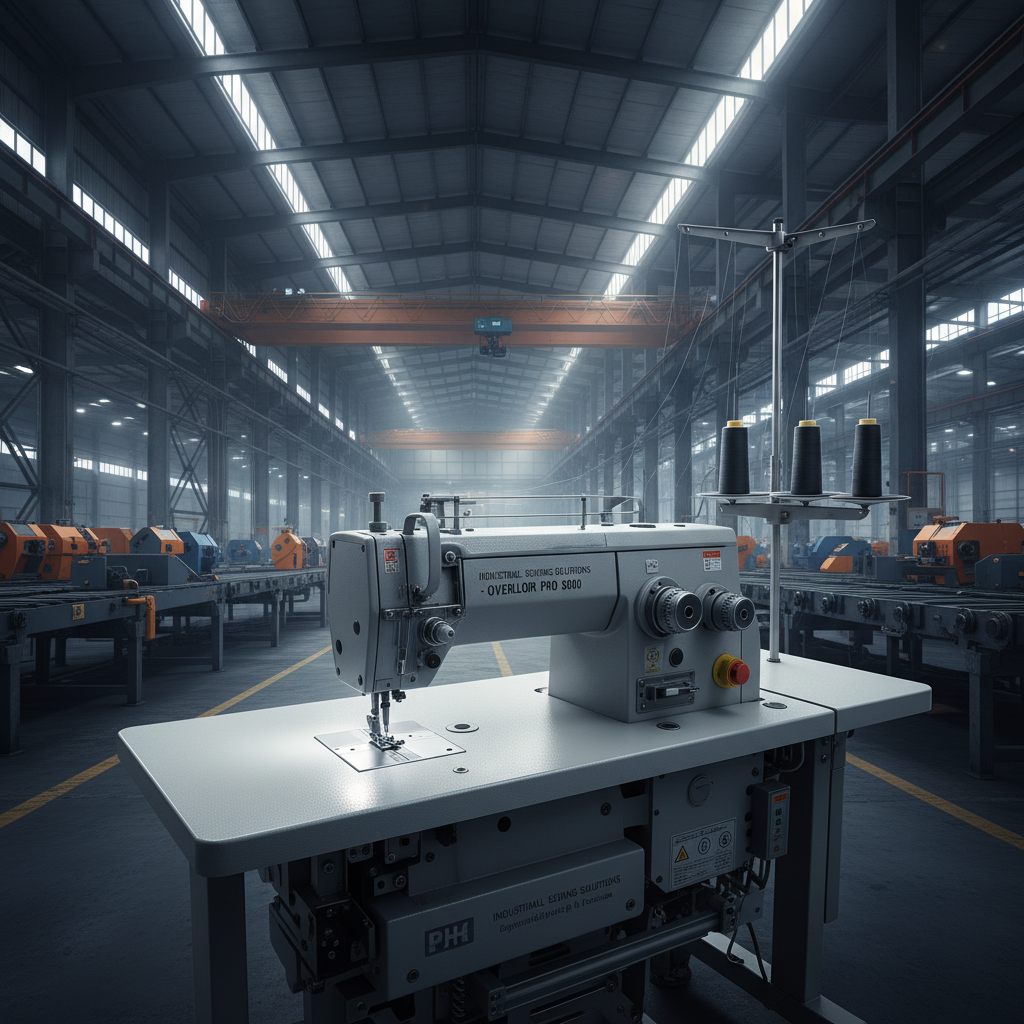
Understanding Different Types of Overlockers
Overlockers come in several configurations, each suited to different sewing needs. The most common types are 3-thread, 4-thread, and 5-thread overlockers. 3-thread overlockers are ideal for light to medium-weight fabrics and creating a rolled hem. 4-thread overlockers are versatile and can handle a wider range of fabrics, offering a more secure seam. 5-thread overlockers provide the most secure and durable seams, often used for heavier fabrics and professional applications. Beyond these, you'll find coverstitch machines which are frequently confused with overlockers, but perform a distinctly different function – creating professional hems and decorative stitching. Considering the types of projects you'll undertake will guide your choice.
Key Takeaway: Choose an overlocker type based on the fabrics you frequently work with and the types of seams you need to create. A 4-thread model provides the best all-around versatility for most home sewers.
Essential Features to Consider in an Overlocker
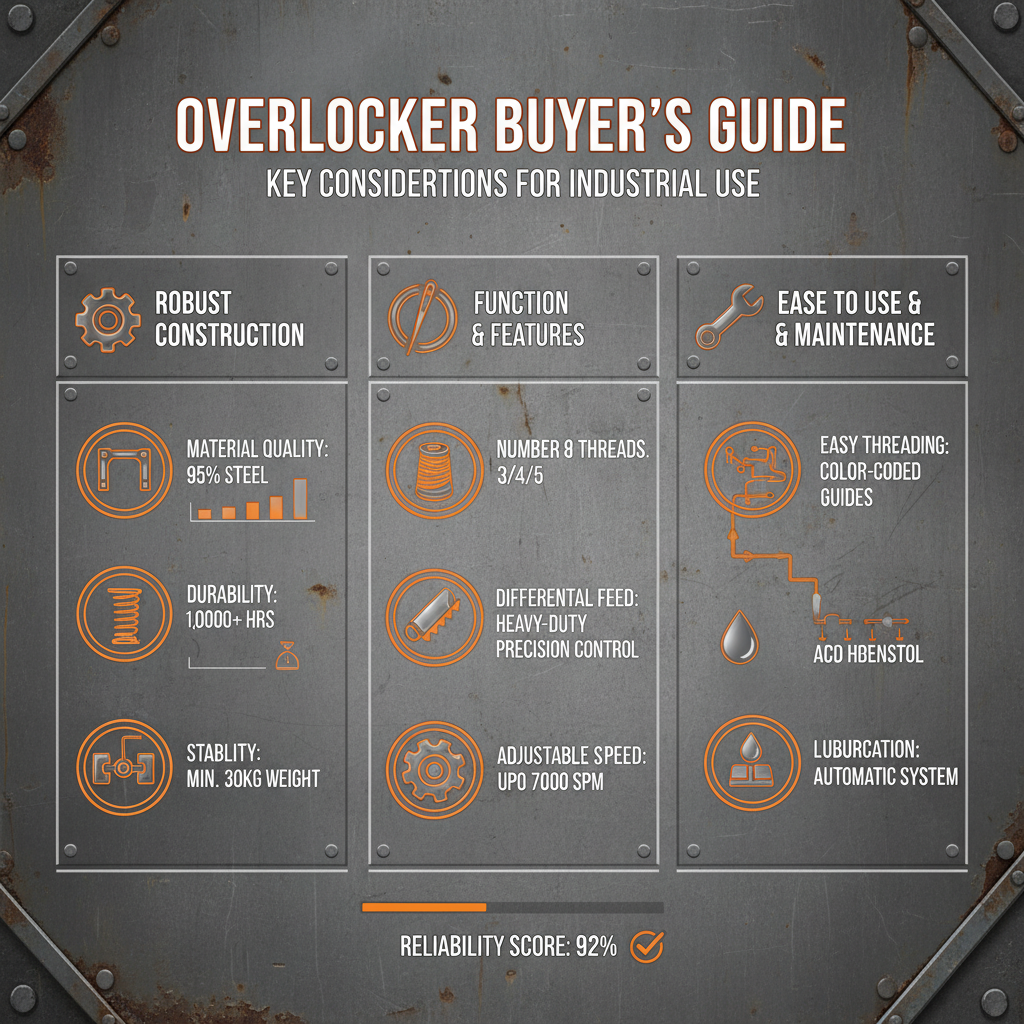
Several features contribute to an overlocker’s usability and performance. Differential feed is a critical feature, allowing you to control fabric stretch and prevent puckering, especially with knit fabrics. Adjustable stitch length and width provide versatility for different fabrics and seam finishes. An automatic threader simplifies the threading process, saving time and frustration. Built-in rolled hem capability is essential for creating delicate hems on lightweight fabrics. Finally, consider the machine’s ease of maintenance, including access to the loopers for cleaning and oiling. Longsew offers a range of overlockers with these essential features.
What Stitch Types Do You Need?
Different fabrics and projects require different stitch types. A basic overlocker should offer at least a standard overlock stitch for finishing edges, a rolled hem for lightweight fabrics, and a flatlock stitch for decorative seams. More advanced models may include coverstitch options for professional-looking hems and decorative stitching. Consider whether you’ll be working primarily with knit fabrics, woven fabrics, or both, and choose a machine that offers the appropriate stitch options. The ability to easily switch between stitch types is also a significant convenience.
Common Overlocker Stitch Types:
• Standard Overlock Stitch: For finishing raw edges.
• Rolled Hem: For lightweight fabrics and delicate finishes.
• Flatlock Stitch: For creating decorative seams.
• Coverstitch: For professional-looking hems and decorative stitching.
Comparing Overlocker Brands and Models: A Quick Guide
Several reputable brands offer high-quality overlockers. Juki, Janome, and Brother are well-known for their reliability and performance. Longsew provides a curated selection of overlockers known for their durability and features. When comparing models, consider your budget, the types of fabrics you’ll be working with, and the features that are most important to you. Reading reviews and comparing specifications can help you narrow down your choices.
Ease of Use and Maintenance
An overlocker can seem intimidating at first, but features like automatic threaders and clear threading guides can significantly simplify the process. Regular cleaning and oiling are essential to maintain the machine’s performance. Look for models with easy access to the loopers for cleaning. Investing a little time in maintenance will extend the life of your overlocker and ensure consistently high-quality results. Longsew provides detailed manuals and support to help you get the most out of your machine.
Conclusion: Finding the Perfect Overlocker for You
Ultimately, choosing the right overlocker depends on your individual needs and sewing projects. By carefully considering the factors outlined in this guide – type, features, stitch options, brand, and ease of use – you can find a machine that will enhance your sewing experience and deliver professional-quality results. Don’t hesitate to research, read reviews, and compare models to make an informed decision.
Frequently Asked Questions (FAQs)
What is the difference between an overlocker and a sewing machine?
While both machines use thread to join fabrics, they serve different purposes. A sewing machine primarily creates seams, while an overlocker (serger) finishes raw edges to prevent fraying and creates a professional, clean look. Overlockers simultaneously cut, seam, and overlock the fabric edge, making them much faster and more efficient for edge finishing than traditional sewing methods. An overlocker can also create decorative seams that a standard sewing machine cannot. Essentially, a sewing machine constructs while an overlocker finishes.
How often should I oil my overlocker?
The frequency of oiling depends on how often you use your overlocker. As a general rule, oil it after every 8 hours of use. Always refer to your machine's manual for specific recommendations, as different models may require different oiling schedules. Using the correct type of oil is also crucial – a specialized sewing machine oil is recommended to ensure proper lubrication and prevent damage. Regular oiling extends the life of your overlocker and ensures smooth operation.
Can an overlocker be used on all types of fabrics?
While overlockers are versatile, some fabrics require special attention. Lightweight and delicate fabrics may require adjustments to stitch length and width to prevent puckering. Thicker fabrics may require a more powerful motor and heavier-duty needles. Knit fabrics benefit from the differential feed feature to prevent stretching. It’s always a good idea to test the machine on a scrap of fabric before starting your project. Selecting the correct needles and thread for the fabric type is also essential.
What is differential feed and why is it important?
Differential feed is a key feature of overlockers that allows you to adjust the rate at which the front and rear feed dogs move the fabric. This is particularly important when working with knit fabrics, which tend to stretch. By adjusting the differential feed, you can prevent the fabric from stretching or puckering during the overlocking process. A higher differential feed setting can stretch the fabric, while a lower setting can gather it. It’s a crucial tool for achieving professional-looking seams on knit fabrics.
Previous:
Latest news
-
Industrial Bag Sewing Machine Price and Comprehensive Buying GuideNewsApr.16,2026
-
Industrial Hand Held Bag Closer for Efficient Packaging SealingNewsApr.16,2026
-
Industrial Hand Held Bag Closer Sewing Machine for PackagingNewsApr.16,2026
-
Efficient Industrial Bag Closer Sewing Machine for PackagingNewsApr.16,2026
-
Industrial Sewing Guide for Choosing the Right Closer MachineNewsApr.16,2026
-
Guide to Capital Bag Closer Machine Price and Buying FactorsNewsApr.16,2026
-
Say goodbye to inefficient cutting! This heavy-duty webbing hot cutting machine redefines the new standard for industrial cuttingNewsApr.14,2026

Hebei LongSew Machinery Technology Co. Ltd is beginning as sewing machine parts supplier, now Longsew have over twenty years experience in complete set sewing machine offering.


CLASSIFICATION
CONTACT US
-

No.368 North Youyi Street, Shijiazhuang City, Hebei Province, China
-

-

Copyright © 2026 HEBEI LONGSEW MACHINERY TECHNOLOGY CO. LTD All Rights Reserved. Sitemap | Privacy Policy | Top Blog | Global Service