

Feb . 26, 2026 02:05
Back to list
Unlock Sewing Versatility with a Zig Zag Foot Sewing Machine Guide
Understanding the Versatility of a Zig Zag Foot Sewing Machine
A zig zag foot sewing machine is an indispensable tool for both beginner and experienced sewers, offering unparalleled versatility beyond basic straight stitching. From creating decorative finishes to expertly handling stretch fabrics, this machine unlocks a world of creative possibilities. This article dives deep into the functionalities, benefits, and applications of zig zag foot sewing machines, exploring how they can elevate your sewing projects. We will also compare different types and provide guidance on choosing the right machine for your needs.
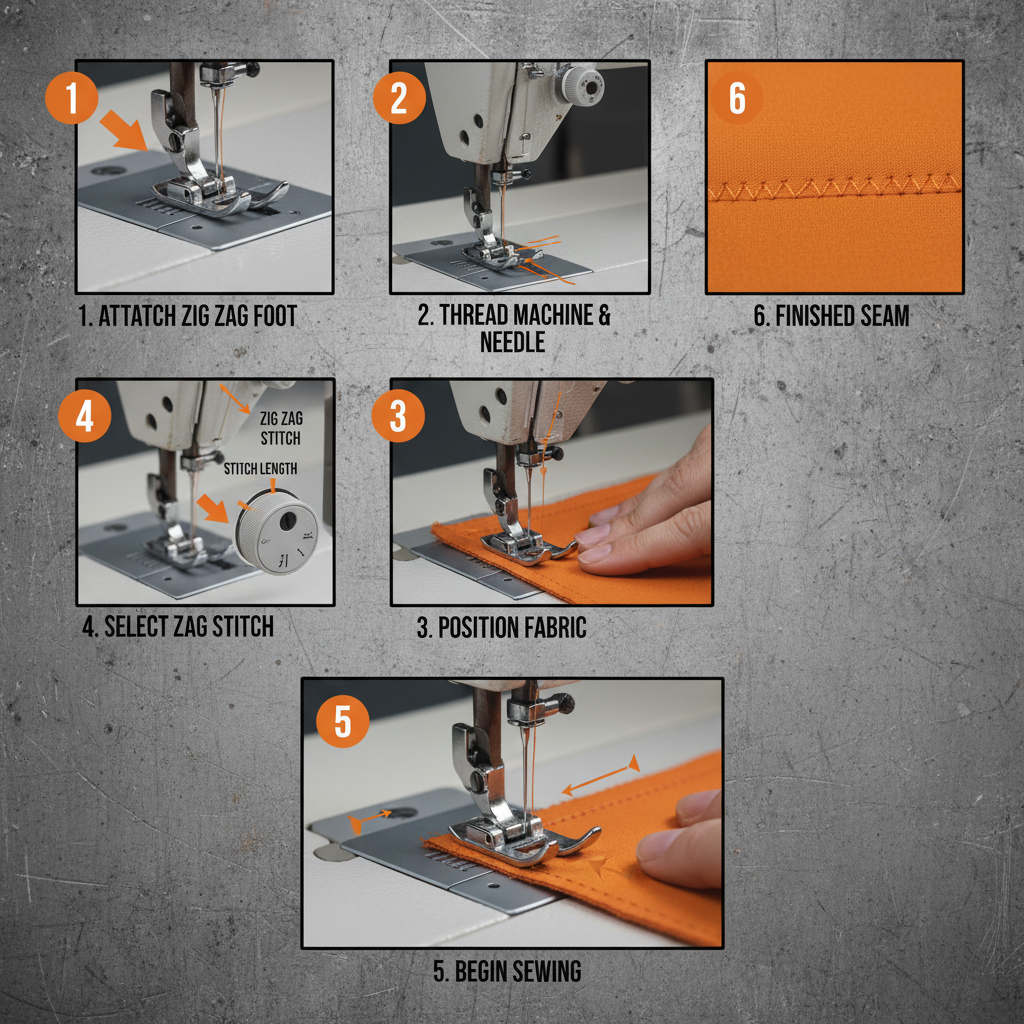
What is a Zig Zag Foot Sewing Machine?
At its core, a zig zag foot sewing machine is a sewing machine capable of producing a zig-zag stitch. This stitch, characterized by its back-and-forth motion, differs from the straight stitch of a traditional machine. The zig zag stitch provides elasticity, making it perfect for sewing knits, stretch fabrics, and creating decorative embellishments. These machines aren’t just limited to the zig zag stitch; many offer a range of stitch options, including straight stitch, buttonhole stitch, and various decorative patterns. Choosing the right machine from Longsew ensures quality and durability.
Key Highlight: The zig zag stitch provides elasticity, making it perfect for sewing knits, stretch fabrics, and creating decorative embellishments.
The Advantages of Using a Zig Zag Foot Sewing Machine
The benefits of incorporating a zig zag foot sewing machine into your sewing arsenal are numerous. Firstly, it excels at sewing stretch fabrics like spandex and jersey, preventing skipped stitches and ensuring a comfortable fit. Secondly, the zig zag stitch reinforces edges, preventing fraying without the need for additional finishing techniques. Thirdly, it’s perfect for creating decorative stitching, adding a unique touch to garments and home décor projects. Beyond these, they allow for creative appliqué work and can even be used for basic darning and mending.
Benefits at a Glance:
• Excellent for stretch fabrics
• Reinforces edges to prevent fraying
• Enables decorative stitching
• Versatile for appliqué and mending
Zig Zag Foot Sewing Machine vs. Straight Stitch Machine: A Detailed Comparison
While a straight stitch machine is a foundational tool, a zig zag foot sewing machine offers capabilities it simply can't match. Straight stitch machines are ideal for woven fabrics, but struggle with the elasticity of knits. Zig zag stitches allow the fabric to stretch without breaking the stitch line. Furthermore, a zig zag machine offers a wider range of creative options. The following table summarizes the key differences:
Choosing the Right Zig Zag Foot Sewing Machine
Selecting the perfect zig zag foot sewing machine depends on your sewing experience and project needs. Beginners might opt for a basic mechanical machine with essential stitch options. More advanced users may prefer a computerized machine with a wider range of stitch patterns and automated features. Consider factors such as the machine’s weight, ease of use, stitch length and width adjustments, and the availability of accessories. Longsew offers a comprehensive catalog of machines to suit every skill level.
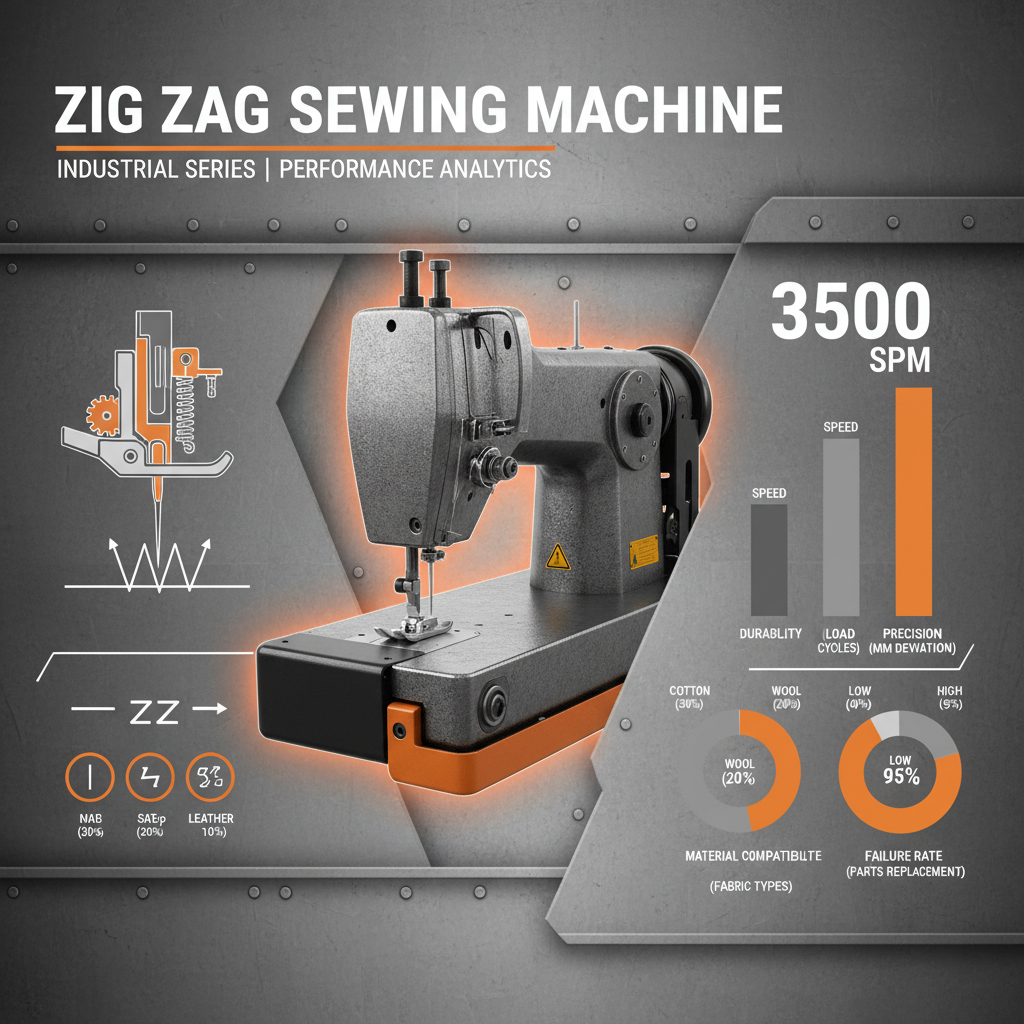
Applications of the Zig Zag Foot Sewing Machine
The applications of a zig zag foot sewing machine are vast. They are ideal for garment construction, particularly when working with knit fabrics like t-shirts, leggings, and dresses. They’re also perfect for creating decorative edges on napkins, pillowcases, and other home décor items. For quilters, the zig zag stitch is invaluable for binding and appliqué projects. Furthermore, they’re incredibly useful for mending tears and holes in clothing, providing a durable and discreet repair.
Conclusion: Unleash Your Creativity with a Zig Zag Foot Sewing Machine
Investing in a zig zag foot sewing machine is a game-changer for any sewing enthusiast. Its versatility, combined with its ability to handle a wide range of fabrics and projects, makes it an essential addition to your sewing room. Whether you're a beginner or a seasoned pro, this machine will unlock a world of creative possibilities and help you bring your sewing visions to life.
Frequently Asked Questions (FAQs)
What is the difference between a zig zag stitch and a stretch stitch?
While both are used for stretch fabrics, a zig zag stitch is a wider, more general-purpose stitch. A stretch stitch, often resembling a triple zig zag or lightning bolt, is specifically designed for highly elastic fabrics. It provides even greater stretch recovery and is less likely to break when the fabric is stretched. For lighter knit fabrics, a standard zig zag may suffice, but for very stretchy materials like swimwear fabric, a stretch stitch is recommended.
Can I use a zig zag foot sewing machine for quilting?
Yes, absolutely! A zig zag foot sewing machine is very useful for quilting. The zig zag stitch can be used for quilting stitches, particularly for free-motion quilting. It's also excellent for appliquéing quilt blocks and creating decorative edges on quilts. Many quilters use a zig zag machine in conjunction with a specialized quilting foot for more precise results.
How do I adjust the stitch length and width on a zig zag machine?
Most zig zag foot sewing machines have dials or buttons to adjust stitch length and width. The stitch length determines how long each stitch is, while the stitch width controls how wide the zig zag is. Experiment with different settings to achieve the desired look and strength for your project. Generally, a shorter stitch length provides more security, while a wider stitch width creates a more noticeable zig zag pattern. Refer to your machine’s manual for specific instructions.
What kind of maintenance does a zig zag foot sewing machine require?
Regular maintenance is crucial for keeping your zig zag foot sewing machine running smoothly. This includes cleaning out lint from the bobbin area and feed dogs after each use. Oil the machine regularly according to the manufacturer’s instructions. Periodically check and replace the needle. A well-maintained machine will provide years of reliable service.
Latest news
-
Industrial Bag Sewing Machine Price and Comprehensive Buying GuideNewsApr.16,2026
-
Industrial Hand Held Bag Closer for Efficient Packaging SealingNewsApr.16,2026
-
Industrial Hand Held Bag Closer Sewing Machine for PackagingNewsApr.16,2026
-
Efficient Industrial Bag Closer Sewing Machine for PackagingNewsApr.16,2026
-
Industrial Sewing Guide for Choosing the Right Closer MachineNewsApr.16,2026
-
Guide to Capital Bag Closer Machine Price and Buying FactorsNewsApr.16,2026
-
Say goodbye to inefficient cutting! This heavy-duty webbing hot cutting machine redefines the new standard for industrial cuttingNewsApr.14,2026

Hebei LongSew Machinery Technology Co. Ltd is beginning as sewing machine parts supplier, now Longsew have over twenty years experience in complete set sewing machine offering.


CLASSIFICATION
CONTACT US
-

No.368 North Youyi Street, Shijiazhuang City, Hebei Province, China
-

-

Copyright © 2026 HEBEI LONGSEW MACHINERY TECHNOLOGY CO. LTD All Rights Reserved. Sitemap | Privacy Policy | Top Blog | Global Service