

Feb . 26, 2026 02:05
Back to list
Comprehensive Guide to Choosing the Right Zig Zag Foot for Sewing Machine
Choosing the Right Zig Zag Foot for Sewing Machine: A Comprehensive Guide
Selecting the appropriate zig zag foot for your sewing machine can significantly enhance your sewing projects, offering versatility and precision. This guide delves into the types of zig zag feet available, their applications, and how to choose the best option for your needs. Whether you're a beginner or an experienced seamster, understanding the nuances of these feet will unlock a new level of creativity and efficiency in your work. From basic zig zag stitches to decorative applications, the right foot makes all the difference.
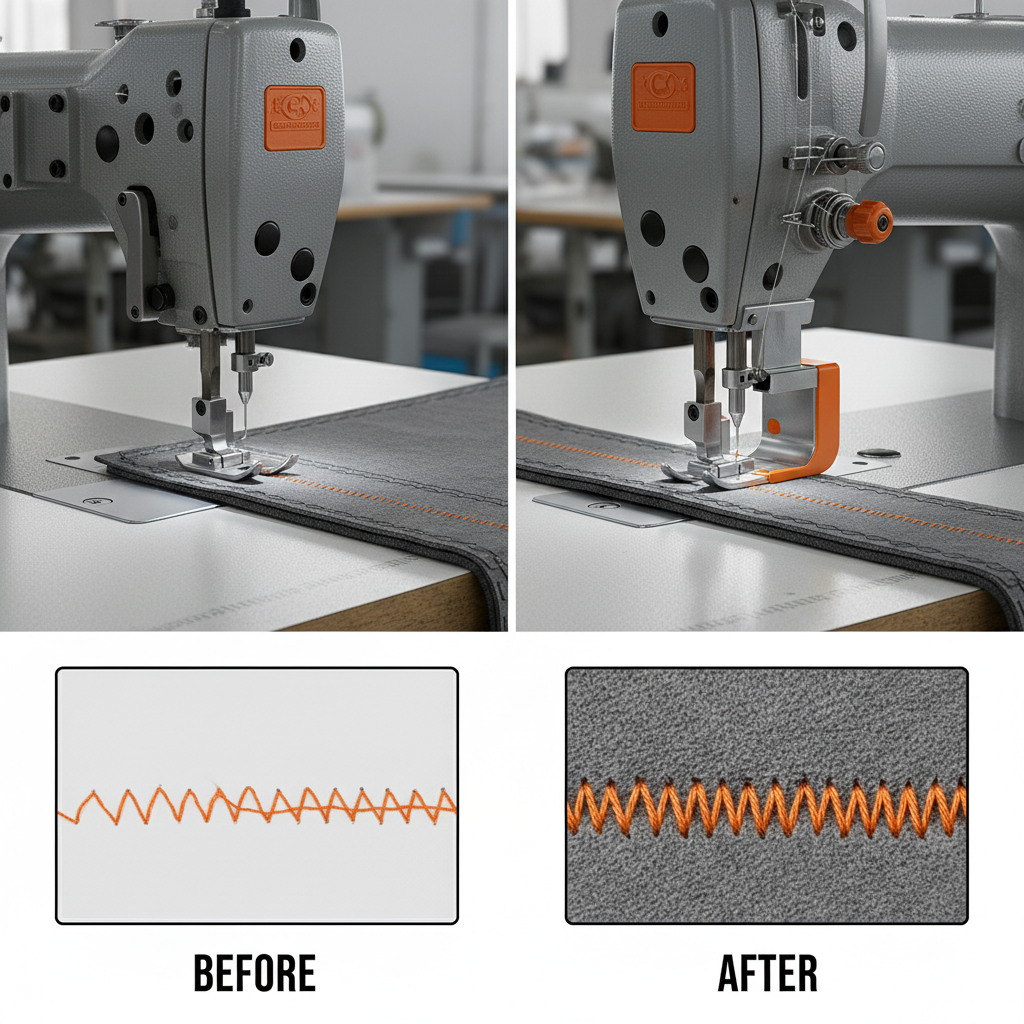
Understanding the Different Types of Zig Zag Feet
Zig zag feet aren't one-size-fits-all. Different designs cater to specific sewing tasks. The standard zig zag foot is a versatile option for basic zig zag stitches, buttonholes, and decorative stitching. However, specialized feet like the open-toe zig zag foot provide better visibility for intricate designs, while the invisible zip foot simplifies the process of inserting zippers. Understanding these variations is key to achieving optimal results. A universal zig zag foot is also a practical choice for many machines.
Key Takeaway: Different zig zag foot types cater to specific sewing tasks, from basic stitches to specialized applications like zipper insertion and decorative work.
Applications of a Zig Zag Foot
The applications of a zig zag foot are extensive. Beyond standard zig zag stitches, it's crucial for creating buttonholes, applying decorative stitches, and attaching stretch fabrics. The zig zag stitch allows the fabric to stretch without breaking the thread, making it ideal for knitwear and elasticated materials. It's also indispensable for overcasting raw edges to prevent fraying. Furthermore, specialized zig zag feet can significantly simplify complex techniques like free-motion embroidery and darning.
Key Applications:
• Creating buttonholes
• Attaching stretch fabrics
• Overcasting raw edges
• Decorative stitching
Comparing Popular Zig Zag Foot Types
Choosing the right zig zag foot requires understanding the distinctions between the various types. The following table outlines the key differences:
Factors to Consider When Choosing a Zig Zag Foot
Several factors should influence your decision. Firstly, consider the type of projects you frequently undertake. If you primarily work with stretch fabrics, a zig zag foot specifically designed for knits is essential. Secondly, ensure compatibility with your sewing machine model – check your machine's manual for recommended foot types. Finally, the quality of the foot matters; investing in a durable, well-crafted foot from a reputable brand like Longsew will ensure longevity and optimal performance.
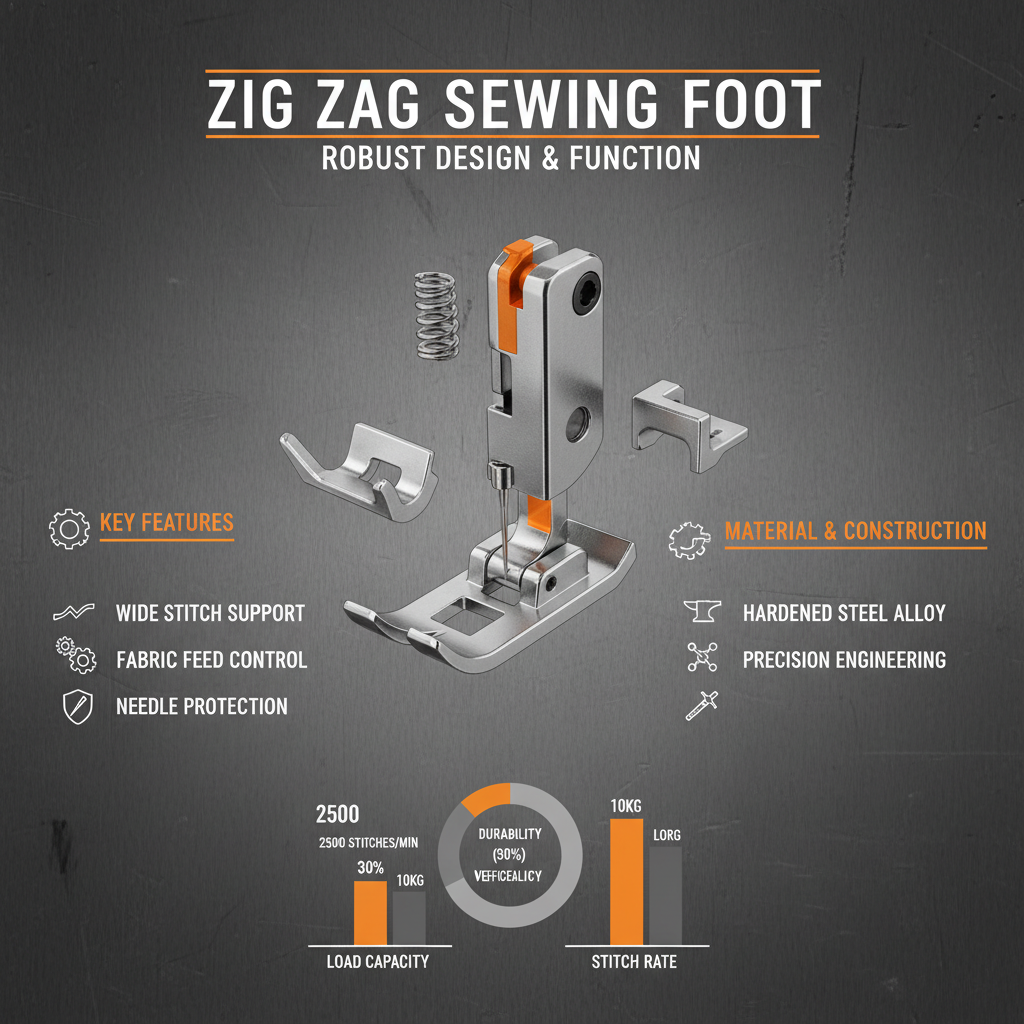
Where to Buy High-Quality Zig Zag Feet
For a wide selection of high-quality zig zag feet and other sewing machine accessories, visit Longsew's website. We offer a comprehensive range of feet compatible with various sewing machine brands, ensuring you find the perfect fit for your needs. Our commitment to quality and customer satisfaction makes us a trusted partner for all your sewing endeavors.
Conclusion: Unlock Your Sewing Potential with the Right Zig Zag Foot
Choosing the right zig zag foot is an investment in your sewing skills and project outcomes. By understanding the different types available and their specific applications, you can enhance precision, versatility, and overall enjoyment of your craft. Explore the options at Longsew to find the perfect foot for your sewing machine and unlock your creative potential.
Frequently Asked Questions (FAQs)
Will any zig zag foot fit my sewing machine?
Not necessarily. While many zig zag feet are designed with universal shanks, it's crucial to verify compatibility with your sewing machine model. Different brands and models may use different shank types. Consult your sewing machine's manual or the foot's product description to confirm compatibility. Longsew provides detailed compatibility information for all our feet.
How do I install a zig zag foot on my sewing machine?
Installation typically involves loosening the screw on the presser foot holder, removing the existing foot, and then snapping the new zig zag foot into place. Secure the foot by tightening the screw. Refer to your sewing machine's manual for specific instructions as the process may vary slightly depending on the model. Ensure the foot is securely attached before starting to sew.
What's the difference between a standard and open-toe zig zag foot?
The primary difference is visibility. The open-toe design provides a wider viewing area, allowing you to see the stitching path more clearly. This is particularly useful for intricate decorative stitching, free-motion embroidery, and navigating curves. The standard foot offers more coverage but may slightly obstruct your view.
How often should I replace my zig zag foot?
The frequency of replacement depends on usage. If you sew frequently, the foot may wear down over time. Inspect the foot regularly for signs of damage, such as cracks, bends, or dull edges. A damaged foot can affect stitch quality and potentially damage your fabric. Generally, a well-maintained zig zag foot should last for several years.
Latest news
-
Industrial Bag Sewing Machine Price and Comprehensive Buying GuideNewsApr.16,2026
-
Industrial Hand Held Bag Closer for Efficient Packaging SealingNewsApr.16,2026
-
Industrial Hand Held Bag Closer Sewing Machine for PackagingNewsApr.16,2026
-
Efficient Industrial Bag Closer Sewing Machine for PackagingNewsApr.16,2026
-
Industrial Sewing Guide for Choosing the Right Closer MachineNewsApr.16,2026
-
Guide to Capital Bag Closer Machine Price and Buying FactorsNewsApr.16,2026
-
Say goodbye to inefficient cutting! This heavy-duty webbing hot cutting machine redefines the new standard for industrial cuttingNewsApr.14,2026

Hebei LongSew Machinery Technology Co. Ltd is beginning as sewing machine parts supplier, now Longsew have over twenty years experience in complete set sewing machine offering.


CLASSIFICATION
CONTACT US
-

No.368 North Youyi Street, Shijiazhuang City, Hebei Province, China
-

-

Copyright © 2026 HEBEI LONGSEW MACHINERY TECHNOLOGY CO. LTD All Rights Reserved. Sitemap | Privacy Policy | Top Blog | Global Service