

Feb . 26, 2026 02:05
Back to list
Mastering the Art of the Zig Zag Hem Stitch for Durable Fabrics
Mastering the Zig Zag Hem Stitch: A Comprehensive Guide
The zig zag hem stitch is a versatile technique used in sewing to create a neat and durable finish on fabric edges. It’s particularly popular for knits, preventing fraying and offering a degree of stretch. Whether you're a beginner or a seasoned seamstress, understanding the nuances of this stitch is crucial for achieving professional-looking results. This article will explore the intricacies of the zig zag hem stitch, from its applications to troubleshooting common problems. Longsew provides high-quality sewing machines to help you perfect this and other techniques.
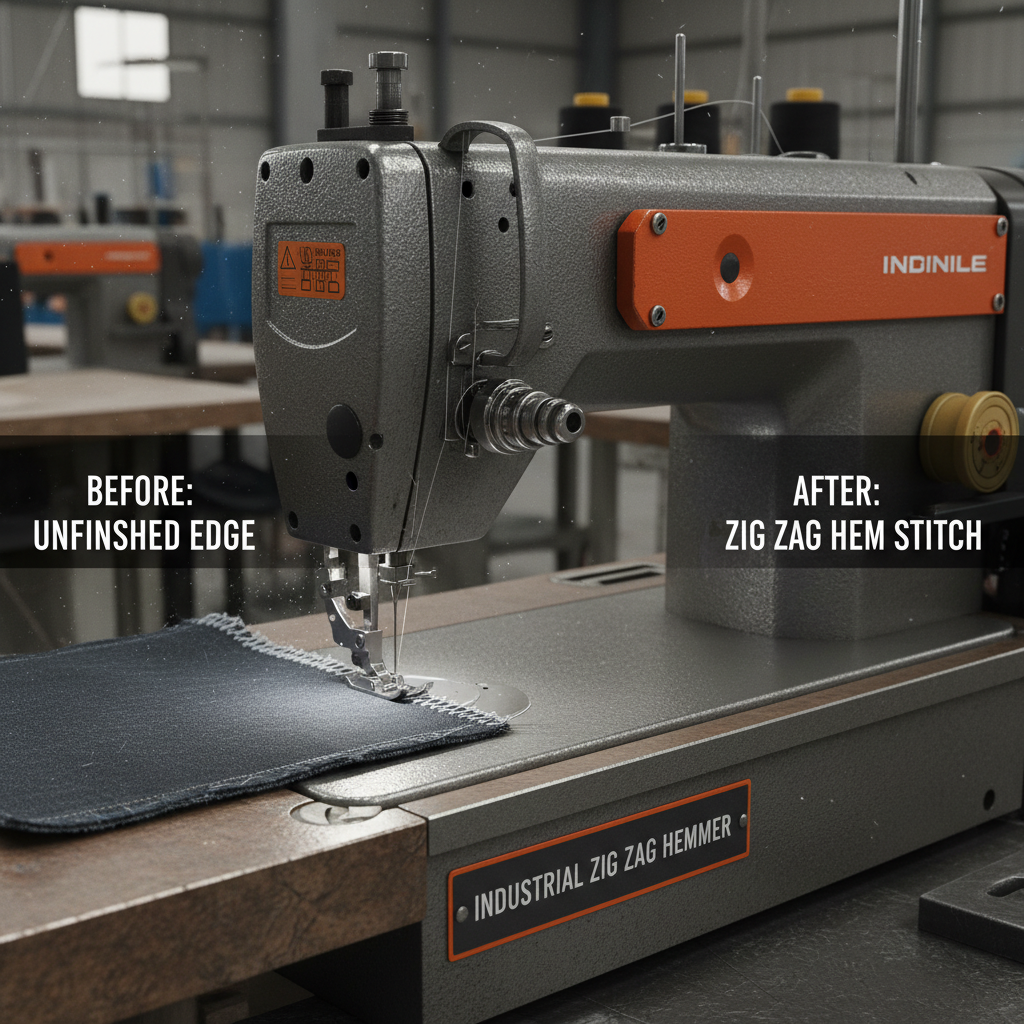
Understanding the Zig Zag Hem Stitch
The zig zag hem stitch isn’t just one stitch setting; it’s a family of stitches. The width and length of the zig zag pattern can be adjusted to suit different fabrics and desired finishes. A narrower zig zag is generally used for lightweight fabrics and delicate hems, while a wider zig zag provides more stretch and coverage for thicker materials. The stitch is created by the needle moving back and forth across the fabric, creating a pattern resembling a ‘Z’. This motion interlocks the threads with the fabric fibers, preventing unraveling and creating a resilient hem.
Key Highlights: The zig zag hem stitch is ideal for fabrics that fray easily and for items needing a flexible hemline, such as sportswear or children's clothing.
When to Use a Zig Zag Hem Stitch
The zig zag hem stitch excels when working with knit fabrics like jersey, fleece, and rib knit. Traditional straight stitches can easily break when these fabrics are stretched. The zig zag stitch’s inherent elasticity moves with the fabric, maintaining the integrity of the hem. It’s also valuable for finishing raw edges on woven fabrics to prevent fraying, although a serger provides a more polished look. Consider it a versatile go-to for a range of projects, from simple alterations to garment construction.
Ideal Fabric Types:
• Knit fabrics (jersey, fleece, rib knit)
• Woven fabrics prone to fraying
• Stretch fabrics requiring a flexible hem
Zig Zag Hem Stitch Settings: A Guide
Achieving the perfect zig zag hem relies on choosing the correct settings on your sewing machine. Here's a quick guide, but always test on a scrap of fabric first! Longsew's range of machines offers precise control for optimal stitch results. Remember that these are general guidelines, and the ideal settings depend on your specific machine and fabric.
Troubleshooting Common Zig Zag Hem Stitch Issues
Even with the right settings, you might encounter challenges. Puckering can occur if the stitch length is too long or the thread tension is too tight. Adjusting these settings can resolve the issue. If the fabric is still fraying, try a slightly wider zig zag. Consistent practice and careful observation of your machine’s behavior are key to mastering the technique. Using quality thread, as offered by Longsew, also contributes to a cleaner, more durable finish.
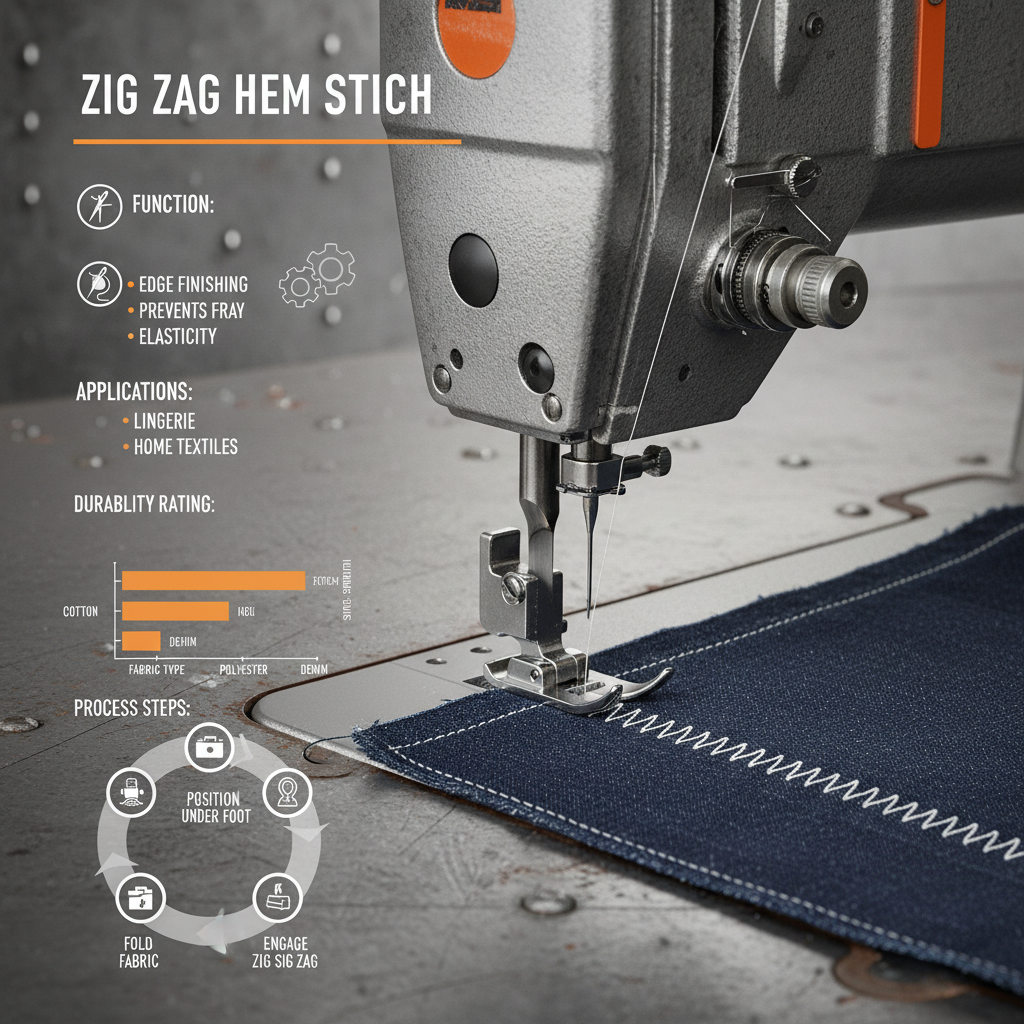
Beyond the Basics: Variations and Applications
The zig zag hem stitch isn't limited to standard hemming. You can utilize varying zig zag widths to create decorative edges or to reinforce seams. Experiment with different thread colors for a contrasting accent. This versatile stitch is also valuable for applying binding or elastic to garment edges. With a little creativity, the zig zag hem stitch becomes a powerful tool in your sewing arsenal.
Conclusion: Mastering a Sewing Essential
The zig zag hem stitch is a fundamental technique for any sewist. Its adaptability to various fabrics and its ability to prevent fraying make it an indispensable part of garment construction and alterations. By understanding the settings and troubleshooting common issues, you can consistently achieve professional-quality hems. Investing in a reliable sewing machine, such as those offered by Longsew, will further enhance your sewing experience.
Frequently Asked Questions (FAQs)
What type of thread is best for a zig zag hem stitch?
Polyester thread is generally recommended for its strength and durability, especially when working with knit fabrics. It has a slight give that complements the stretch of the zig zag stitch. Cotton thread can also be used for woven fabrics, but it may not be as resilient. Consider the weight of your fabric when selecting the thread – a lighter thread for lightweight fabrics and a heavier thread for heavier materials. Longsew provides a variety of high-quality threads to suit your project needs.
How do I prevent puckering when using a zig zag hem stitch?
Puckering often stems from either excessive thread tension or an overly long stitch length. Reduce the upper thread tension slightly and decrease the stitch length. Also, ensure that the fabric is being fed smoothly through the machine without being pulled or stretched. Testing on a scrap of fabric is crucial before starting your project. If the fabric continues to pucker, try using a walking foot, which helps to feed both layers of fabric evenly.
Can I use a zig zag stitch as a decorative hem?
Absolutely! By experimenting with different zig zag widths and stitch lengths, you can create a variety of decorative effects. Using contrasting thread colors or specialty threads can further enhance the visual appeal. A wider, more pronounced zig zag can create a textured edge, while a narrower, denser zig zag can resemble a reinforced seam.
Is a serger a better alternative to a zig zag hem stitch?
A serger provides a more professional and durable finish than a zig zag hem stitch, as it simultaneously sews, trims, and overlocks the fabric edge. However, a serger is an additional investment. The zig zag hem stitch is a perfectly acceptable alternative, especially for smaller projects or when a serger isn’t available. For a clean and finished edge, the zig zag hem stitch is a practical and versatile solution.
Latest news
-
Industrial Bag Sewing Machine Price and Comprehensive Buying GuideNewsApr.16,2026
-
Industrial Hand Held Bag Closer for Efficient Packaging SealingNewsApr.16,2026
-
Industrial Hand Held Bag Closer Sewing Machine for PackagingNewsApr.16,2026
-
Efficient Industrial Bag Closer Sewing Machine for PackagingNewsApr.16,2026
-
Industrial Sewing Guide for Choosing the Right Closer MachineNewsApr.16,2026
-
Guide to Capital Bag Closer Machine Price and Buying FactorsNewsApr.16,2026
-
Say goodbye to inefficient cutting! This heavy-duty webbing hot cutting machine redefines the new standard for industrial cuttingNewsApr.14,2026

Hebei LongSew Machinery Technology Co. Ltd is beginning as sewing machine parts supplier, now Longsew have over twenty years experience in complete set sewing machine offering.


CLASSIFICATION
CONTACT US
-

No.368 North Youyi Street, Shijiazhuang City, Hebei Province, China
-

-

Copyright © 2026 HEBEI LONGSEW MACHINERY TECHNOLOGY CO. LTD All Rights Reserved. Sitemap | Privacy Policy | Top Blog | Global Service