


Sep . 08, 2025 11:33
volver a la lista
Heavy Duty Cylinder Bed Sewing Machine | Professional Stitching
The Indispensable Role of Cylinder Bed Sewing Machines in Modern Industrial Sewing
In the demanding realm of industrial textile and leather fabrication, precision, durability, and adaptability are paramount. At the forefront of this technological need is the cylinder bed sewing machine, an essential tool engineered to address the complexities of stitching three-dimensional items, tubular components, and thick, rigid materials. This specialized machinery excels where traditional flatbed machines fall short, offering unparalleled access and control for challenging applications ranging from footwear and bags to automotive upholstery and technical textile products. Understanding its robust design, advanced technical specifications, and diverse application scenarios is crucial for B2B decision-makers seeking to optimize their production capabilities and achieve superior product quality.
The `Heavy Duty Single/Double Needles Pattern Sewing Machine LS266-MP` exemplifies the cutting-edge capabilities available in this category, designed for precision and reliability in the most demanding environments.
Current Industry Trends and Market Dynamics
The industrial sewing sector is experiencing dynamic shifts, driven by demands for increased automation, higher precision, and enhanced material versatility. Key trends impacting the deployment and evolution of the cylinder bed sewing machine include:
- Automation and Robotics Integration: The integration of advanced automation features, including CNC control and robotic material handling, is becoming standard. This allows for complex pattern stitching with minimal operator intervention, significantly boosting productivity and consistency, particularly with specialized models like the CNC leather sewing machine.
- Material Adaptability: As industries adopt new technical textiles, composites, and thicker leathers, there's a growing need for machines capable of handling diverse material properties without compromising stitch quality. This fuels demand for extra heavy duty sewing machine variants.
- Ergonomics and Operator Comfort: Modern designs prioritize operator well-being, incorporating features that reduce fatigue and improve ease of use, leading to increased efficiency and reduced errors.
- Sustainability and Efficiency: Energy-efficient servo motors and reduced waste generation are increasingly important, aligning with global sustainability initiatives. This also contributes to lower operating costs, influencing the overall cylinder bed sewing machine price.
- Digitalization and Smart Manufacturing: The adoption of IoT-enabled machines for real-time monitoring, predictive maintenance, and data analytics helps optimize production schedules and reduce downtime, reflecting the sophistication of a modern jack cylinder bed sewing machine.
These trends collectively underscore the continuous innovation within the industrial sewing machine market, pushing manufacturers to develop more sophisticated and robust solutions.
Technical Specifications and Design Principles
The fundamental advantage of a cylinder bed sewing machine lies in its unique cylindrical arm, which allows operators to maneuver three-dimensional workpieces around the sewing area with ease. This design is critical for items that cannot be laid flat, providing 360-degree access to complex shapes.
Key technical parameters often considered when evaluating these machines include:
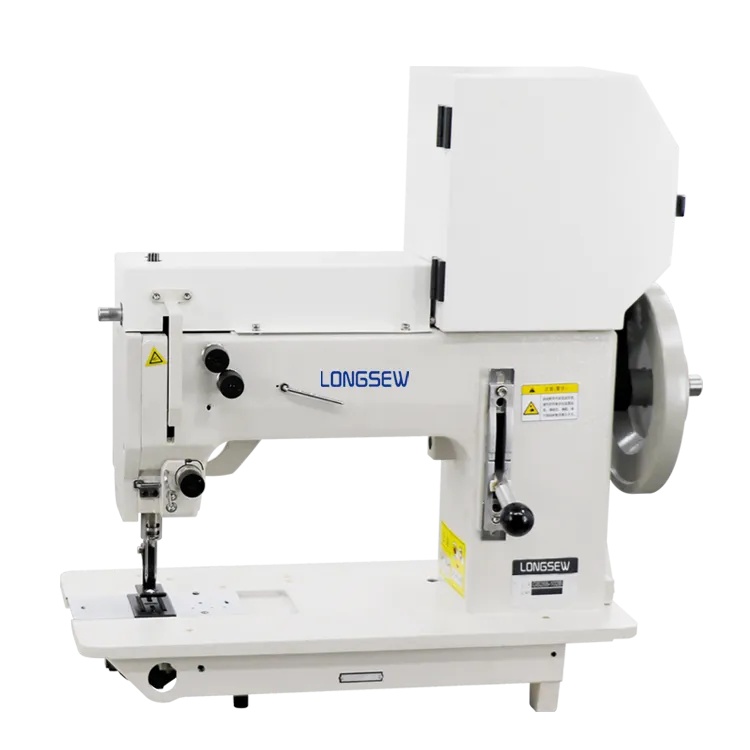
Image 1: Precision stitching with a cylinder bed sewing machine.
| Parameter | Description |
|---|---|
| Needle Type | Typically DPx17 (for heavy duty), sometimes 135x17 or 135x16 for leather. |
| Stitch Length | Adjustable, typically 0-12 mm, crucial for decorative and structural stitching on thick materials. |
| Presser Foot Lift | Up to 20 mm (manual), 10-15 mm (auto), accommodating bulky materials. |
| Cylinder Bed Diameter | Ranges from 40mm to 70mm, depending on application needs for tight curves. |
| Sewing Speed | Up to 2500-3000 stitches/minute for general heavy duty; lower for very thick materials. |
| Feeding Mechanism | Compound feed (needle, presser foot, feed dog) for consistent material handling. |
| Motor Type | Servo motor with needle positioner for precise control and energy efficiency. |
| Thread Capacity | Accommodates thick threads, often up to V207 (Tex 210) for robust seams. |
The construction materials for a robust cylinder bed sewing machine are critical for its longevity and performance. High-grade cast iron or aluminum alloys are typically used for the machine frame, providing stability and vibration damping. Internal components, such as gears, shafts, and linkages, are precisely machined from hardened steel or specialized alloys, often undergoing surface treatments like nitriding or chrome plating to enhance wear resistance and reduce friction.
Manufacturing processes are stringent:
- Casting & Forging: Base frames and critical load-bearing components are cast from high-strength alloys for structural integrity. Smaller, high-stress parts may be forged for superior grain structure and durability.
- CNC Machining: Precision parts are machined using Computer Numerical Control (CNC) equipment, ensuring tight tolerances (e.g., ±0.005 mm) and consistency across batches. This is vital for smooth operation and longevity.
- Heat Treatment & Surface Finishing: Components are heat-treated to achieve desired hardness and toughness, then ground, polished, and coated (e.g., anodized, powder-coated) for corrosion resistance and aesthetic appeal.
- Assembly & Calibration: Machines are meticulously assembled in clean environments, followed by rigorous calibration of stitch mechanisms, tension systems, and motor controls to meet performance benchmarks.
Testing standards adhere to international norms such as ISO 9001 for quality management, ensuring that each unit, including specialized versions like the jack cylinder bed sewing machine, meets stringent quality checks for performance, safety, and electromagnetic compatibility (EMC). Expected service life for a well-maintained industrial cylinder bed sewing machine typically ranges from 15 to 25 years in high-production environments, underscoring its long-term investment value.
Manufacturing Process Flow for a Cylinder Bed Sewing Machine
The production of a high-performance cylinder bed sewing machine involves a multi-stage, precision-driven manufacturing process. Each step is meticulously controlled to ensure the final product delivers exceptional reliability and efficiency.
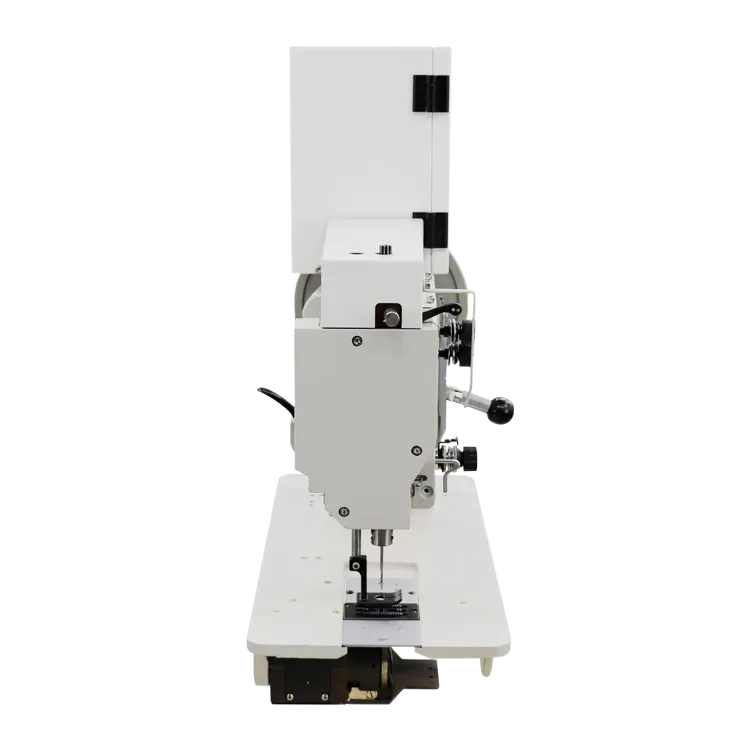
Image 2: Components of a heavy-duty cylinder bed sewing machine.
- Raw Material Sourcing & Inspection: High-grade steel, cast iron, aluminum alloys, and electronic components are procured from certified suppliers. Incoming materials undergo rigorous inspection for chemical composition, mechanical properties, and dimensional accuracy to ensure compliance with engineering specifications.
-
Component Manufacturing (Casting, Forging, CNC Machining):
- Frame & Major Housings: Cast from robust metals, then surface-ground for flatness and precision.
- Shafts & Gears: Forged from high-strength steel, followed by precision CNC turning and milling, then heat-treated for hardness and wear resistance.
- Feed Dogs & Needle Bars: Manufactured via CNC machining, often from hardened tool steel, ensuring precise movement and minimal friction.
- Electronic Controls: PCB assembly for servo motors, control panels, and automation modules, incorporating embedded software.
- Surface Treatment & Finishing: Components undergo processes such as deburring, shot peening, polishing, and various coatings (e.g., anti-corrosive paints, anodization, chrome plating) to enhance durability, aesthetics, and resistance to environmental factors.
- Sub-Assembly: Smaller functional units, such as the bobbin winding mechanism, thread tension assembly, and presser foot linkage, are pre-assembled and tested for operational integrity.
- Final Assembly: All major and minor components are meticulously integrated into the main machine frame. This stage requires skilled technicians for precise alignment and calibration of mechanical and electrical systems.
-
Quality Control & Testing: Each cylinder bed sewing machine undergoes multi-point inspection and functional testing, including:
- Performance Testing: Stitch quality (consistency, tension), maximum speed, and stitch length accuracy.
- Durability Testing: Extended run-time tests under load conditions to simulate actual operating environments.
- Safety Compliance: Electrical safety, emergency stop functionality, and guarding mechanisms checked against international standards (e.g., CE, UL).
- Noise and Vibration Analysis: Ensuring operational parameters are within acceptable ergonomic limits.
- Packaging & Logistics: Machines are thoroughly cleaned, protected with anti-corrosion agents, securely packaged for shipping, and prepared for global distribution, ensuring their condition upon arrival.
This rigorous process, adhering to standards like ISO 9001 and often ANSI/ASME for mechanical component design, guarantees the high quality and long service life expected of an industrial extra heavy duty sewing machine.
Application Scenarios and Technical Advantages
The distinctive design of the cylinder bed sewing machine makes it indispensable across a spectrum of industries that require precision stitching on three-dimensional, curved, or bulky items.
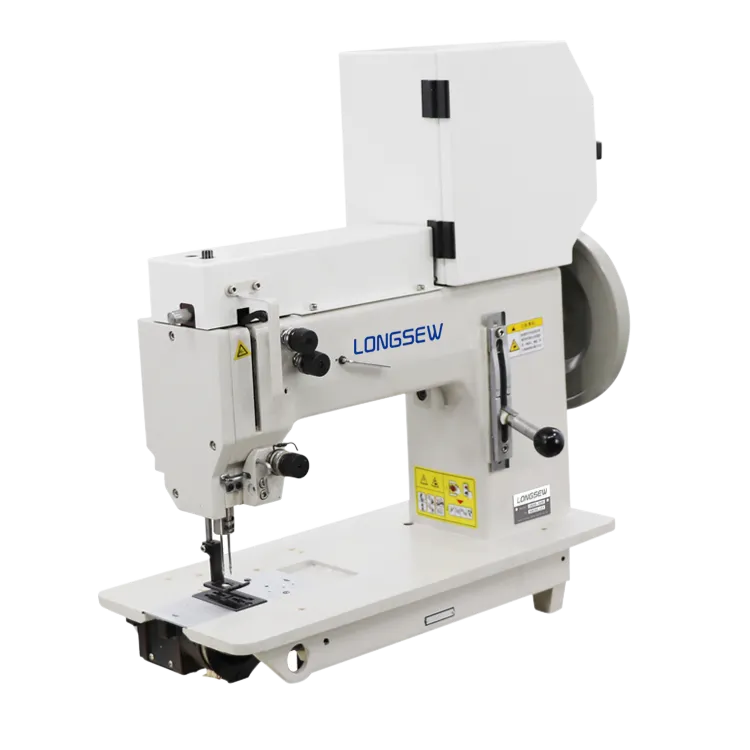
Image 3: Stitching intricate designs on curved surfaces.
Target Industries and Typical Applications:
- Footwear Manufacturing: Essential for stitching shoe uppers, attaching soles, and closing seams on boots, sneakers, and formal shoes. Its ability to work on small, curved components is invaluable.
- Leather Goods & Accessories: Widely used for creating handbags, wallets, belts, luggage, and small leather cases. The cylindrical arm facilitates working on intricate curves and structured forms. This is where a dedicated leather sewing machine truly shines.
- Automotive Upholstery: Crucial for assembling car seats, armrests, and interior trim components, where complex contours and heavy materials demand specialized handling.
- Bags and Backpacks: Ideal for sewing gussets, handles, and other tubular or irregularly shaped parts of backpacks, travel bags, and industrial sacks.
- Technical Textiles & Protective Gear: Used for constructing work gloves, specialized garments, and components of safety equipment that require robust, multi-dimensional stitching.
- Saddlery and Harnesses: For extremely thick leather and webbing, often requiring the power and precision of an extra heavy duty sewing machine.
Technical Advantages in Application Scenarios:
- Superior Maneuverability for 3D Items: The cylindrical work area provides unparalleled access for sewing around tight curves, into corners, and along tubular structures. This prevents material bunching and ensures consistent stitch quality where flatbed machines struggle.
- Consistent Material Feeding: Equipped with robust compound feed mechanisms, these machines handle multiple layers of thick, difficult materials (like leather, vinyl, and webbing) without slippage, ensuring uniform stitch length and preventing ply shifting.
- High Penetration Power: Designed with powerful motors and robust needle bars, they can effortlessly penetrate multiple layers of heavy-duty fabrics and leathers, crucial for achieving strong, durable seams in applications such as safety harnesses or luggage.
- Versatility in Stitch Types: Many models offer a range of stitch types (e.g., lockstitch, zigzag, decorative) suitable for both functional and aesthetic requirements, enhancing the appeal of products like premium leather goods.
- Ergonomic Operator Experience: The design allows operators to maintain a more natural posture while guiding complex workpieces, reducing fatigue and improving productivity, especially in high-volume production of items requiring intricate handling.
These advantages solidify the cylinder bed sewing machine as a cornerstone technology for manufacturers dealing with non-flat, heavy, or multi-layered materials, delivering not just efficiency but also superior end-product quality.
Vendor Comparison: Evaluating Cylinder Bed Sewing Machine Options
Selecting the right cylinder bed sewing machine is a strategic decision that impacts production efficiency, product quality, and long-term operational costs. The market offers a range of models from various manufacturers, each with distinct features and specializations. Below is a comparative overview of typical offerings, including what one might expect from a Longsew solution.
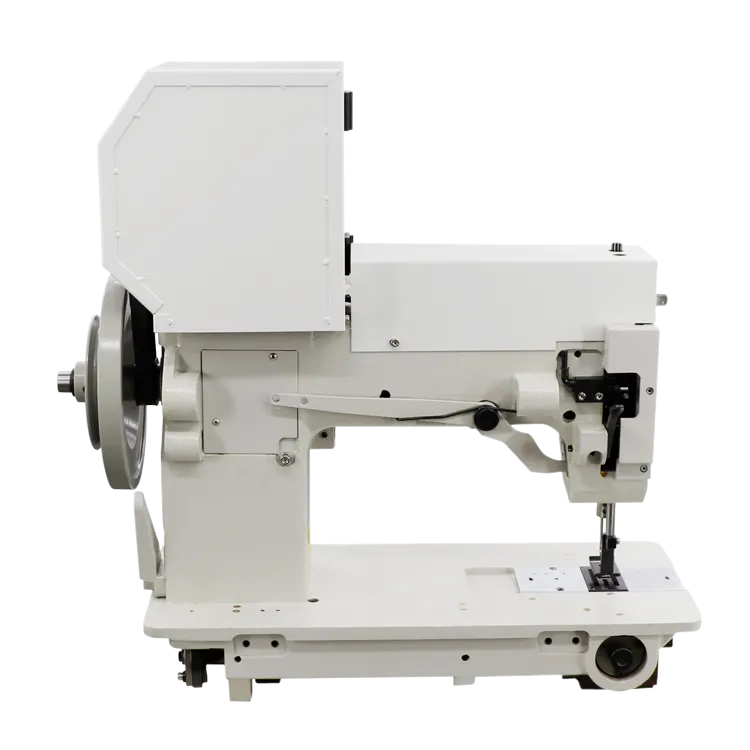
Image 4: An industrial cylinder bed sewing machine in action.
| Feature/Model Type | Standard Cylinder Bed (e.g., Entry-Level) | Heavy Duty / Compound Feed (e.g., Longsew LS266-MP) | CNC Programmable Pattern (e.g., Advanced CNC Leather) |
|---|---|---|---|
| Target Materials | Medium to heavy leather, canvas, synthetic fabrics (up to 5-8mm) | Extra heavy leather, multi-layered composites, webbing (up to 15-20mm+) | Complex patterns on various materials, especially leather and technical textiles |
| Feed Mechanism | Unison or compound feed (basic) | Robust Compound Feed (walking foot, needle feed, feed dog) | Programmable stepping motor feed (X-Y axis movement) |
| Automation Level | Manual operation, foot pedal lift | Automatic thread trimming, backtacking, presser foot lift | Full CNC control, pattern creation, auto material recognition |
| Stitch Consistency | Good, depends on operator skill and material consistency | Excellent, even on varied thicknesses and curves | Precise, repeatable, complex patterns with perfect accuracy |
| Cylinder Bed Diameter | Typically 50-60mm | Often 40-50mm for tighter access, or larger for broader items | Variable, often optimized for small or complex areas |
| Price Range (Indicative) | $$ (Competitive cylinder bed sewing machine price for small businesses) | $$$ (Excellent value for heavy-duty industrial use) | $$$$ (Premium investment for high-precision, high-volume manufacturing) |
| Typical Brands/Vendors | Various regional manufacturers, general industrial suppliers | Longsew, Juki, Pfaff, Durkopp Adler, Consew, Jack cylinder bed sewing machine | Longsew, Durkopp Adler, Juki, Brother (specialized industrial units) |
When evaluating options for a cylinder bed sewing machine for sale, it is crucial to consider not just the initial cylinder bed sewing machine price, but also the total cost of ownership, including maintenance, spare parts availability, and the specific application needs. Manufacturers like Longsew specialize in providing robust, reliable heavy-duty solutions, backed by extensive experience in the industrial sewing machine sector.
Customized Solutions and Application Case Studies
Beyond standard configurations, the inherent versatility of the cylinder bed sewing machine allows for significant customization to meet unique production challenges. Manufacturers often offer tailored solutions, modifying feed mechanisms, presser feet, stitch patterns, and automation levels.
Customization Options:
- Specialized Presser Feet: Designed for specific material thicknesses, tight curves, or decorative elements.
- Automated Pattern Programming: For complex, repetitive patterns, especially crucial for a cnc leather sewing machine.
- Integrated Material Handling: Robotic or semi-automatic systems for loading and unloading challenging workpieces.
- Multi-Needle Configurations: For parallel stitching and increased output on certain products.
- Thread and Tension Systems: Optimized for exotic materials or extremely thick threads used in technical applications.
Application Case Studies & Customer Experience:
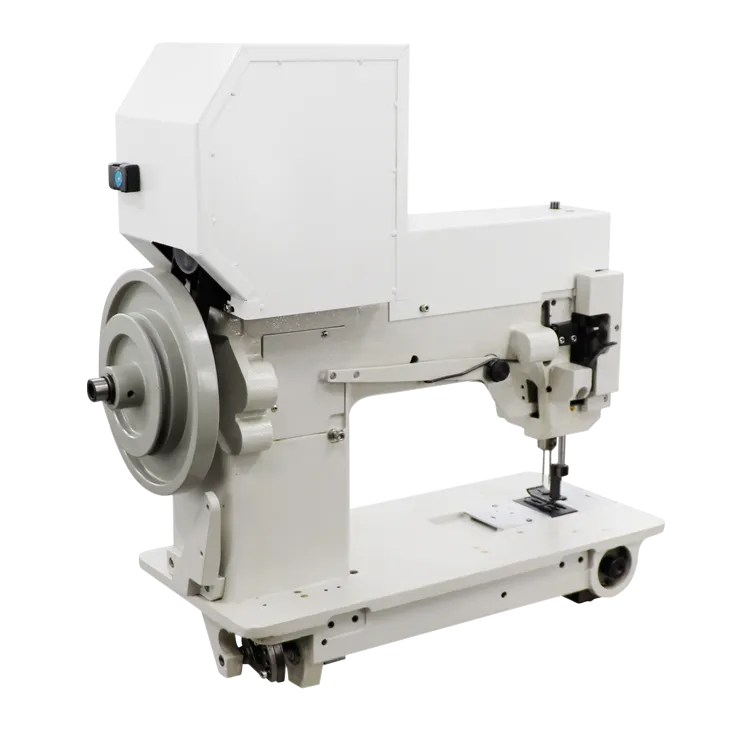
Image 5: Automated stitching on a cylinder bed sewing machine.
Case Study 1: Luxury Leather Handbag Manufacturer (Europe)
A prominent European luxury leather goods manufacturer faced challenges with inconsistent stitching on the intricate curves and gussets of their high-end handbags, often requiring extensive manual rework. They adopted a customized Longsew cylinder bed sewing machine with a specialized roller presser foot and programmed stitch sequences.
- Solution: Implemented a Longsew LS266-MP variant with enhanced servo motor control for precise speed management, a smaller diameter cylinder arm (40mm), and custom presser foot for delicate leather.
- Results: Achieved a 40% reduction in production time for complex components and a 25% improvement in stitch consistency, drastically reducing post-sewing quality control issues and enhancing brand reputation for craftsmanship. Customer feedback highlighted the machine's intuitive interface and robust performance, stating, "Our operators found the Longsew machine remarkably easy to adapt to, and the quality of our finished product has seen a noticeable uplift."
Case Study 2: Automotive Seat Manufacturer (North America)
A Tier 1 automotive supplier needed to increase throughput and quality for complex multi-panel seat covers made from heavy automotive-grade vinyl and foam laminates. Their existing flatbed machines struggled with the bulk and contoured shapes.
- Solution: Deployed a fleet of Longsew extra heavy duty sewing machine units with larger presser foot lift and integrated pneumatic thread trimming and backtacking systems.
- Results: Saw a 30% increase in daily production capacity for seat covers. The compound feed mechanism of the Longsew machines virtually eliminated material slippage, leading to superior seam quality and reduced material waste. The company cited the machines' reliability and the quick availability of spare parts as key factors in their decision, emphasizing their long-term operational cost benefits.
Ensuring Trust and Reliability: FAQ, Lead Time, Warranty, and Support
Frequently Asked Questions (FAQ):
-
Q: What materials can a heavy-duty cylinder bed sewing machine handle?
A: Our machines are designed to handle a broad range of materials, from medium to extra heavy, including various types of leather, canvas, denim, vinyl, webbing, multi-layered composites, and technical textiles. -
Q: How does a compound feed mechanism benefit my production?
A: A compound feed (or unison feed) system ensures that the material is fed consistently by the needle, presser foot, and feed dog simultaneously. This prevents material slippage, ensures uniform stitch length, and greatly improves stitch quality on thick or difficult materials, especially on curves and uneven surfaces. -
Q: What is the typical lead time for ordering a custom cylinder bed sewing machine?
A: Standard models are usually dispatched within 2-4 weeks. For highly customized solutions, lead times can range from 6-12 weeks, depending on the complexity of modifications and component sourcing. We provide detailed lead time estimates at the time of quotation. -
Q: Are spare parts readily available for your machines?
A: Yes, we maintain an extensive inventory of genuine spare parts for all our models, ensuring quick availability and minimizing downtime for our clients globally. We also offer guidance on recommended spare parts kits for preventative maintenance.
Lead Time & Fulfillment Details:
We pride ourselves on efficient order fulfillment. For stock items, machines are typically prepared for shipment within 7-10 business days after order confirmation. Custom orders, including those for a specialized cnc leather sewing machine or an extra heavy duty sewing machine, will have their lead times clearly communicated during the quotation phase, factoring in design, manufacturing, and rigorous testing schedules. Our global logistics partners ensure secure and timely delivery to your facility.
Warranty Commitments:
All Longsew cylinder bed sewing machine units come with a comprehensive 12-month limited warranty covering manufacturing defects and major component failures under normal operating conditions. Extended warranty options are available upon request. Our commitment to quality ensures that you receive a durable and reliable machine designed for sustained industrial use. Warranty details, including terms and conditions, are provided with each purchase and are readily available from our sales team.
Customer Support & After-Sales Service:
Longsew is dedicated to providing exceptional after-sales support. Our service team offers:
- Technical Assistance: Prompt support via phone, email, or video conference for troubleshooting and operational guidance.
- On-site Support: For complex issues, our certified technicians can be dispatched for on-site diagnosis and repair (subject to geographical and contractual agreements).
- Training Programs: Comprehensive training for your operators and maintenance staff to ensure optimal machine usage and longevity.
- Maintenance Contracts: Tailored service agreements to ensure regular preventative maintenance, maximizing uptime and machine efficiency.
Our global network of distributors and service partners ensures that expert assistance is always within reach, reinforcing the long-term value of your investment in a Longsew cylinder bed sewing machine.
References:
- International Organization for Standardization (ISO) Official Website. ISO 9001 Quality Management.
- American National Standards Institute (ANSI) Official Website. Mechanical Engineering Standards.
- Journal of Textile and Apparel Technology and Management. Research on Industrial Sewing Machine Mechanics.
- Textile World Magazine. Advances in Automated Industrial Sewing.
- Global Market Insights. Industrial Sewing Machine Market Size & Share Analysis.
Últimas noticias
-
Industrial Bag Sewing Machine Price and Comprehensive Buying GuideNoticiasApr.16,2026
-
Industrial Hand Held Bag Closer for Efficient Packaging SealingNoticiasApr.16,2026
-
Industrial Hand Held Bag Closer Sewing Machine for PackagingNoticiasApr.16,2026
-
Efficient Industrial Bag Closer Sewing Machine for PackagingNoticiasApr.16,2026
-
Industrial Sewing Guide for Choosing the Right Closer MachineNoticiasApr.16,2026
-
Guide to Capital Bag Closer Machine Price and Buying FactorsNoticiasApr.16,2026
-
Say goodbye to inefficient cutting! This heavy-duty webbing hot cutting machine redefines the new standard for industrial cuttingNoticiasApr.14,2026

Hebei LongSew Machinery Technology Co. Ltd comenzó como proveedor de piezas para máquinas de coser y ahora Longsew tiene más de veinte años de experiencia ofreciendo conjuntos completos de máquinas de coser.


INFORMACIÓN
CLASIFICACIÓN
CONTÁCTENOS
-

No.368 North Youyi Street, ciudad de Shijiazhuang, provincia de Hebei, China
-

-

Copyright © 2026 HEBEI LONGSEW MACHINERY TECHNOLOGY CO. LTD All Rights Reserved. Sitemap | Privacy Policy