

Mar . 05, 2026 01:55
Back to list
Comprehensive Guide to Industrial Overlock Sewing Machine Selection and Maintenance
Understanding the Industrial Overlock Sewing Machine
The industrial overlock sewing machine is a cornerstone of modern textile manufacturing, especially crucial for creating durable and aesthetically pleasing seams on a wide array of fabrics. This article will comprehensively explore its functions, benefits, types, key features, maintenance, and considerations when selecting the right machine for your business. Understanding this vital piece of equipment is essential for anyone involved in garment production, upholstery, or textile-related industries. We'll delve into how Longsew's overlock machines contribute to efficiency and quality.
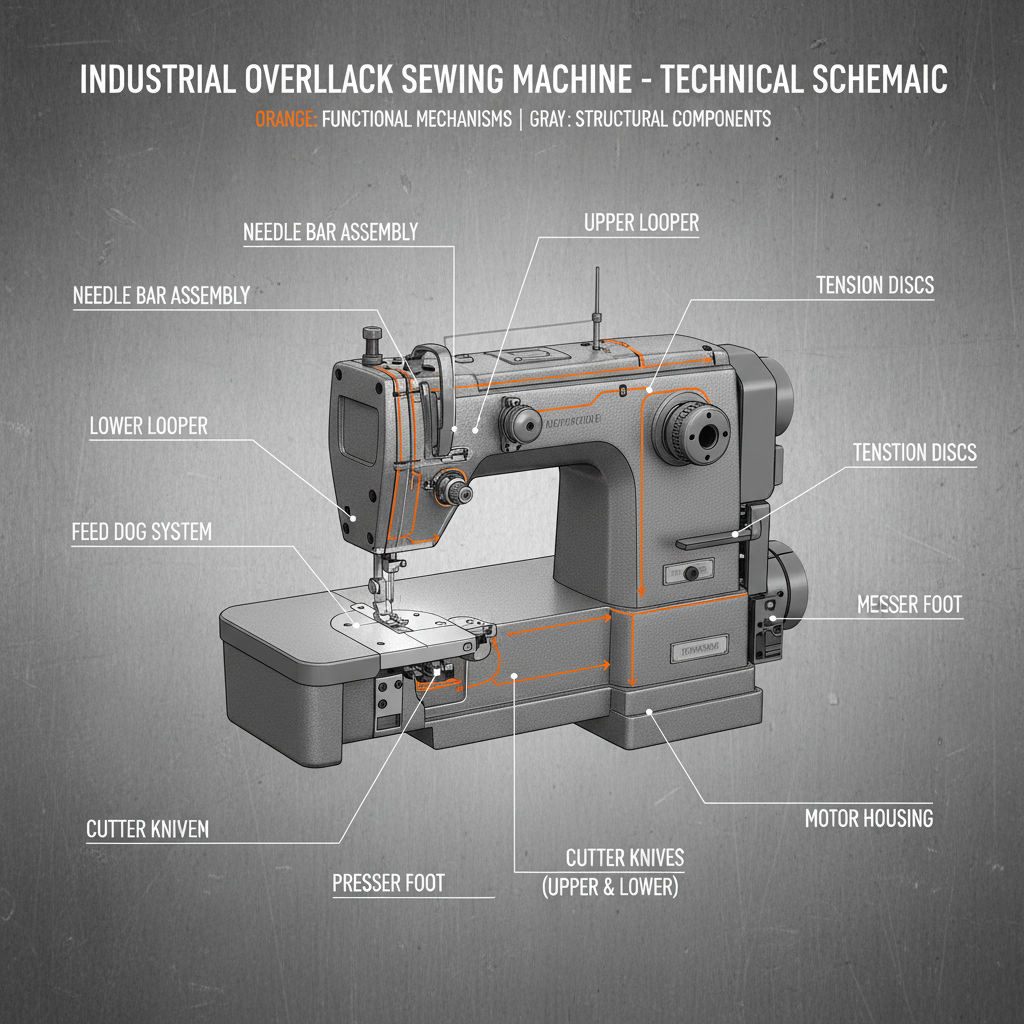
What is an Industrial Overlock Sewing Machine?
An industrial overlock sewing machine, also known as a serger, simultaneously sews and overcasts the raw edge of fabric, preventing fraying and creating a professional finish. Unlike a traditional sewing machine that uses two threads, an overlock machine uses three or more threads to create a secure and flexible seam. This makes it ideal for garments that require stretch, such as sportswear, knitwear, and lingerie. The machine excels at finishing edges, creating rolled hems, and constructing seams on woven and knit fabrics. Choosing the right overlock sewing machine is critical for optimizing production workflows.
Key Benefits: Provides a professional finish, prevents fabric fraying, and creates durable seams suitable for a wide variety of textiles.
Types of Industrial Overlock Sewing Machines
There are several types of industrial overlock machines, each designed for specific applications. These include: 3-Thread Overlock, 4-Thread Overlock, 5-Thread Overlock, and Flatlock Overlock. 3-Thread machines are the most basic, suitable for light-duty overlocking. 4-Thread machines offer increased seam strength and durability and are commonly used for general garment construction. 5-Thread machines combine overlocking and safety stitching for ultimate seam security, perfect for high-stress applications. Flatlock machines create a flat, interlocking seam ideal for sportswear and lingerie. Longsew offers a diverse range of these machines to suit different manufacturing needs.
Overlock Machine Types:
• 3-Thread Overlock: Light-duty overlocking.
• 4-Thread Overlock: General garment construction.
• 5-Thread Overlock: High-stress applications.
• Flatlock Overlock: Sportswear and lingerie.
Key Features to Consider When Choosing an Overlock Machine
Selecting the right industrial overlock sewing machine requires careful consideration of various features. Key features include: stitch length and width adjustment, differential feed, automatic thread tension, and cutting width. Differential feed allows for precise control over fabric gathering or stretching, vital for handling knit fabrics. Automatic thread tension ensures consistent stitch quality, even with different thread types. A wider cutting width allows for a cleaner finish on thicker fabrics. The machine's motor power and speed capabilities are also crucial for maximizing productivity.
Maintaining Your Industrial Overlock Sewing Machine
Regular maintenance is crucial for ensuring the longevity and optimal performance of your overlock sewing machine. This includes daily cleaning to remove lint and debris, regular lubrication of moving parts, and periodic inspection and replacement of needles, blades, and belts. Proper oiling reduces friction and prevents wear and tear. Sharpening or replacing blades ensures clean cutting. Following the manufacturer's recommendations for maintenance schedules is essential. Longsew provides comprehensive maintenance guides and support for all its machines.
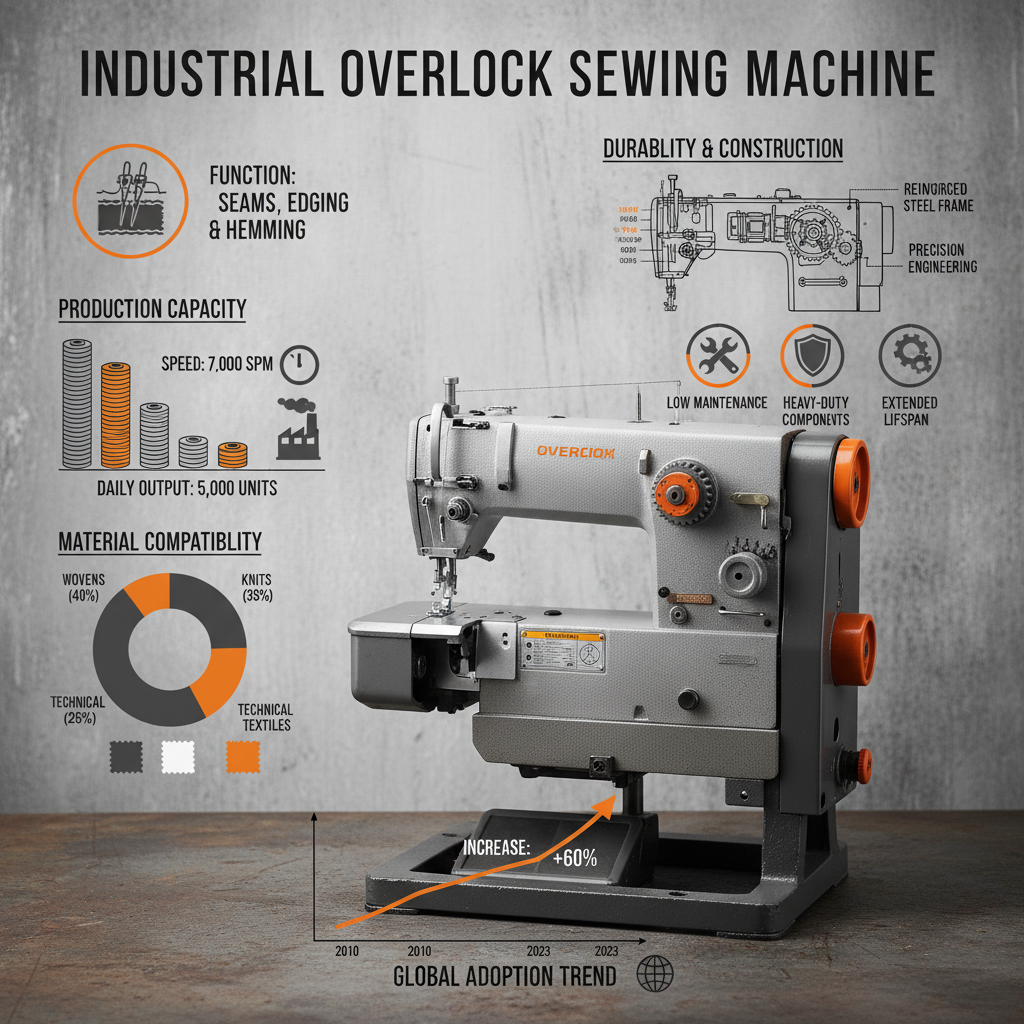
Conclusion: Investing in Quality and Reliability
The industrial overlock sewing machine is an indispensable tool for any textile manufacturing operation. By understanding the different types, key features, and maintenance requirements, you can make an informed decision and select the machine that best suits your needs. Investing in a high-quality machine, like those offered by Longsew, ensures durability, reliability, and optimal performance, contributing to increased productivity and superior product quality.
Frequently Asked Questions (FAQs)
What fabrics can an industrial overlock machine handle?
Industrial overlock machines are incredibly versatile and can handle a wide variety of fabrics, including woven fabrics like cotton, polyester, and linen, as well as knit fabrics like jersey, spandex, and fleece. The differential feed mechanism is particularly useful for preventing stretching or puckering on knit fabrics. The choice of needle and thread will also influence the machine's ability to handle different fabric weights and textures.
How often should I change the blades on my overlock machine?
The frequency of blade replacement depends on the volume of fabric you're processing and the type of fabric. However, as a general rule, blades should be inspected and replaced every 8-40 hours of use, or sooner if you notice skipped stitches or frayed edges. Dull blades can cause significant quality issues and potentially damage the fabric. Using high-quality blades is also crucial for achieving a clean and consistent cut.
What is the importance of proper thread tension?
Proper thread tension is vital for creating strong, balanced, and aesthetically pleasing seams. Incorrect tension can lead to skipped stitches, puckering, or loose seams. Most industrial overlock machines have adjustable tension dials for each thread. It’s important to test the tension on a scrap piece of fabric before starting a production run and to adjust it as needed based on the fabric type and thread weight.
Latest news
-
Industrial Bag Sewing Machine Price and Comprehensive Buying GuideNewsApr.16,2026
-
Industrial Hand Held Bag Closer for Efficient Packaging SealingNewsApr.16,2026
-
Industrial Hand Held Bag Closer Sewing Machine for PackagingNewsApr.16,2026
-
Efficient Industrial Bag Closer Sewing Machine for PackagingNewsApr.16,2026
-
Industrial Sewing Guide for Choosing the Right Closer MachineNewsApr.16,2026
-
Guide to Capital Bag Closer Machine Price and Buying FactorsNewsApr.16,2026
-
Say goodbye to inefficient cutting! This heavy-duty webbing hot cutting machine redefines the new standard for industrial cuttingNewsApr.14,2026

Hebei LongSew Machinery Technology Co. Ltd is beginning as sewing machine parts supplier, now Longsew have over twenty years experience in complete set sewing machine offering.


CLASSIFICATION
CONTACT US
-

No.368 North Youyi Street, Shijiazhuang City, Hebei Province, China
-

-

Copyright © 2026 HEBEI LONGSEW MACHINERY TECHNOLOGY CO. LTD All Rights Reserved. Sitemap | Privacy Policy | Top Blog | Global Service