

Mar . 28, 2026 02:05
Back to list
The Jin Single Needle Sewing Machine A Versatile Solution for Modern Textile Production
The Versatility of the Jin Single Needle Sewing Machine
In the fast-paced world of garment manufacturing and textile production, efficiency and precision are paramount. The Jin single needle sewing machine stands as a cornerstone of this industry, offering a robust and reliable solution for a wide array of sewing applications. This article will explore the features, benefits, and applications of these machines, highlighting why they are a preferred choice for businesses across the globe. Choosing the right sewing machine is an investment in quality and productivity, and the Jin single needle machine delivers on both fronts.
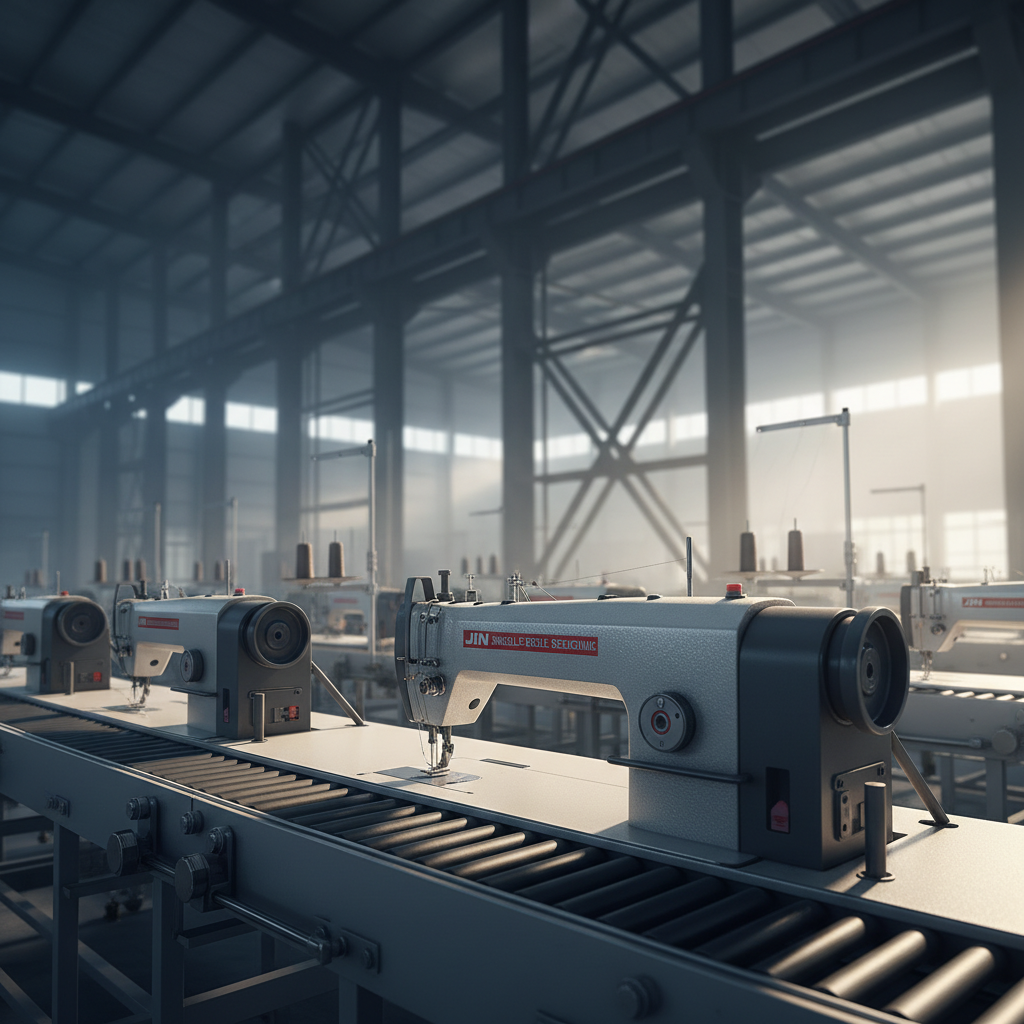
Understanding the Jin Single Needle Sewing Machine
The Jin single needle sewing machine is a workhorse in the garment industry, renowned for its simplicity, durability, and ability to handle a wide range of fabrics. These machines are typically used for straight stitching, ideal for seams, topstitching, and various other sewing operations. They are known for their consistent stitch quality and relatively easy maintenance. Whether you're involved in mass production or custom tailoring, a Jin single needle machine can significantly enhance your workflow. From light-weight fabrics to heavier denims, these machines can be adapted to various materials with correct needle and tension settings.
Key Highlights: Reliable performance, versatile application, durable construction, easy to maintain.
Key Features of the Jin Single Needle Sewing Machine
Several features contribute to the popularity of the Jin single needle sewing machine. These include a robust motor capable of handling various fabric thicknesses, adjustable stitch length and width for customization, and a reliable feed dog system ensuring consistent fabric movement. Many models also incorporate features like automatic needle threading, reverse stitching, and adjustable presser foot pressure. The simplicity of the design translates to fewer potential points of failure, making these machines exceptionally dependable. The machines are engineered for longevity and sustained use, even in demanding production environments.
Feature Benefits:
• Robust Motor: Handles diverse fabric thicknesses
• Adjustable Settings: Offers customization for stitch length and width
• Reliable Feed Dog: Ensures consistent fabric movement
• Durable Construction: Engineered for long-lasting performance
Jin Single Needle Sewing Machine vs. Other Sewing Machine Types
While various sewing machine types exist, the Jin single needle machine offers a unique balance of simplicity and capability. Compared to overlock machines, which are specialized for finishing edges, the Jin machine focuses on creating strong, straight seams. Unlike multi-needle machines, designed for high-volume quilting or complex patterns, the single needle machine excels at precise and controlled stitching. This makes it ideal for a wide range of applications where precision and durability are essential. The Jin single needle sewing machine represents a cost-effective solution for achieving professional-quality results.
Applications of Jin Single Needle Sewing Machines
The applications for these machines are incredibly diverse. They are widely used in garment manufacturing for creating seams in shirts, pants, dresses, and outerwear. They are essential in the production of upholstery, handbags, and other leather goods. Beyond fashion, Jin single needle machines find use in the automotive industry for stitching seat covers and interior components. They are also valuable for creating durable seams in industrial fabrics and protective clothing. From small-scale tailoring businesses to large-scale factories, the Jin single needle sewing machine is a versatile tool.
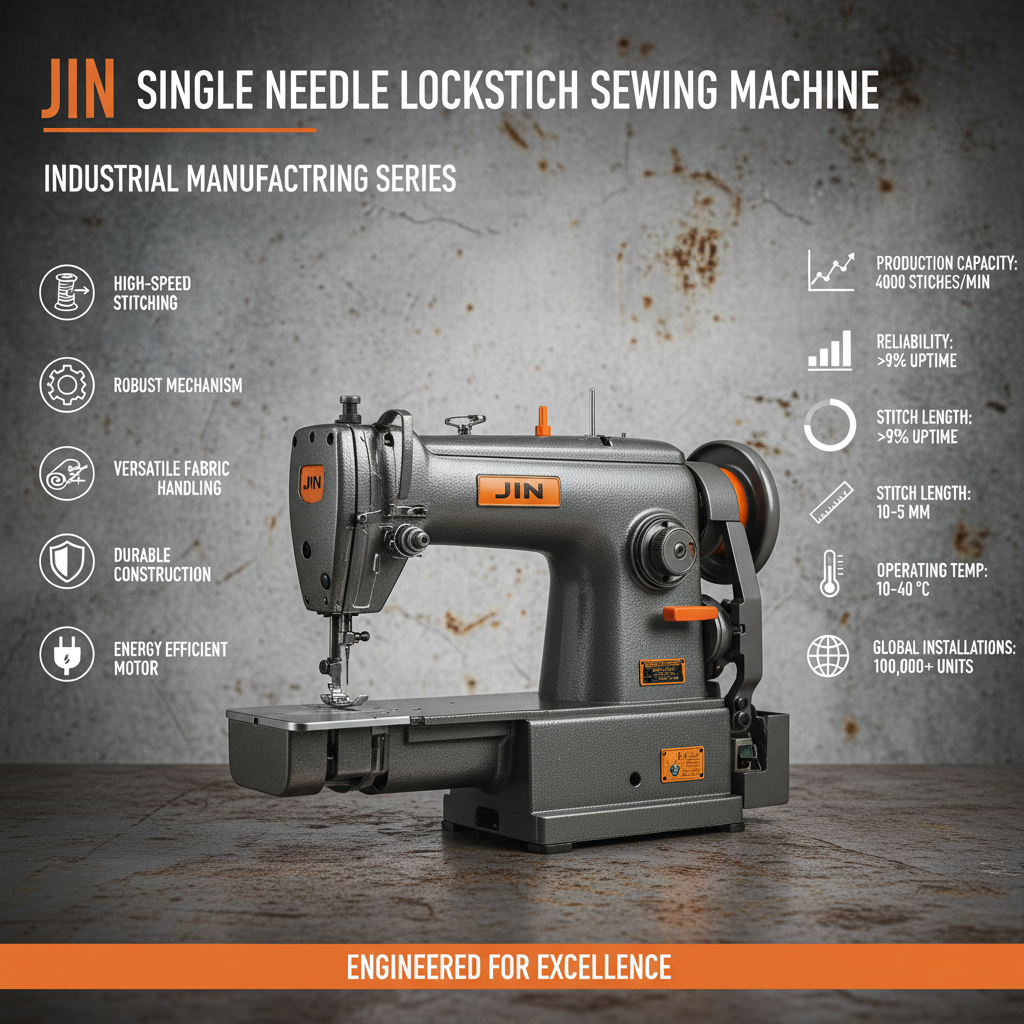
Jin Single Needle Sewing Machine: Specifications & Models
Longsew offers a variety of Jin single needle sewing machine models to suit different needs. Below is a brief overview of some key specifications:
Conclusion: A Reliable Partner for Your Sewing Needs
The Jin single needle sewing machine represents a smart investment for businesses and individuals seeking a dependable and versatile sewing solution. Its combination of performance, durability, and ease of use makes it a standout choice in the industry.
Frequently Asked Questions (FAQs)
What types of fabrics can a Jin single needle machine sew?
The Jin single needle machine is versatile and can handle a wide range of fabrics, including cotton, polyester, denim, linen, and even some lighter-weight leather. The key is to select the appropriate needle type and thread weight for the fabric being used. Heavier fabrics will require a stronger needle and thread, while lighter fabrics will need finer options. Always test the machine on a scrap piece of fabric before starting a project to ensure optimal stitch quality.
How often should I oil my Jin single needle sewing machine?
Regular oiling is crucial for maintaining the smooth operation and longevity of your machine. It's generally recommended to oil your Jin single needle machine before each use, or at least every few hours of operation. Focus on oiling the key moving parts, such as the needle bar, shuttle hook, and feed dog mechanism. Refer to your machine's manual for specific oiling points and instructions. Using the correct type of sewing machine oil is also essential.
What should I do if my Jin machine skips stitches?
Skipped stitches can be caused by several factors. First, ensure the needle is correctly inserted and is the appropriate type for the fabric. Check the thread tension – it may be too loose or too tight. Also, verify that the needle is not bent or damaged. Finally, ensure that the bobbin is properly wound and inserted. If the problem persists, consult the machine's manual or a qualified sewing machine technician.
Previous:
Latest news
-
Industrial Bag Sewing Machine Price and Comprehensive Buying GuideNewsApr.16,2026
-
Industrial Hand Held Bag Closer for Efficient Packaging SealingNewsApr.16,2026
-
Industrial Hand Held Bag Closer Sewing Machine for PackagingNewsApr.16,2026
-
Efficient Industrial Bag Closer Sewing Machine for PackagingNewsApr.16,2026
-
Industrial Sewing Guide for Choosing the Right Closer MachineNewsApr.16,2026
-
Guide to Capital Bag Closer Machine Price and Buying FactorsNewsApr.16,2026
-
Say goodbye to inefficient cutting! This heavy-duty webbing hot cutting machine redefines the new standard for industrial cuttingNewsApr.14,2026

Hebei LongSew Machinery Technology Co. Ltd is beginning as sewing machine parts supplier, now Longsew have over twenty years experience in complete set sewing machine offering.


CLASSIFICATION
CONTACT US
-

No.368 North Youyi Street, Shijiazhuang City, Hebei Province, China
-

-

Copyright © 2026 HEBEI LONGSEW MACHINERY TECHNOLOGY CO. LTD All Rights Reserved. Sitemap | Privacy Policy | Top Blog | Global Service