

Apr . 04, 2026 02:05
Back to list
Choosing the Right Portable Bag Closer Machine for Optimal Business Efficiency
Choosing the Right Portable Bag Closer Machine for Your Business
In today’s fast-paced world of packaging and production, efficiency and reliability are paramount. A portable bag closer machine is a vital tool for businesses dealing with sacks, bags, and pouches. This article will guide you through the key considerations when selecting the right machine, highlighting the benefits, types available, and factors that contribute to a smart investment. We'll explore how choosing the best machine can streamline your operations, reduce labor costs, and enhance the quality of your packaging.
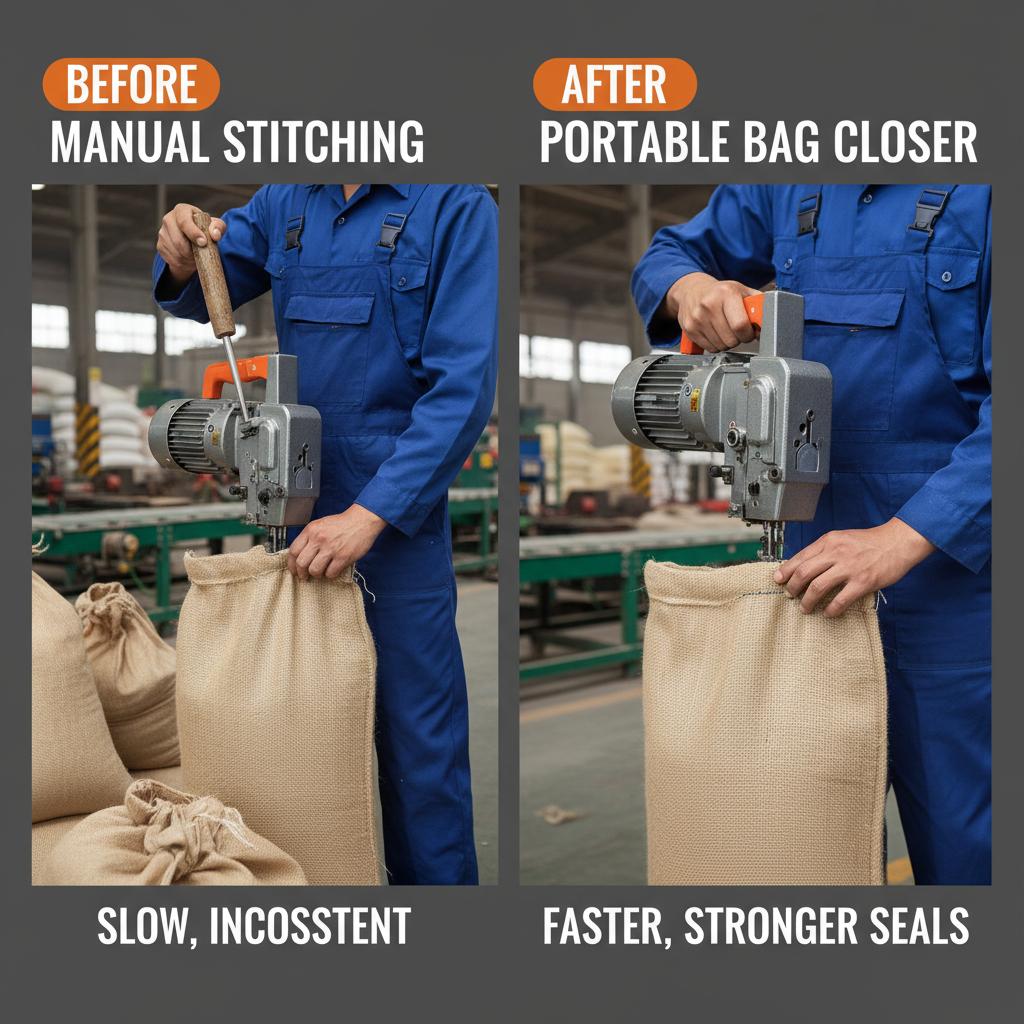
Understanding Portable Bag Closer Machines
A portable bag closer machine is designed to quickly and securely seal open-mouth bags made of materials like polypropylene (PP), polyethylene (PE), and burlap. These machines are commonly used in industries such as agriculture (grain, feed, fertilizer), food processing, building materials, and chemical production. Unlike stationary bag closers, portable models offer the flexibility to seal bags wherever they are, reducing the need for transporting heavy bags. They typically operate using a thread-and-bobbin system, creating a strong, reliable seal that protects the contents from contamination and moisture.
Key Benefit: Increased efficiency and reduced packaging time, leading to significant cost savings for your business.
Types of Portable Bag Closer Machines
There are several types of portable bag closer machines available, each suited for different bag materials, production volumes, and operational needs. The main categories include:
- Single Needle Machines: These are the most common and affordable type, ideal for sealing bags made of woven polypropylene, jute, and burlap.
- Double Needle Machines: Offering increased sealing strength and speed, these are best for heavier bags or applications requiring a more secure closure.
- Heat Sealer Machines: Suitable for sealing plastic bags (PE, PP) using heat to melt and fuse the material together.
- Automatic Portable Machines: These models offer a higher level of automation, often including features like automatic thread trimming and tension control.
Choosing the Right Type:
• Consider the type of bag material you’ll be sealing.
• Evaluate your production volume and speed requirements.
• Assess the level of automation needed.
Key Features to Look For in a Portable Bag Closer Machine
When selecting a portable bag closer machine, several features can significantly impact its performance and suitability for your operations. Look for machines with:
- Adjustable Stitch Length: Allows you to customize the stitch length based on the bag material and desired seal strength.
- Adjustable Tension Control: Ensures proper thread tension for consistent, reliable sealing.
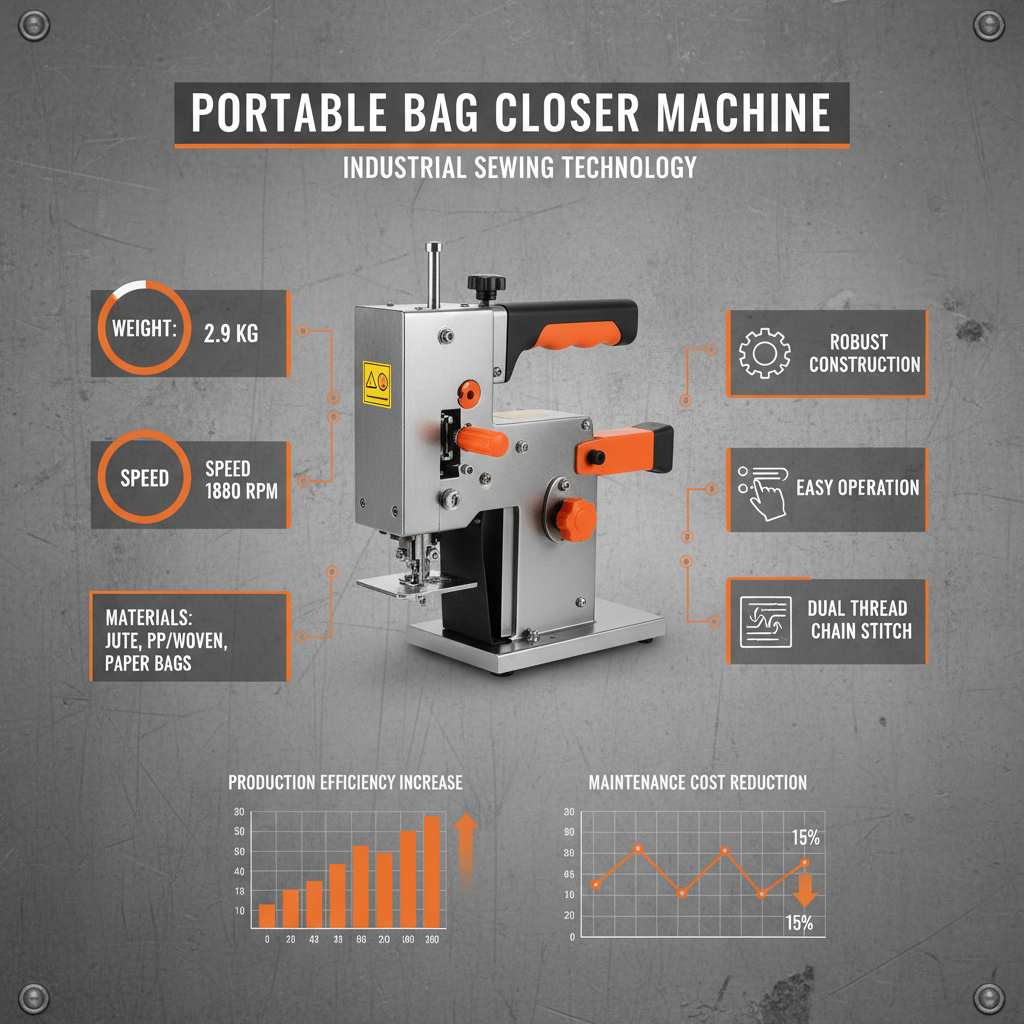
- Durable Construction: A robust machine built with high-quality materials will withstand the demands of industrial use.
- Easy Maintenance: Choose a machine that is easy to clean, lubricate, and repair.
- Safety Features: Look for features such as emergency stop buttons and protective guards.
Comparing Popular Models from Longsew
Longsew offers a range of portable bag closer machines designed for various applications. Here’s a comparison of two popular models:
Investing in Quality: Longsew’s Commitment
Choosing a portable bag closer machine from a reputable manufacturer like Longsew ensures you receive a reliable, durable product backed by excellent customer support. Longsew is dedicated to providing innovative packaging solutions that meet the evolving needs of businesses across various industries. Their machines are engineered for performance, longevity, and ease of use, making them a valuable asset to any production line.
Frequently Asked Questions (FAQs)
What type of thread should I use with my portable bag closer machine?
The type of thread you should use depends on the bag material you're sealing. For woven polypropylene bags, a strong polyester thread is typically recommended. For jute and burlap bags, a heavier cotton or jute thread is often preferred. Using the correct thread ensures a secure and durable seal. Consult your machine's manual or contact Longsew for specific recommendations based on your application. Using the wrong thread can lead to broken stitches and compromised bag integrity.
How often should I lubricate my portable bag closer machine?
Regular lubrication is crucial for maintaining the performance and longevity of your machine. Most machines require lubrication after every 8 hours of operation, or more frequently in dusty or harsh environments. Use a high-quality lubricating oil specifically designed for sewing machines. Refer to your machine's manual for detailed lubrication instructions. Proper lubrication reduces friction, prevents wear and tear, and ensures smooth operation.
What should I do if my machine is skipping stitches?
Skipped stitches can be caused by several factors, including incorrect thread tension, a dull needle, or improper timing. First, check the thread tension and adjust it as needed. Next, replace the needle with a new one. If the problem persists, consult your machine's manual or contact Longsew’s support team for assistance. Ignoring skipped stitches can lead to weak seals and product damage.
What is the warranty on Longsew portable bag closer machines?
Longsew offers a comprehensive warranty on all of its portable bag closer machines. The standard warranty covers manufacturing defects for a period of one year from the date of purchase. Specific warranty terms and conditions may vary depending on the model. Please refer to Longsew's website or contact their sales team for detailed warranty information.
Latest news
-
Industrial Bag Sewing Machine Price and Comprehensive Buying GuideNewsApr.16,2026
-
Industrial Hand Held Bag Closer for Efficient Packaging SealingNewsApr.16,2026
-
Industrial Hand Held Bag Closer Sewing Machine for PackagingNewsApr.16,2026
-
Efficient Industrial Bag Closer Sewing Machine for PackagingNewsApr.16,2026
-
Industrial Sewing Guide for Choosing the Right Closer MachineNewsApr.16,2026
-
Guide to Capital Bag Closer Machine Price and Buying FactorsNewsApr.16,2026
-
Say goodbye to inefficient cutting! This heavy-duty webbing hot cutting machine redefines the new standard for industrial cuttingNewsApr.14,2026

Hebei LongSew Machinery Technology Co. Ltd is beginning as sewing machine parts supplier, now Longsew have over twenty years experience in complete set sewing machine offering.


CLASSIFICATION
CONTACT US
-

No.368 North Youyi Street, Shijiazhuang City, Hebei Province, China
-

-

Copyright © 2026 HEBEI LONGSEW MACHINERY TECHNOLOGY CO. LTD All Rights Reserved. Sitemap | Privacy Policy | Top Blog | Global Service