

Nov . 07, 2025 12:20
Back to list
Automatic Pattern Sewing Machine | Fast, Precise, Industrial
Heavy-Duty Pattern Sewing, Finally Without the Drama
If you’ve ever tried to stitch dense webbing or lift-sling assemblies with a regular unit, you know the pain: bobbin changes every few minutes, skipped stitches when threads get chunky, and operators who (understandably) lose patience. That’s why the Automatic Pattern Sewing Machine LS733-3020 caught my eye. It’s a workhorse with a very particular set of skills.
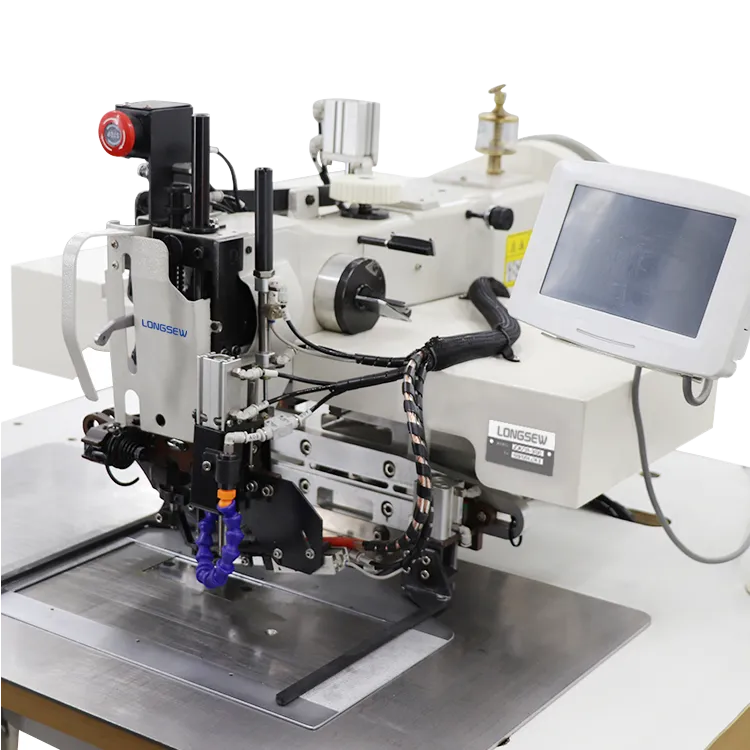
What stands out (and why shop floors like it)
The LS733 series uses a KSP7-31 super-big shuttle hook—around six times the bobbin capacity of a normal setup. That single choice changes everything: thicker thread runs (think Tex 210–350 nylon/polyester) become practical, and you don’t halt production to reload every few rows. It also chews through tough materials—multi-layer polyester webbing, UHMWPE blends, even heavy technical fabrics—without getting fussy. Many customers say uptime is surprisingly steady once the pattern and clamp are dialed in.
Key specifications (real-world use may vary)
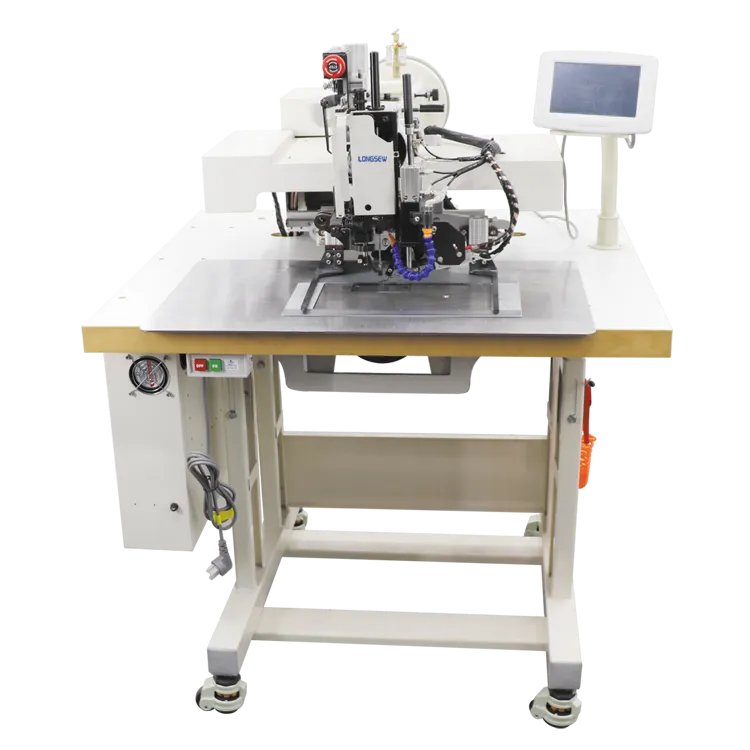
| Model | LS733-3020 |
| Pattern area | ≈ 300 × 200 mm (12 × 8 in) |
| Hook / Bobbin | KSP7-31 super-big shuttle; ≈6× normal capacity |
| Max material thickness | Up to heavy multilayer webbing stacks (setup dependent) |
| Thread range | Heavy nylon/polyester (e.g., Tex 210–350); aramid optional |
| Stitch type | Lockstitch (ISO 4915 class 301) |
| Drive | Energy‑efficient servo; programmable patterns |
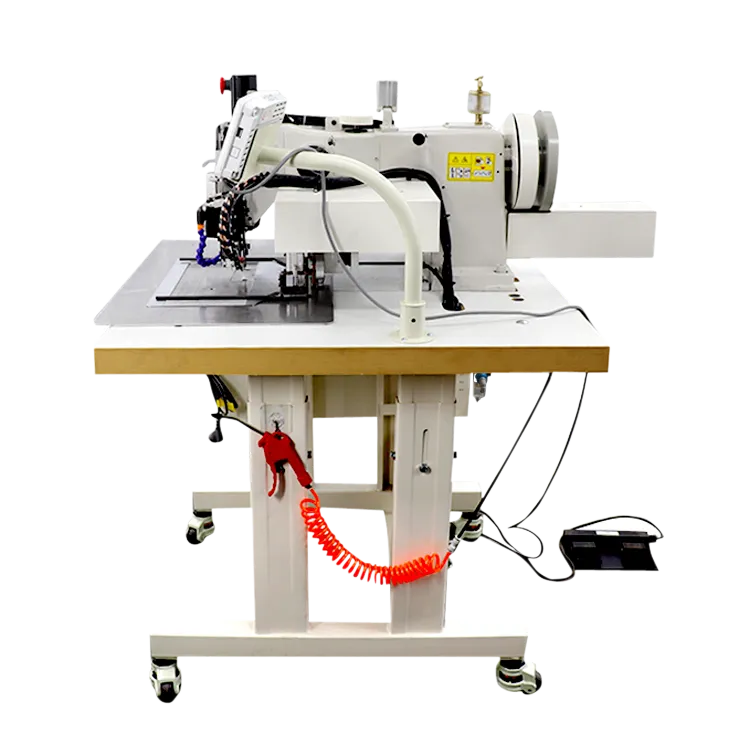
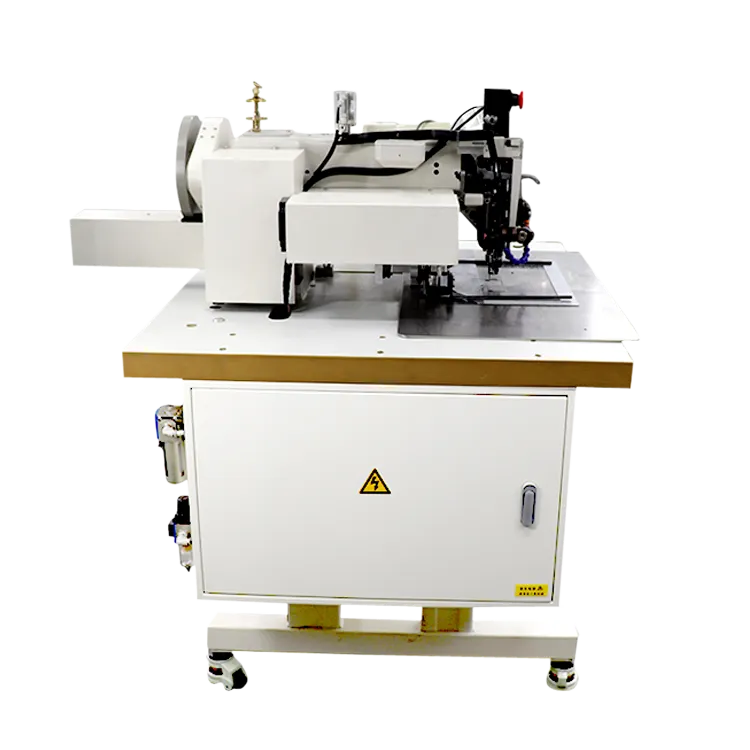
| Utilities | AC power; compressed air for clamp/foot (≈0.5–0.6 MPa) |
| Origin | No.368 North Youyi Street, Shijiazhuang, Hebei, China |
Where it fits (and what the process looks like)
- Lifting slings and cargo lashings (EN 1492 families; ASME B30.9 references for use)
- Safety harness subassemblies, tow straps, recovery gear
- Outdoor packs, tactical webbing, seat-belt style reinforcements
Process flow: material kitting (polyester/UHMWPE webbing) → clamp/jig loading → pattern select (DXF/PLT import) → trial sew → seam inspection → proof testing → labeling and traceability record. Testing typically includes seam tensile (ISO 13935‑2), stitch density checks, and stitch formation per ISO 4915. Service life? With decent maintenance and clean air, operators report 5–8 years of reliable service—honestly, sometimes longer.
Sample internal trials on 50 mm polyester webbing with Tex 270 thread showed seam strength ≈ 85–90% of webbing rating when patterns are tuned (cross‑box + diagonals). Your mileage will vary with thread/needle heat and clamp rigidity.
Market context and vendor snapshot
Trend-wise, factories keep chasing fewer stoppages (bigger bobbins help), traceable results (barcode pattern recall, lot logs), and stitches that hold even when threads get gnarly. Some plants now push recycled polyester threads and want machines that don’t fuss—this one genuinely copes well.
| Vendor/Model | Pattern Area | Bobbin Capacity | Heavy Thread Handling | Notes |
|---|---|---|---|---|
| Longsew LS733‑3020 | ≈300×200 mm | Super-big (≈6×) | Excellent with Tex 210–350 | Value-forward, sling‑focused |
| JUKI AMS‑251 series | Various | Large | Very good | Premium ecosystem |
| Brother BAS series | Various | Large | Good | Great UI |
| Dürkopp Adler 756 | Mid‑large | Large | Excellent | High precision |
Customization & software
- Custom clamps/jigs for 1–4‑ply webbing stacks, D‑ring fixtures
- Pattern import (DXF/PLT/BMP), barcode recall, operator lockouts
- Thread cooling, needle choices, and tension assemblies for aramid/UHMWPE
Case note: A mid-size sling maker switched from a standard unit to this Automatic Pattern Sewing Machine and cut bobbin changeovers by roughly 60%. Rework dropped after they stiffened the clamp and bumped stitch density from 4 to 5 SPI on diagonal legs. Simple changes, measurable gains.
Compliance, QC, and what buyers ask
Certifications typically requested: CE (Machinery Directive), manufacturer ISO 9001, and test reporting against EN 1492 or ASME B30.9 usage guidance for sewn sling assemblies. Customers often ask about stitch consistency: I guess the short answer is—lockstitch class 301 plus big-bobbin stability makes consistency easier to maintain, provided your clamp pressure is right.
Final thought: If your bottleneck is bobbin swaps and thread breaks, a super-big shuttle Automatic Pattern Sewing Machine like the LS733‑3020 is, frankly, a relief.
Authoritative citations
- ISO 4915:1991 — Industrial sewing stitches, stitch types and seam types (ISO.org)
- ISO 13935‑2:2014 — Seam tensile properties of fabrics, grab method (ISO.org)
- EN 1492-1/-2 — Textile slings for general purpose lifting (CEN)
- ASME B30.9 — Slings, safety standard (ASME)
- Directive 2006/42/EC — Machinery Directive (EUR‑Lex)
Latest news
-
Industrial Bag Sewing Machine Price and Comprehensive Buying GuideNewsApr.16,2026
-
Industrial Hand Held Bag Closer for Efficient Packaging SealingNewsApr.16,2026
-
Industrial Hand Held Bag Closer Sewing Machine for PackagingNewsApr.16,2026
-
Efficient Industrial Bag Closer Sewing Machine for PackagingNewsApr.16,2026
-
Industrial Sewing Guide for Choosing the Right Closer MachineNewsApr.16,2026
-
Guide to Capital Bag Closer Machine Price and Buying FactorsNewsApr.16,2026
-
Say goodbye to inefficient cutting! This heavy-duty webbing hot cutting machine redefines the new standard for industrial cuttingNewsApr.14,2026

Hebei LongSew Machinery Technology Co. Ltd is beginning as sewing machine parts supplier, now Longsew have over twenty years experience in complete set sewing machine offering.


CLASSIFICATION
CONTACT US
-

No.368 North Youyi Street, Shijiazhuang City, Hebei Province, China
-

-

Copyright © 2026 HEBEI LONGSEW MACHINERY TECHNOLOGY CO. LTD All Rights Reserved. Sitemap | Privacy Policy | Top Blog | Global Service