

Mar . 14, 2026 02:05
Back to list
What Can You Make With An Overlocker Exploring Versatile Sewing Projects
What Can You Make With An Overlocker?
An overlocker, also known as a serger, is a powerhouse in the sewing world, capable of so much more than just finishing raw edges. From creating professional-looking garments to crafting beautiful home decor, its versatility is astounding. This article explores the diverse range of projects you can tackle with an overlocker, unlocking its full potential. Whether you're a beginner or an experienced sewer, an overlocker can elevate your creations. Discover how to expand your skillset and enjoy the efficiency and quality of serged seams. Explore our range of high-performance overlockers at Longsew to find the perfect machine for your needs.
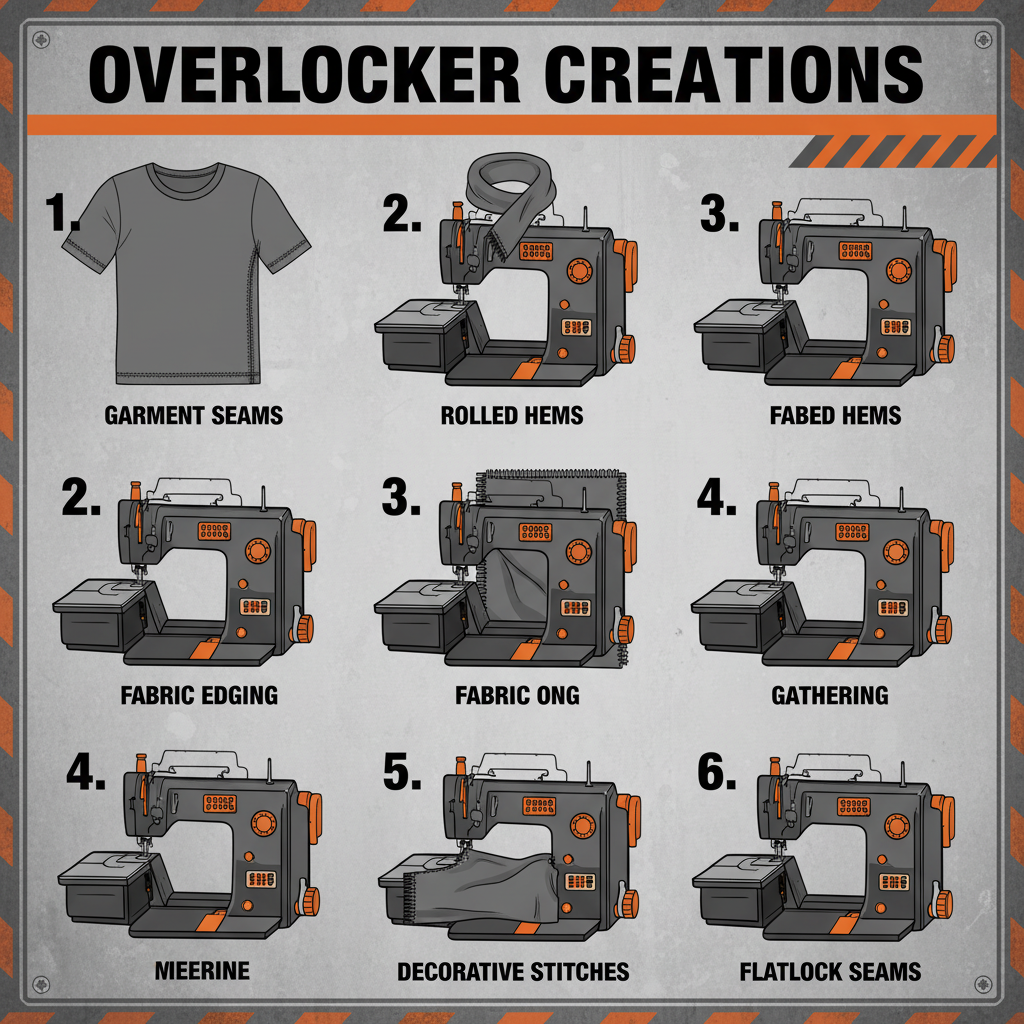
Garment Creation: The Core Strength of an Overlocker
The most common use of an overlocker is in garment construction. It excels at creating durable, professional-finished seams on woven and knit fabrics. Beyond basic seam finishing, you can create rolled hems, flatlock seams (ideal for activewear), and decorative edge finishes. This means you can confidently sew everything from t-shirts and dresses to trousers and jackets. The speed and efficiency of an overlocker dramatically reduce sewing time, especially when working on large projects. Its ability to simultaneously sew, trim, and overlock the edge makes it indispensable for garment construction. The Longsew range of overlockers caters to every skill level.
Home Decor Projects: Beyond Clothing
Don't limit your overlocker to just clothes! It's fantastic for home decor projects. Think curtains, pillowcases, tablecloths, and even quilted items. The overlocker creates clean, durable edges that withstand frequent washing and use. You can also use it to create decorative trim and appliques. For example, you can overlock a contrasting fabric around the edge of a pillow for a pop of color. Its ability to handle various fabric weights makes it versatile for different home decor styles.
What Can You Make With An Overlocker? - Specific Project Ideas
Let’s get specific! Here's a breakdown of project categories and the benefits of using an overlocker for each:
Beyond the Basics: Advanced Overlocker Techniques
Once you're comfortable with the basics, explore advanced techniques. Differential feed allows you to control fabric gathering, perfect for creating ruffles or preventing wavy edges. Using different threads, like metallic or variegated, adds a decorative touch. Experiment with rolled hems in varying widths for unique finishes. The possibilities are truly endless. Investing in a quality overlocker, like those offered at Longsew, will open up a world of creative opportunities.
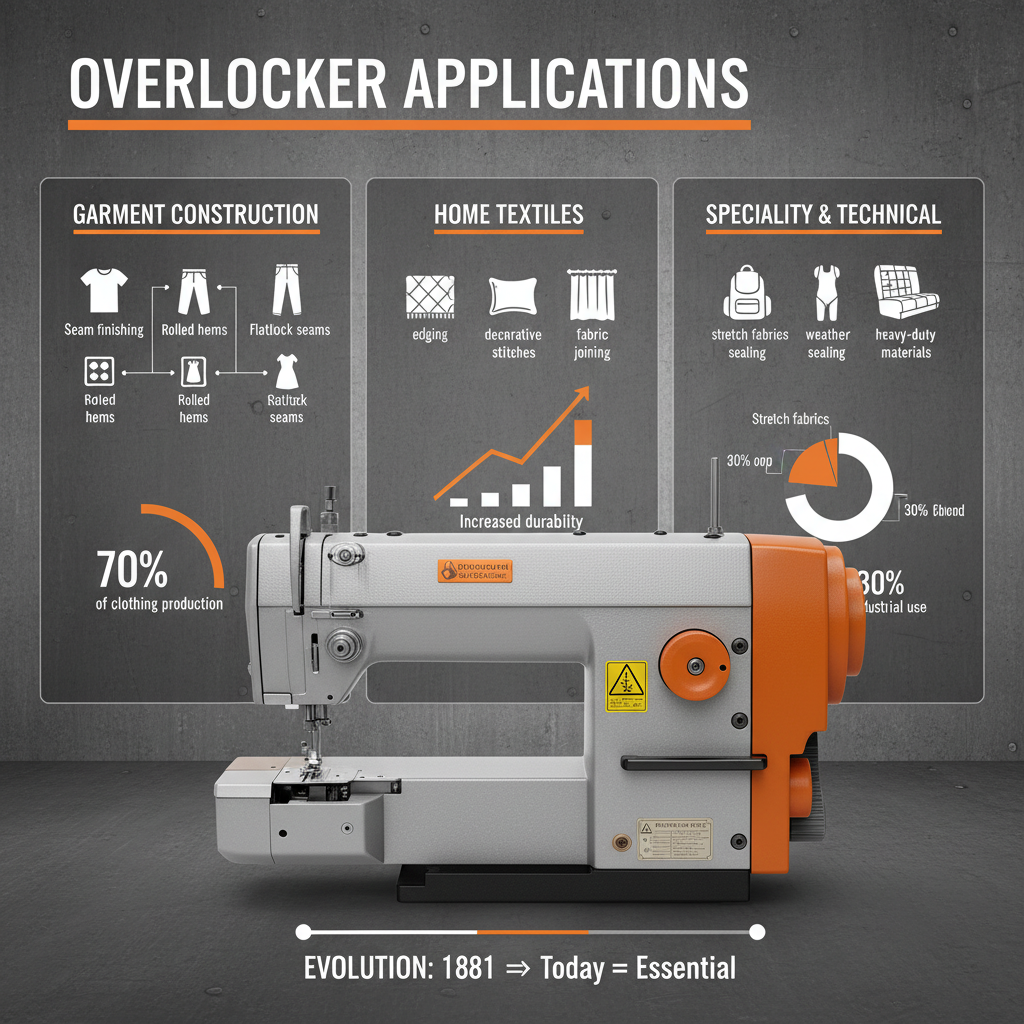
Choosing the Right Overlocker: Features to Consider
When choosing an overlocker, consider the number of threads it can handle (typically 3, 4, or 5), the differential feed adjustment, and the ease of threading. Automatic threading features can save you a significant amount of time and frustration. Also, consider the stitch length and width adjustability, as well as the presser foot options available. Longsew's detailed product specifications help you compare models and find the ideal machine for your projects.
Conclusion: Unleash Your Creative Potential
An overlocker is a versatile machine that can dramatically improve the quality and efficiency of your sewing projects. From creating professional-looking garments to crafting beautiful home decor, the possibilities are endless. Investing in a reliable overlocker, like those available at Longsew, will unlock your creative potential and elevate your sewing to the next level.
Frequently Asked Questions (FAQs)
What fabrics can I use with an overlocker?
An overlocker is incredibly versatile and can handle a wide range of fabrics, including woven fabrics like cotton, linen, and silk, as well as knit fabrics like jersey, fleece, and ribbing. It's also suitable for lightweight fabrics like chiffon and voile, and even heavier fabrics like denim and canvas. The key is to choose the appropriate needles, thread, and stitch settings for the specific fabric you're using. Experimentation is key to mastering different fabric types!
How often should I oil my overlocker?
Regular oiling is crucial for maintaining the smooth operation of your overlocker. Generally, you should oil it before each major project, or at least every 8 hours of use. Refer to your overlocker's manual for specific oiling points and recommended oil types. Proper lubrication reduces friction, prevents wear and tear, and ensures optimal performance. Neglecting oiling can lead to skipped stitches and mechanical problems.
Is an overlocker essential for all sewing projects?
While not essential for every project, an overlocker significantly enhances the quality and finish of many sewing creations. A regular sewing machine can achieve basic seam finishing, but an overlocker provides a more professional, durable, and efficient result, especially when working with knit fabrics. For garments, activewear, and projects requiring a clean, polished look, an overlocker is highly recommended. For very simple projects, it might not be necessary, but its versatility makes it a worthwhile investment for most sewers.
What is differential feed and how does it help?
Differential feed is a feature found on most overlockers that allows you to adjust the speed at which the feed dogs move. This is incredibly useful for controlling fabric gathering and preventing wavy seams. If your fabric is stretching or puckering, you can adjust the differential feed to slow down the upper feed dogs. Conversely, if you want to create a gathered effect, you can speed up the upper feed dogs. Mastering differential feed is key to achieving professional results with various fabric types.
Latest news
-
Industrial Bag Sewing Machine Price and Comprehensive Buying GuideNewsApr.16,2026
-
Industrial Hand Held Bag Closer for Efficient Packaging SealingNewsApr.16,2026
-
Industrial Hand Held Bag Closer Sewing Machine for PackagingNewsApr.16,2026
-
Efficient Industrial Bag Closer Sewing Machine for PackagingNewsApr.16,2026
-
Industrial Sewing Guide for Choosing the Right Closer MachineNewsApr.16,2026
-
Guide to Capital Bag Closer Machine Price and Buying FactorsNewsApr.16,2026
-
Say goodbye to inefficient cutting! This heavy-duty webbing hot cutting machine redefines the new standard for industrial cuttingNewsApr.14,2026

Hebei LongSew Machinery Technology Co. Ltd is beginning as sewing machine parts supplier, now Longsew have over twenty years experience in complete set sewing machine offering.


CLASSIFICATION
CONTACT US
-

No.368 North Youyi Street, Shijiazhuang City, Hebei Province, China
-

-

Copyright © 2026 HEBEI LONGSEW MACHINERY TECHNOLOGY CO. LTD All Rights Reserved. Sitemap | Privacy Policy | Top Blog | Global Service