

Mar . 14, 2026 02:05
Back to list
What Can I Make With An Overlocker A Comprehensive Guide To Projects
What Can I Make With An Overlocker?
An overlocker, also known as a serger, is a fantastic sewing machine that opens up a world of possibilities beyond basic seams. It creates a professional finish, preventing fabric fraying and adding durability to your projects. But what can you actually make with an overlocker? From clothing and home décor to accessories and quilts, the applications are incredibly versatile. This article will explore a range of projects suitable for beginners and experienced sewers alike, demonstrating the power and efficiency of this essential machine. Discover how to elevate your sewing game and unlock your creativity with an overlocker.
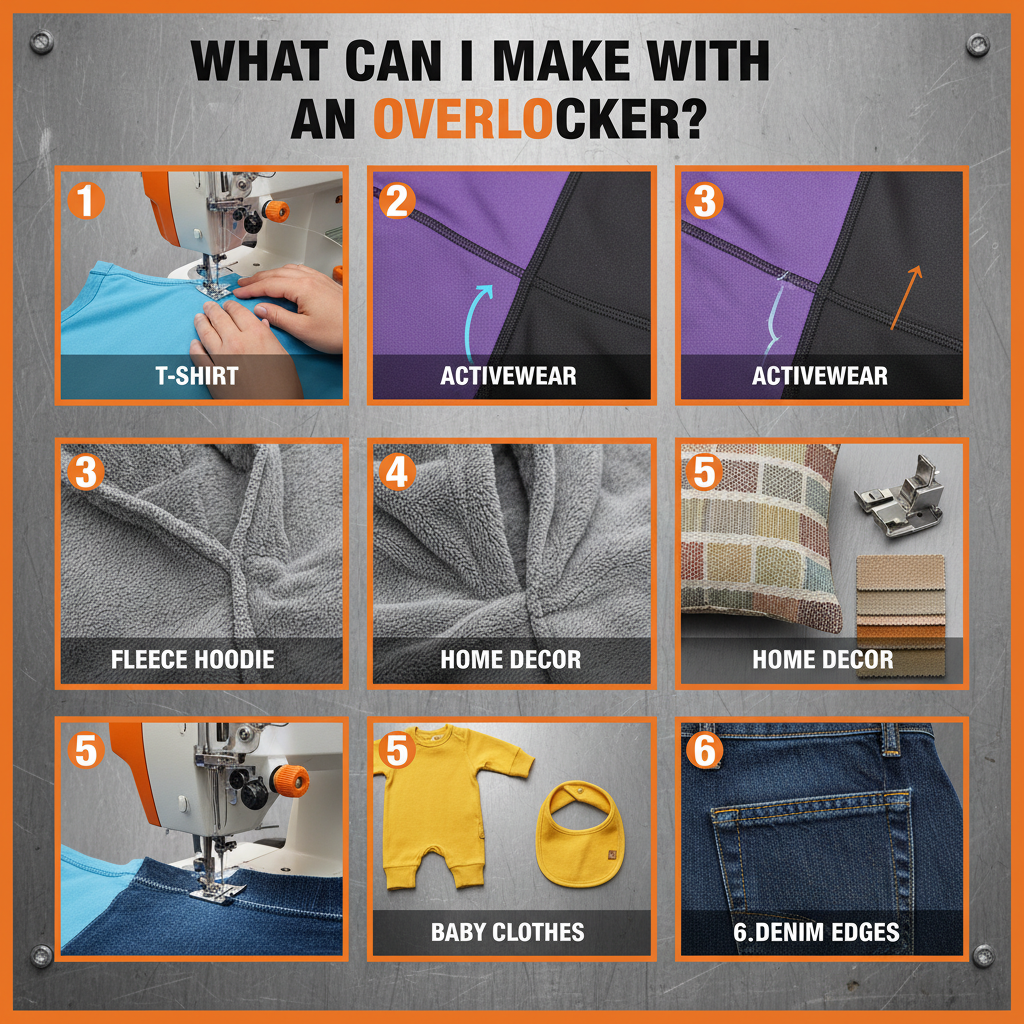
Clothing: The Overlocker’s Core Strength
Clothing construction is where an overlocker truly shines. It’s ideal for finishing seams in t-shirts, dresses, skirts, trousers, and sportswear. The overlocked seams are strong, stretchable (crucial for knit fabrics), and prevent fraying, resulting in garments that look and feel professionally made. You can also use an overlocker to create rolled hems, perfect for lightweight fabrics like chiffon and silk. Many overlockers also feature a flatlock stitch, creating seams that lie flat and are ideal for athletic wear. The speed and efficiency of an overlocker mean you can complete clothing projects much faster than with a traditional sewing machine. Consider learning different threading techniques to tackle a wider range of fabrics and seam finishes. A Longsew overlocker can handle a variety of fabric weights, making it a versatile addition to any sewing room.
Key Highlights: Strong, durable seams; professional finish; prevents fraying; ideal for knit fabrics; creates rolled hems and flatlock stitches.
Home Décor Projects: Beyond the Wardrobe
Don’t limit your overlocker to just clothing! It's perfect for a wide array of home décor projects. Think curtains, cushion covers, tablecloths, and even quilted items. The overlocked edges provide a clean and polished look, eliminating the need for extensive hand-finishing. You can use decorative threads to add a unique touch to your projects. Creating napkins and placemats is a quick and easy project to practice your overlocking skills. For larger items like curtains, an overlocker speeds up the process of joining fabric panels and finishing edges. Consider using an overlocker for binding quilts - it creates a neat and durable finish.
Home Décor Advantages:
• Clean and polished edges
• Eliminates extensive hand-finishing
• Adds durability to projects
• Allows for decorative thread use
What Can I Make With An Overlocker? Accessories & More
The possibilities extend beyond clothing and home décor. An overlocker is excellent for creating accessories like scarves, headbands, tote bags, and reusable shopping bags. It’s also perfect for finishing edges on fleece blankets or baby items. You can even use an overlocker to create professional-looking labels for your handmade projects. For a unique touch, experiment with different colored threads to create decorative seams. The precision of an overlocker ensures consistent, high-quality results, even on small projects.
Quilting and Seam Finishing: Level Up Your Quilts
An overlocker can significantly streamline the quilting process. Use it to join quilt blocks quickly and efficiently, and to finish raw edges before layering. The differential feed function on many overlockers is particularly useful for preventing stretching or puckering in quilt seams. It can also be used to create binding for your quilts, offering a professional and durable finish. Experiment with decorative threads to add unique details to your quilt binding. Choosing a robust Longsew industrial overlocker will handle the thicker layers of quilting fabrics with ease.
Choosing the Right Overlocker for Your Projects
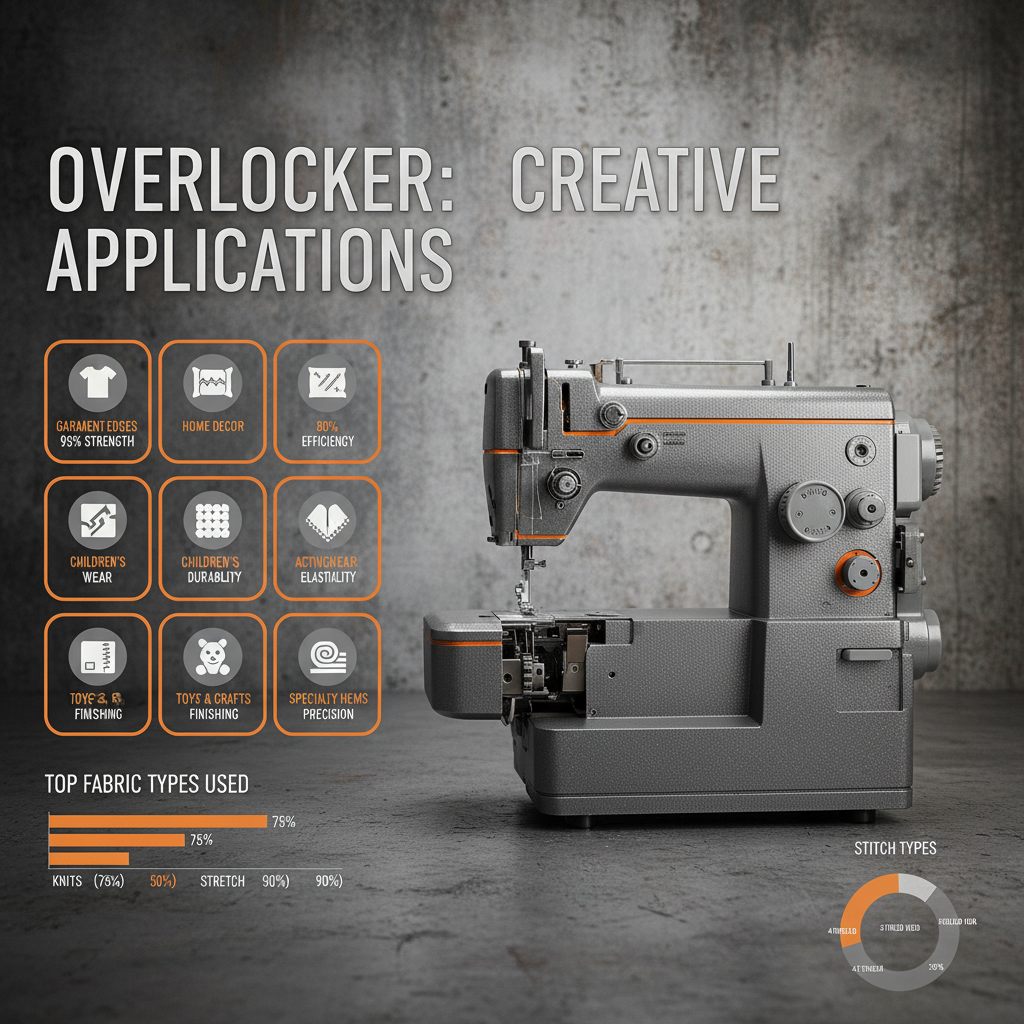
When selecting an overlocker, consider the types of projects you plan to tackle. A basic overlocker is suitable for simple seams and edge finishing. However, if you intend to work with a wide range of fabrics and explore more advanced techniques, consider a model with features like adjustable differential feed, automatic thread tension, and a wider selection of stitch options. Longsew offers a diverse range of overlockers to meet every skill level and project requirement. Remember to read reviews and compare specifications before making a purchase.
Conclusion: Unlock Your Sewing Potential with an Overlocker
The Longsew overlocker is a game-changer for any sewing enthusiast. From crafting professional-looking garments to creating beautiful home décor items, the possibilities are endless. Investing in an overlocker will enhance your sewing skills, save you time, and elevate the quality of your projects. Don’t hesitate to explore the versatile world of overlocking – you’ll be amazed at what you can create!
Frequently Asked Questions (FAQs)
What’s the difference between an overlocker and a sewing machine?
While both machines sew fabric, they serve different purposes. A sewing machine primarily creates straight or zig-zag stitches for joining fabric pieces. An overlocker, however, simultaneously sews a seam, trims the excess fabric, and overlocks the raw edge to prevent fraying. This results in a much more professional and durable finish, especially for knit fabrics. An overlocker is faster and more efficient for finishing seams compared to using a zig-zag stitch on a traditional sewing machine.
Can I use an overlocker on all types of fabric?
Most overlockers can handle a wide range of fabrics, from lightweight silks and chiffons to heavier denims and upholstery fabrics. However, it’s crucial to adjust the stitch length, tension, and differential feed according to the fabric type. Experiment with scrap fabric before starting your project to ensure the settings are optimal. Some overlockers are specifically designed for certain fabric types, so consider this when making a purchase.
How often do I need to oil my overlocker?
Regular oiling is essential for maintaining your overlocker's performance and longevity. The frequency depends on usage, but generally, oiling every few hours of sewing is recommended. Refer to your overlocker's manual for specific oiling instructions. Using the correct type of oil is also crucial – avoid using general-purpose oils, as they can damage the machine. A high-quality sewing machine oil is the best choice.
What is differential feed and why is it important?
Differential feed refers to the ability to adjust the feed dogs to move fabric at different speeds. This feature is particularly useful when working with stretchy fabrics like knits, preventing them from stretching out or puckering during sewing. By adjusting the differential feed, you can achieve a smooth and even seam. It's also helpful for controlling ruffles or gathers in fabric.
Latest news
-
Industrial Bag Sewing Machine Price and Comprehensive Buying GuideNewsApr.16,2026
-
Industrial Hand Held Bag Closer for Efficient Packaging SealingNewsApr.16,2026
-
Industrial Hand Held Bag Closer Sewing Machine for PackagingNewsApr.16,2026
-
Efficient Industrial Bag Closer Sewing Machine for PackagingNewsApr.16,2026
-
Industrial Sewing Guide for Choosing the Right Closer MachineNewsApr.16,2026
-
Guide to Capital Bag Closer Machine Price and Buying FactorsNewsApr.16,2026
-
Say goodbye to inefficient cutting! This heavy-duty webbing hot cutting machine redefines the new standard for industrial cuttingNewsApr.14,2026

Hebei LongSew Machinery Technology Co. Ltd is beginning as sewing machine parts supplier, now Longsew have over twenty years experience in complete set sewing machine offering.


CLASSIFICATION
CONTACT US
-

No.368 North Youyi Street, Shijiazhuang City, Hebei Province, China
-

-

Copyright © 2026 HEBEI LONGSEW MACHINERY TECHNOLOGY CO. LTD All Rights Reserved. Sitemap | Privacy Policy | Top Blog | Global Service