

Mar . 14, 2026 02:05
Back to list
Understanding What Do Overlockers Do A Comprehensive Guide To Textile Finishing
What Do Overlockers Do? A Comprehensive Guide
Overlockers, also known as sergers, are specialized sewing machines that play a crucial role in the garment industry and crafting. But what exactly do overlockers do? They create a professional finish on fabric edges, preventing fraying and adding durability. This article dives deep into the functions, benefits, and types of overlockers, helping you understand their importance in modern textile work. Whether you're a seasoned seamstress or a beginner, learning about overlockers can elevate your sewing projects to a new level.
The Core Function: Securing Fabric Edges
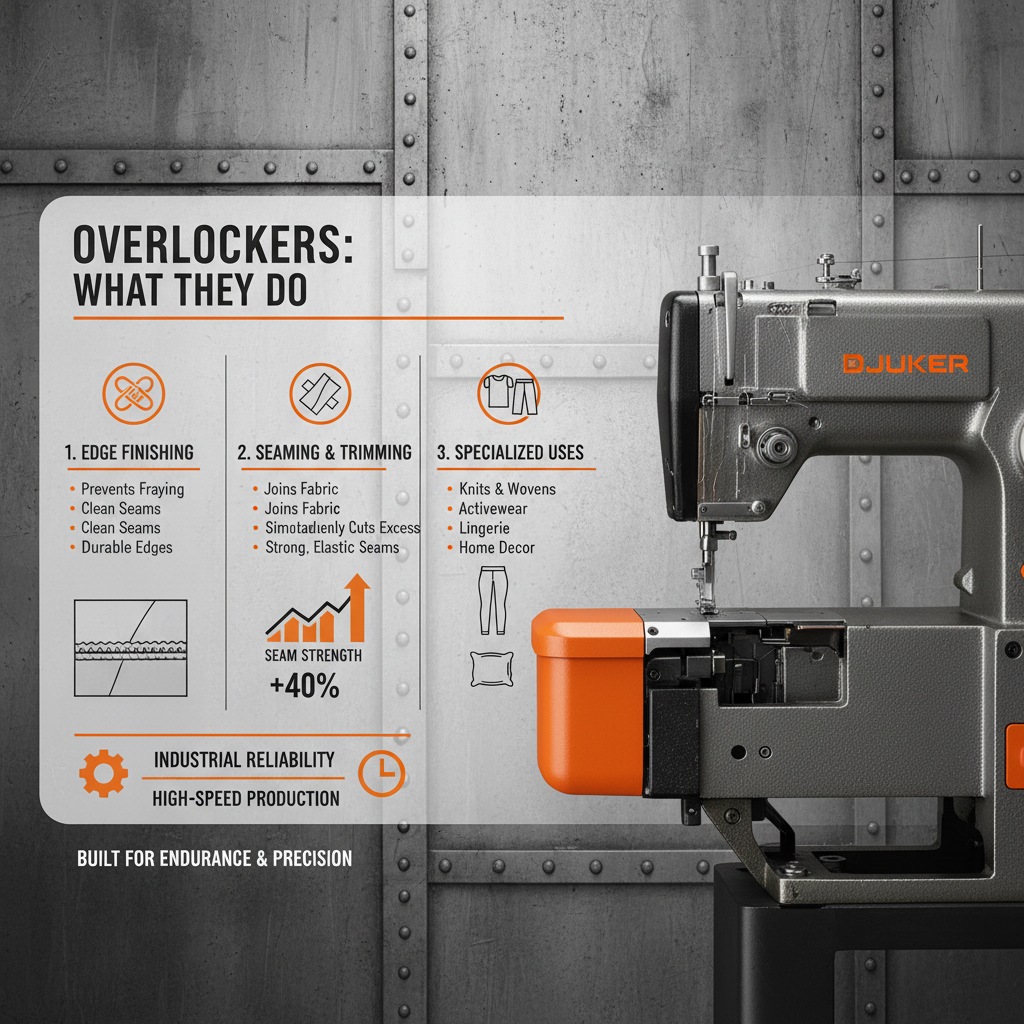
The primary function of an overlocker is to encase the raw edge of fabric with thread, preventing it from unraveling. Unlike a traditional sewing machine that simply stitches along a seam, an overlocker creates a looped overlock stitch that wraps around the edge. This looped stitch provides a clean, durable, and professional finish. This is particularly vital for fabrics prone to fraying, such as knits and woven materials. Without an overlocked edge, garments can quickly appear worn and damaged.
Beyond Fray Prevention: Additional Benefits of Using an Overlocker
While preventing fraying is the core function, overlockers offer a range of additional benefits. They can simultaneously cut, stitch, and finish the edge of the fabric, saving significant time and effort. This is especially valuable in mass production settings. Overlockers also create seams that are more flexible and stretchable than those created by a standard sewing machine, making them ideal for garments made from stretch fabrics like Lycra and spandex. Furthermore, they can be used to create decorative edges and embellishments, adding a unique touch to your projects. Choosing the right overlocker machine will drastically improve efficiency and product quality.
Key Benefits: Saves time by cutting, stitching, and finishing simultaneously. Creates durable and flexible seams. Ideal for stretch fabrics. Adds a professional finish.
Types of Overlockers: Exploring the Options
Several types of overlockers cater to different needs and skill levels. The most common is the 3-4 thread overlocker, versatile enough for most everyday sewing projects. 5-thread overlockers provide even greater durability and are often used for heavier fabrics or garments requiring extra reinforcement. Coverstitch machines, while technically a separate type of machine, are often considered part of the overlocker family. They create a professional-looking hem on knit fabrics, mimicking the look of ready-to-wear garments. Finally, combo overlock/coverstitch machines offer the functionality of both in a single machine, although they often come at a higher price point.
Overlocker Types:
• 3-4 Thread Overlocker: Versatile for everyday sewing.
• 5-Thread Overlocker: Increased durability for heavier fabrics.
• Coverstitch Machine: Creates professional hems on knit fabrics.
• Combo Overlock/Coverstitch: Offers both functionalities in one machine.
What Do Overlockers Do Compared to Regular Sewing Machines?
The key difference lies in the stitching process and resulting finish. A regular sewing machine creates a straight stitch, requiring separate steps for seam finishing (like zig-zagging or using bias tape). An overlocker, however, combines cutting and stitching in one go, creating a clean, encased edge. This makes overlockers significantly faster and more efficient, particularly for projects involving multiple layers or stretchy fabrics. While a sewing machine can sew a seam, an overlocker finishes the seam, ensuring it's durable and won't fray. Choosing between the two depends on the project; sewing machines excel at construction, while overlockers specialize in finishing.
Industries and Applications: Where Overlockers are Essential
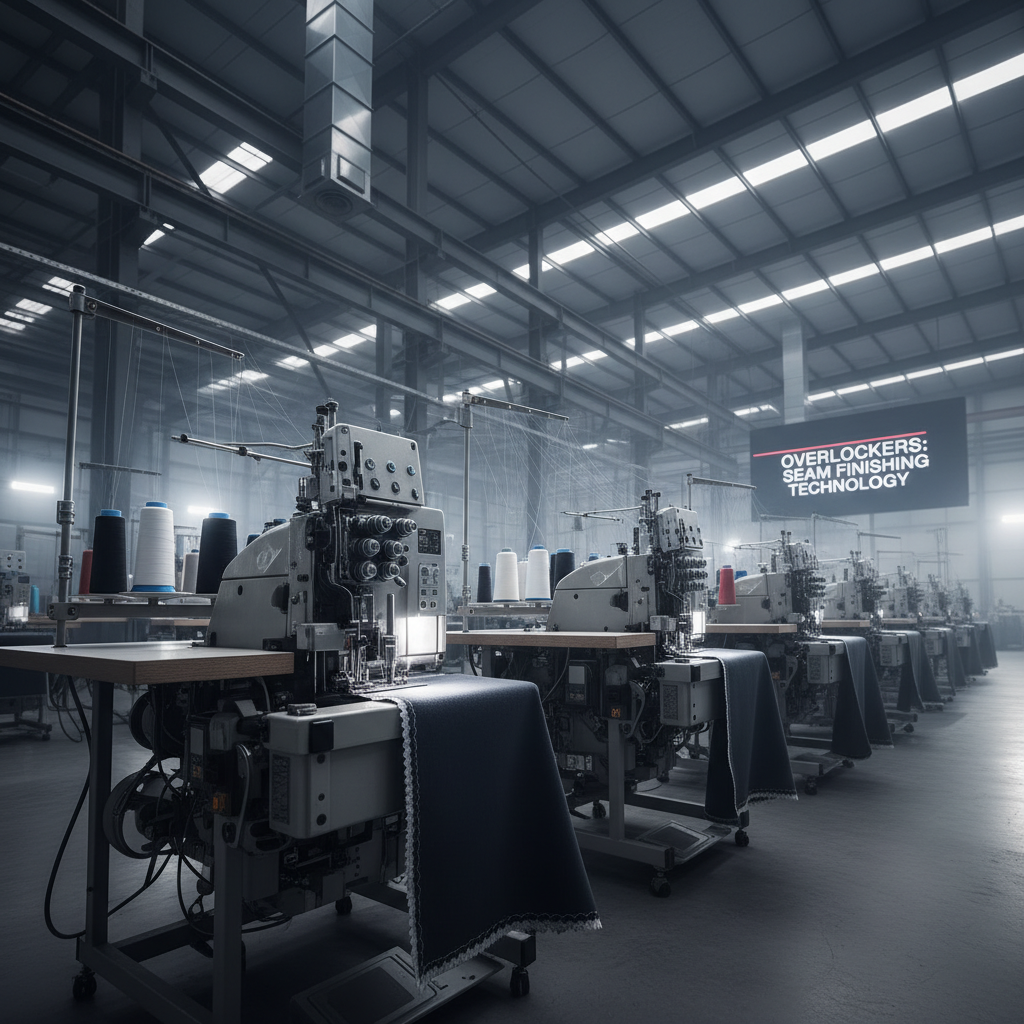
Overlockers are indispensable in various industries. The garment manufacturing industry relies heavily on overlockers for mass-producing clothing with durable and professional finishes. In the sportswear sector, their ability to handle stretch fabrics makes them crucial for creating activewear. Smaller-scale businesses, such as alterations shops and custom garment makers, also benefit from the speed and efficiency of overlockers. Even hobbyist sewers find them invaluable for creating high-quality handmade items. From simple t-shirts to complex couture designs, overlockers play a vital role in bringing textile creations to life. Discover the extensive range of industrial overlock machines at Longsew.
Choosing the Right Overlocker for Your Needs
Selecting the right overlocker depends on your sewing needs and budget. Consider the types of fabrics you'll be working with, the volume of projects you anticipate, and the features you require. A basic 3-4 thread overlocker is a great starting point for beginners and hobbyists. If you frequently work with stretch fabrics or require greater durability, a 5-thread overlocker might be a better investment. For those who need both overlocking and coverstitch capabilities, a combo machine offers convenience, but often at a higher price point. Research different brands and models, read reviews, and consider visiting a sewing machine dealer to try out various options before making a decision.
Conclusion: Elevate Your Sewing with an Overlocker
Investing in an overlocker machine is a game-changer for any serious sewer. By understanding what overlockers do and the various options available, you can choose the perfect machine to elevate your projects to a professional level. From preventing fraying to creating durable and flexible seams, an overlocker is an essential tool for achieving high-quality results. Don't settle for less – experience the difference an overlocker can make.
Frequently Asked Questions (FAQs)
What kind of fabric is best suited for overlocking?
While overlockers can handle a variety of fabrics, they excel with knit fabrics like jersey and spandex, which tend to fray easily. They also work well with woven fabrics, fleece, and even lightweight denim. The key is to use the appropriate needle, thread, and stitch settings for the specific fabric weight and type. Generally, lighter fabrics require finer needles and threads, while heavier fabrics need more robust settings. Experimentation is key to finding the optimal settings for your materials.
Can an overlocker replace a serger?
The terms “overlocker” and “serger” are often used interchangeably, and for most practical purposes, they refer to the same type of machine. However, some individuals prefer the term "serger" for machines with more advanced features, like automatic thread tension or differential feed. In reality, all sergers are overlockers, but not all overlockers have the bells and whistles that people associate with "sergers."
How often should I oil my overlocker?
Regular oiling is crucial for maintaining your overlocker's performance. Generally, you should oil your machine before each use or after every 8 hours of sewing. Focus on oiling the areas identified in your machine's manual, such as the loopers, needles, and tension discs. Using the correct type of sewing machine oil is also essential. Neglecting oiling can lead to friction, wear, and ultimately, machine malfunction.
What is differential feed and why is it important?
Differential feed is a feature found on many overlockers that allows you to adjust the speed at which the feed dogs move the fabric layers. This is particularly useful when sewing stretchy fabrics, as it prevents them from stretching out or puckering. Increasing the differential feed can help prevent wavy seams on lightweight knit fabrics, while decreasing it can help prevent puckering on heavier materials. Mastering differential feed allows you to achieve perfect seams on a wide range of fabrics.
Latest news
-
Industrial Bag Sewing Machine Price and Comprehensive Buying GuideNewsApr.16,2026
-
Industrial Hand Held Bag Closer for Efficient Packaging SealingNewsApr.16,2026
-
Industrial Hand Held Bag Closer Sewing Machine for PackagingNewsApr.16,2026
-
Efficient Industrial Bag Closer Sewing Machine for PackagingNewsApr.16,2026
-
Industrial Sewing Guide for Choosing the Right Closer MachineNewsApr.16,2026
-
Guide to Capital Bag Closer Machine Price and Buying FactorsNewsApr.16,2026
-
Say goodbye to inefficient cutting! This heavy-duty webbing hot cutting machine redefines the new standard for industrial cuttingNewsApr.14,2026

Hebei LongSew Machinery Technology Co. Ltd is beginning as sewing machine parts supplier, now Longsew have over twenty years experience in complete set sewing machine offering.


CLASSIFICATION
CONTACT US
-

No.368 North Youyi Street, Shijiazhuang City, Hebei Province, China
-

-

Copyright © 2026 HEBEI LONGSEW MACHINERY TECHNOLOGY CO. LTD All Rights Reserved. Sitemap | Privacy Policy | Top Blog | Global Service