

Apr . 07, 2026 01:55
Back to list
Understanding the Back Closer Machine for Garment Production Efficiency
Understanding the Back Closer Machine: A Comprehensive Guide
In the dynamic world of garment manufacturing, efficiency and precision are paramount. The back closer machine plays a crucial role in streamlining the finishing process, particularly for jackets, coats, and tailored clothing. This article delves into the intricacies of these machines, exploring their functionality, benefits, and applications. We'll cover the latest technologies and how choosing the right back closer machine can significantly impact your production efficiency and garment quality.
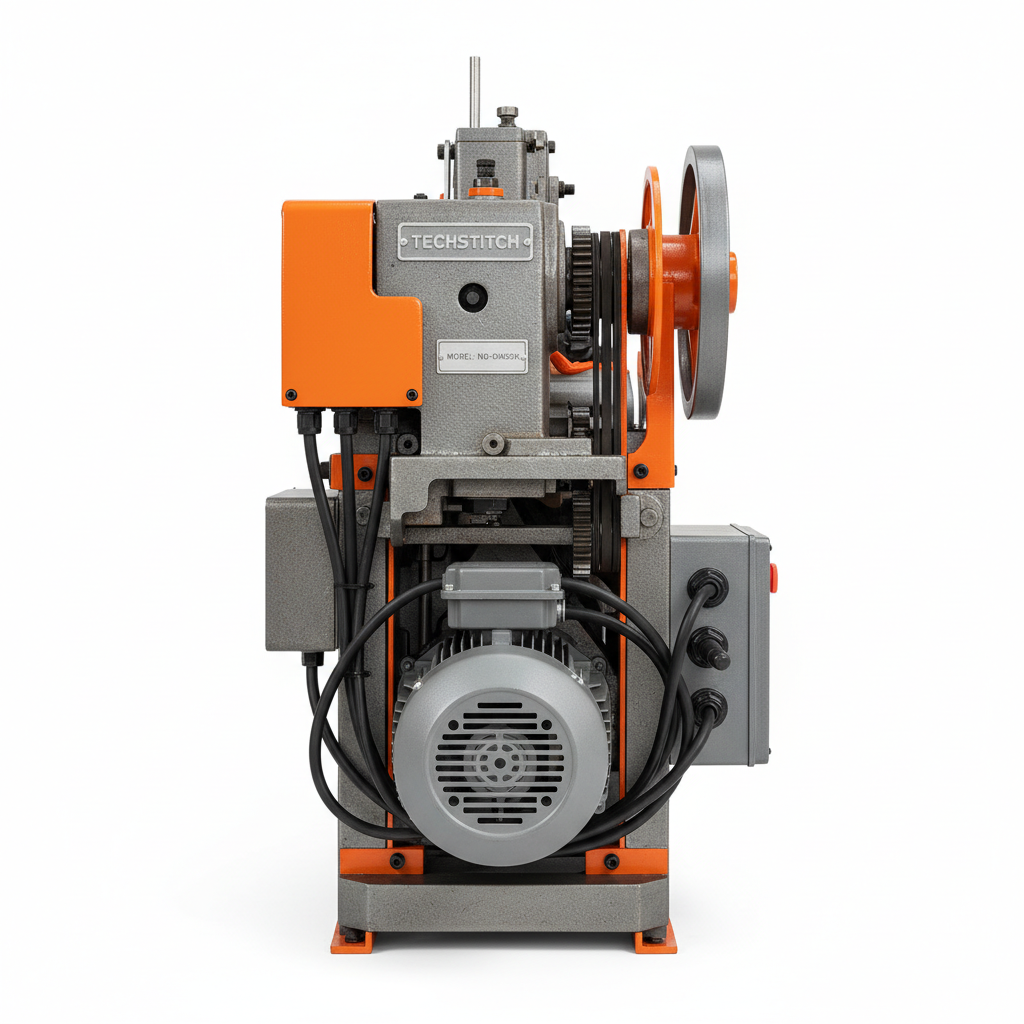
What is a Back Closer Machine?
A back closer machine, also known as a fusing press or back fusing machine, is specialized equipment designed to fuse interlinings to the back of garment panels, primarily the back pieces of jackets and coats. This process provides structure, shape retention, and enhances the overall quality and appearance of the garment. Traditionally done manually, this task is now automated by these machines, offering significant time savings and consistency. The machine applies heat and pressure to bond the interlining to the fabric, creating a durable and aesthetically pleasing finish. A properly fused back provides a cleaner silhouette and improves the garment’s drape.
Key Benefit: Automation of the fusing process reduces labor costs, increases production output, and ensures consistent quality.
Types of Back Closer Machines
Back closer machines come in various configurations to suit different production needs and garment types. The primary distinctions lie in their automation level and pressing method. Here's a breakdown:
Benefits of Using a Back Closer Machine
Investing in a back closer machine offers a multitude of advantages for garment manufacturers:
- Increased Production Efficiency: Automated pressing significantly reduces the time required compared to manual methods.
- Consistent Quality: Precise temperature and pressure control ensure uniform fusing results, enhancing garment quality.
- Reduced Labor Costs: Automation minimizes the need for manual labor, lowering production expenses.
- Improved Garment Structure: Proper fusing provides structure and shape retention, enhancing the overall appearance and durability.
- Enhanced Workplace Safety: Automated machines reduce the risk of burns and other injuries associated with manual fusing.
Selecting the Right Back Closer Machine for Your Needs
Choosing the right back closer machine requires careful consideration of your production volume, garment types, and budget. Factors to consider include the machine's pressing area, temperature control accuracy, automation level, and energy efficiency. Longsew offers a diverse range of back closer machines to meet varying production demands. Consulting with a machinery expert can help you identify the optimal solution for your specific needs.
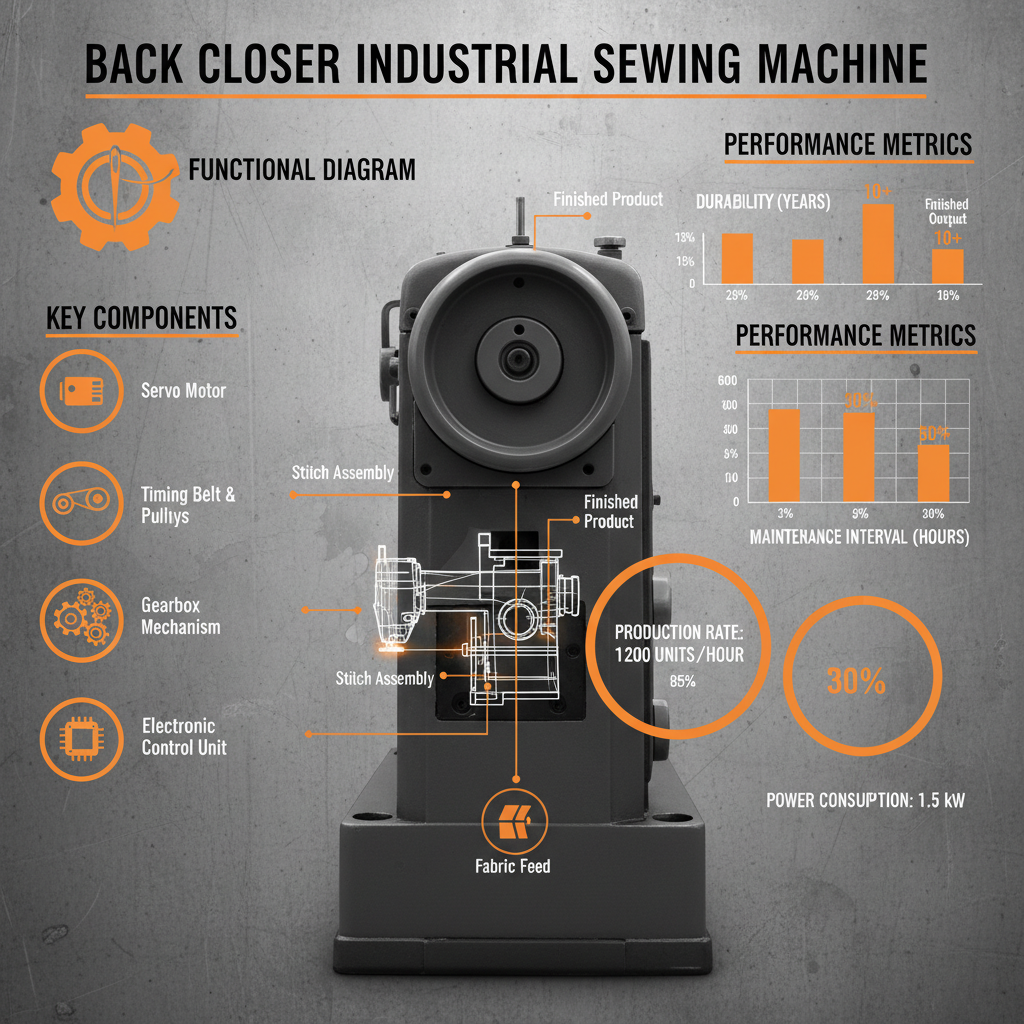
Maintaining Your Back Closer Machine: Best Practices
Regular maintenance is essential for ensuring the longevity and optimal performance of your back closer machine. This includes cleaning the pressing surfaces, inspecting heating elements, and lubricating moving parts. Following the manufacturer's recommended maintenance schedule will prevent breakdowns and minimize downtime. Proper maintenance not only extends the machine's lifespan but also ensures consistent quality and safety.
Conclusion: Streamlining Garment Production with Back Closer Technology
The back closer machine represents a significant advancement in garment manufacturing technology. By automating the fusing process, these machines enhance efficiency, improve quality, and reduce production costs. Investing in a reliable back closer machine is a strategic decision for any garment manufacturer seeking to optimize their operations and stay competitive in today's market.
Frequently Asked Questions (FAQs)
What types of fabrics can be fused with a back closer machine?
Back closer machines are versatile and can fuse a wide range of fabrics, including wool, cotton, polyester, and blends. The key is selecting the appropriate interlining and adjusting the machine's temperature and pressure settings according to the fabric type. Always test a small sample before proceeding with a full production run to ensure optimal fusing results. Some delicate fabrics may require lower temperatures and shorter pressing times.
How do I determine the correct temperature and pressure settings for fusing?
Determining the correct settings requires experimentation and depends on the fabric and interlining being used. Start with the manufacturer's recommendations for both the fabric and interlining. Begin with a lower temperature and gradually increase it until a secure bond is achieved without damaging the fabric. Similarly, start with lower pressure and increase it incrementally. A properly fused fabric should exhibit a strong bond without visible glue bleed or fabric distortion.
What are the common problems encountered with back closer machines?
Common issues include uneven fusing, fabric distortion, and machine malfunctions. Uneven fusing can be caused by inconsistent temperature distribution or incorrect pressure settings. Fabric distortion can result from excessive temperature or pressure. Machine malfunctions can stem from faulty heating elements, worn-out parts, or improper maintenance. Regular maintenance and adherence to the manufacturer's guidelines can prevent many of these problems.
What safety precautions should be taken when operating a back closer machine?
Back closer machines operate at high temperatures and pressures, requiring strict adherence to safety protocols. Always wear appropriate protective gear, including heat-resistant gloves and eye protection. Never place your hands or body parts near the pressing surfaces during operation. Ensure the machine is properly grounded and that all safety features are functioning correctly. Regularly inspect the machine for any signs of damage or malfunction.
Latest news
-
Industrial Bag Sewing Machine Price and Comprehensive Buying GuideNewsApr.16,2026
-
Industrial Hand Held Bag Closer for Efficient Packaging SealingNewsApr.16,2026
-
Industrial Hand Held Bag Closer Sewing Machine for PackagingNewsApr.16,2026
-
Efficient Industrial Bag Closer Sewing Machine for PackagingNewsApr.16,2026
-
Industrial Sewing Guide for Choosing the Right Closer MachineNewsApr.16,2026
-
Guide to Capital Bag Closer Machine Price and Buying FactorsNewsApr.16,2026
-
Say goodbye to inefficient cutting! This heavy-duty webbing hot cutting machine redefines the new standard for industrial cuttingNewsApr.14,2026

Hebei LongSew Machinery Technology Co. Ltd is beginning as sewing machine parts supplier, now Longsew have over twenty years experience in complete set sewing machine offering.


CLASSIFICATION
CONTACT US
-

No.368 North Youyi Street, Shijiazhuang City, Hebei Province, China
-

-

Copyright © 2026 HEBEI LONGSEW MACHINERY TECHNOLOGY CO. LTD All Rights Reserved. Sitemap | Privacy Policy | Top Blog | Global Service