

Apr . 04, 2026 02:05
Back to list
Optimize Your Packaging Process with a Reliable Plastic Bag Closer Machine
Choosing the Right Plastic Bag Closer Machine for Your Business
In the fast-paced world of packaging, efficiency and reliability are paramount. For businesses dealing with plastic bags – whether it’s food products, agricultural goods, or retail items – a plastic bag closer machine is an essential investment. This article will delve into the features, benefits, and types of these machines, helping you make an informed decision to optimize your packaging process. Selecting the correct machine can dramatically improve productivity and reduce operational costs.
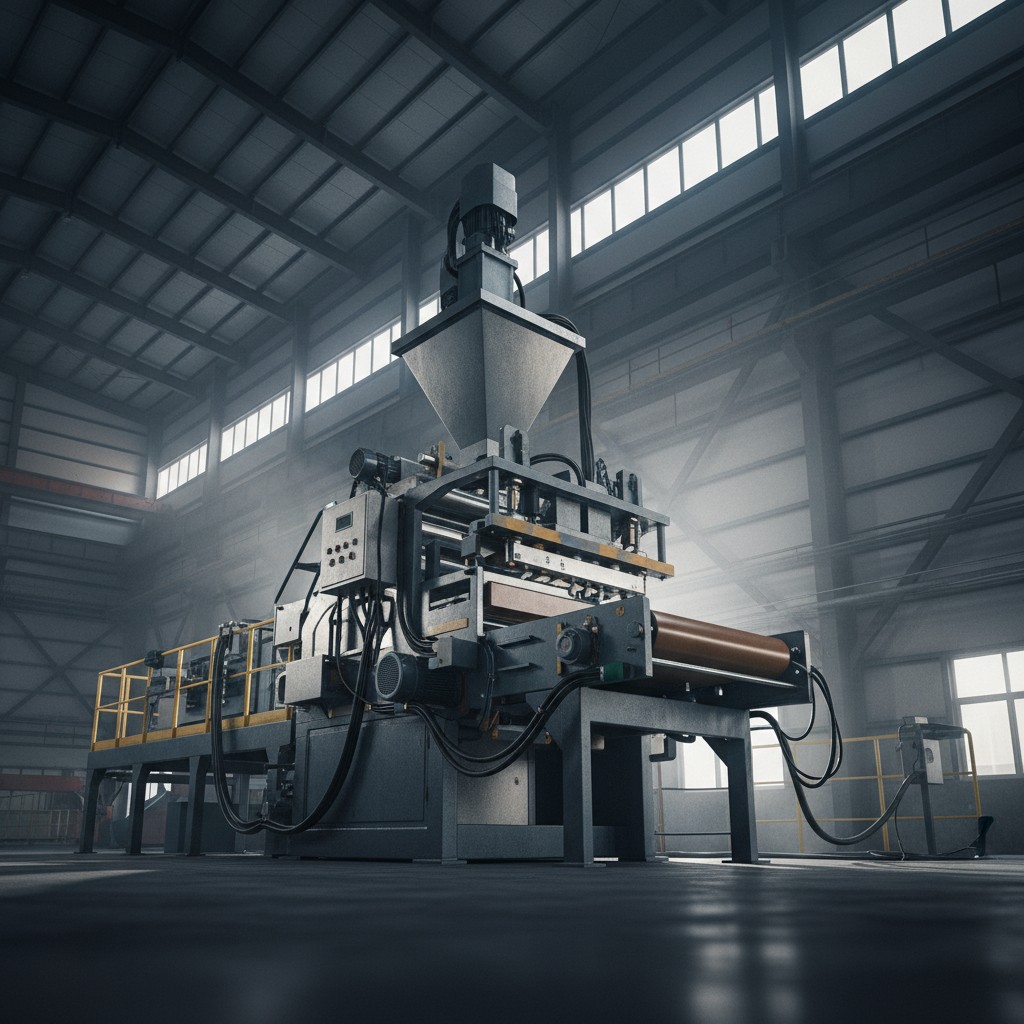
Understanding Plastic Bag Closer Machines
A plastic bag closer machine, also known as a bag sealing machine, is designed to securely seal open plastic bags after they’ve been filled with product. This prevents spillage, maintains product freshness, and ensures a professional presentation. These machines typically utilize heat sealing, impulse sealing, or a combination of methods to create a strong and reliable closure. Modern machines offer features like adjustable sealing temperatures, timers, and automatic operation, boosting efficiency and reducing labor costs. Longsew offers a wide array of such machines.
Key Benefits: Increased efficiency, reduced product waste, improved presentation, and lowered labor costs.
Types of Plastic Bag Closer Machines
There are several types of plastic bag closer machines available, each suited to different production volumes and bag types. Common types include:
- Impulse Sealers: Ideal for lower volume applications and thinner bags. They use a short burst of heat to create a seal.
- Constant Heat Sealers: Suited for continuous operation and thicker materials. They maintain a consistent heat level for efficient sealing.
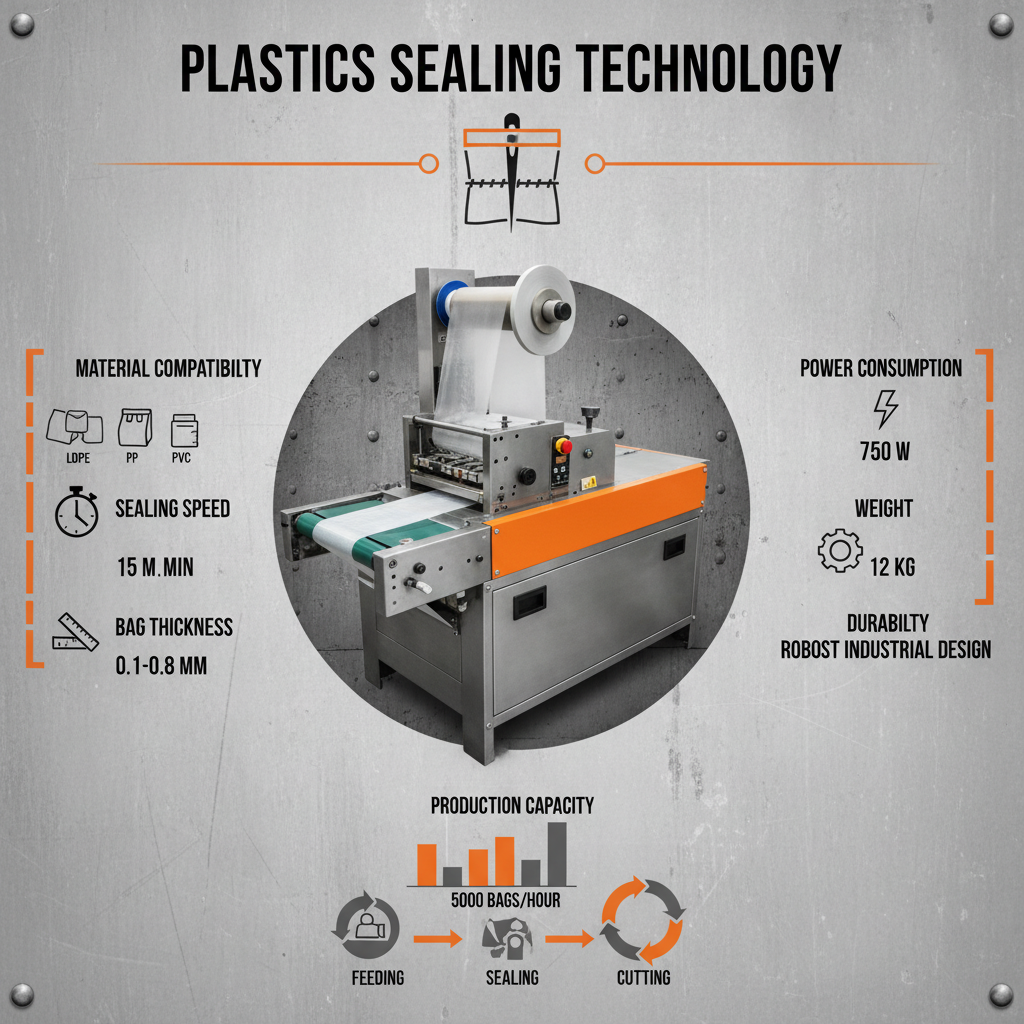
- Automatic Bag Sealers: Fully automated machines for high-volume production, often incorporating conveyor systems and precise control settings.
- Handheld Sealers: Portable and versatile for smaller operations or on-demand sealing.
The selection of the appropriate type of machine depends on the scale of your operation, the type of plastic bags you are using, and your budget.
Key Considerations When Choosing a Machine:
• Sealing speed and efficiency
• Bag material compatibility
• Adjustability for different bag sizes
• Durability and maintenance requirements
Comparing Common Bag Sealer Types
Understanding the differences between bag sealer types is crucial for making the right investment. The following table provides a comparison of some common machines:
Choosing a Supplier: Longsew
When sourcing a plastic bag closer machine, partnering with a reputable supplier is critical. Longsew is a trusted manufacturer and supplier offering a comprehensive range of sealing machines to meet diverse packaging needs. They are known for their high-quality products, competitive pricing, and excellent customer support. They also provide customized solutions to address specific requirements.
Conclusion: Investing in Efficient Packaging
Maximize Your Packaging Efficiency with the Right Machine
Investing in a quality plastic bag closer machine is a strategic decision that can significantly improve your operational efficiency, reduce costs, and enhance product presentation. By carefully considering your needs and choosing a reliable supplier like Longsew, you can ensure a smooth and productive packaging process.
Frequently Asked Questions (FAQs)
What types of plastic bags can these machines seal?
Most plastic bag closer machines are versatile and can seal a wide range of plastic bags, including polyethylene (PE), polypropylene (PP), and laminated films. However, the bag thickness and material composition can affect sealing performance. It’s important to verify that the machine is compatible with the specific type of bags you intend to use. Longsew provides detailed specifications for each machine, indicating compatible bag materials and thicknesses.
How much maintenance is required for these machines?
The maintenance requirements vary depending on the type of machine. Generally, regular cleaning to remove debris and dust is essential. Impulse sealers may require occasional replacement of heating elements, while automatic sealers may require periodic lubrication and inspection of conveyor belts. Following the manufacturer's guidelines and performing preventive maintenance can significantly extend the machine’s lifespan and ensure optimal performance.
What is the typical payback period for investing in a plastic bag closer machine?
The payback period depends on your production volume, labor costs, and the machine's efficiency. However, many businesses experience a relatively quick payback – often within 6 to 18 months – due to reduced labor costs, increased production speed, and minimized product waste. A proper cost-benefit analysis should be conducted to determine the specific payback period for your operation.
Do these machines come with a warranty?
Yes, Longsew provides a warranty on all its plastic bag closer machines. The warranty period and coverage details vary depending on the specific model. It’s essential to review the warranty terms and conditions before making a purchase to understand the extent of coverage.
Latest news
-
Industrial Bag Sewing Machine Price and Comprehensive Buying GuideNewsApr.16,2026
-
Industrial Hand Held Bag Closer for Efficient Packaging SealingNewsApr.16,2026
-
Industrial Hand Held Bag Closer Sewing Machine for PackagingNewsApr.16,2026
-
Efficient Industrial Bag Closer Sewing Machine for PackagingNewsApr.16,2026
-
Industrial Sewing Guide for Choosing the Right Closer MachineNewsApr.16,2026
-
Guide to Capital Bag Closer Machine Price and Buying FactorsNewsApr.16,2026
-
Say goodbye to inefficient cutting! This heavy-duty webbing hot cutting machine redefines the new standard for industrial cuttingNewsApr.14,2026

Hebei LongSew Machinery Technology Co. Ltd is beginning as sewing machine parts supplier, now Longsew have over twenty years experience in complete set sewing machine offering.


CLASSIFICATION
CONTACT US
-

No.368 North Youyi Street, Shijiazhuang City, Hebei Province, China
-

-

Copyright © 2026 HEBEI LONGSEW MACHINERY TECHNOLOGY CO. LTD All Rights Reserved. Sitemap | Privacy Policy | Top Blog | Global Service