

Apr . 04, 2026 02:05
Back to list
Maximize Packaging Efficiency with an Automatic Bag Closer Machine
Choosing the Right Automatic Bag Closer Machine
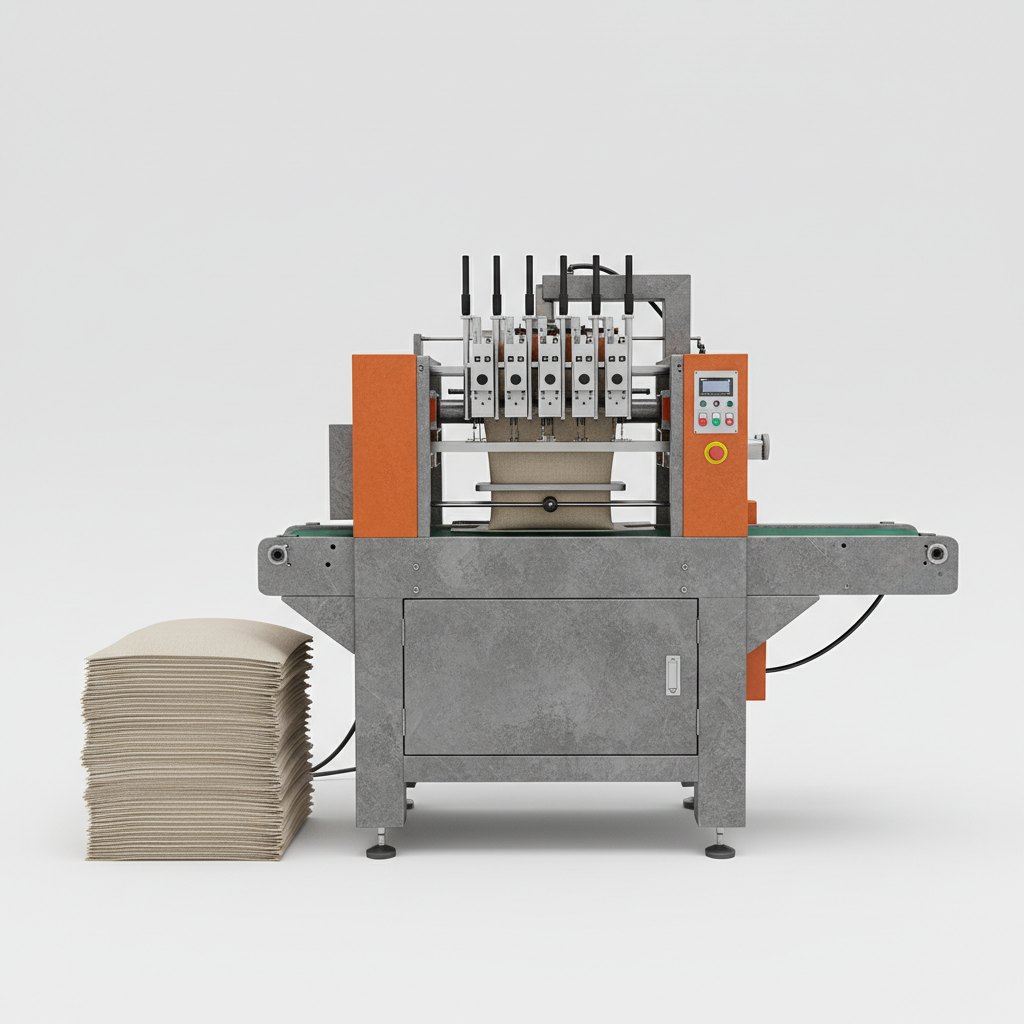
In the fast-paced world of packaging and logistics, efficiency and reliability are paramount. An automatic bag closer machine is a crucial investment for businesses handling granular, powdered, or flaked products. These machines streamline the bagging process, reduce labor costs, and ensure product integrity. This article will delve into the benefits, types, key features, and considerations when selecting the ideal automatic bag closer machine for your specific needs. We’ll explore how this equipment can significantly optimize your packaging operations and improve overall productivity.
Understanding the Benefits of Automatic Bag Closer Machines
Investing in an automatic bag closer machine offers a plethora of advantages. Firstly, it significantly increases packaging speed compared to manual closing methods, boosting overall production output. Secondly, it minimizes labor costs by reducing the need for dedicated personnel to close bags. These machines also ensure consistent and reliable seals, protecting product quality and preventing contamination. Moreover, automation minimizes human error, leading to reduced product wastage. By automating this critical step, businesses can allocate valuable resources to other essential areas of their operations. Finally, a consistent seal quality is essential for maintaining brand reputation and customer satisfaction.
Key Benefits: Increased packaging speed, reduced labor costs, consistent seal quality, minimized product wastage, and improved overall productivity.
Types of Automatic Bag Closer Machines
Automatic bag closer machines come in various configurations to suit different bagging materials and production volumes. The two primary types are:
- Single-Needle Bag Closers: These machines use a single needle and thread to create a strong, secure seal. They are ideal for closing bags made of paper, woven polypropylene, or burlap.
- Double-Needle Bag Closers: Utilizing two needles and threads, these machines offer a more robust and tamper-evident seal. They are commonly used for heavier-duty bags and applications requiring a higher level of security.
Within these types, you'll find variations in automation levels, from semi-automatic models requiring some manual bag positioning to fully automatic systems that handle the entire closing process.
Key Features to Consider When Choosing an Automatic Bag Closer Machine
When selecting an automatic bag closer machine, consider these essential features:
- Bag Material Compatibility: Ensure the machine can handle the type of bags you use (paper, PP woven, burlap, etc.).
- Bag Size Range: Verify the machine can accommodate the dimensions of your bags.
- Sealing Type: Choose between single-needle, double-needle, or other specialized sealing methods.
- Speed and Capacity: Select a machine that can meet your production volume requirements.
- Automation Level: Determine whether a semi-automatic or fully automatic machine best suits your needs.
- User-Friendliness: Look for a machine with an intuitive interface and easy-to-adjust settings.
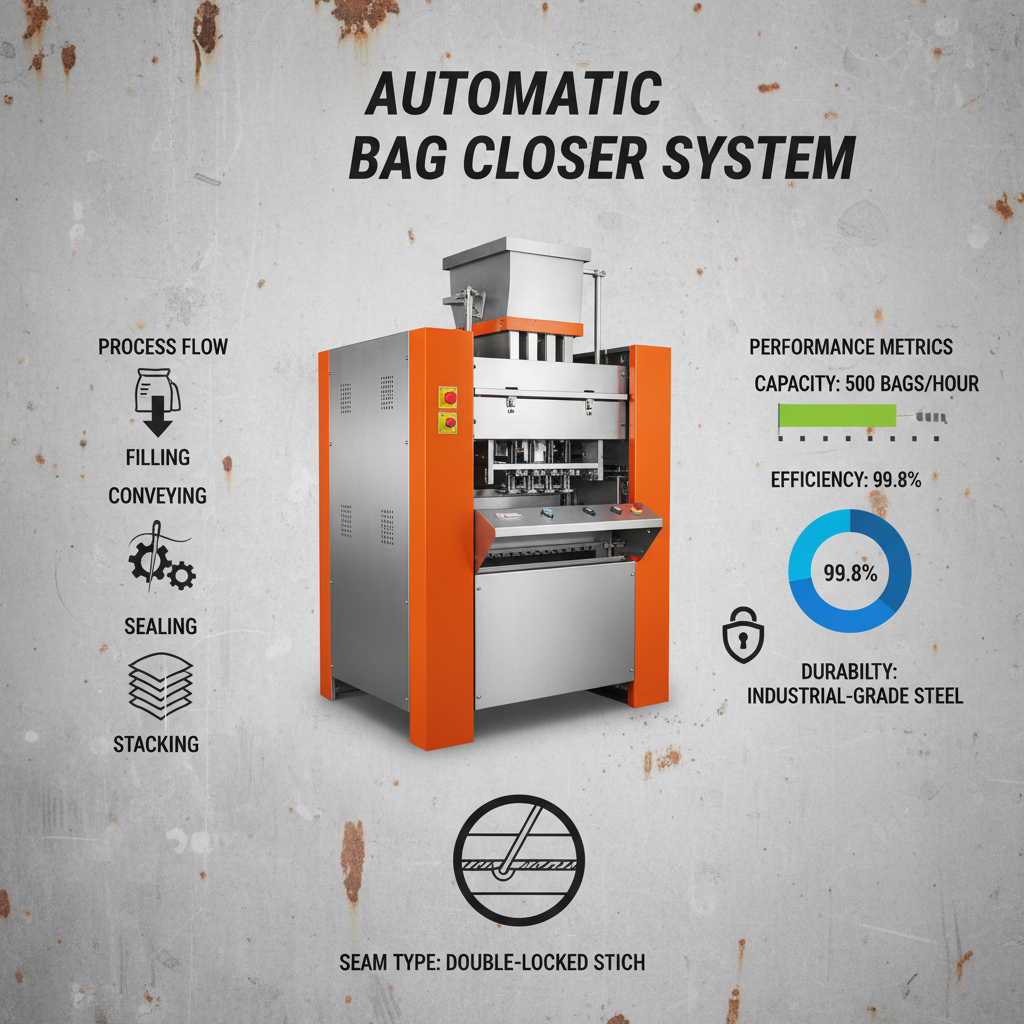
Automatic Bag Closer Machine: A Comparison
Here’s a comparison of single and double needle automatic bag closers:
Longsew: Your Trusted Partner for Automatic Bag Closing Solutions
Longsew provides a comprehensive range of high-quality automatic bag closer machines designed to meet the diverse needs of businesses worldwide. We offer customized solutions, expert technical support, and reliable after-sales service. Contact us today to discuss your specific requirements and discover how our machines can optimize your packaging operations.
Conclusion: Invest in Efficiency with Longsew
Investing in an automatic bag closer machine from Longsew is a strategic step towards enhancing your packaging process. Our machines deliver speed, reliability, and cost-effectiveness, ultimately boosting your bottom line. Let Longsew help you streamline your operations and achieve packaging excellence.
Frequently Asked Questions (FAQs)
What maintenance is required for an automatic bag closer machine?
Regular maintenance is crucial for ensuring the longevity and optimal performance of your automatic bag closer machine. This includes daily cleaning to remove dust and debris, lubricating moving parts as specified in the manufacturer's manual, and regularly inspecting and replacing worn components such as needles, thread, and belts. Proper maintenance prevents breakdowns, minimizes downtime, and extends the machine's lifespan. Longsew offers comprehensive maintenance services and spare parts to support your operations. Preventative maintenance schedules are available to help you stay on top of routine tasks. Regular inspection of the machine's control system and safety features is also recommended.
What types of bags can an automatic bag closer machine seal?
Automatic bag closer machines can seal a wide variety of bag materials, including paper, woven polypropylene (PP), burlap, polyethylene (PE), and laminated bags. However, the specific type of bag material the machine can handle depends on its design and capabilities. It’s essential to select a machine compatible with your specific bag material. Machines can be adjusted to accommodate different bag thicknesses and dimensions. Longsew offers machines tailored to specific bag types, ensuring a secure and reliable seal every time. We also offer assistance in selecting the right machine for your particular bagging needs.
How do I troubleshoot common issues with my bag closer machine?
Common issues with automatic bag closer machines include thread breakage, needle problems, and sealing inconsistencies. Thread breakage can often be resolved by ensuring the thread tension is correct and the thread path is clear. Needle problems may require replacing the needle or adjusting its position. Sealing inconsistencies can be caused by incorrect temperature settings, pressure issues, or worn sealing components. The Longsew website provides troubleshooting guides, and our technical support team is available to assist with more complex issues. Regular preventative maintenance can significantly reduce the likelihood of these problems.
Latest news
-
Industrial Bag Sewing Machine Price and Comprehensive Buying GuideNewsApr.16,2026
-
Industrial Hand Held Bag Closer for Efficient Packaging SealingNewsApr.16,2026
-
Industrial Hand Held Bag Closer Sewing Machine for PackagingNewsApr.16,2026
-
Efficient Industrial Bag Closer Sewing Machine for PackagingNewsApr.16,2026
-
Industrial Sewing Guide for Choosing the Right Closer MachineNewsApr.16,2026
-
Guide to Capital Bag Closer Machine Price and Buying FactorsNewsApr.16,2026
-
Say goodbye to inefficient cutting! This heavy-duty webbing hot cutting machine redefines the new standard for industrial cuttingNewsApr.14,2026

Hebei LongSew Machinery Technology Co. Ltd is beginning as sewing machine parts supplier, now Longsew have over twenty years experience in complete set sewing machine offering.


CLASSIFICATION
CONTACT US
-

No.368 North Youyi Street, Shijiazhuang City, Hebei Province, China
-

-

Copyright © 2026 HEBEI LONGSEW MACHINERY TECHNOLOGY CO. LTD All Rights Reserved. Sitemap | Privacy Policy | Top Blog | Global Service