

Jan . 27, 2026 17:25
Back to list
Choosing the Best Handheld Sewing Machine for Thick Fabric Projects
Choosing the Right Handheld Sewing Machine for Thick Fabric
Selecting a handheld sewing machine capable of handling thick fabrics is crucial for various projects, from upholstery and leatherwork to denim and canvas. Not all portable machines are created equal, and using the wrong one can lead to frustration, broken needles, and damaged materials. This guide explores key considerations, features, and top recommendations for handheld sewing machines that excel at sewing through substantial textiles. We’ll delve into what makes a machine suitable for thicker materials and how to choose the best one for your specific needs.
Understanding the Challenges of Sewing Thick Fabric
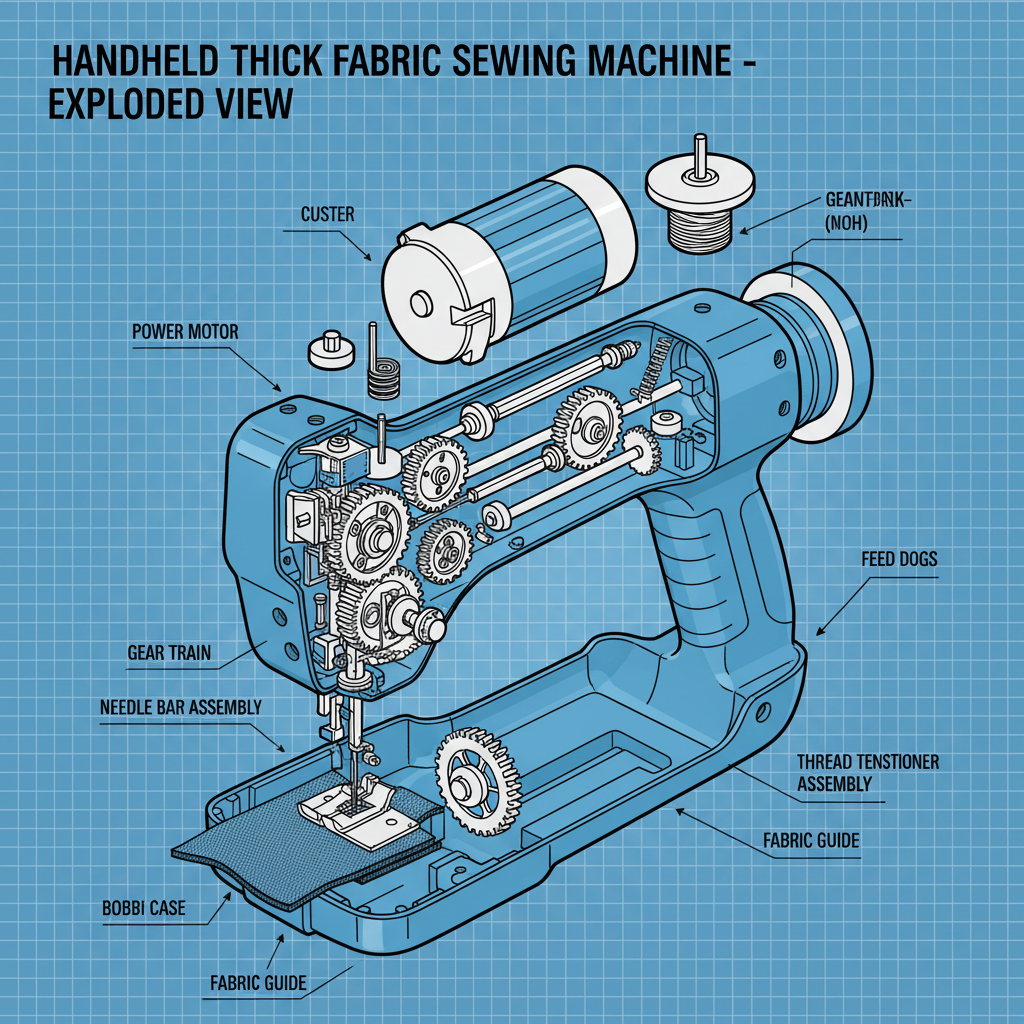
Thick fabrics present unique challenges for sewing machines. They require more power to penetrate the material, and standard needles often bend or break. The heavier weight can also strain the motor and feeding mechanism of less robust machines. Features like a powerful motor, adjustable presser foot pressure, and the ability to use heavy-duty needles are essential. Attempting to sew thick materials with an inadequate machine can result in skipped stitches, uneven seams, and potential damage to both the machine and the fabric. The right handheld machine tackles these challenges head-on.
Key Considerations: A powerful motor, adjustable presser foot pressure, and compatibility with heavy-duty needles are crucial for success with thick fabrics.
Key Features to Look for in a Handheld Sewing Machine for Thick Fabric
When choosing a handheld sewing machine for thick fabric, prioritize machines with a robust motor (at least 60W is recommended), adjustable stitch length and width, and the capability to handle heavy-duty needles (size 16 or 18). A metal frame provides greater stability and durability compared to plastic models. Look for features like adjustable presser foot pressure, which allows you to increase the force applied to the fabric, and a drop-in bobbin system for easy setup. Reverse stitching is also essential for securing seams. These features ensure the machine can reliably handle the demands of working with heavier materials.
Essential Features:
• Powerful Motor (60W+)
• Adjustable Stitch Length & Width
• Heavy-Duty Needle Compatibility (Size 16/18)
• Adjustable Presser Foot Pressure
Handheld Sewing Machine Comparison: Power and Capability
Comparing different handheld sewing machines can be tricky, but understanding their specifications is key. The table below highlights several models and their suitability for thicker fabrics. It’s important to remember that “handheld” implies a certain level of power limitation, so managing expectations is vital. For extremely thick materials, a heavier-duty portable or standard machine might be more appropriate. However, these handheld options provide convenient solutions for many common tasks.
Tips for Sewing Thick Fabric with a Handheld Machine
Successful sewing with thick fabrics requires patience and the right techniques. Use a heavy-duty needle, such as a size 16 or 18, specifically designed for denim or leather. Reduce your sewing speed to allow the machine to properly penetrate the material. Increase the presser foot pressure to ensure firm contact. Consider using a walking foot attachment if your machine is compatible; this helps feed the fabric evenly. Test your settings on a scrap piece of fabric before starting your project. And, most importantly, don't force the fabric – let the machine do the work. Browse Longsew's selection of handheld sewing machines today!
Conclusion: Finding the Right Tool for the Job
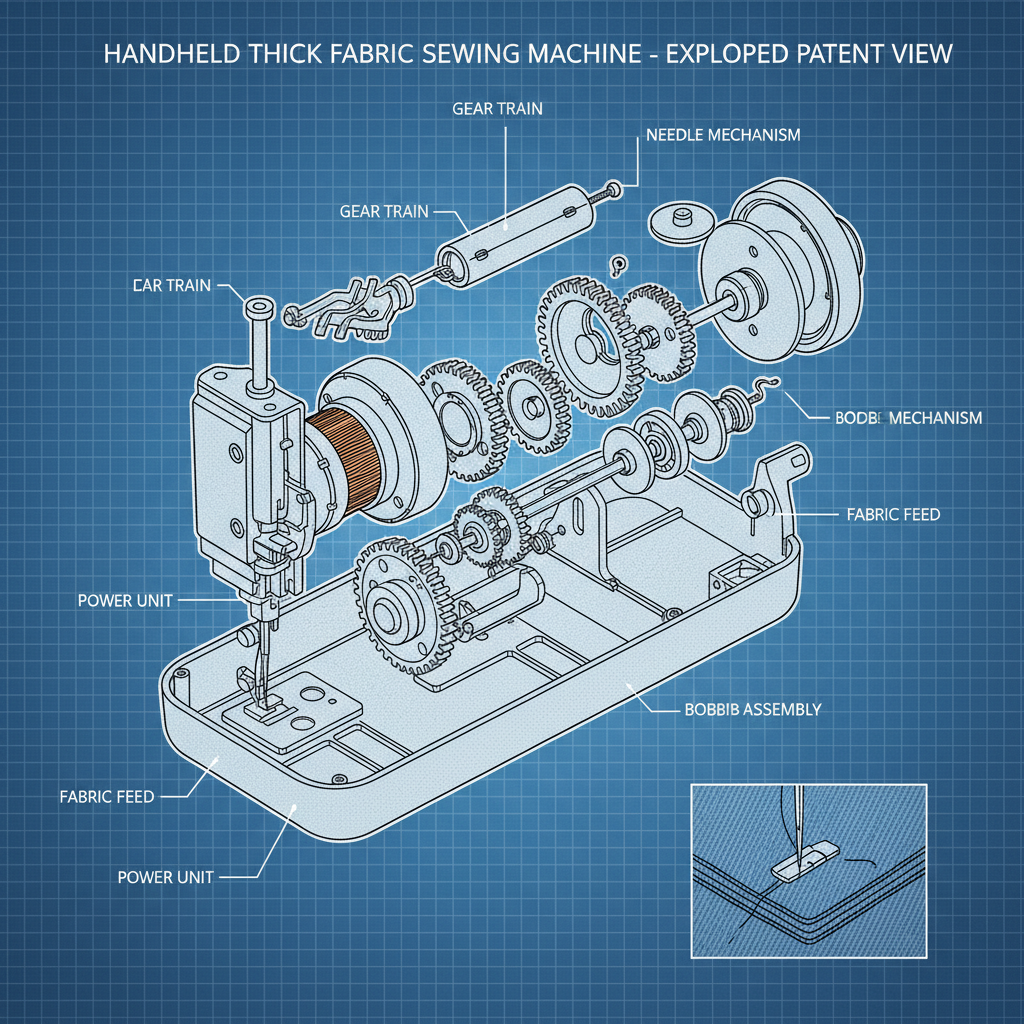
Investing in the right handheld sewing machine for thick fabric can save you time, frustration, and potentially costly repairs. By carefully considering the features and specifications discussed above, you can find a machine that meets your specific needs and delivers reliable performance.
Don’t compromise on quality – choose a machine designed to handle the challenges of thicker materials.
Frequently Asked Questions (FAQs)
What needle size should I use for sewing denim with a handheld machine?
For most denim fabrics, a size 16 (100/18) needle is recommended. This needle is strong enough to penetrate the dense weave of denim without bending or breaking. For heavier denim or multiple layers, consider using a size 18 (110/18) needle. Always use a needle specifically designed for denim to prevent skipped stitches and fabric damage. The correct needle makes a world of difference, and you can find a variety of options at Longsew.
Can I sew leather with a handheld sewing machine?
While some handheld sewing machines can handle thin leather, it’s generally not recommended. Leather is a tough material that requires a powerful motor and a specialized leather needle. Using a standard handheld machine on leather can easily damage the machine or result in poor-quality stitching. If you plan on regularly sewing leather, it's best to invest in a machine specifically designed for leatherworking.
How can I prevent skipped stitches when sewing thick fabric?
Skipped stitches are common when sewing thick fabrics. Ensure you’re using the correct needle size (16 or 18 for denim and heavier materials). Reduce your sewing speed, increase the presser foot pressure, and consider using a walking foot attachment if available. Proper threading of the machine and using quality thread are also essential. If the problem persists, try adjusting the tension settings on your machine. You can explore resources and solutions on Longsew’s support pages.
What is the best way to maintain a handheld sewing machine?
Regular maintenance is key to extending the life of your handheld sewing machine. Clean lint and debris from the bobbin area and feed dogs after each use. Lubricate the machine according to the manufacturer’s instructions. Replace the needle regularly, especially when sewing thick fabrics. Store the machine in a clean, dry place, protected from dust and moisture.
Latest news
-
Industrial Bag Sewing Machine Price and Comprehensive Buying GuideNewsApr.16,2026
-
Industrial Hand Held Bag Closer for Efficient Packaging SealingNewsApr.16,2026
-
Industrial Hand Held Bag Closer Sewing Machine for PackagingNewsApr.16,2026
-
Efficient Industrial Bag Closer Sewing Machine for PackagingNewsApr.16,2026
-
Industrial Sewing Guide for Choosing the Right Closer MachineNewsApr.16,2026
-
Guide to Capital Bag Closer Machine Price and Buying FactorsNewsApr.16,2026
-
Say goodbye to inefficient cutting! This heavy-duty webbing hot cutting machine redefines the new standard for industrial cuttingNewsApr.14,2026

Hebei LongSew Machinery Technology Co. Ltd is beginning as sewing machine parts supplier, now Longsew have over twenty years experience in complete set sewing machine offering.


CLASSIFICATION
CONTACT US
-

No.368 North Youyi Street, Shijiazhuang City, Hebei Province, China
-

-

Copyright © 2026 HEBEI LONGSEW MACHINERY TECHNOLOGY CO. LTD All Rights Reserved. Sitemap | Privacy Policy | Top Blog | Global Service