

Mar . 26, 2026 01:55
Back to list
What is the Price of Overlock Machine A Detailed Pricing Guide
What is the Price of Overlock Machine? A Comprehensive Guide
Determining the price of an overlock machine can be complex, as it depends on numerous factors, from the machine's features and capabilities to the brand and vendor. This guide will break down the pricing landscape, explore the factors influencing cost, and offer insights into finding the right machine for your needs and budget. Whether you’re a beginner seamstress or a professional apparel manufacturer, understanding these aspects will help you make an informed decision. We’ll delve into different types of overlock machines and what price range you can expect for each.
Factors Influencing the Price of Overlock Machines
Several key factors dictate the price of an overlock machine. The number of threads it can handle is a significant one—machines handling more threads (4, 5, or more) generally cost more. Industrial-grade machines, designed for heavy-duty use in factories, are considerably more expensive than domestic models. Features like automatic thread tension, differential feed, and built-in rolled hem capabilities also add to the price. Brand reputation plays a role, with established brands like Longsew often commanding higher prices due to their reliability and performance. Finally, the vendor—whether you’re buying directly from the manufacturer, a retailer, or through an online marketplace—will affect the final price.
Key Highlights: The number of threads, industrial vs. domestic grade, special features, brand reputation, and vendor all contribute to the final price of an overlock machine.
Price Ranges for Different Types of Overlock Machines
Overlock machines come in various types, each with its own price range. Domestic overlock machines, suitable for home sewing, typically range from $300 to $1,500. Mid-range machines, offering more features and better performance, fall in the $800 to $1,200 bracket. Industrial overlock machines, designed for high-volume production, can cost anywhere from $1,500 to $5,000 or even more, depending on their capabilities and automation features. Specialized machines, like those designed for specific fabrics or applications, can exceed this upper limit. Understanding these ranges will help you narrow down your options based on your budget and sewing needs.
Price Range Breakdown:
• Domestic Overlock Machines: $300 - $1,500
• Mid-Range Machines: $800 - $1,200
• Industrial Overlock Machines: $1,500 - $5,000+
Domestic vs. Industrial Overlock Machine Pricing: A Comparison
The price difference between domestic and industrial overlock machines is substantial. Domestic machines are designed for lighter-duty tasks and offer convenience for home sewers. They typically have plastic internal components, making them lighter and more affordable. Industrial machines, built for continuous use in manufacturing environments, feature robust metal construction and powerful motors. This translates to a higher initial investment but also greater durability and performance. When considering the price, it’s important to assess your sewing volume and the types of fabrics you’ll be working with. If you sew frequently or work with heavy-duty materials, an industrial machine may be a worthwhile investment in the long run.
Finding the Best Deal: Where to Buy and What to Look For
When searching for an overlock machine, compare prices from different vendors. Directly from manufacturers like Longsew, online retailers like Amazon, and local sewing machine dealerships. Look for sales, discounts, and bundled offers. Consider refurbished machines as a cost-effective option, but ensure they come with a warranty. Read reviews and compare features before making a decision. Don't forget to factor in shipping costs and any potential maintenance or repair expenses.
Understanding Longsew’s Overlock Machine Pricing
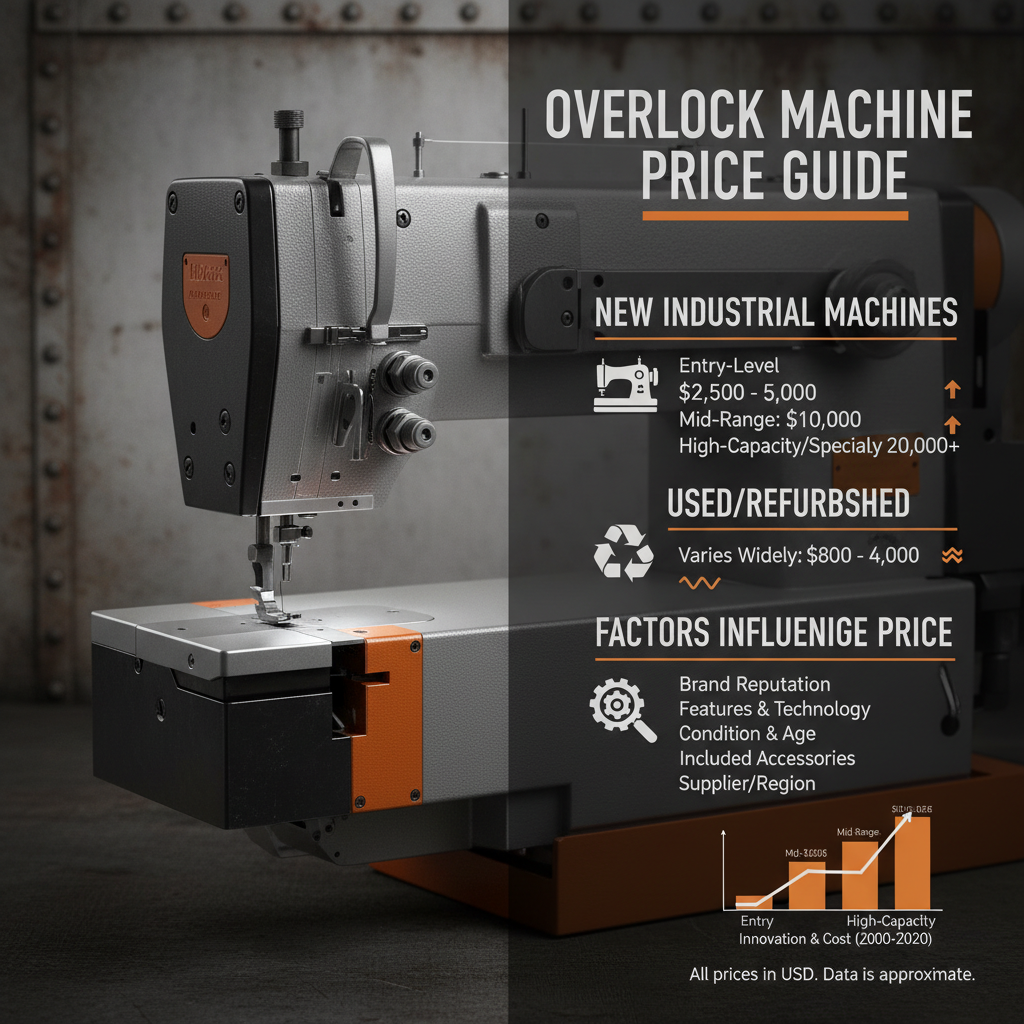
Longsew offers a diverse range of overlock machines to cater to various needs and budgets. Their pricing reflects the quality, durability, and advanced features incorporated into their machines. They provide both domestic and industrial options, with clear specifications and competitive pricing. Visiting their website allows you to explore different models, compare features, and request a quote tailored to your specific requirements. Their commitment to customer support and reliable performance makes them a trusted choice for many sewing professionals.
Conclusion: Finding the Right Overlock Machine for Your Needs
Choosing the right overlock machine involves considering various factors, including your budget, sewing volume, and the types of fabrics you’ll be working with. Understanding the pricing landscape and exploring options from reputable brands like Longsew will help you make an informed decision and invest in a machine that meets your specific needs. Don’t hesitate to research, compare, and ask questions to ensure you get the best value for your money.
Frequently Asked Questions (FAQs)
What is the average price increase for overlock machines annually?
The average price increase for overlock machines typically ranges from 3% to 7% annually, influenced by factors like raw material costs, manufacturing expenses, and currency exchange rates. Economic conditions and global events can also contribute to price fluctuations. It's advisable to monitor market trends and purchase when prices are favorable. Factors like new technologies being introduced to machines can also drive up costs.
Are there financing options available for industrial overlock machines?
Yes, many manufacturers and dealers offer financing options for industrial overlock machines. These options may include installment plans, leasing agreements, or loans. Financing can make a significant investment more manageable by spreading the cost over time. It's essential to compare interest rates and terms before choosing a financing option. Check with Longsew directly to see what financing programs they currently offer.
What features justify a higher price point for an overlock machine?
Features like automatic thread tension, differential feed adjustment, a higher presser foot lift, a more powerful motor, and built-in rolled hem capabilities justify a higher price point. These features enhance the machine's performance, versatility, and ease of use. Industrial-grade construction, more stitch options, and advanced safety features also contribute to a higher cost. Investing in these features can improve the quality of your finished products and streamline your sewing process.
How does the cost of maintenance affect the overall price of ownership?
The cost of maintenance is a crucial factor in the overall price of ownership. Industrial overlock machines typically require regular servicing, including oiling, cleaning, and blade replacements. These maintenance costs can add up over time. It's essential to factor in these expenses when comparing different models. Choosing a machine from a reputable brand like Longsew often means easier access to parts and service support, potentially reducing long-term maintenance costs.
Previous:
Latest news
-
Industrial Bag Sewing Machine Price and Comprehensive Buying GuideNewsApr.16,2026
-
Industrial Hand Held Bag Closer for Efficient Packaging SealingNewsApr.16,2026
-
Industrial Hand Held Bag Closer Sewing Machine for PackagingNewsApr.16,2026
-
Efficient Industrial Bag Closer Sewing Machine for PackagingNewsApr.16,2026
-
Industrial Sewing Guide for Choosing the Right Closer MachineNewsApr.16,2026
-
Guide to Capital Bag Closer Machine Price and Buying FactorsNewsApr.16,2026
-
Say goodbye to inefficient cutting! This heavy-duty webbing hot cutting machine redefines the new standard for industrial cuttingNewsApr.14,2026

Hebei LongSew Machinery Technology Co. Ltd is beginning as sewing machine parts supplier, now Longsew have over twenty years experience in complete set sewing machine offering.


CLASSIFICATION
CONTACT US
-

No.368 North Youyi Street, Shijiazhuang City, Hebei Province, China
-

-

Copyright © 2026 HEBEI LONGSEW MACHINERY TECHNOLOGY CO. LTD All Rights Reserved. Sitemap | Privacy Policy | Top Blog | Global Service