


NUUS
-
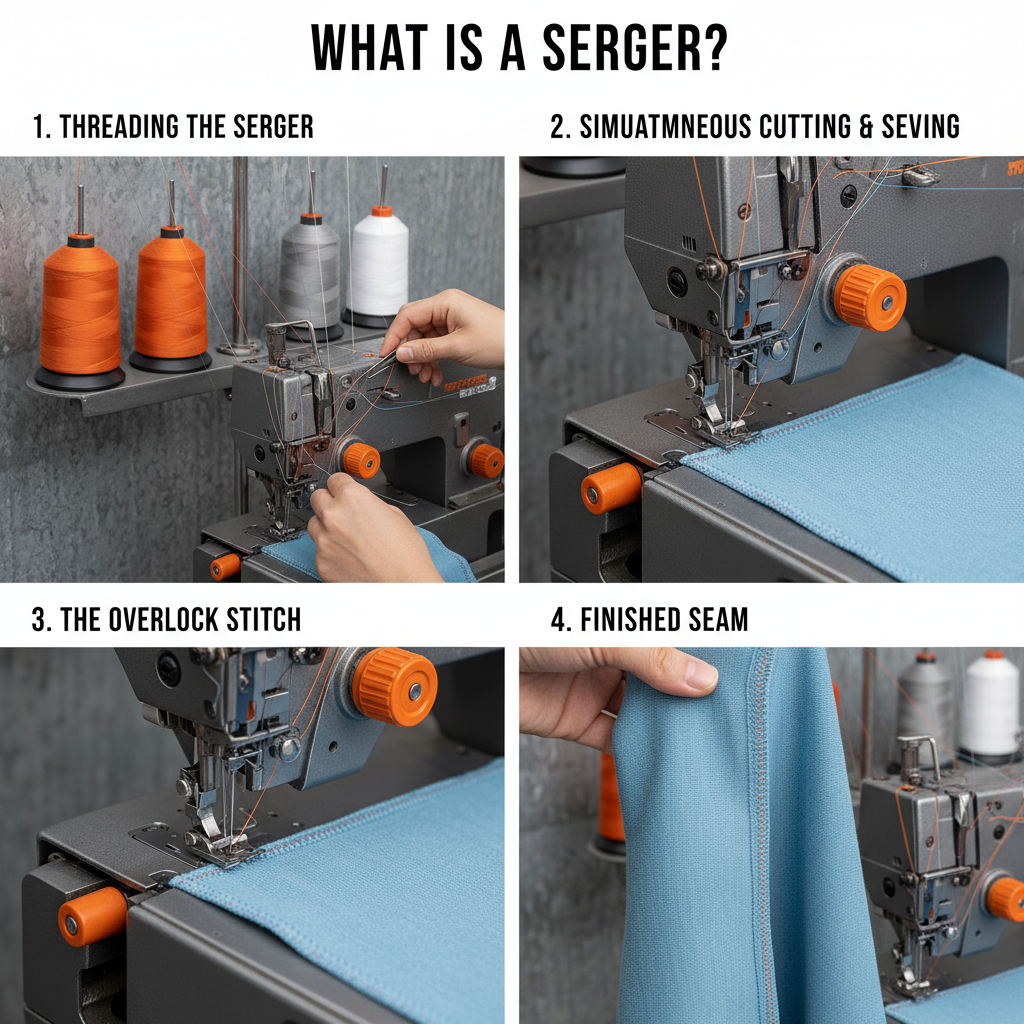 A serger, also known as an overlock machine, is a specialized sewing machine designed to finish raw fabric edges, prevent fraying, and create professional-looking seams. Unlike a standard sewing machine that simply stitches fabric together, a serger simultaneously sews, trims, and overcasts the edge of the fabric. This makes it a must-have tool for garment construction, quilting, and other sewing projects where durability and a clean finish are essential. If you're looking to elevate your sewing projects, understanding the capabilities of a serger is a fantastic starting point. The magic of a serger lies in its multiple threads and looping mechanism. Typically, a serger uses 3, 4, or 5 threads simultaneously. As the fabric passes under the needles, the machine creates a looped overlock stitch that encases the edge, preventing unraveling. The built-in blade trims the excess fabric, resulting in a clean, professional finish. The tension of each thread can be adjusted to achieve different stitch types and effects. It’s a significant upgrade to the zigzag stitch finish commonly used on standard sewing machines, providing a stronger and more aesthetically pleasing result.Lees meer
 -
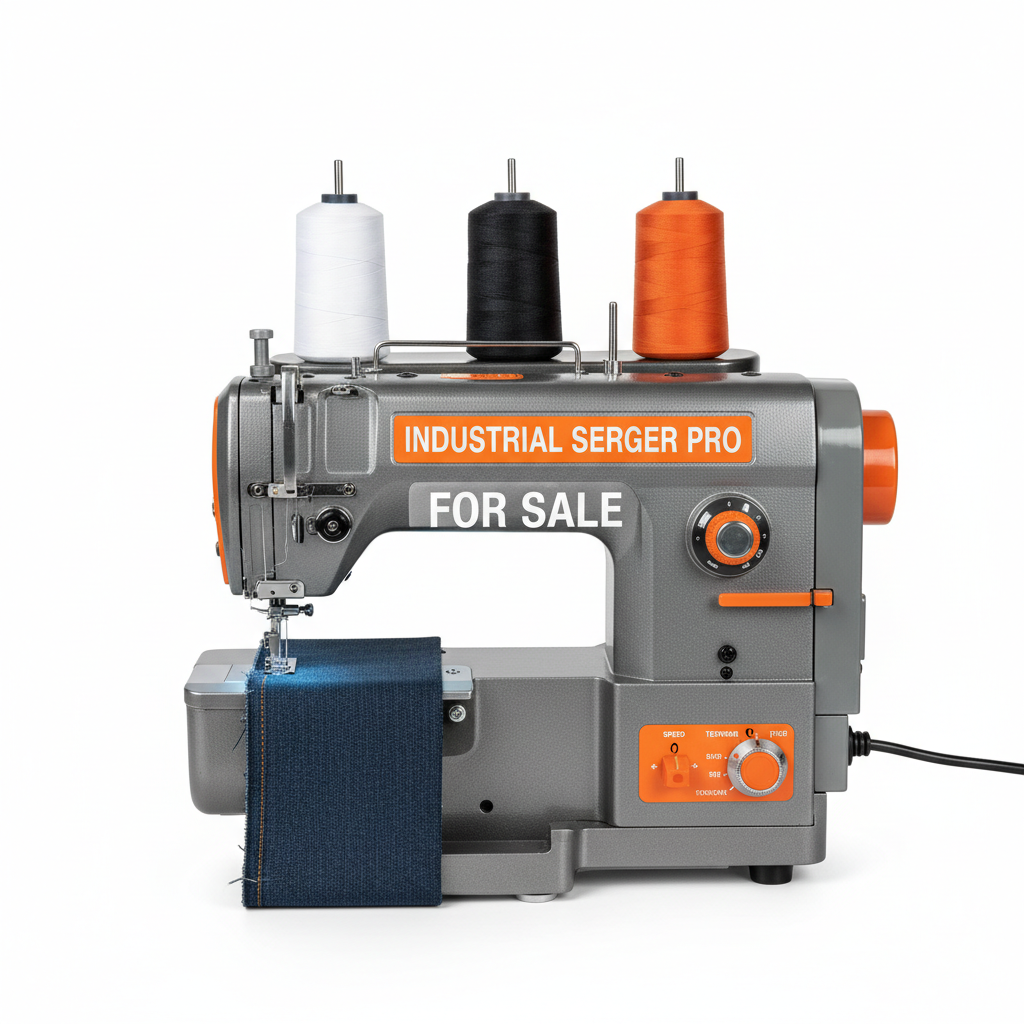 Are you looking to upgrade your sewing capabilities? A sewing serger is an invaluable tool for achieving professional-looking finishes on your projects. This guide will walk you through everything you need to know about finding the best sewing serger for sale, from understanding the different types to choosing the right model for your needs. We'll cover key features, price ranges, and expert advice to help you make an informed decision. Investing in a quality serger can transform your sewing experience, adding speed, efficiency, and a polished touch to your creations. Sewing sergers come in a variety of types, each with its own strengths and weaknesses. The most common types are coverstitch sergers, overlock sergers, and combo sergers. An overlock serger is great for finishing raw edges, preventing fraying, and creating professional seams. A coverstitch serger is ideal for creating decorative hems and professional-looking stitches on knit fabrics. Combo sergers offer the functionality of both, but often at a higher price point.Lees meer
 -
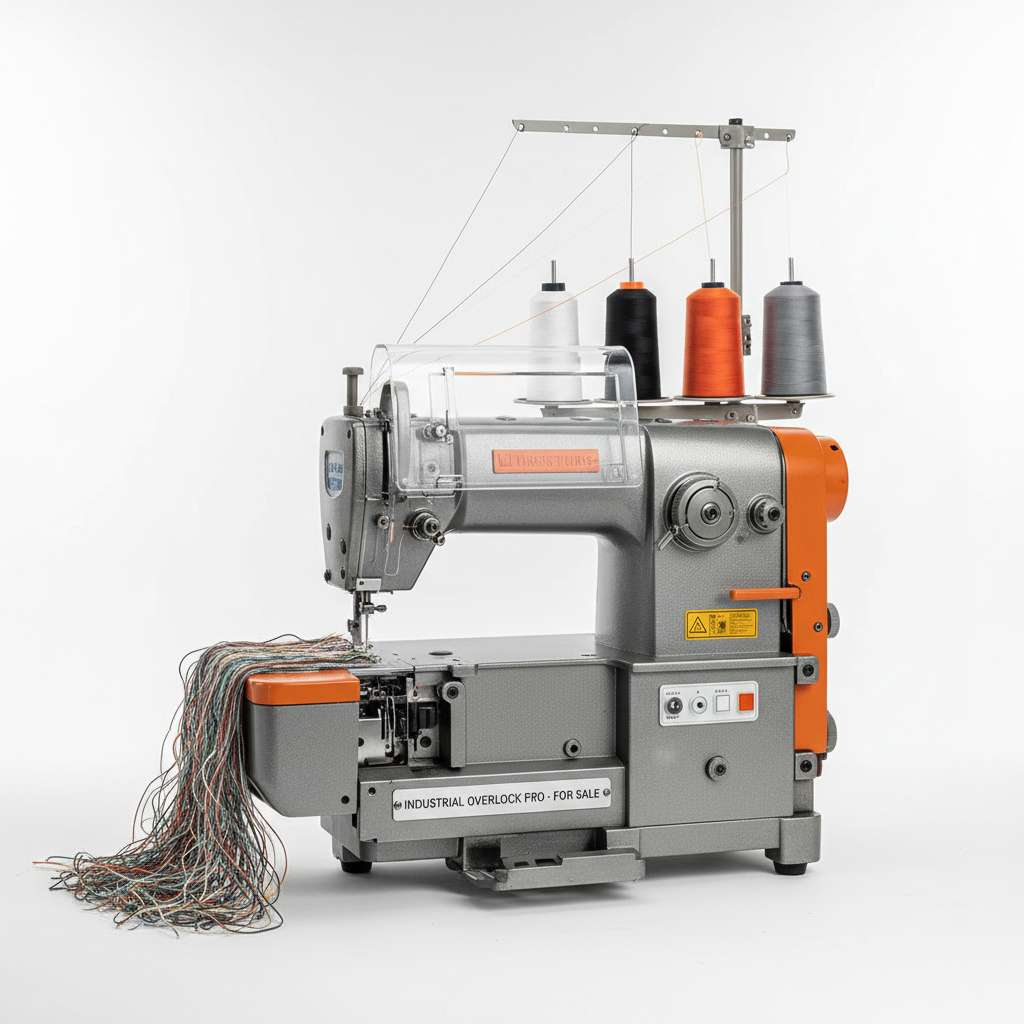 Finding the right industrial overlocker is crucial for efficient and high-quality garment production. Whether you're a small workshop or a large-scale manufacturer, choosing a durable, reliable, and feature-rich machine can significantly impact your output. This guide provides an in-depth look at industrial overlockers, covering key features, considerations when buying, and why Longsew offers some of the best options available. Investing in a quality overlocker ensures professional-looking finishes and long-term cost savings. When selecting an industrial overlocker for sale, several features are paramount. Consider the number of threads (3, 4, 5, or 6), as this dictates the stitch type and versatility. Differential feed is essential for preventing puckering and stretching, particularly on knit fabrics. Automatic thread tension ensures consistent stitch quality. Furthermore, the machine's speed, stitch length adjustment, and the ease of maintenance are important factors.Lees meer
 -
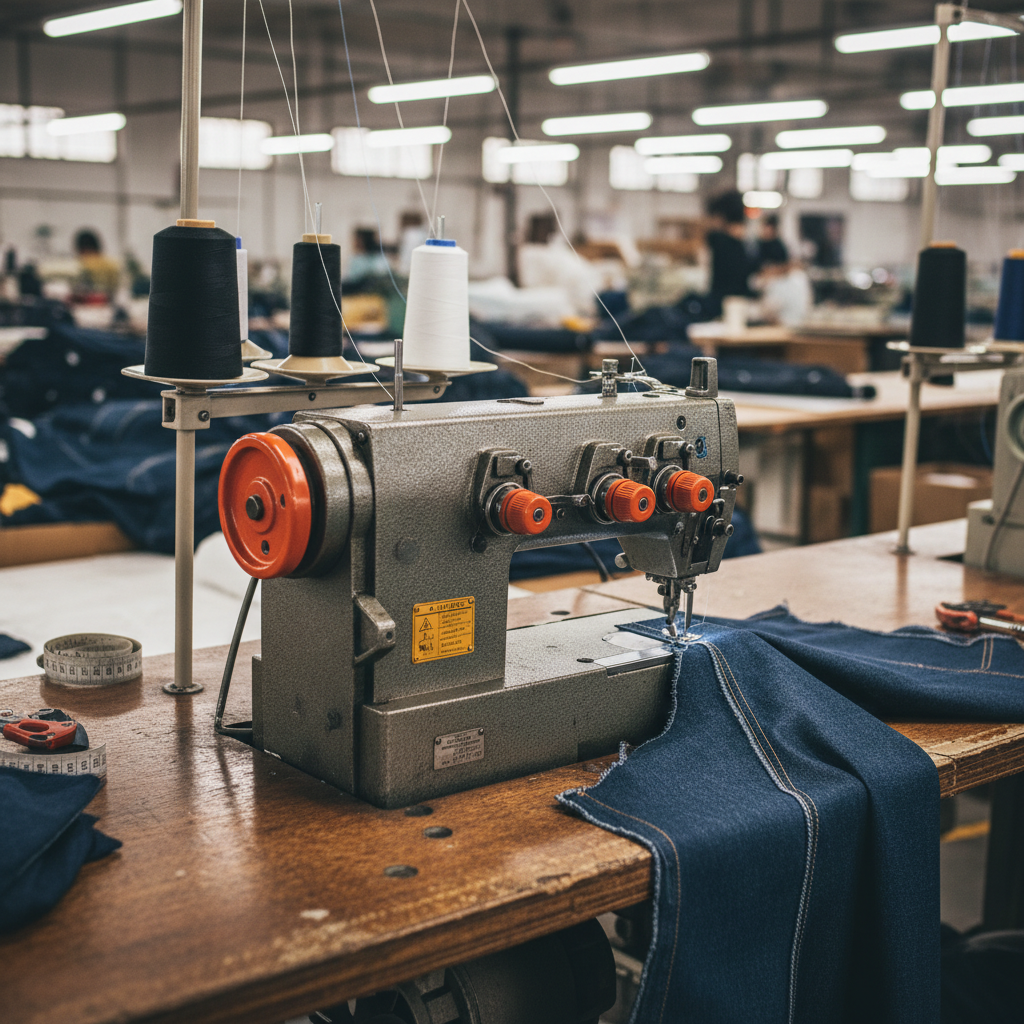 For serious sewists and apparel manufacturers, the right machinery can dramatically improve efficiency and quality. Two machines frequently discussed are the serger and coverstitch machine. While both are specialized, they serve distinct purposes in garment construction. A serger excels at finishing raw edges and creating seams, while a coverstitch machine is ideal for hems, decorative stitching, and creating professional-looking sportswear. Understanding the differences and synergies between these machines is crucial for optimizing your sewing projects. Whether you’re creating delicate garments or durable workwear, mastering these tools unlocks a new level of sewing potential.Lees meer
 -
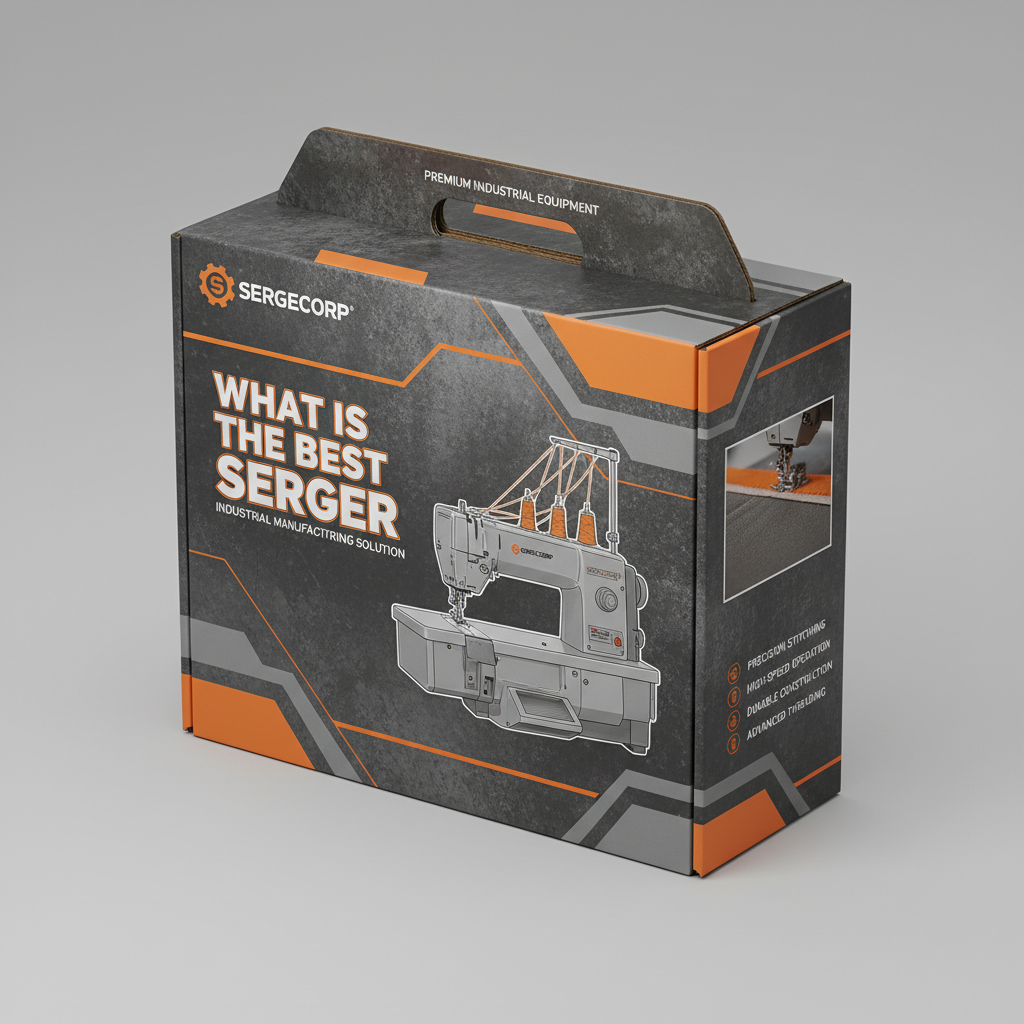 Choosing the right serger can significantly elevate your sewing projects, offering professional-looking finishes and efficiency. But with so many options available, finding the "best" serger requires understanding your needs and priorities. This article will explore key features, different types of sergers, and top recommendations to help you make an informed decision. Whether you're a beginner or an experienced sewist, a serger will become an indispensable tool in your creative process. Longsew offers a range of high-quality sergers to suit various skill levels and project requirements. A serger, also known as an overlock machine, simultaneously sews a seam, trims the excess fabric, and overcasts the raw edge to prevent fraying. This results in a clean, professional finish that’s far superior to a standard sewing machine seam. Sergers are particularly useful for knit fabrics, which tend to unravel easily, but they're also fantastic for woven fabrics.Lees meer
 -
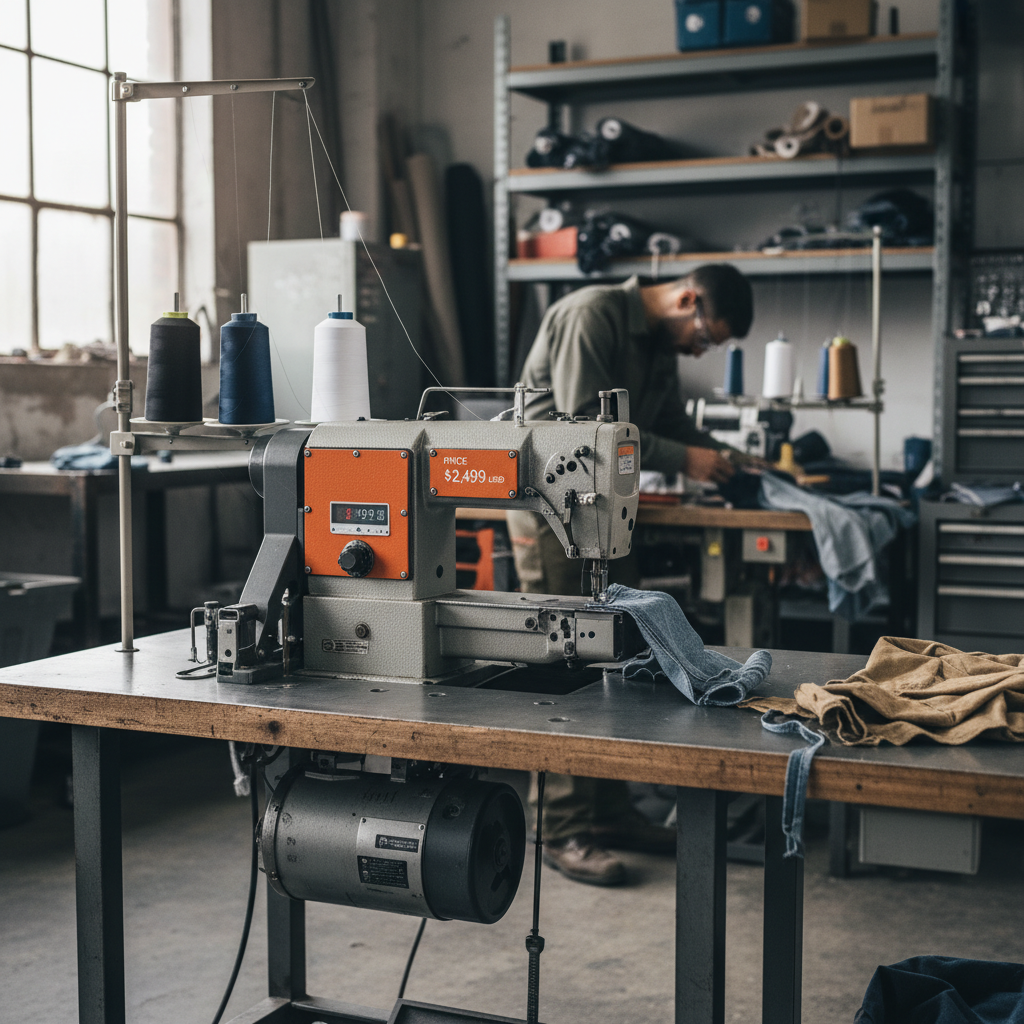 When considering an overlock machine for your business, understanding the price range and the factors influencing it is crucial. The cost can vary significantly depending on features, automation level, and brand. This article provides a detailed overview of overlock machine prices, helping you make an informed purchasing decision. We'll explore the different types, pricing factors, and how to choose the best machine for your needs. Selecting the right machine is essential for improving production efficiency and product quality. Several key factors contribute to the price of an overlock machine. These include the number of threads it can handle (3, 4, 5, or 6 threads), the level of automation (mechanical, semi-automatic, or fully automatic), the brand reputation, and the features offered. Machines designed for heavy-duty industrial use will naturally be more expensive than those intended for home or small-scale operations.Lees meer
 -
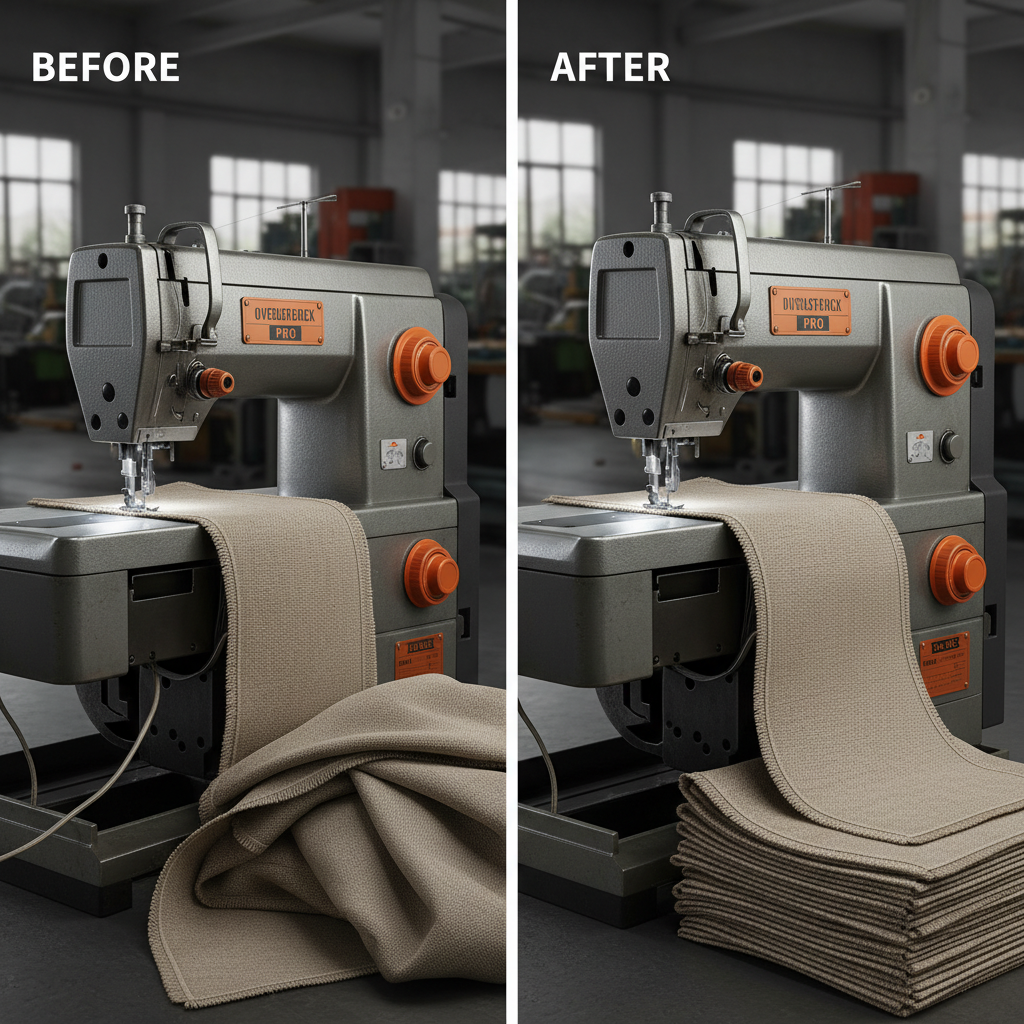 Searching for an overlock machine for sale can be daunting, with so many options available. Whether you’re a small tailoring business, a large-scale garment manufacturer, or a passionate home sewer, choosing the right machine is crucial for efficiency and quality. This guide provides a comprehensive overview of what to look for, key features, and how to find the best overlock machine to meet your specific needs. We'll explore different types of machines, important considerations, and why Longsew offers reliable and high-performance solutions. An overlock machine, also known as a serger, simultaneously sews a seam, trims the excess fabric, and overcasts the edge to prevent fraying. This makes it an essential tool for creating professional-looking garments and projects. Different types of overlock machines cater to varying production volumes and fabric types. Common types include standard overlock machines, high-speed industrial machines, and multi-functional sergers capable of performing various stitches.Lees meer
 -
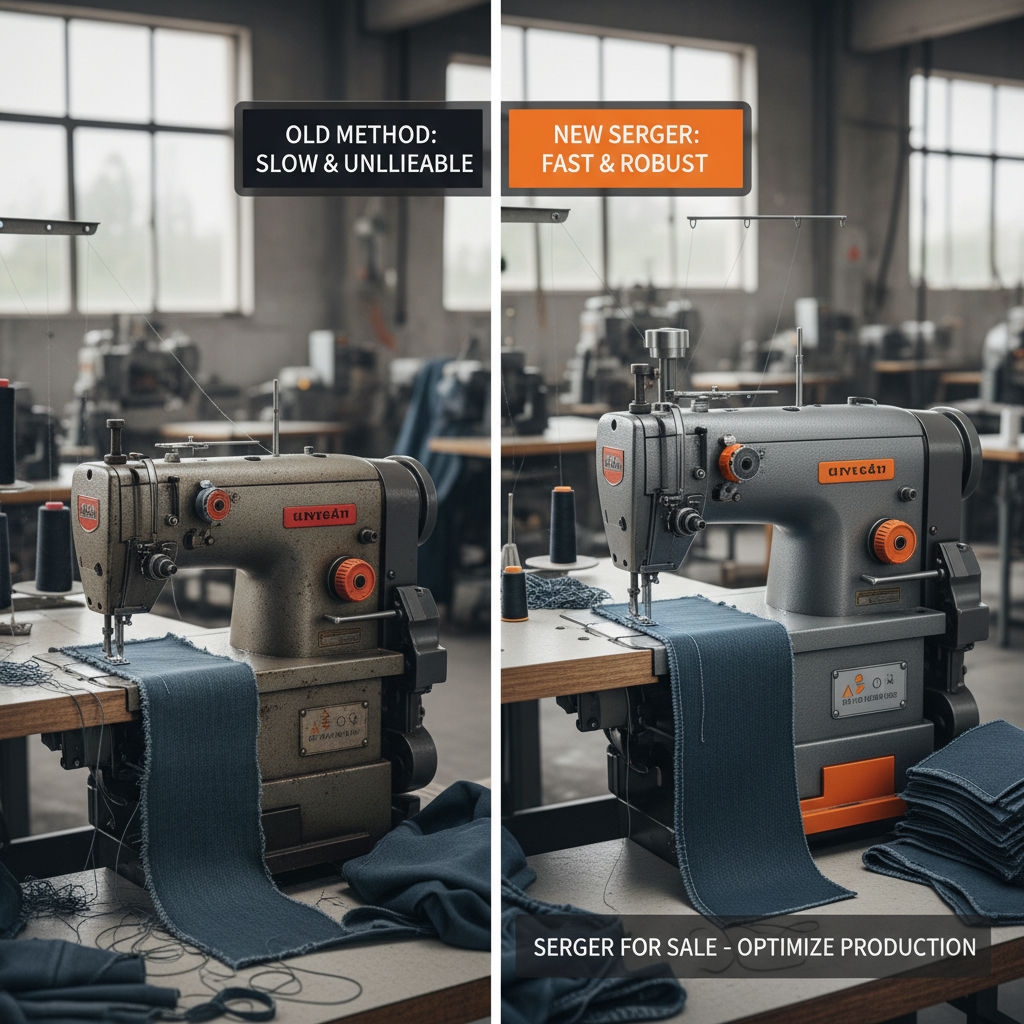 Looking for a serger for sale? You've come to the right place! Sergers, also known as overlock machines, are invaluable tools for creating professional-looking seams and hems on fabrics. This comprehensive guide will walk you through everything you need to know to choose the perfect serger, covering types, features, pricing, and where to find the best deals, especially at Longsew. Whether you're a beginner or an experienced sewist, understanding your options is key to making a smart investment. A serger differs from a traditional sewing machine in its ability to simultaneously cut, stitch, and finish fabric edges. This prevents fraying, creating a clean, professional finish that's difficult to achieve with a standard sewing machine. They're commonly used for garment construction, quilting, and creating rolled hems. Benefits include faster sewing, enhanced fabric durability, and a more polished look. Longsew offers a wide variety of sergers to suit every sewing need.Lees meer
 -
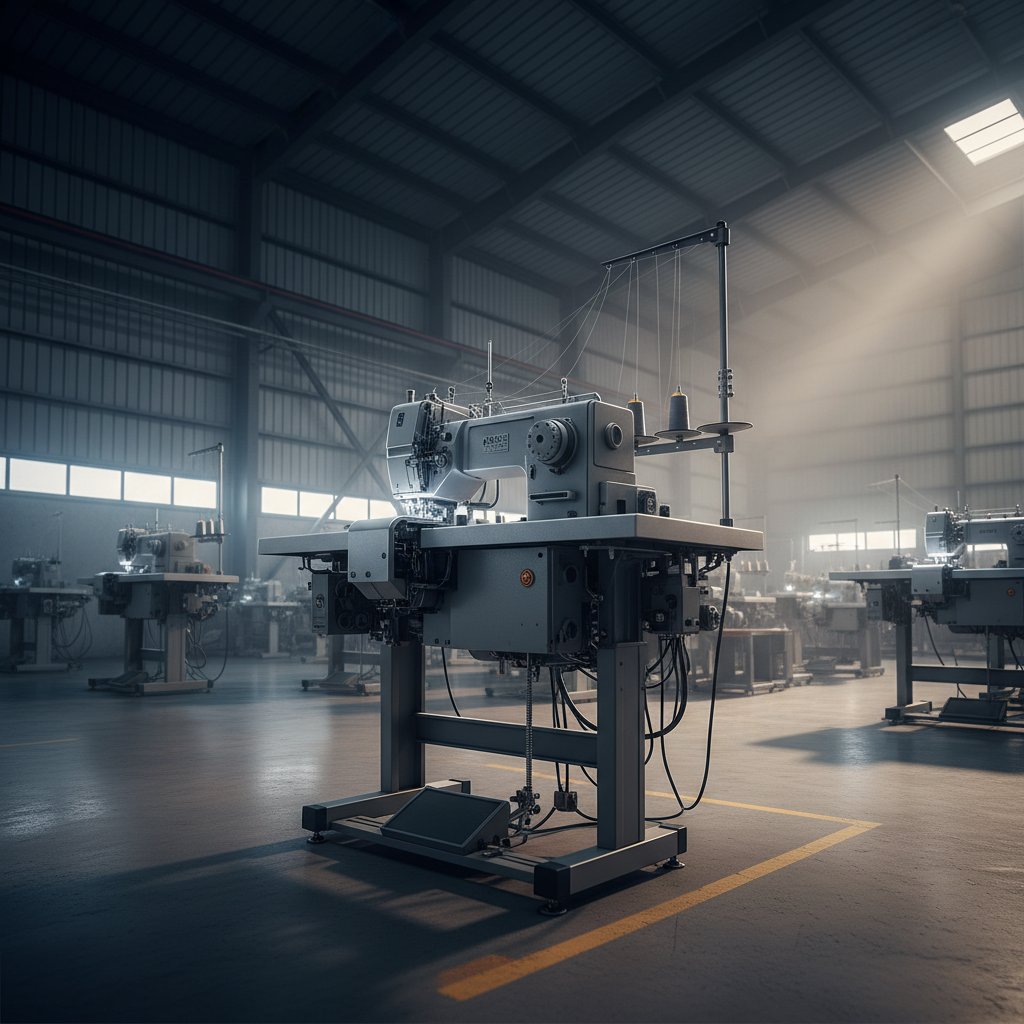 An industrial overlocker is a crucial piece of equipment for textile manufacturing, offering superior seam finishing and durability. Selecting the appropriate machine for your needs requires careful consideration of factors like fabric type, production volume, and desired stitch quality. This article provides a detailed overview of industrial overlockers, highlighting their benefits, key features, and how to choose the best machine for your business. Investing in a high-quality overlocker translates directly into improved product quality and efficiency. An industrial overlocker, also known as a serger, is a specialized sewing machine that simultaneously sews a seam, trims excess fabric, and encases the raw edges to prevent fraying. Unlike a traditional sewing machine, an overlocker uses loopers instead of a bobbin, creating a professional and durable finish. This is particularly important for garments and textiles that will undergo frequent wear and washing. Using an industrial overlocker significantly speeds up production and enhances the aesthetic appeal of finished products.Lees meer
 -
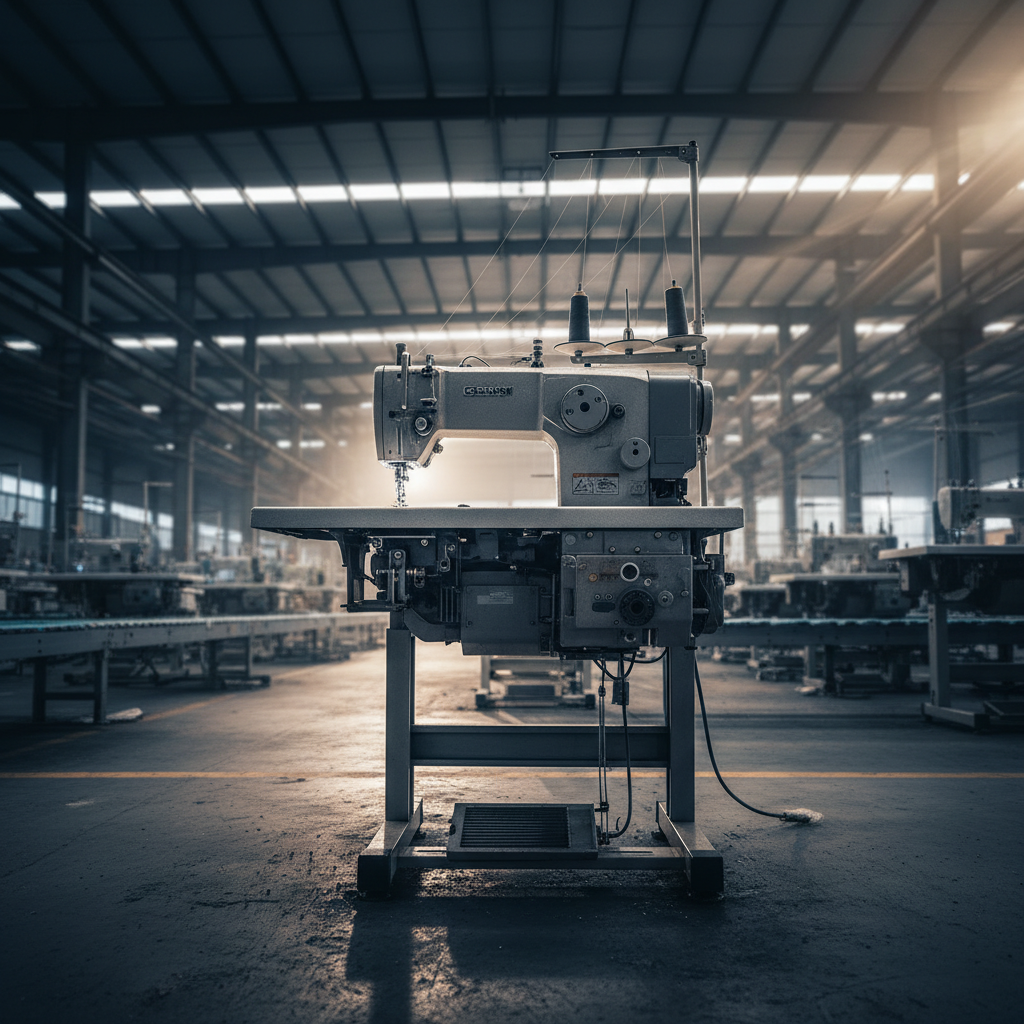 In the fast-paced world of textile manufacturing, efficiency and precision are paramount. The industrial overlock machine stands as a cornerstone of this industry, enabling the creation of durable and aesthetically pleasing seams. This article delves into the features, applications, and benefits of these essential machines, providing a comprehensive guide for businesses and individuals alike. From garment production to specialized textile work, understanding the capabilities of an industrial overlock machine is key to optimizing your workflow. Choosing the right machine can significantly enhance the quality and speed of your textile projects. An industrial overlock machine, also known as a serger, is a specialized sewing machine designed to create an overlock stitch. This stitch encases the raw edge of fabric, preventing fraying and creating a professional finish. Unlike a standard sewing machine, the overlock machine uses multiple threads (typically 3-5) to simultaneously sew, trim, and overlock the fabric edge.Lees meer
 -
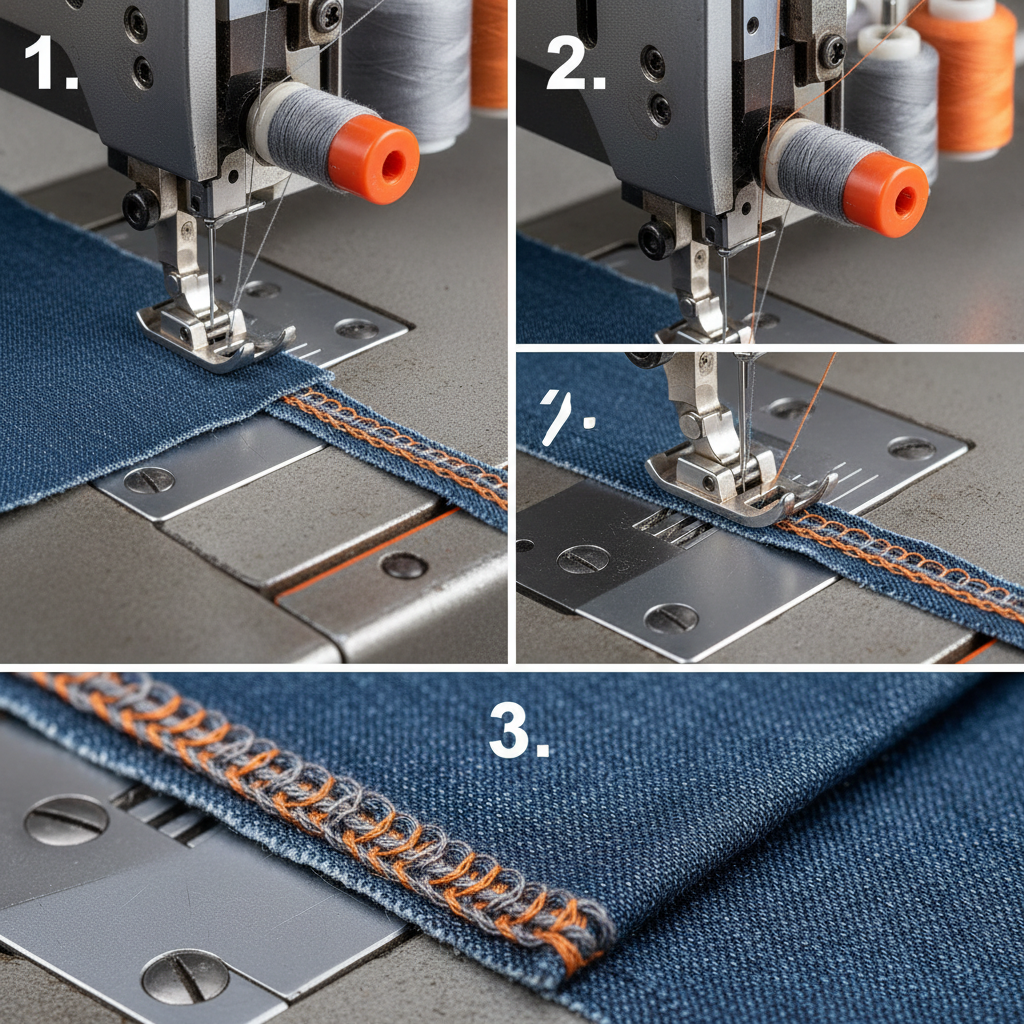 Choosing the right sewing machine for finishing fabric edges can be tricky, especially when considering a serger versus an overlock machine. Both are designed to prevent fraying and create a professional finish, but they operate differently and offer unique capabilities. This article delves into the distinctions between these two machines, outlining their functions, benefits, and applications. Understanding these differences will help you determine which machine best suits your sewing needs. For a wide range of sewing solutions, explore Longsew's industrial sewing machines. An overlock machine, also known as a serger in some regions, primarily focuses on creating a finished edge on fabric. It uses loopers instead of a traditional needle to encase the fabric edge with thread, preventing fraying. Overlock machines are exceptionally efficient and fast, making them ideal for production environments where large volumes of fabric need to be processed. They are typically used on woven and knit fabrics, providing a clean and durable seam.Lees meer
 -
 Looking for overlockers for sale? You've come to the right place. Overlockers, also known as sergers, are essential for creating professional-quality seams, finishing raw edges, and adding decorative touches to your sewing projects. This guide will walk you through everything you need to know, from understanding the different types of overlockers to choosing the best machine for your needs and budget. Whether you're a beginner or an experienced sewist, finding the right overlocker can significantly enhance your sewing experience. We will highlight options available at Longsew and provide helpful tips for making an informed decision. Overlockers come in various configurations, each suited to different sewing tasks. The most common types include: 3-thread overlockers, perfect for finishing edges and light seam construction; 4-thread overlockers, which create a more secure and durable seam, ideal for garments; and 5-thread overlockers, providing even greater seam strength and a professional finish, often used in industrial settings.Lees meer

Hebei LongSew Machinery Technology Co. Ltd begin as verskaffer van naaimasjienonderdele, nou het Longsew meer as twintig jaar ondervinding in volledige stel naaimasjienaanbieding.


KLASSIFIKASIE
KONTAK ONS
-

No.368 North Youyi Street, Shijiazhuang City, Hebei provinsie, China
-

-

Copyright © 2026 HEBEI LONGSEW MACHINERY TECHNOLOGY CO. LTD All Rights Reserved. Sitemap | Privacy Policy