

Apr . 09, 2026 02:05
Back to list
Guide to Choosing the Best Industrial bags closer sewing machine
The Ultimate Guide to Choosing a Bags Closer Sewing Machine
In the fast-paced world of packaging and logistics, securing your product is the final and most critical step of the production line. A high-quality bags closer sewing machine is an indispensable tool for industries ranging from agriculture to chemical manufacturing. Whether you are sealing heavy-duty woven sacks or delicate paper bags, the right equipment ensures leak-proof closures and professional presentation. In this comprehensive guide, we will explore the technical nuances, operational benefits, and selection criteria to help you optimize your packaging efficiency and reduce material waste.
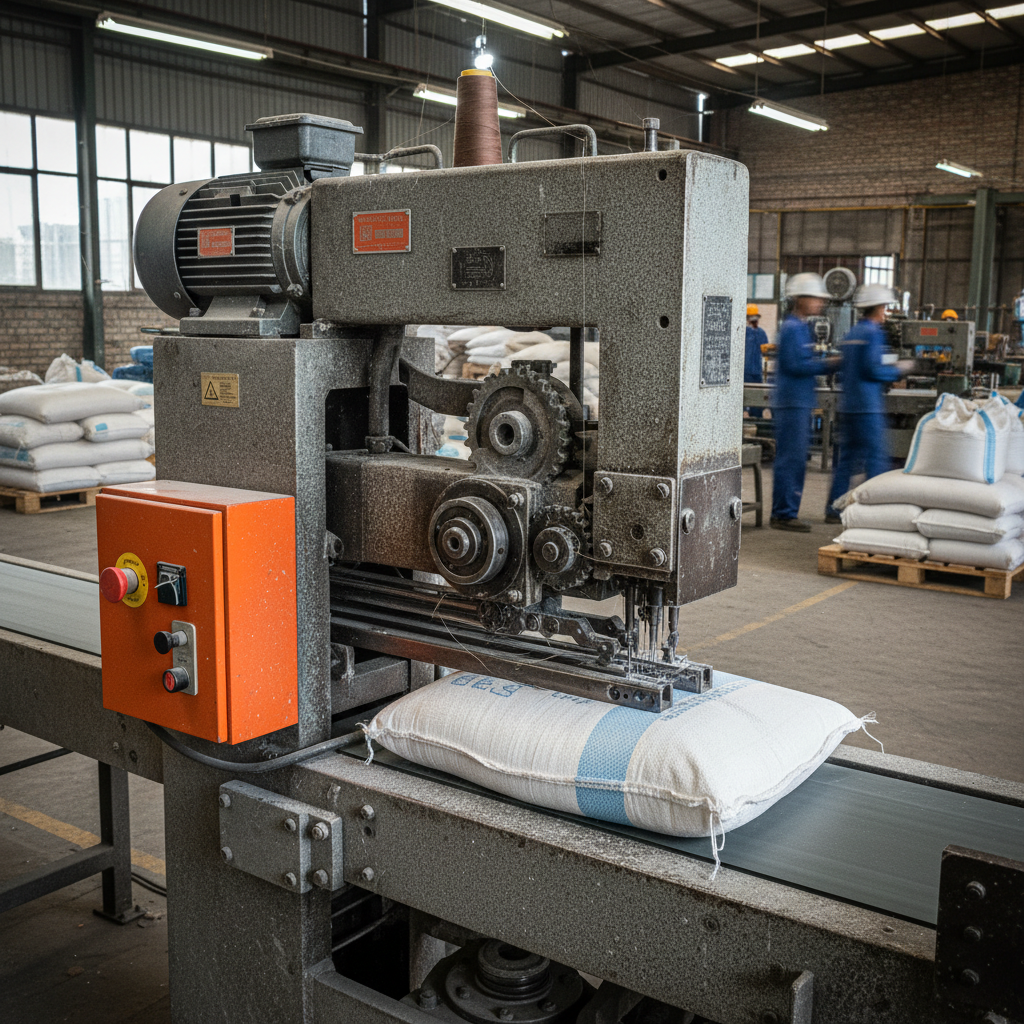
How a Bags Closer Sewing Machine Enhances Productivity
The primary advantage of implementing a professional bags closer sewing machine is the dramatic increase in sealing speed compared to manual methods. These machines use a chain-stitch mechanism that provides a strong, flexible closure that can be easily opened by the end consumer without damaging the bag contents. By automating the closing process, businesses can maintain a consistent throughput, reducing bottlenecks at the end of the assembly line. Furthermore, the ergonomic design of modern handheld closers reduces operator fatigue, ensuring that quality remains high even during long shifts.
Efficiency Tip: Integrating a conveyor-mounted bag closer can further automate the process, allowing for a "hands-free" operation that maximizes units per hour (UPH).
Key Components of a High-Performance Bag Closer
To appreciate the value of a bags closer sewing machine, one must understand its core engineering. The motor serves as the powerhouse, providing the torque necessary to penetrate thick fabrics. The feed dog ensures the material moves smoothly through the machine, while the precision needle and looper create the secure stitch. Many industrial models now feature adjustable stitch lengths, allowing users to customize the tightness of the seal based on the bag's material. This versatility makes them suitable for everything from flour sacks to plastic pellets packaging.
Comparing Handheld vs. Stationary Bags Closer Sewing Machine
Depending on your production volume, you may choose between a portable handheld unit or a stationary table-top system. Handheld machines offer unmatched flexibility, allowing the operator to move around large bags or oddly shaped parcels. In contrast, stationary machines are designed for high-volume, standardized lines where speed and consistency are the priorities. The bags closer sewing machine selection depends heavily on your workspace layout and the average weight of your products.
Maintenance Tips for Your Bags Closer Sewing Machine
To ensure the longevity of your bags closer sewing machine, a strict maintenance schedule is essential. Dust and fibers from bags can accumulate in the sewing mechanism, leading to friction and potential motor failure. Regular lubrication of the moving parts and cleaning of the feed dog are non-negotiable tasks. Additionally, checking the needle for blunting or bending prevents fabric tearing and ensures a clean stitch. By investing a few minutes in daily upkeep, you can avoid costly downtime and extend the equipment's operational life by several years.
Essential Maintenance Checklist:
• Daily: Clear lint and debris from the bobbin area
• Weekly: Apply industrial-grade lubricant to gear points
• Monthly: Inspect power cord and motor brushes for wear
• Per Shift: Verify thread tension and needle integrity
Technical Specifications of Industrial Bag Closers
When purchasing a bags closer sewing machine, it is vital to look at the technical specifications to ensure it matches your bag material's thickness. Most industrial models operate on a single-thread chain stitch, which is the industry standard for strength and ease of removal. The voltage must also be compatible with your local power grid to avoid using unstable converters that could damage the motor. Below are the typical specifications found in high-end industrial models:
Conclusion: Optimizing Your Line with Longsew
Choosing the right bags closer sewing machine is more than just a purchase; it is an investment in your operational reliability. By matching the machine type to your production volume and adhering to a strict maintenance routine, you can significantly lower your cost-per-seal and ensure your products reach customers safely. Explore the professional range of solutions at Longsew to find the perfect fit for your industrial needs and take your packaging efficiency to the next level.
Frequently Asked Questions (FAQs)
What materials can a bags closer sewing machine seal?
A professional bag closer is designed to handle a wide variety of industrial materials. This includes woven polypropylene (PP) bags, jute or burlap sacks, multi-wall paper bags, and various plastic laminates. The ability to sew through these different densities is what makes the machine versatile. However, for extremely thick materials, it is recommended to use a heavy-duty needle and adjust the tension settings to ensure the stitch remains tight without breaking the thread.
How often should I change the needle on my bag closer?
Needle replacement frequency depends on the abrasiveness of the material being sewn. For soft paper bags, a needle may last several weeks. However, for coarse woven sacks, the needle can blunt more quickly. We recommend inspecting the needle at the start of every shift. If you notice skipped stitches or the fabric is being pushed/bunched rather than pierced, it is time for a replacement. Using a blunt needle not only ruins the bag but can also put unnecessary strain on the machine's motor.
Can I use any thread with a bags closer sewing machine?
While many threads may fit, it is highly recommended to use industrial-grade polyester or nylon threads. These materials offer the necessary tensile strength to prevent the bag from bursting under the weight of the contents during transport. Standard domestic sewing thread is far too weak for industrial bag closing. For specialized applications, such as food-grade packaging, ensure the thread meets the required safety and hygiene certifications. You can find compatible threading options and accessories on the Longsew official website.
What is the difference between a chain stitch and a lock stitch in bag closing?
Most bag closers use a chain stitch because it is faster and allows the bag to be opened easily by pulling a single thread—a feature highly valued by customers. A lock stitch, common in garment sewing, is much more permanent and harder to remove without cutting the fabric. For the packaging industry, the chain stitch provides the ideal balance of security during shipping and convenience for the end-user, making the bags closer sewing machine the standard tool for the job.
Latest news
-
Industrial Bag Sewing Machine Price and Comprehensive Buying GuideNewsApr.16,2026
-
Industrial Hand Held Bag Closer for Efficient Packaging SealingNewsApr.16,2026
-
Industrial Hand Held Bag Closer Sewing Machine for PackagingNewsApr.16,2026
-
Efficient Industrial Bag Closer Sewing Machine for PackagingNewsApr.16,2026
-
Industrial Sewing Guide for Choosing the Right Closer MachineNewsApr.16,2026
-
Guide to Capital Bag Closer Machine Price and Buying FactorsNewsApr.16,2026
-
Say goodbye to inefficient cutting! This heavy-duty webbing hot cutting machine redefines the new standard for industrial cuttingNewsApr.14,2026

Hebei LongSew Machinery Technology Co. Ltd is beginning as sewing machine parts supplier, now Longsew have over twenty years experience in complete set sewing machine offering.


CLASSIFICATION
CONTACT US
-

No.368 North Youyi Street, Shijiazhuang City, Hebei Province, China
-

-

Copyright © 2026 HEBEI LONGSEW MACHINERY TECHNOLOGY CO. LTD All Rights Reserved. Sitemap | Privacy Policy | Top Blog | Global Service