

Apr . 16, 2026 01:55
Back to list
Efficient Industrial Bag Closer Sewing Machine for Packaging
Maximizing Packaging Efficiency with an Industrial Bag Closer Sewing Machine
In the fast-paced world of logistics and manufacturing, the final seal of a package is critical for ensuring product integrity and preventing leakage. An industrial bag closer sewing machine provides a professional, secure, and high-speed solution for closing woven, paper, or plastic bags. Whether you are dealing with grains, chemicals, or animal feed, the right closing equipment can drastically reduce manual labor and increase throughput. In this guide, we will explore the technical advantages, selection criteria, and operational tips to help you choose the best sealing solution for your production line.
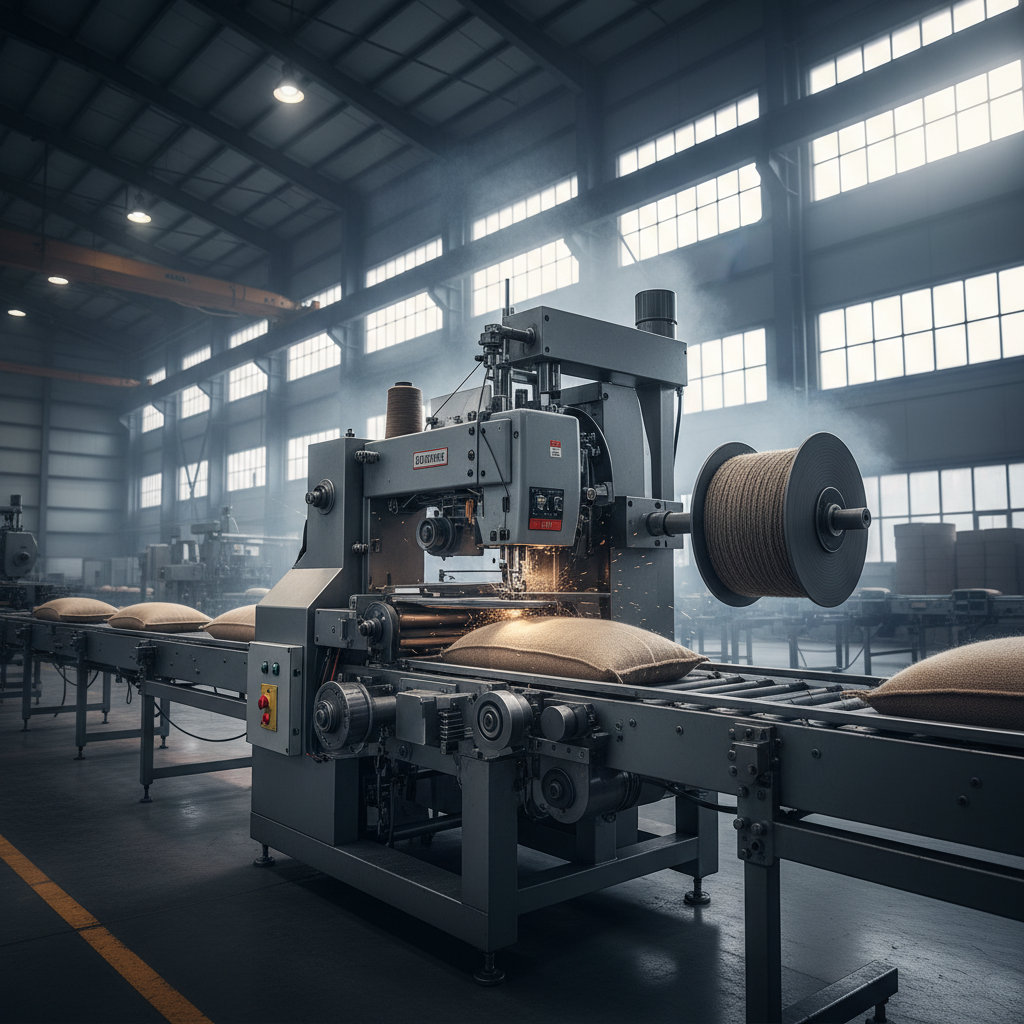
Core Advantages of the Industrial Bag Closer Sewing Machine
The primary appeal of an industrial bag closer sewing machine lies in its ability to provide a "leak-proof" seal that is far superior to traditional taping or gluing. These machines utilize a chain-stitch mechanism that allows for rapid closure and easy removal when the end consumer opens the package. Durability is another key factor; these machines are built with heavy-duty alloys to withstand dusty and demanding environments common in warehouses. By automating the closing process, companies can ensure a consistent seal quality, which reduces product loss during transit and enhances the professional appearance of the brand.
Efficiency Boost: Transitioning from manual tying to an automated bag closer can increase sealing speeds by up to 500%, significantly lowering the cost per unit packaged.
Comparing Portable vs. Stationary Bag Closers
Depending on your facility's layout, you may need a portable industrial bag closer sewing machine or a stationary system. Portable units are ideal for irregularly shaped bags or low-volume batches where the operator moves the machine across the bag. Stationary machines, conversely, are integrated into conveyor belts, allowing bags to be fed through automatically for high-volume output. The choice typically depends on the production volume and the weight of the bags being sealed.
Optimal Material Compatibility and Applications
Not all sewing machines are created equal. The industrial bag closer sewing machine is engineered to handle a variety of fabrics. Woven polypropylene (PP) bags, used extensively in the chemical and agricultural sectors, require a specific needle tension to avoid tearing. Multi-wall paper bags, common in flour and cement packaging, need a precise stitch length to ensure the seal doesn't burst under the weight of the contents. From coffee beans to pet food, the versatility of these machines makes them indispensable across various supply chains.
Maintenance Tips for Your Industrial Bag Closer Sewing Machine
To ensure the longevity of your industrial bag closer sewing machine, a strict maintenance schedule is essential. Because these machines often operate in dusty environments, lubrication is the most critical task. Regular oiling of the moving parts prevents friction and overheating. Additionally, checking the needle for bluntness or bends is vital; a damaged needle can cause skipped stitches or hole the bag fabric. Operators should also regularly clear lint and debris from the bobbin area to prevent jamming, which ensures the machine maintains its rated speed without interruption.
Maintenance Checklist:
• Daily: Clear dust and debris from the sewing head
• Weekly: Lubricate all primary joints and gears
• Monthly: Inspect needle integrity and tension settings
• Quarterly: Full mechanical calibration and belt check
Technical Specifications of High-Performance Models
When sourcing an industrial bag closer sewing machine, understanding the technical specs allows you to match the machine to your specific workload. Key metrics include the stitching speed (measured in stitches per minute) and the voltage requirements. High-end models often feature automatic thread cutters and adjustable stitch lengths, providing the flexibility to switch between different bag thicknesses without needing a different machine. Below are the typical specifications for a professional-grade industrial closer.
Conclusion: Elevating Your Packaging Standard
Investing in a high-quality industrial bag closer sewing machine is more than just a hardware upgrade; it is a commitment to quality control and operational efficiency. By choosing the right model—whether portable or stationary—and maintaining it with a disciplined routine, businesses can ensure their products reach customers in perfect condition. In an era where packaging presentation and security are paramount, the right sewing machine is the final, vital link in your production chain.
Frequently Asked Questions (FAQs)
What is the best thread to use with an industrial bag closer?
The choice of thread depends on the material of the bag. For heavy-duty woven PP bags, a thick polyester or nylon thread is recommended due to its high tensile strength and resistance to abrasion. For paper bags, a slightly thinner but still durable synthetic thread is preferred to prevent the needle from punching too large a hole in the paper. Using the wrong thread can lead to frequent breakages or poor seal quality. We recommend consulting the Longsew official guide for thread compatibility charts based on your specific material.
Can an industrial bag closer be used for home-scale production?
Yes, portable industrial bag closers are highly suitable for small-scale producers, such as artisanal coffee roasters or organic farm cooperatives. While they are "industrial" in terms of strength and speed, the portable models are compact and easy to store. They provide a professional finish that is impossible to achieve with hand-sewing or basic adhesives, giving small businesses a competitive edge in packaging aesthetics and security.
Why is my bag closer skipping stitches?
Skipped stitches are usually caused by three main factors: a dull or bent needle, incorrect thread tension, or an accumulation of debris in the hook area. First, replace the needle with a fresh one. If the problem persists, adjust the tension dial—too tight a tension can cause the thread to snap or skip, while too loose a tension results in a sloppy seal. Finally, ensure that the machine is properly lubricated, as friction can slow down the needle's timing. For advanced calibration, we suggest visiting the Longsew support page for a step-by-step troubleshooting video.
How do I choose between a single-thread and double-thread closer?
Most industrial bag closers use a single-thread chain stitch, which is fast and efficient. This is sufficient for 90% of industrial applications. However, if your bags are transporting extremely heavy loads (over 50kg) or hazardous materials that require an absolute fail-safe seal, a double-thread or lock-stitch machine may be necessary. Double-stitching provides significantly higher burst strength, although it is slightly slower to operate and more complex to maintain. Evaluate your bag weight and the risk of rupture to decide.
Latest news
-
Industrial Bag Sewing Machine Price and Comprehensive Buying GuideNewsApr.16,2026
-
Industrial Hand Held Bag Closer Sewing Machine for PackagingNewsApr.16,2026
-
Industrial Hand Held Bag Closer for Efficient Packaging SealingNewsApr.16,2026
-
Industrial Sewing Guide for Choosing the Right Closer MachineNewsApr.16,2026
-
Guide to Capital Bag Closer Machine Price and Buying FactorsNewsApr.16,2026
-
Say goodbye to inefficient cutting! This heavy-duty webbing hot cutting machine redefines the new standard for industrial cuttingNewsApr.14,2026
-
LS300 Series Automatic Pattern Sewing Machine High-Efficiency Model for Safety Harness, Lifting Slings & Heavy-Duty WebbingNewsApr.10,2026

Hebei LongSew Machinery Technology Co. Ltd is beginning as sewing machine parts supplier, now Longsew have over twenty years experience in complete set sewing machine offering.


CLASSIFICATION
CONTACT US
-

No.368 North Youyi Street, Shijiazhuang City, Hebei Province, China
-

-

Copyright © 2026 HEBEI LONGSEW MACHINERY TECHNOLOGY CO. LTD All Rights Reserved. Sitemap | Privacy Policy | Top Blog | Global Service