

Feb . 28, 2026 01:55
Back to list
Comprehensive Guide to Sail Making Machines and Their Applications
Understanding Sail Making Machines: A Comprehensive Guide
The creation of robust and reliable sails is essential for both recreational and commercial maritime activities. At the heart of this process lies the sail making machine, a sophisticated piece of equipment that has revolutionized sail production. This article will explore the intricacies of these machines, their various types, applications, and the advancements driving their development. We'll cover everything from basic functionality to choosing the right machine for your specific needs. Longsew is a leading manufacturer offering a range of solutions to the sail making industry.
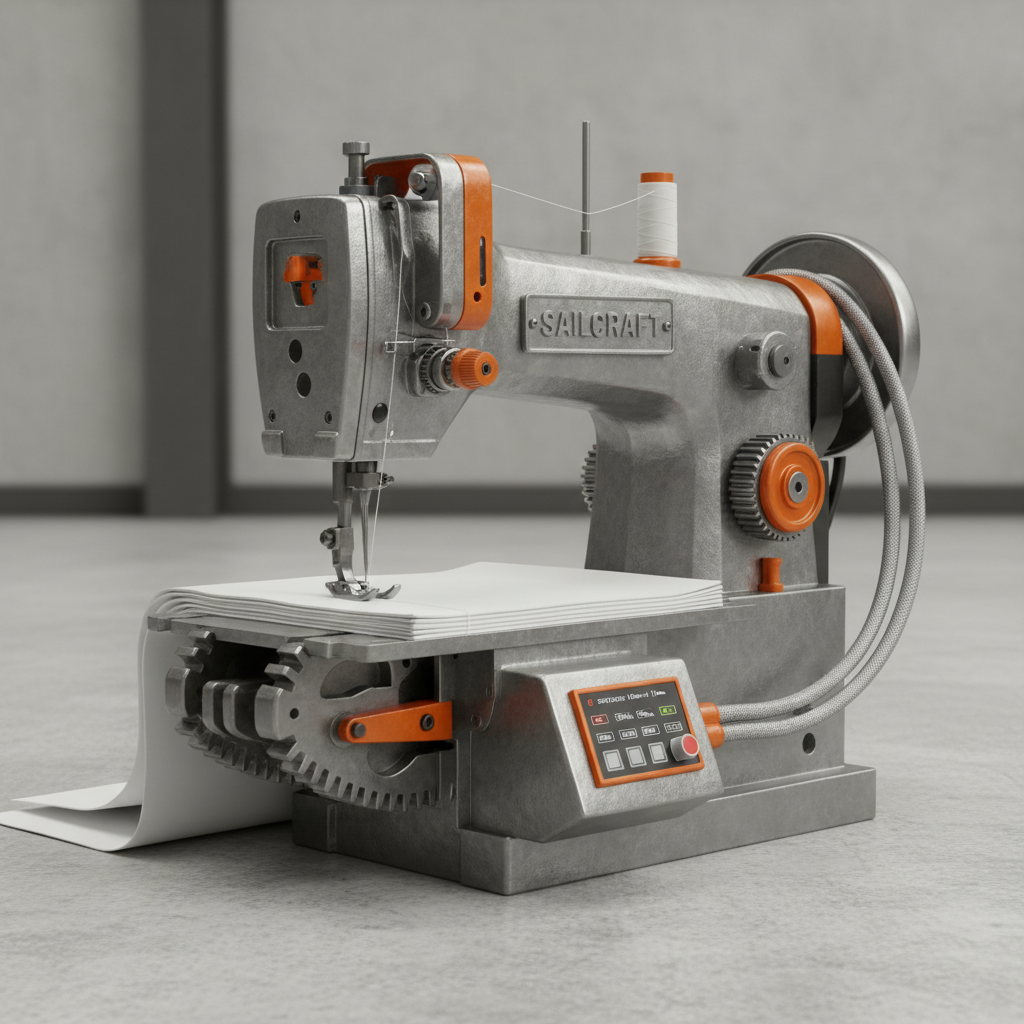
What is a Sail Making Machine?
A sail making machine is a specialized industrial sewing machine designed to handle the heavy-duty fabrics and demanding stitching requirements of sail construction. Unlike standard sewing machines, these machines are built with reinforced components, powerful motors, and advanced features to reliably sew through multiple layers of sailcloth, often reinforced with webbing and patches. The key function is to create strong, durable seams capable of withstanding significant tension and stress from wind and water. Longsew's machines are specifically engineered to address these challenges.
Key Features: Reinforced construction, powerful motors, advanced feed mechanisms, specialized needles and threads, programmable stitch patterns.
Types of Sail Making Machines
Several types of sail making machines cater to different production needs and sail types. The most common include:
- Walking Foot Machines: Ideal for handling multiple layers of fabric and preventing slippage, commonly used for general sail panel assembly.
- Roller Feed Machines: Provide precise and consistent fabric feeding, often used for stitching reinforcements and webbing.
- Computer Controlled Machines (CNC): Offer automated cutting and sewing capabilities, increasing precision and efficiency for complex sail designs.
The selection depends on the scale of production, the types of sails being manufactured (e.g., cruising sails, racing sails), and the desired level of automation.
Machine Type Breakdown:
• Walking Foot: Versatile, handles multiple layers, prevents slippage.
• Roller Feed: Precise feeding, ideal for reinforcements.
• CNC: Automated, high precision, efficient.
Sail Making Machine: A Comparison
Choosing the right machine can be a complex decision. Here's a comparative overview of the three main types:
Longsew Sail Making Machine Specifications
Here's a sample specification table for one of Longsew's popular walking foot sail making machines:
Conclusion: Investing in the Right Sail Making Machine
Investing in a high-quality sail making machine is crucial for any sail loft looking to produce durable, reliable sails efficiently. Longsew offers a range of machines designed to meet diverse production needs and budgets. By carefully considering your specific requirements and selecting the appropriate machine, you can ensure optimal performance and longevity.
Frequently Asked Questions (FAQs)
What type of thread is best for sail making machines?
High-tenacity polyester thread is the industry standard for sail making due to its exceptional strength, UV resistance, and low stretch. Different thread sizes are used depending on the fabric weight and seam stress. Typically, sizes 60 to 92 are common. The specific thread recommendation will also depend on the sail's intended use - racing sails often require higher-performance threads than cruising sails. Using the correct thread ensures seam integrity and longevity.
How often should a sail making machine be serviced?
Regular maintenance is crucial to keep your machine running smoothly. A general service, including lubrication and inspection, should be performed every 6 months or after 500 hours of operation, whichever comes first. More frequent servicing may be required in harsh environments or with heavy use. It's recommended to have a qualified technician perform the service to ensure all components are properly adjusted and maintained.
What safety features should I look for in a sail making machine?
Safety features are paramount. Look for machines with safety guards around moving parts, emergency stop buttons, and overload protection. Proper training for operators is also essential. Always follow the manufacturer's safety guidelines and ensure operators wear appropriate personal protective equipment, such as safety glasses and gloves.
What is the typical power requirement for a sail making machine?
Power requirements vary depending on the machine's size and features. Most industrial sail making machines require 220V or 380V three-phase power. Ensure your facility has the appropriate electrical infrastructure to support the machine's power needs. Consult the machine's specifications for precise power requirements before installation.
Latest news
-
Industrial Bag Sewing Machine Price and Comprehensive Buying GuideNewsApr.16,2026
-
Industrial Hand Held Bag Closer for Efficient Packaging SealingNewsApr.16,2026
-
Industrial Hand Held Bag Closer Sewing Machine for PackagingNewsApr.16,2026
-
Efficient Industrial Bag Closer Sewing Machine for PackagingNewsApr.16,2026
-
Industrial Sewing Guide for Choosing the Right Closer MachineNewsApr.16,2026
-
Guide to Capital Bag Closer Machine Price and Buying FactorsNewsApr.16,2026
-
Say goodbye to inefficient cutting! This heavy-duty webbing hot cutting machine redefines the new standard for industrial cuttingNewsApr.14,2026

Hebei LongSew Machinery Technology Co. Ltd is beginning as sewing machine parts supplier, now Longsew have over twenty years experience in complete set sewing machine offering.


CLASSIFICATION
CONTACT US
-

No.368 North Youyi Street, Shijiazhuang City, Hebei Province, China
-

-

Copyright © 2026 HEBEI LONGSEW MACHINERY TECHNOLOGY CO. LTD All Rights Reserved. Sitemap | Privacy Policy | Top Blog | Global Service