

Mar . 19, 2026 01:55
Back to list
What is a Good Serger for Beginners A Comprehensive Guide
What is a Good Serger for Beginners?
Starting your sewing journey and considering a serger? Excellent choice! A serger, also known as an overlock machine, can elevate your projects with professional-looking finishes. But with so many options available, finding the right one as a beginner can be overwhelming. This guide will break down what to look for in a serger for beginners, covering essential features, popular models, and things to consider before you buy. We'll help you choose a machine that's easy to learn and will inspire you to create beautiful, durable garments and crafts.
Understanding Sergers: What Do They Do?
Before diving into specific models, let's clarify what a serger does. Unlike a traditional sewing machine that uses a single thread to create a stitch, a serger uses multiple threads (typically 3-5) to simultaneously sew, trim, and overlock the raw edges of fabric. This creates a clean, professional finish that prevents fraying and adds durability to your projects. Sergers are particularly useful for sewing knit fabrics, which tend to unravel easily. They are also fantastic for quickly finishing seams on woven fabrics, creating rolled hems, and even decorative edging. A good serger machine will be a valuable asset in your sewing room.
Key Benefits: Simultaneous sewing, trimming, and overlocking. Prevents fabric fraying. Creates a professional finish. Ideal for knit and woven fabrics.
Essential Features to Look for in a Beginner Serger
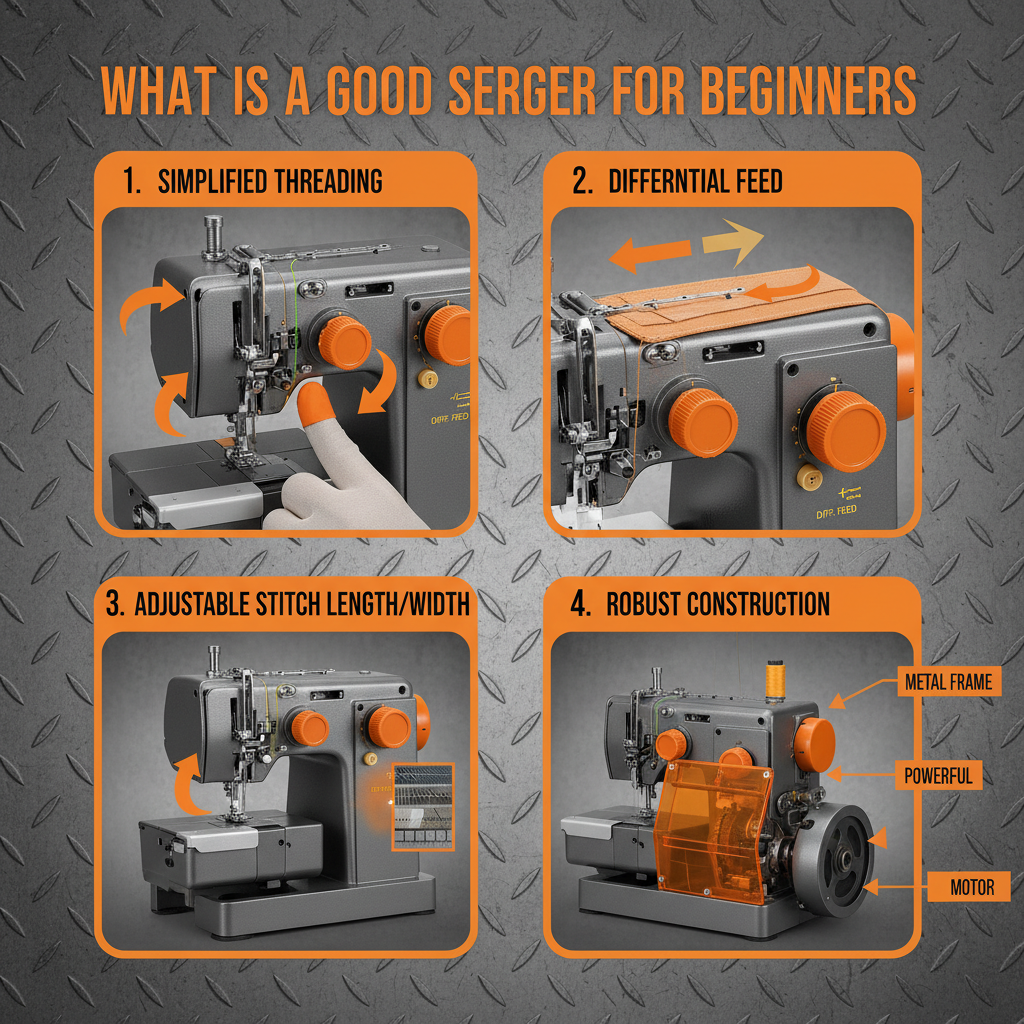
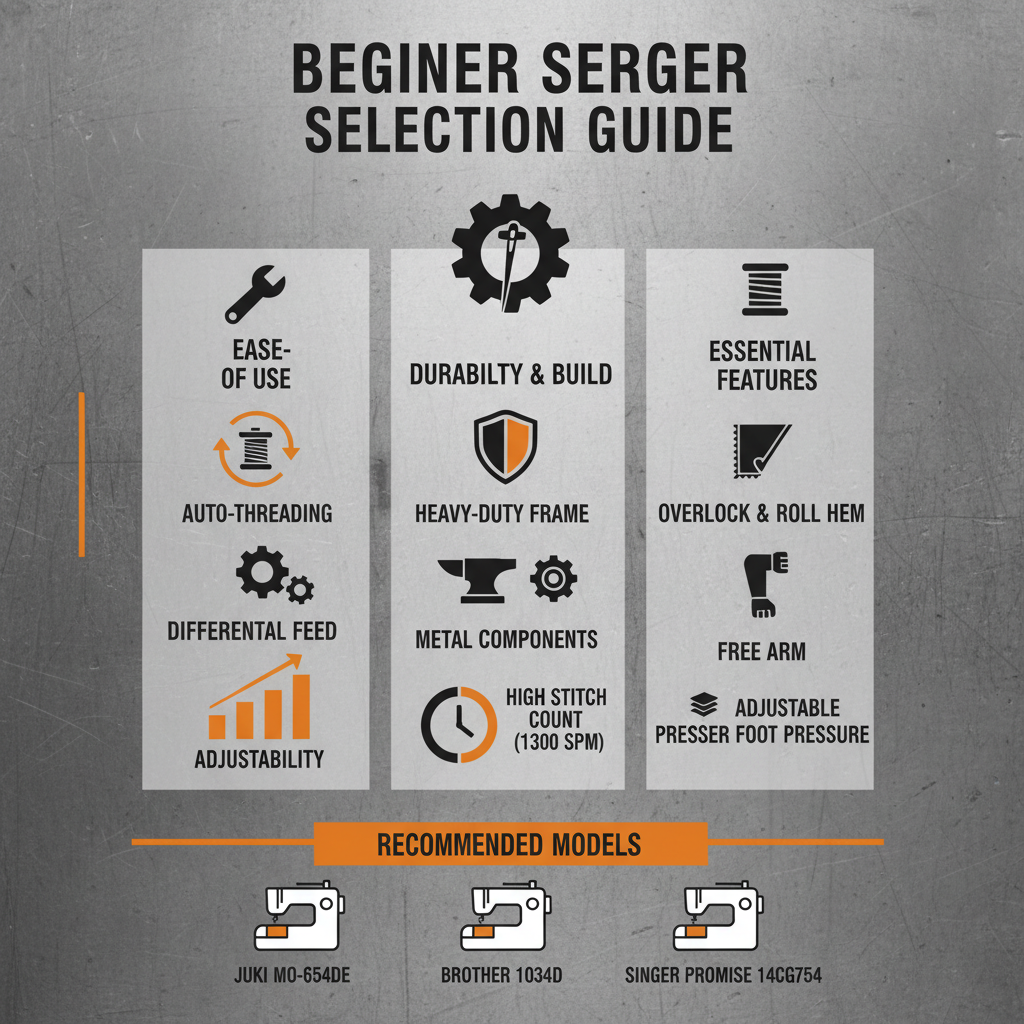
When choosing a serger as a beginner, prioritize ease of use and reliability. Here are some key features to consider: Automatic Threading: This simplifies the threading process, which can be tricky on a serger. Adjustable Stitch Length and Width: Allows you to customize the stitch for different fabrics and projects. Differential Feed: This feature prevents stretching or puckering of fabrics, especially knits. Built-in Rolled Hem: Makes it easy to create delicate rolled hems for scarves, napkins, and other lightweight items. Clear and Simple Instructions: A well-written manual and accessible online resources are crucial for learning the machine. Good Lighting: Adequate lighting makes it easier to see the threading paths and stitch details.
Must-Have Features:
• Automatic Threading
• Adjustable Stitch Length and Width
• Differential Feed
• Built-in Rolled Hem
Top Serger Models for Beginners: A Comparison
Here’s a quick look at some popular serger models often recommended for beginners. Prices can vary depending on the retailer and promotions.
Choosing the Right Serger for Your Needs
Ultimately, the best serger for you depends on your budget, the types of projects you'll be working on, and your comfort level with learning new techniques. Don't be afraid to start with a more basic model and upgrade as your skills grow. Researching online, reading reviews, and watching tutorial videos can help you make an informed decision. Consider visiting a local sewing machine dealer to try out different models before you buy. Longsew offers a wide selection of sergers and expert advice to help you find the perfect machine.
Taking the Plunge: Tips for Learning to Serger
Learning to use a serger takes practice, but it's incredibly rewarding. Start with simple projects, such as finishing seams on napkins or creating a basic scarf. Watch online tutorials to learn proper threading techniques and stitch settings. Don't be afraid to experiment with different fabrics and threads. Most importantly, be patient with yourself and enjoy the process! Remember to refer to your machine's manual and online resources for guidance. A little practice will go a long way in mastering this versatile sewing tool.
Conclusion: Embrace the Power of a Serger
Investing in a serger is a fantastic step in your sewing journey. It opens up a world of possibilities for creating professional-looking garments and projects with ease. By choosing a beginner-friendly model and taking the time to learn its features, you'll quickly be amazed by the quality and efficiency a serger brings to your sewing room. So, go ahead, find the perfect serger and start creating!
Frequently Asked Questions (FAQs)
What is the difference between a serger and a sewing machine?
A sewing machine uses one thread to create a stitch and is primarily used for constructing garments. A serger uses multiple threads simultaneously to sew, trim, and overlock the raw edges of fabric, creating a professional finish and preventing fraying. While a sewing machine can do basic seam finishing, a serger excels at creating durable and polished edges, particularly on knit fabrics. Think of a sewing machine as the builder and a serger as the finisher.
How often do I need to oil my serger?
Regular oiling is crucial for keeping your serger running smoothly. The frequency depends on usage, but generally, oiling after every 8 hours of use is recommended. Always refer to your machine's manual for specific oiling instructions and use only serger oil, as other oils can damage the machine. Proper lubrication minimizes friction and prevents wear and tear on moving parts.
Can I use different types of thread in my serger?
Yes, you can experiment with different types of thread in your serger! Polyester thread is a good all-purpose option, while cotton thread is ideal for natural fabrics. However, it's important to use the same type of thread in the loopers and needles for best results. You can also use different colors to create decorative effects. Always test the thread combination on a scrap piece of fabric before starting your project.
What fabrics are best suited for serging?
Sergers excel at finishing seams on knit fabrics, preventing them from unraveling. They're also excellent for woven fabrics, providing a clean and professional edge. Lightweight to medium-weight fabrics generally work best. Heavier fabrics may require adjustments to the stitch length and tension. Experimenting with different fabrics is key to finding the optimal settings for your serger.
Latest news
-
Industrial Bag Sewing Machine Price and Comprehensive Buying GuideNewsApr.16,2026
-
Industrial Hand Held Bag Closer for Efficient Packaging SealingNewsApr.16,2026
-
Industrial Hand Held Bag Closer Sewing Machine for PackagingNewsApr.16,2026
-
Efficient Industrial Bag Closer Sewing Machine for PackagingNewsApr.16,2026
-
Industrial Sewing Guide for Choosing the Right Closer MachineNewsApr.16,2026
-
Guide to Capital Bag Closer Machine Price and Buying FactorsNewsApr.16,2026
-
Say goodbye to inefficient cutting! This heavy-duty webbing hot cutting machine redefines the new standard for industrial cuttingNewsApr.14,2026

Hebei LongSew Machinery Technology Co. Ltd is beginning as sewing machine parts supplier, now Longsew have over twenty years experience in complete set sewing machine offering.


CLASSIFICATION
CONTACT US
-

No.368 North Youyi Street, Shijiazhuang City, Hebei Province, China
-

-

Copyright © 2026 HEBEI LONGSEW MACHINERY TECHNOLOGY CO. LTD All Rights Reserved. Sitemap | Privacy Policy | Top Blog | Global Service