

Mar . 14, 2026 02:05
Back to list
What Does an Overlock Machine Do A Comprehensive Guide to Sergers
What Does an Overlock Machine Do? A Comprehensive Guide
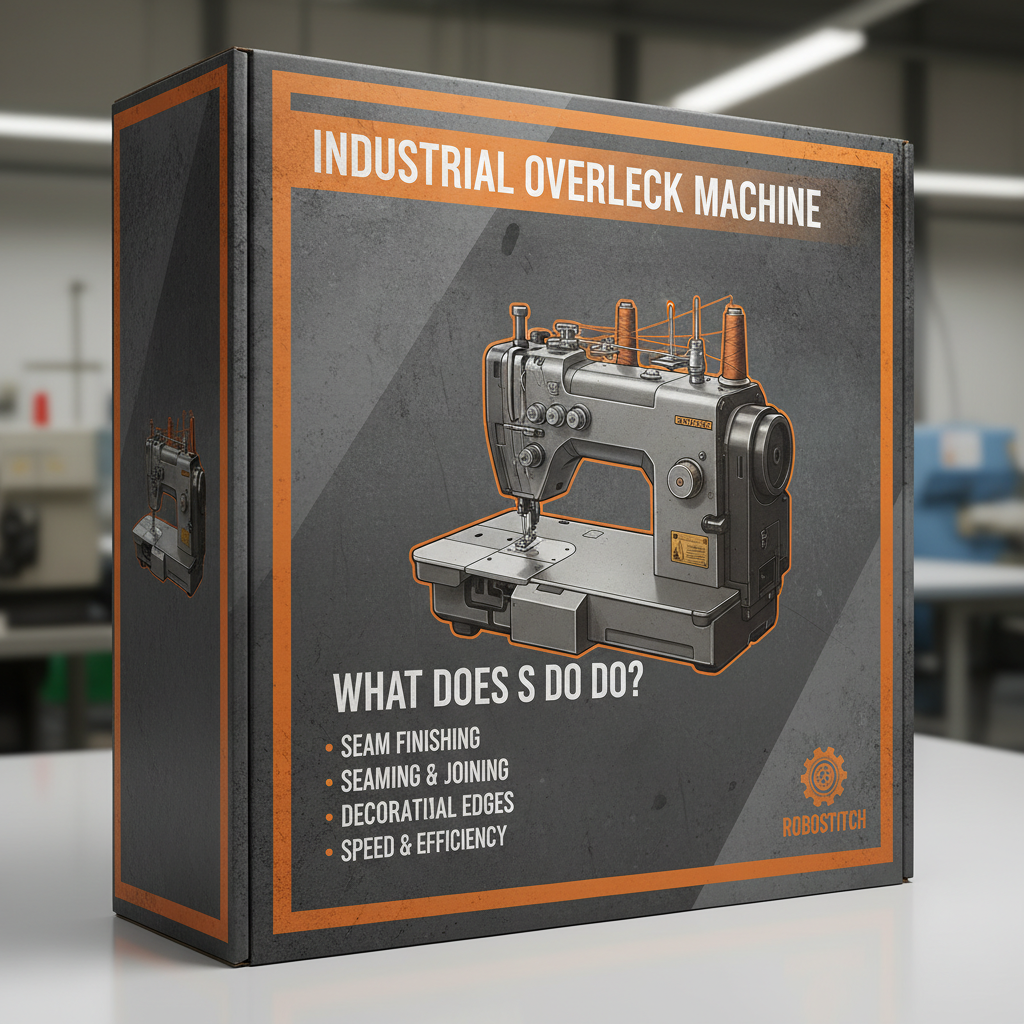
An overlock machine, also known as a serger, is a specialized sewing machine that creates a professional finish on fabric edges. Unlike a standard sewing machine which simply stitches two pieces of fabric together, an overlock machine simultaneously sews, trims, and overcasts the edge of the fabric, preventing it from fraying. This makes it an indispensable tool in garment construction, quilting, and various textile projects. Understanding what an overlock machine does can significantly enhance your sewing capabilities and the quality of your finished products.
The Core Function: Sewing, Trimming, and Overcasting
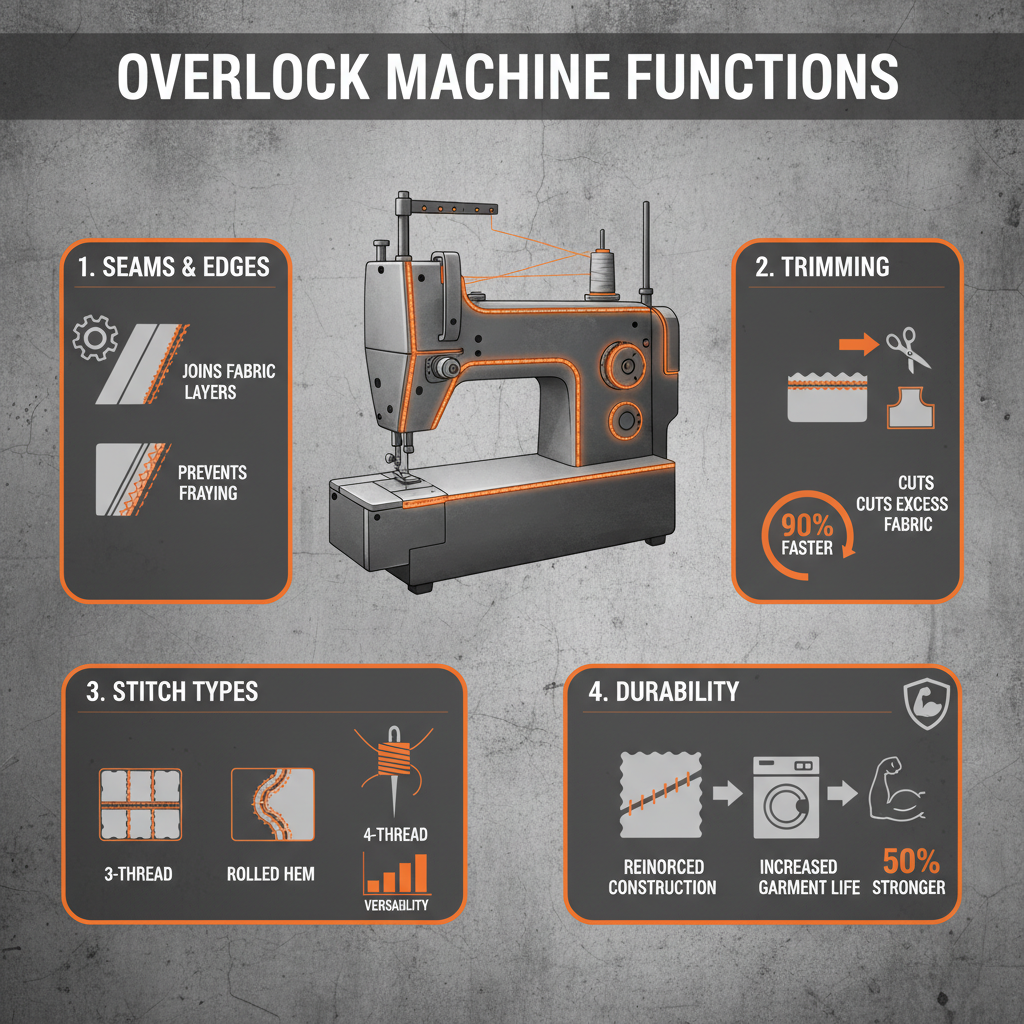
The primary function of an overlock machine is to create a clean, durable, and professional-looking edge finish. It achieves this through a combination of three key processes. First, the machine sews the fabric pieces together using loopers instead of a traditional needle and bobbin. Secondly, a built-in blade trims away any excess fabric as it sews, ensuring a neat and even edge. Finally, the overlocking stitch itself wraps around the edge of the fabric, encapsulating the raw edge and preventing fraying. This process is significantly faster and more efficient than manually folding and stitching edges.
Key Benefits: Creates a professional finish, prevents fraying, saves time and effort, strengthens seams.
What Types of Stitches Does an Overlock Machine Create?
While the most common stitch is the overlock stitch itself, these machines are surprisingly versatile. Different configurations of loopers and settings allow for a variety of stitches, including a narrow overlock, a rolled hem, a flatlock stitch, and even a decorative stitch. The number of threads used also influences the stitch type; machines are available with 3, 4, 5, or even 8 threads. This flexibility makes an overlock machine a valuable asset for a wide range of sewing projects.
Common Overlock Stitch Types:
• Overlock/Serger Stitch: The standard stitch for finishing edges.
• Rolled Hem: Creates a delicate, narrow hem for lightweight fabrics.
• Flatlock: Creates a flat, secure seam often used in sportswear.
• Differential Feed: Used to gather or stretch fabric.
Overlock vs. Traditional Sewing Machine: A Detailed Comparison
While a standard sewing machine can achieve some edge finishing techniques, it doesn't offer the same speed, efficiency, or professional results as an overlock machine. The table below highlights the key differences between the two:
Applications of Overlock Machines: From Garments to Quilts
The uses for an overlock machine are incredibly diverse. They are essential for garment construction, creating professional finishes on clothing items like t-shirts, dresses, and pants. Quilters use them to join quilt blocks and create decorative edges. Other applications include creating rolled hems on scarves, constructing lingerie, and sewing stretchy fabrics like knits. The machine’s ability to handle a variety of fabrics makes it a versatile addition to any sewing room.
Choosing the Right Overlock Machine: Key Considerations
When selecting an overlock machine, consider factors like the number of threads it can handle, the types of stitches it offers, the ease of threading, and the overall build quality. Longsew offers a wide range of industrial overlock machines designed for both home and commercial use. Look for features like automatic tension control, adjustable stitch length, and a differential feed to ensure optimal performance. Investing in a quality machine will save you time and frustration in the long run.
Conclusion: Empowering Your Sewing with an Overlock Machine
The overlock machine is a game-changer for any serious sewer. Its ability to streamline the edge finishing process, create professional-looking results, and handle a variety of fabrics makes it an invaluable tool. By understanding what an overlock machine does and choosing the right model for your needs, you can elevate your sewing projects to the next level.
Frequently Asked Questions (FAQs)
Can an overlock machine sew seams as well as a regular sewing machine?
While an overlock machine can join fabrics, its primary function isn’t seam construction in the same way a regular sewing machine is. It’s better suited for finishing raw edges after a seam has been sewn with a standard machine. Overlock machines excel at creating durable, professionally-finished seams that prevent fraying, but for initial seam construction, a sewing machine often provides more control and stitch options. Some more advanced overlock machines can perform chain stitches which can be used for seam construction, but this is less common.
What is the 'differential feed' feature and how does it work?
The differential feed is a feature found on many overlock machines that allows you to control the speed at which the feed dogs move, independently for the front and back of the fabric. This is incredibly useful for working with stretchy fabrics. If the fabric is stretching too much while sewing, you can slow down the back feed dog to prevent elongation. Conversely, if the fabric is puckering, you can slow down the front feed dog. This feature ensures a smooth, even seam, even on challenging materials.
How often do overlock machines need maintenance?
Regular maintenance is crucial for keeping your overlock machine running smoothly. This includes cleaning lint from the loopers and blades after each use, oiling the machine according to the manufacturer's instructions, and changing the blades when they become dull. A more thorough cleaning and inspection should be performed every 6-12 months, or as needed. Proper maintenance will extend the life of your machine and ensure optimal performance. Longsew provides detailed maintenance guides and support.
Are overlock machines difficult to thread?
Traditionally, threading an overlock machine could be challenging due to the multiple loopers and threads involved. However, many modern overlock machines feature automatic threading systems that significantly simplify the process. Even without automatic threading, with a little practice, most users can learn to thread an overlock machine efficiently. Longsew's machines are designed with user-friendliness in mind, including clear threading guides and intuitive controls.
Latest news
-
Industrial Bag Sewing Machine Price and Comprehensive Buying GuideNewsApr.16,2026
-
Industrial Hand Held Bag Closer for Efficient Packaging SealingNewsApr.16,2026
-
Industrial Hand Held Bag Closer Sewing Machine for PackagingNewsApr.16,2026
-
Efficient Industrial Bag Closer Sewing Machine for PackagingNewsApr.16,2026
-
Industrial Sewing Guide for Choosing the Right Closer MachineNewsApr.16,2026
-
Guide to Capital Bag Closer Machine Price and Buying FactorsNewsApr.16,2026
-
Say goodbye to inefficient cutting! This heavy-duty webbing hot cutting machine redefines the new standard for industrial cuttingNewsApr.14,2026

Hebei LongSew Machinery Technology Co. Ltd is beginning as sewing machine parts supplier, now Longsew have over twenty years experience in complete set sewing machine offering.


CLASSIFICATION
CONTACT US
-

No.368 North Youyi Street, Shijiazhuang City, Hebei Province, China
-

-

Copyright © 2026 HEBEI LONGSEW MACHINERY TECHNOLOGY CO. LTD All Rights Reserved. Sitemap | Privacy Policy | Top Blog | Global Service