

Mar . 12, 2026 01:55
Back to list
Understanding Typical Overlock Machine Price Ranges and Key Features
Typical Overlock Machine Price: A Comprehensive Guide
Understanding the price of a typical overlock machine requires considering various factors, from the machine's capabilities to its brand reputation. Whether you're a seasoned seamstress, a small business owner, or just starting with garment construction, selecting the right overlock machine is crucial. This article will delve into the typical price ranges, features to look for, and how to find the best value for your needs. We’ll explore options available at Longsew, a leading provider of industrial sewing machines. Choosing the right machine can significantly enhance the quality and efficiency of your sewing projects.
Factors Influencing Overlock Machine Prices
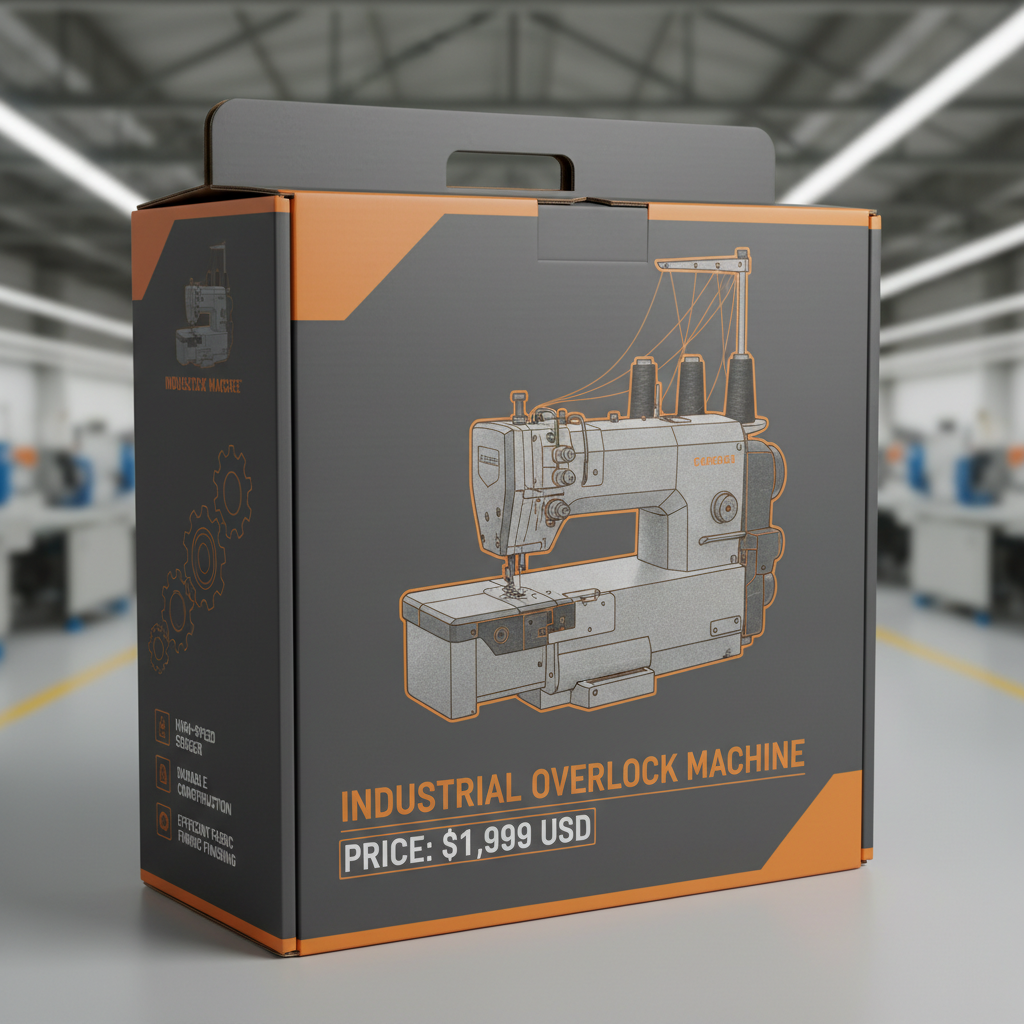
The cost of an overlock machine isn’t fixed. Several factors contribute to the final price. These include the number of threads the machine can handle (3, 4, or 5), the level of automation (manual, semi-automatic, or fully automatic), the brand's reputation, and the built-in features like differential feed and adjustable stitch length. Industrial-grade machines, designed for heavy-duty use, generally command higher prices than domestic models. Also, the seller's location and any included warranties or services play a role in the overall cost.
Key Considerations: Machine features, build quality, thread capabilities, automation level, and included warranty.
Typical Overlock Machine Price Ranges
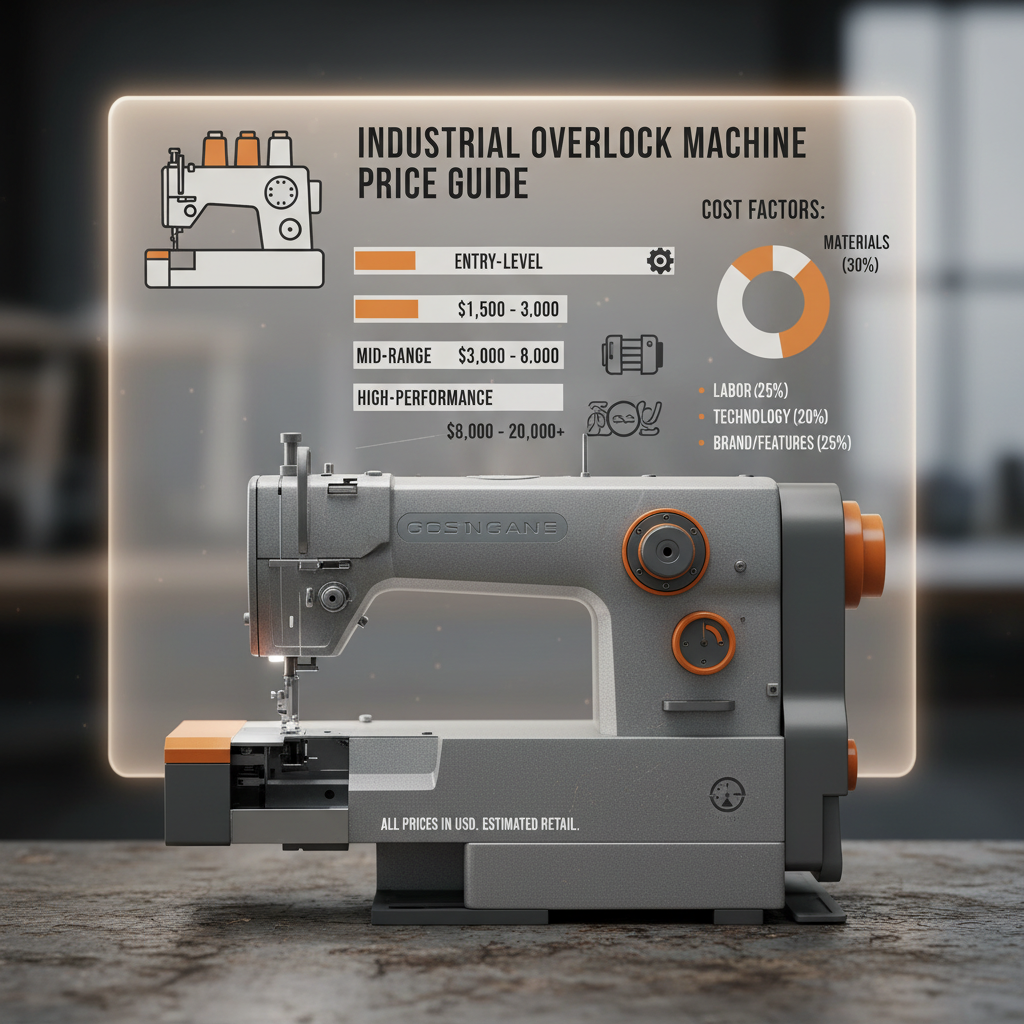
Here's a breakdown of typical overlock machine prices, categorized by type and features. These prices represent a general range and can vary based on the specific model and retailer. Consider your sewing needs and budget carefully when making your decision. At Longsew, you'll find a variety of overlock machines to fit diverse budgets and requirements.
Comparing Popular Overlock Machine Brands
Several brands dominate the overlock machine market, each with its strengths and weaknesses. Juki, Brother, Singer, and Janome are well-known for their domestic machines. For industrial applications, brands like Pegasus, Siruba, and Longsew are highly regarded for their reliability and performance. It's important to research specific models within each brand to find the best fit for your needs and budget.
Longsew Overlock Machine Options and Pricing
At Longsew, we offer a comprehensive range of industrial overlock machines designed for various applications. Our machines are known for their durability, precision, and efficiency. Here’s a glimpse of our pricing and specifications:
Finding the Best Value: Tips for Purchasing
When purchasing an overlock machine, don't solely focus on the price. Consider the features you truly need, the brand's reputation for reliability, and the availability of customer support and spare parts. Read reviews, compare models, and look for sales or promotions. Purchasing from a reputable dealer like Longsew ensures you receive a quality machine and excellent after-sales service.
Conclusion: Investing in the Right Overlock Machine
Selecting the right overlock machine is an investment in the quality and efficiency of your sewing projects. By carefully considering your needs, budget, and the factors discussed in this guide, you can find a machine that will provide years of reliable service. Explore the diverse range of options available at Longsew to discover the perfect overlock machine for your specific requirements.
Frequently Asked Questions (FAQs)
What is the difference between a 3-thread and a 4-thread overlock machine?
A 3-thread overlock machine is simpler and primarily used for finishing edges to prevent fraying. It creates a narrower seam. A 4-thread overlock machine provides a more durable and professional finish, as it creates a wider seam and has more security. It's preferred for heavier fabrics and garments that require greater strength. The choice depends on the types of projects you'll be working on. For light to medium weight fabrics and basic finishing, a 3-thread machine may suffice, while a 4-thread machine is ideal for more demanding applications.
How often should I oil my overlock machine?
Regular oiling is crucial for maintaining the performance and longevity of your overlock machine. Generally, you should oil your machine before each use, or at least after every 8 hours of operation. Focus on oiling the key moving parts, such as the needle bar, looper, and tension discs. Always use a high-quality sewing machine oil and follow the manufacturer's instructions. Proper lubrication reduces friction, prevents wear and tear, and ensures smooth operation.
What is differential feed and why is it important?
Differential feed allows you to adjust the speed at which the feed dogs move the fabric layers. This feature is especially useful when working with stretchy fabrics or multiple layers of fabric. If the fabric is stretching or puckering, you can adjust the differential feed to prevent these issues. A higher differential feed setting pushes the upper layer of fabric faster, preventing stretching, while a lower setting is useful for gathering or creating ruffles. It’s a key feature for achieving professional-looking results with a variety of fabrics.
Latest news
-
Industrial Bag Sewing Machine Price and Comprehensive Buying GuideNewsApr.16,2026
-
Industrial Hand Held Bag Closer for Efficient Packaging SealingNewsApr.16,2026
-
Industrial Hand Held Bag Closer Sewing Machine for PackagingNewsApr.16,2026
-
Efficient Industrial Bag Closer Sewing Machine for PackagingNewsApr.16,2026
-
Industrial Sewing Guide for Choosing the Right Closer MachineNewsApr.16,2026
-
Guide to Capital Bag Closer Machine Price and Buying FactorsNewsApr.16,2026
-
Say goodbye to inefficient cutting! This heavy-duty webbing hot cutting machine redefines the new standard for industrial cuttingNewsApr.14,2026

Hebei LongSew Machinery Technology Co. Ltd is beginning as sewing machine parts supplier, now Longsew have over twenty years experience in complete set sewing machine offering.


CLASSIFICATION
CONTACT US
-

No.368 North Youyi Street, Shijiazhuang City, Hebei Province, China
-

-

Copyright © 2026 HEBEI LONGSEW MACHINERY TECHNOLOGY CO. LTD All Rights Reserved. Sitemap | Privacy Policy | Top Blog | Global Service