

Mar . 12, 2026 01:55
Back to list
Understanding Tailoring Overlock Machine Price Factors and Market Costs
Understanding the Tailoring Overlock Machine Price Landscape
Investing in a quality tailoring overlock machine is crucial for any sewing business or enthusiast. But navigating the pricing can be complex. This article breaks down the factors influencing tailoring overlock machine price, offering insights to help you make an informed decision. We’ll explore different types, features, and brands, alongside current market costs, ensuring you find the best machine to meet your needs and budget.
Factors Influencing Overlock Machine Pricing
Several key factors determine the price of a tailoring overlock machine. These include the number of threads it can handle (3, 4, 5, or even 8), the level of automation (mechanical, electronic, or computer-controlled), brand reputation, and the inclusion of advanced features like differential feed, automatic thread tension, and built-in safety features. Higher thread counts generally equate to increased versatility and complexity, which drive up the price. Similarly, electronic and computerized machines, offering greater precision and control, are considerably more expensive than basic mechanical models.
Key Considerations: The number of threads, automation level, brand reputation, and advanced features all contribute to the overall cost.
Types of Overlock Machines and Their Price Ranges
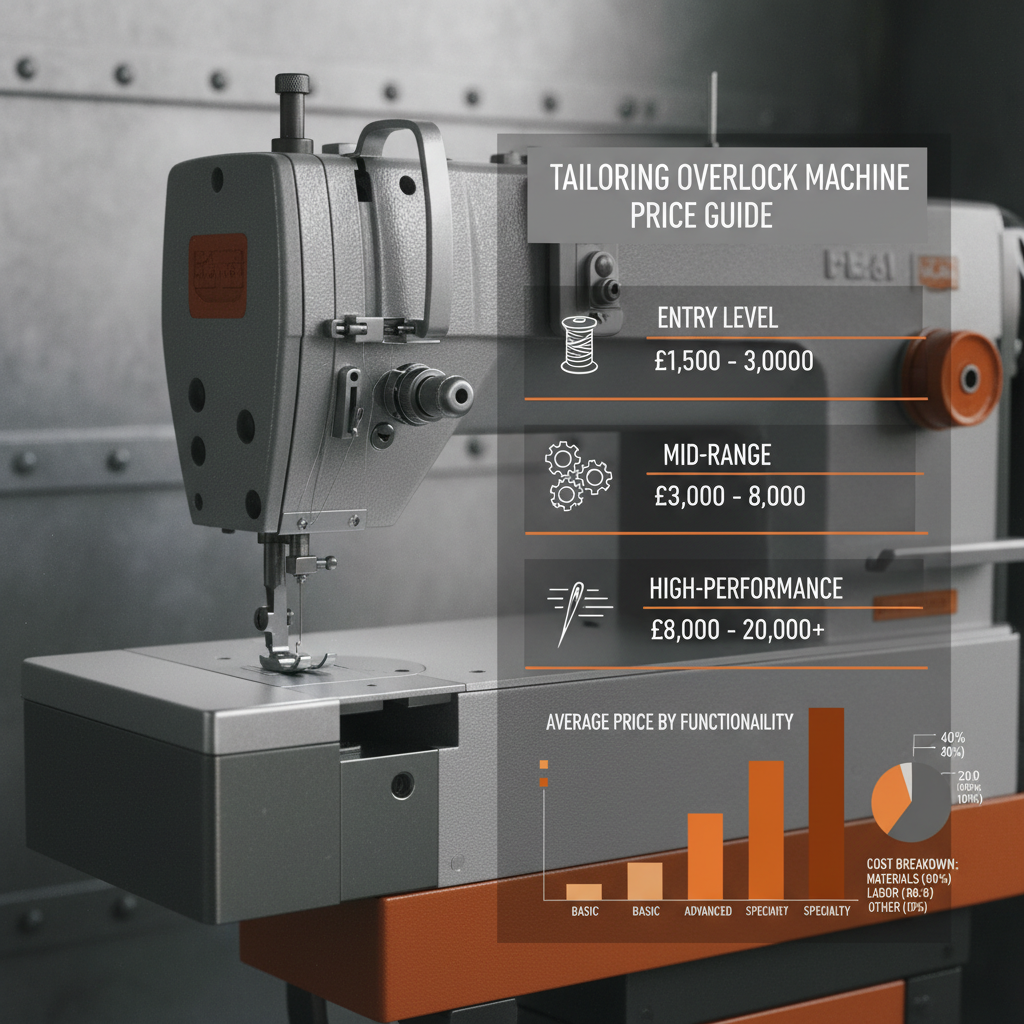
The market offers a wide array of overlock machines, catering to different needs and budgets. Basic mechanical models are the most affordable, typically ranging from $200 to $500. Electronic overlock machines, offering more features and precision, fall in the $500 to $1500 range. High-end, computerized models with advanced capabilities can cost upwards of $1500, sometimes exceeding $3000. Industrial-grade machines, built for heavy-duty use, generally start around $1000 and can reach several thousand dollars depending on their specifications.
Price Range Breakdown:
• Basic Mechanical: $200 - $500
• Electronic: $500 - $1500
• Computerized: $1500+
• Industrial: $1000+
Comparing Popular Overlock Machine Brands: A Price Perspective
Several reputable brands dominate the overlock machine market. Longsew is known for its robust industrial machines, often priced competitively. Juki is a well-respected brand offering a wide range of models, from entry-level to high-end, with prices ranging from $600 to $2500+. Brother is popular for its user-friendly home sewing machines, including overlock models typically priced between $300 and $800. Janome offers a good balance of quality and affordability, with prices generally falling between $400 and $1200. Singer, a household name, offers basic overlock machines in the $200-$500 range.
Beyond the Initial Price: Considering Long-Term Costs
While the initial tailoring overlock machine price is important, don’t overlook long-term costs. These include the price of serger needles, loopers, and other replacement parts. Regular maintenance, such as oiling and cleaning, is crucial for longevity and may require professional servicing. Energy consumption is also a factor, although generally minimal for home-use machines. Choosing a brand with readily available parts and good customer support can save you money and frustration in the long run.
Where to Find the Best Deals on Overlock Machines
To find the best deals, compare prices from multiple retailers, both online and offline. Look for seasonal sales, discounts, and refurbished models. Consider purchasing directly from the manufacturer or authorized dealers, as they often offer the best warranty and support. Online marketplaces like eBay and Amazon can offer competitive prices, but be sure to check the seller’s reputation and warranty information. Visiting sewing machine trade shows and expos can also provide opportunities to find exclusive deals.
Conclusion: Finding the Right Overlock Machine for Your Needs
Choosing the right tailoring overlock machine requires careful consideration of your budget, sewing needs, and desired features. By understanding the factors influencing tailoring overlock machine price and comparing different brands and models, you can make a confident investment that will enhance your sewing projects for years to come.
Frequently Asked Questions (FAQs)
What is the average lifespan of a home-use overlock machine?
With proper care and maintenance, a home-use overlock machine can last anywhere from 5 to 10 years, or even longer. Regular oiling, cleaning, and replacing worn-out parts are crucial for extending its lifespan. Avoid pushing the machine beyond its capacity, and follow the manufacturer's recommendations for usage and maintenance. Factors like frequency of use and the type of fabrics being sewn can also affect longevity.
Is it worth investing in a more expensive overlock machine?
Whether a more expensive overlock machine is "worth it" depends on your sewing volume and needs. If you're a casual sewer, a basic model may suffice. However, if you sew frequently, work with a variety of fabrics, or require advanced features like differential feed and automatic tension, investing in a higher-quality machine can significantly improve your sewing experience and produce more professional results. It also tends to be more durable and have better support.
How much should I budget for maintenance and repairs?
Budgeting $50-$100 per year for maintenance and repairs is a good starting point. This covers the cost of needles, loopers, oil, and potentially a professional servicing. More frequent servicing may be required if you use the machine heavily. Establishing a relationship with a qualified sewing machine technician can be beneficial for prompt and reliable repairs.
Where can I find replacement parts for my overlock machine?
Replacement parts can be found through the manufacturer's website, authorized dealers, and online retailers specializing in sewing machine parts. Longsew offers a comprehensive selection of parts for its machines. When ordering parts, be sure to have your machine's model number handy to ensure compatibility.
Latest news
-
Industrial Bag Sewing Machine Price and Comprehensive Buying GuideNewsApr.16,2026
-
Industrial Hand Held Bag Closer for Efficient Packaging SealingNewsApr.16,2026
-
Industrial Hand Held Bag Closer Sewing Machine for PackagingNewsApr.16,2026
-
Efficient Industrial Bag Closer Sewing Machine for PackagingNewsApr.16,2026
-
Industrial Sewing Guide for Choosing the Right Closer MachineNewsApr.16,2026
-
Guide to Capital Bag Closer Machine Price and Buying FactorsNewsApr.16,2026
-
Say goodbye to inefficient cutting! This heavy-duty webbing hot cutting machine redefines the new standard for industrial cuttingNewsApr.14,2026

Hebei LongSew Machinery Technology Co. Ltd is beginning as sewing machine parts supplier, now Longsew have over twenty years experience in complete set sewing machine offering.


CLASSIFICATION
CONTACT US
-

No.368 North Youyi Street, Shijiazhuang City, Hebei Province, China
-

-

Copyright © 2026 HEBEI LONGSEW MACHINERY TECHNOLOGY CO. LTD All Rights Reserved. Sitemap | Privacy Policy | Top Blog | Global Service