

Mar . 28, 2026 02:05
Back to list
The Essential Guide to Single Stitch Machine Applications in Garment Production
Understanding the Power of a Single Stitch Machine in Garment Manufacturing
In the fast-paced world of garment production, efficiency and precision are paramount. A reliable single stitch machine is the cornerstone of many garment assembly lines. This article delves into the importance of single stitch machines, exploring their uses, benefits, features, and how to choose the right one for your specific needs. We'll uncover why investing in a quality machine from a reputable manufacturer like Longsew can significantly impact your production capabilities.
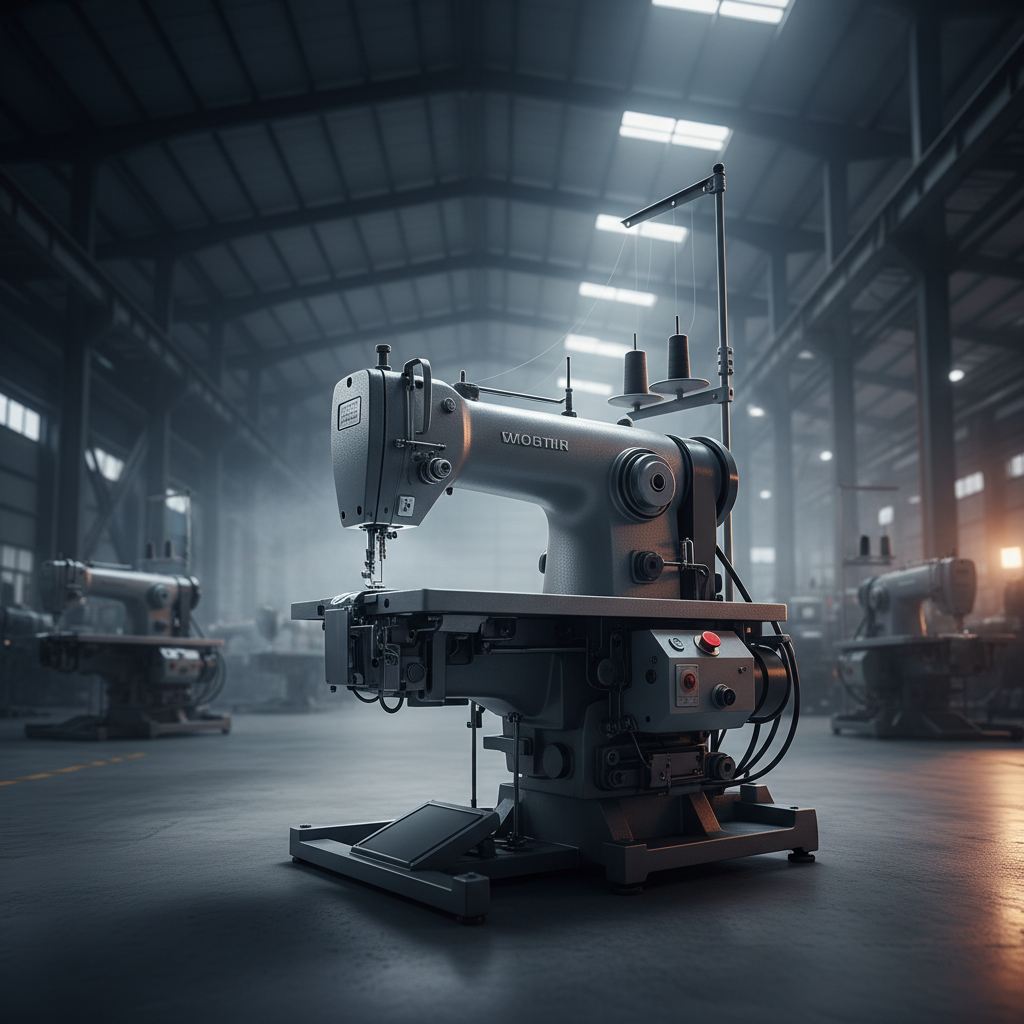
What is a Single Stitch Machine and What Does It Do?
A single stitch machine, as the name suggests, creates a single line of stitching with one needle. This makes it ideal for a variety of garment applications, including tacking, edge stitching, and topstitching. Unlike lockstitch machines which create a more secure stitch on both sides of the fabric, single stitch machines are typically used for temporary seams or where a clean, visible stitch is desired. They're particularly popular in producing lightweight fabrics and are known for their speed and efficiency. Choosing the right machine depends on the type of fabric and the desired aesthetic of the final product.
Key Applications of Single Stitch Machines in the Garment Industry
The versatility of single stitch machines makes them indispensable in numerous garment production processes. Some common applications include:
- Tacking: Holding fabric layers together temporarily before final sewing.
- Edge Finishing: Creating a neat and professional edge on fabrics to prevent fraying.
- Topstitching: Adding decorative stitching to seams or garment details.
- Blind Stitching: Creating an almost invisible stitch on hems or closures.
- Attaching Labels and Tags: Securely affixing brand labels, size tags, and care instructions.
Choosing the Right Single Stitch Machine: Factors to Consider
Selecting the appropriate single stitch machine involves careful consideration of several factors. These include the type of fabric you'll be working with, the desired stitch quality, and your production volume. Important features to look for include adjustable stitch length and width, a robust motor, and a reliable feeding mechanism. Consider whether you need a machine with automatic lubrication for reduced maintenance. Also, evaluate the availability of spare parts and technical support from the manufacturer. Longsew offers a wide range of single stitch machines designed to meet diverse production needs.
Key Considerations: Stitch length adjustability, robust motor, reliable feeding mechanism, and readily available support are crucial when selecting a single stitch machine.
Comparing Single Stitch Machine Types and Features
Different types of single stitch machines cater to specific applications. Here’s a comparison of some common models and their features:
Why Choose Longsew for Your Single Stitch Machine Needs?
Longsew is a leading manufacturer of high-quality garment machinery, including a comprehensive range of single stitch machines. We are committed to providing reliable, durable, and innovative solutions to meet the evolving needs of the garment industry. Our machines are built with precision engineering and undergo rigorous quality control to ensure optimal performance. We offer competitive pricing, excellent customer support, and a wide network of service centers. Investing in a Longsew single stitch machine means investing in the future of your production.
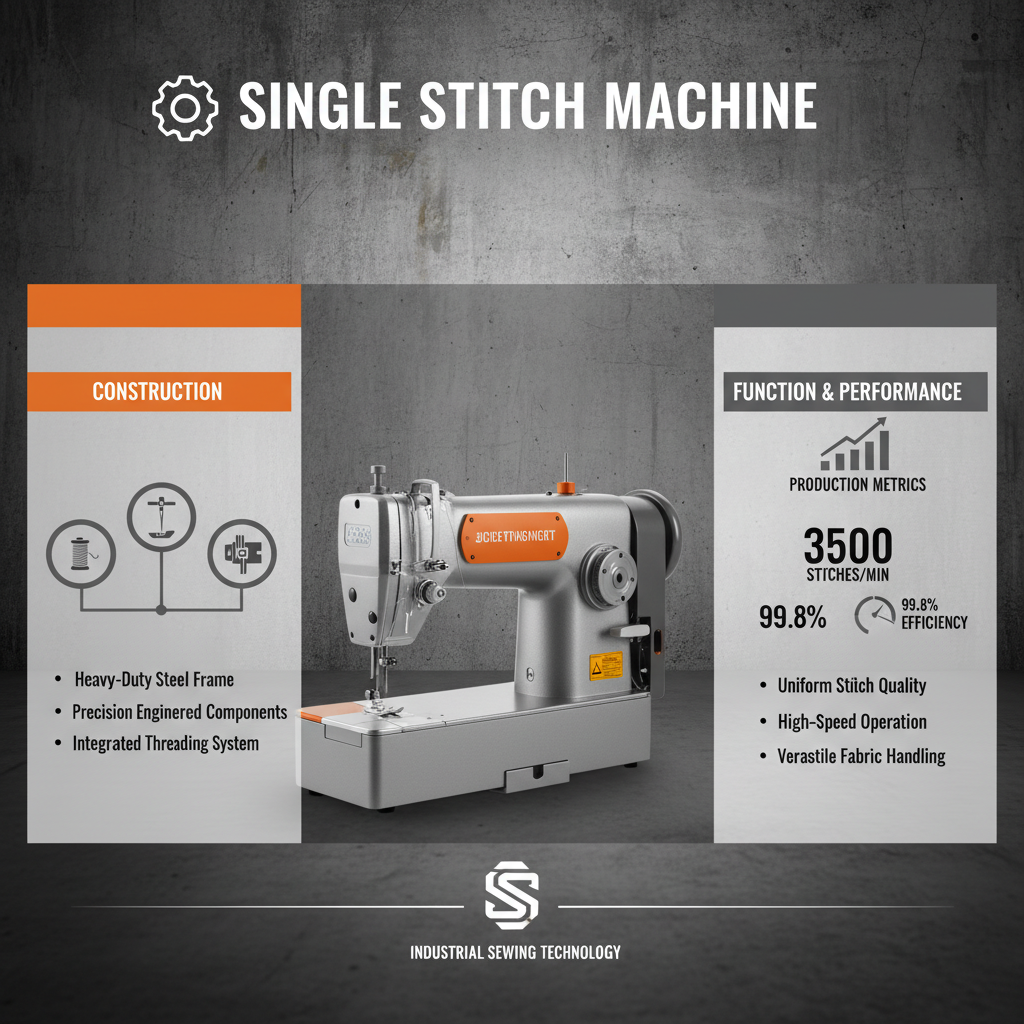
Conclusion: Maximizing Efficiency with the Right Machine
A single stitch machine is a vital component of any garment manufacturing operation. By carefully considering your specific needs and choosing a high-quality machine from a trusted manufacturer like Longsew, you can optimize your production efficiency, improve product quality, and achieve a competitive edge in the market.
Frequently Asked Questions (FAQs)
What type of fabric is best suited for a single stitch machine?
Single stitch machines excel at working with lightweight to medium-weight fabrics such as cotton, polyester, and blends. They’re particularly effective for fabrics that don’t require a strong, secure seam. Heavier fabrics can be sewn, but may require a more robust machine and appropriate needle selection. Using the wrong needle for the fabric can lead to skipped stitches or damage to the material.
How often should I lubricate my single stitch machine?
Regular lubrication is essential for maintaining the optimal performance and longevity of your single stitch machine. The frequency of lubrication depends on usage, but generally, it’s recommended to lubricate the machine before each shift or at least once a day. Refer to your machine's manual for specific lubrication points and recommended oil types. Proper lubrication reduces friction, minimizes wear and tear, and prevents breakdowns.
What should I do if my single stitch machine skips stitches?
Skipped stitches can be caused by several factors. First, check the needle – ensure it's the correct type and size for the fabric and is properly inserted. Next, verify the thread tension; too loose or too tight can cause skipped stitches. Also, inspect the presser foot pressure and the feed dog. If the issue persists, it may indicate a problem with the timing of the machine, requiring professional servicing. Always consult your machine's manual for troubleshooting tips.
Are Longsew single stitch machines energy efficient?
Yes, Longsew is committed to producing energy-efficient machinery. Our single stitch machines utilize advanced motor technology and optimized designs to minimize energy consumption without compromising performance. This not only reduces your operating costs but also contributes to a more sustainable manufacturing process.
Latest news
-
Industrial Bag Sewing Machine Price and Comprehensive Buying GuideNewsApr.16,2026
-
Industrial Hand Held Bag Closer for Efficient Packaging SealingNewsApr.16,2026
-
Industrial Hand Held Bag Closer Sewing Machine for PackagingNewsApr.16,2026
-
Efficient Industrial Bag Closer Sewing Machine for PackagingNewsApr.16,2026
-
Industrial Sewing Guide for Choosing the Right Closer MachineNewsApr.16,2026
-
Guide to Capital Bag Closer Machine Price and Buying FactorsNewsApr.16,2026
-
Say goodbye to inefficient cutting! This heavy-duty webbing hot cutting machine redefines the new standard for industrial cuttingNewsApr.14,2026

Hebei LongSew Machinery Technology Co. Ltd is beginning as sewing machine parts supplier, now Longsew have over twenty years experience in complete set sewing machine offering.


CLASSIFICATION
CONTACT US
-

No.368 North Youyi Street, Shijiazhuang City, Hebei Province, China
-

-

Copyright © 2026 HEBEI LONGSEW MACHINERY TECHNOLOGY CO. LTD All Rights Reserved. Sitemap | Privacy Policy | Top Blog | Global Service