

Mar . 05, 2026 01:55
Back to list
Find the Best Deals on Overlockers for Sale and Enhance Your Sewing Projects
Overlockers for Sale: Your Guide to Finding the Perfect Machine
Looking for overlockers for sale? You've come to the right place. Overlockers, also known as sergers, are essential for creating professional-quality seams, finishing raw edges, and adding decorative touches to your sewing projects. This guide will walk you through everything you need to know, from understanding the different types of overlockers to choosing the best machine for your needs and budget. Whether you're a beginner or an experienced sewist, finding the right overlocker can significantly enhance your sewing experience. We will highlight options available at Longsew and provide helpful tips for making an informed decision.
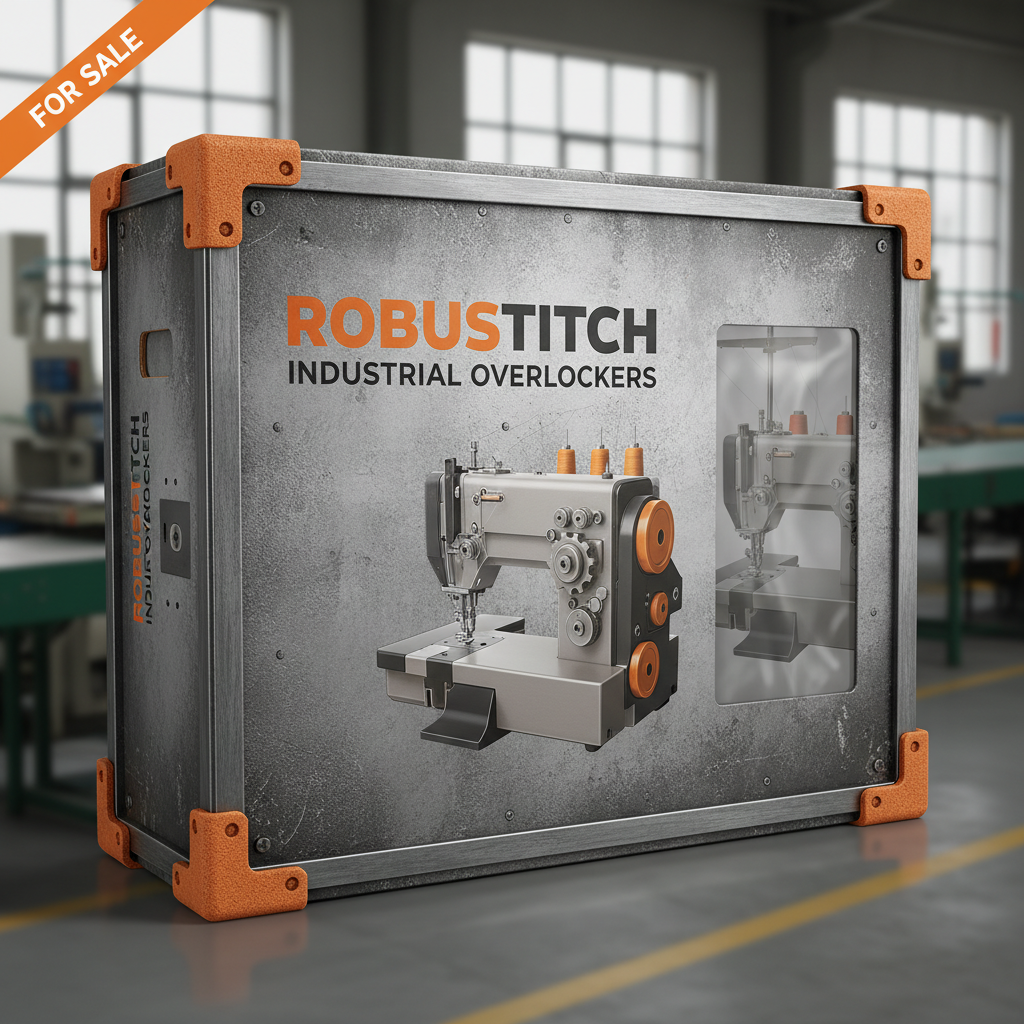
Understanding Different Types of Overlockers
Overlockers come in various configurations, each suited to different sewing tasks. The most common types include: 3-thread overlockers, perfect for finishing edges and light seam construction; 4-thread overlockers, which create a more secure and durable seam, ideal for garments; and 5-thread overlockers, providing even greater seam strength and a professional finish, often used in industrial settings. Some machines also offer coverstitch capabilities, allowing you to create professional-looking hems and decorative stitching. Understanding these distinctions is crucial when browsing overlockers for sale. Consider the types of projects you’ll be working on most frequently to determine which configuration best suits your needs.
Key Takeaway: Choosing the right number of threads depends on the desired seam strength, edge finishing quality, and types of fabrics you'll be working with.
Key Features to Look for When Buying Overlockers for Sale
When searching for overlockers for sale, prioritize machines with features that will enhance your sewing experience. Important considerations include: adjustable stitch length and width, allowing for customization based on fabric type; differential feed, which prevents fabric puckering or stretching; automatic thread tension, simplifying setup and ensuring consistent stitch quality; and ease of threading, a significant time-saver. A built-in light and a clear view of the cutting blade are also desirable features. Don't underestimate the importance of a sturdy construction and a reputable brand like Longsew.
Essential Overlocker Features:
• Adjustable stitch length and width
• Differential feed
• Automatic thread tension
• Easy threading system
Comparing Popular Overlocker Models Available for Sale
Let's compare some popular overlocker models currently available for sale at Longsew. This will help you visualize the differences and choose the best option for your needs.
Factors Influencing the Price of Overlockers for Sale
The price of overlockers for sale can vary significantly depending on several factors. The number of threads, features like automatic tension and differential feed, brand reputation, and included accessories all play a role. Industrial-grade overlockers typically command a higher price than domestic models. Consider your budget and sewing needs carefully to find a machine that offers the best value. Often, sales and promotions at retailers like Longsew can make high-quality machines more accessible.
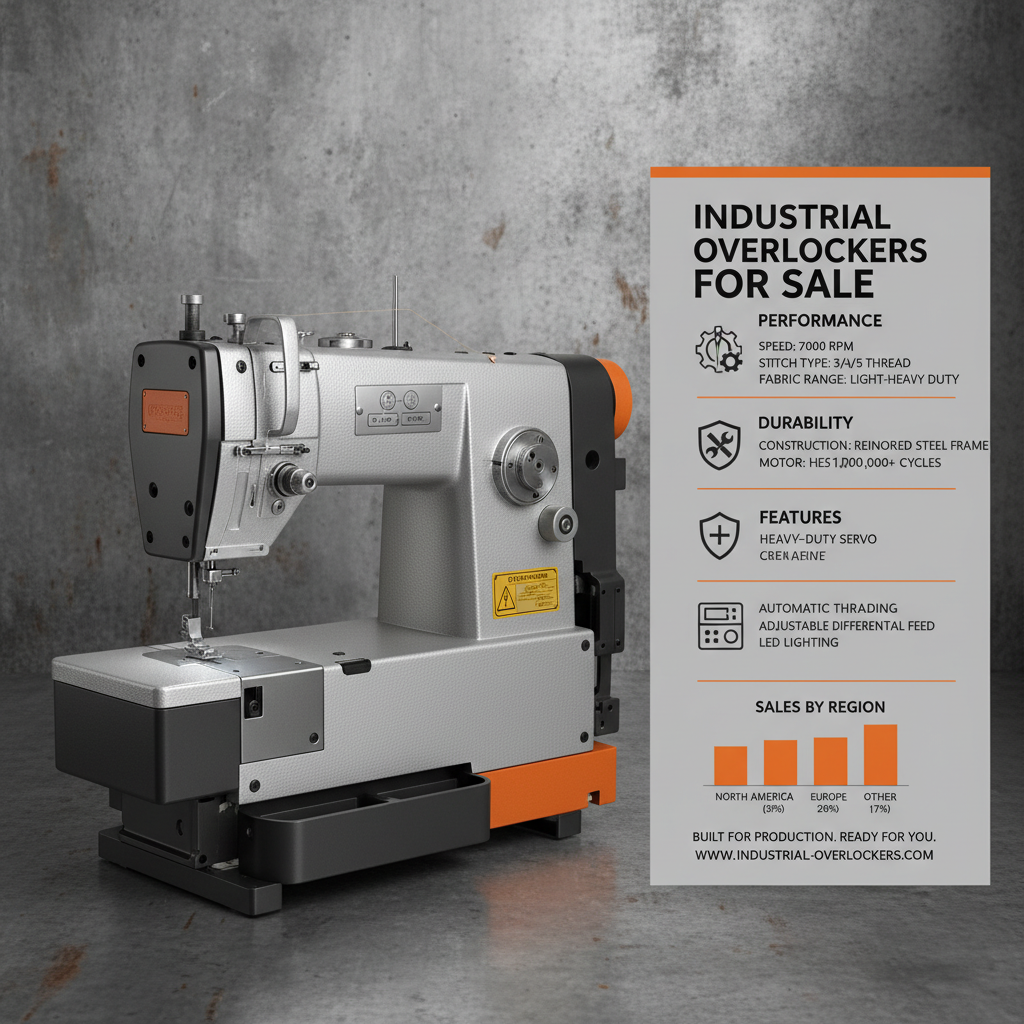
Maintaining Your Overlocker for Longevity
Once you've purchased your overlocker, proper maintenance is crucial for ensuring its longevity. Regularly clean the machine to remove lint and dust, oil moving parts as recommended in the manual, and replace needles and blades when they become dull. Proper threading is also essential for optimal performance. Following these simple maintenance steps will keep your overlocker running smoothly for years to come. Longsew offers resources and support to help you maintain your machine.
Conclusion: Find Your Perfect Overlocker Today
Investing in a quality overlocker is a game-changer for any sewing enthusiast. By carefully considering your needs, budget, and the features discussed in this guide, you can find the perfect machine to elevate your sewing projects. Explore the wide selection of overlockers for sale at Longsew and take the next step towards professional-quality results.
Frequently Asked Questions (FAQs)
What is the difference between an overlocker and a sewing machine?
While both machines use thread to join fabric, they serve different purposes. A sewing machine is designed for general sewing tasks like constructing garments and creating seams. An overlocker, on the other hand, specializes in finishing raw edges, preventing fraying, and creating professional-looking seams. Overlockers use multiple threads to encase the fabric edge, providing a durable and clean finish. They also often include a cutting blade to trim excess fabric as it sews.
How often should I change the blades on my overlocker?
The frequency of blade changes depends on how often you use your overlocker and the types of fabrics you’re sewing. However, as a general guideline, it’s recommended to replace the blades after approximately 8-10 hours of use, or sooner if you notice skipped stitches or frayed edges. Dull blades can damage fabric and compromise the quality of your seams.
Is it difficult to thread an overlocker?
Threading an overlocker can initially seem daunting, but with practice, it becomes easier. Many modern overlockers, like those available at Longsew, feature color-coded threading guides and automatic threaders to simplify the process. Following the manual carefully and watching online tutorials can also be helpful.
Can I use different types of thread in my overlocker?
Yes, you can use different types of thread in your overlocker, but it’s important to choose threads that are compatible with your fabric and the intended use of the garment. Polyester thread is a versatile option for most fabrics, while cotton thread is ideal for natural fibers. Using the same type and weight of thread in all loopers is generally recommended for consistent results.
Latest news
-
Industrial Bag Sewing Machine Price and Comprehensive Buying GuideNewsApr.16,2026
-
Industrial Hand Held Bag Closer for Efficient Packaging SealingNewsApr.16,2026
-
Industrial Hand Held Bag Closer Sewing Machine for PackagingNewsApr.16,2026
-
Efficient Industrial Bag Closer Sewing Machine for PackagingNewsApr.16,2026
-
Industrial Sewing Guide for Choosing the Right Closer MachineNewsApr.16,2026
-
Guide to Capital Bag Closer Machine Price and Buying FactorsNewsApr.16,2026
-
Say goodbye to inefficient cutting! This heavy-duty webbing hot cutting machine redefines the new standard for industrial cuttingNewsApr.14,2026

Hebei LongSew Machinery Technology Co. Ltd is beginning as sewing machine parts supplier, now Longsew have over twenty years experience in complete set sewing machine offering.


CLASSIFICATION
CONTACT US
-

No.368 North Youyi Street, Shijiazhuang City, Hebei Province, China
-

-

Copyright © 2026 HEBEI LONGSEW MACHINERY TECHNOLOGY CO. LTD All Rights Reserved. Sitemap | Privacy Policy | Top Blog | Global Service