

Apr . 04, 2026 02:05
Back to list
Comprehensive Guide to Bag Closer Machine Price Types and Key Features
Bag Closer Machine Price: A Comprehensive Guide
Finding the right bag closer machine for your business can significantly improve efficiency and reduce labor costs. Understanding the bag closer machine price range, features, and types is crucial for making an informed decision. This article will provide a detailed overview, helping you navigate the market and select the best machine for your specific needs. From single-needle to double-needle machines, we'll cover everything you need to know about bag closing solutions.
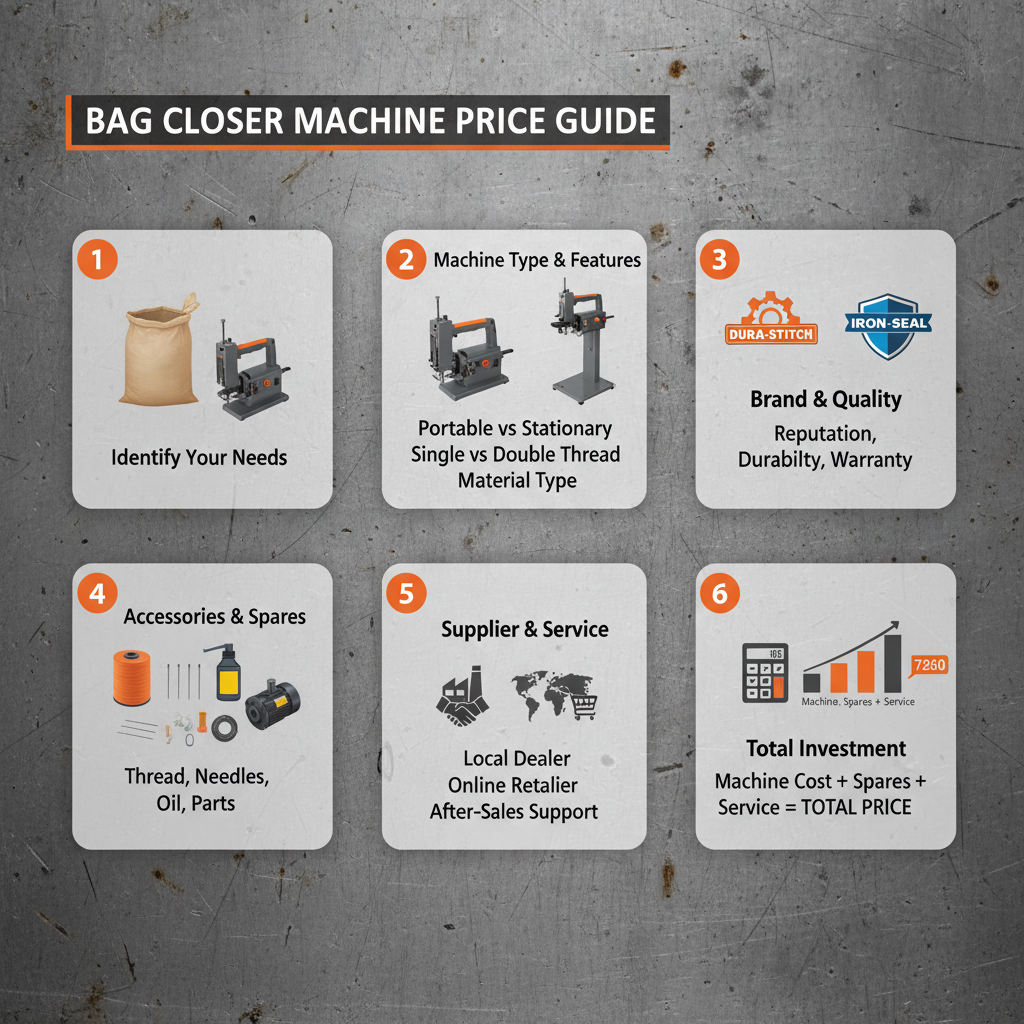
Understanding the Factors Influencing Bag Closer Machine Price
Several factors contribute to the cost of a bag closer machine. These include the machine's type (single or double needle), level of automation, capacity, and brand reputation. More automated machines with higher capacities naturally command higher prices. The quality of components and the inclusion of advanced features, such as automatic thread trimming and tension control, also affect the price. Finally, the supplier's location and any associated shipping costs will influence the final cost.
Key Considerations: Machine type, automation level, capacity, brand, and shipping costs all play a role in determining the price of a bag closer machine.
Types of Bag Closer Machines and Their Price Ranges
Bag closer machines primarily fall into two categories: single-needle and double-needle. Single-needle machines are generally more affordable, suitable for lighter-duty applications and lower production volumes. Double-needle machines offer greater strength and security, making them ideal for heavy-duty applications and higher production requirements. The price difference can be significant, reflecting the increased complexity and capabilities of double-needle machines. Understanding these differences is key to making the right investment.
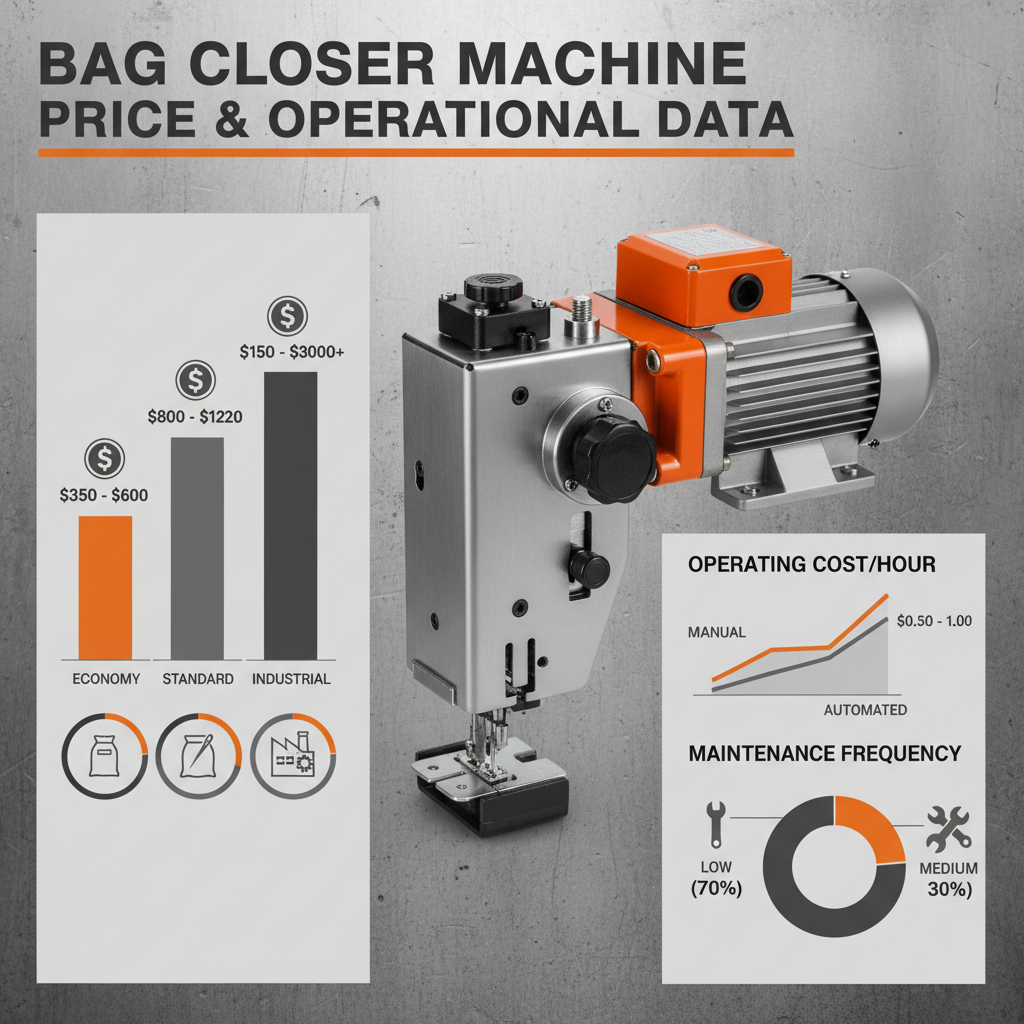
Bag Closer Machine Types & Price Estimates:
• Single-Needle: $800 - $2,500
• Double-Needle: $1,500 - $4,000+
• Automatic: $3,000 - $8,000+
Bag Closer Machine Price Comparison: Key Features & Specifications
When comparing bag closer machine prices, it’s essential to look beyond the headline number. Focus on the features and specifications that align with your business needs. Consider factors like stitching speed, bag size capacity, thread tension adjustment, and the type of bags the machine can handle. Longsew offers a range of machines with varying features and price points to suit diverse applications. A thorough comparison will help you identify the best value for your investment.
Factors to Consider Beyond the Initial Bag Closer Machine Price
Don't solely focus on the upfront cost. Consider long-term expenses such as maintenance, spare parts, and potential repair costs. A machine with a lower initial price may end up costing more in the long run if it requires frequent repairs or has a short lifespan. Also, assess the availability of technical support and the supplier's reputation for providing reliable service. Investing in a machine from a reputable manufacturer like Longsew can provide peace of mind and ensure long-term operational efficiency.
Choosing the Right Supplier for Your Bag Closer Machine
Selecting a reliable supplier is just as important as choosing the right machine. Look for a supplier with a proven track record, positive customer reviews, and a commitment to providing excellent after-sales support. Longsew is a trusted manufacturer and supplier of bag closer machines, offering a wide range of models, competitive pricing, and comprehensive support services. A good supplier will also be able to provide guidance on machine selection, installation, and maintenance.
Conclusion: Investing in the Right Bag Closing Solution
Choosing the right bag closer machine requires careful consideration of your specific needs, budget, and long-term goals. By understanding the factors that influence bag closer machine price and selecting a reliable supplier like Longsew, you can make an informed decision that will improve your production efficiency and reduce costs. Don't hesitate to contact a specialist to discuss your requirements and find the perfect solution for your business.
Frequently Asked Questions (FAQs)
What maintenance is required for a bag closer machine?
Regular maintenance is crucial for ensuring the longevity and performance of your bag closer machine. This includes daily lubrication of moving parts, regular cleaning to remove dust and debris, and periodic inspection of the needle, thread, and other components. It's also essential to replace worn parts promptly. Refer to the manufacturer's manual for specific maintenance instructions and schedules. Neglecting maintenance can lead to breakdowns, reduced efficiency, and potentially costly repairs.
What types of bags can a bag closer machine handle?
Most bag closer machines can handle a wide range of bag materials, including woven polypropylene (PP), polyethylene (PE), and paper. However, the specific materials and bag weights that a machine can handle will depend on its design and capacity. It's important to check the machine's specifications to ensure it's compatible with the types of bags you'll be using. Some machines are designed for specific bag types, while others are more versatile.
How long does it take to learn to operate a bag closer machine?
The learning curve for operating a bag closer machine is relatively short. With proper training and guidance, most operators can become proficient within a few hours. The basic operation involves feeding the bag into the machine, starting the stitching process, and removing the sealed bag. More advanced features, such as thread tension adjustment and troubleshooting, may require additional training. Longsew provides comprehensive training and support to ensure our customers can operate our machines safely and efficiently.
What is the difference between semi-automatic and automatic bag closer machines?
Semi-automatic bag closer machines require an operator to manually feed the bag into the machine and initiate the stitching process. Automatic machines, on the other hand, can automatically feed and seal bags with minimal operator intervention. Automatic machines are ideal for high-volume production runs, while semi-automatic machines are more suitable for smaller-scale operations or applications where greater control is needed. Automatic machines typically have a higher upfront cost but can save labor costs in the long run.
Latest news
-
Industrial Bag Sewing Machine Price and Comprehensive Buying GuideNewsApr.16,2026
-
Industrial Hand Held Bag Closer for Efficient Packaging SealingNewsApr.16,2026
-
Industrial Hand Held Bag Closer Sewing Machine for PackagingNewsApr.16,2026
-
Efficient Industrial Bag Closer Sewing Machine for PackagingNewsApr.16,2026
-
Industrial Sewing Guide for Choosing the Right Closer MachineNewsApr.16,2026
-
Guide to Capital Bag Closer Machine Price and Buying FactorsNewsApr.16,2026
-
Say goodbye to inefficient cutting! This heavy-duty webbing hot cutting machine redefines the new standard for industrial cuttingNewsApr.14,2026

Hebei LongSew Machinery Technology Co. Ltd is beginning as sewing machine parts supplier, now Longsew have over twenty years experience in complete set sewing machine offering.


CLASSIFICATION
CONTACT US
-

No.368 North Youyi Street, Shijiazhuang City, Hebei Province, China
-

-

Copyright © 2026 HEBEI LONGSEW MACHINERY TECHNOLOGY CO. LTD All Rights Reserved. Sitemap | Privacy Policy | Top Blog | Global Service