

Mar . 17, 2026 02:05
Back to list
What Is a Cover Stitch on a Serger A Comprehensive Guide
What is a Cover Stitch on a Serger?
Understanding the intricacies of a serger can unlock a world of professional-looking finishes for your sewing projects. Among its many capabilities, the cover stitch stands out as a particularly versatile and attractive option. This article will delve into the specifics of what a cover stitch on a serger is, its uses, how it differs from other serger stitches, and how Longsew offers solutions for achieving perfect cover stitches. Whether you’re a beginner or a seasoned seamstress, mastering the cover stitch will elevate your creations.
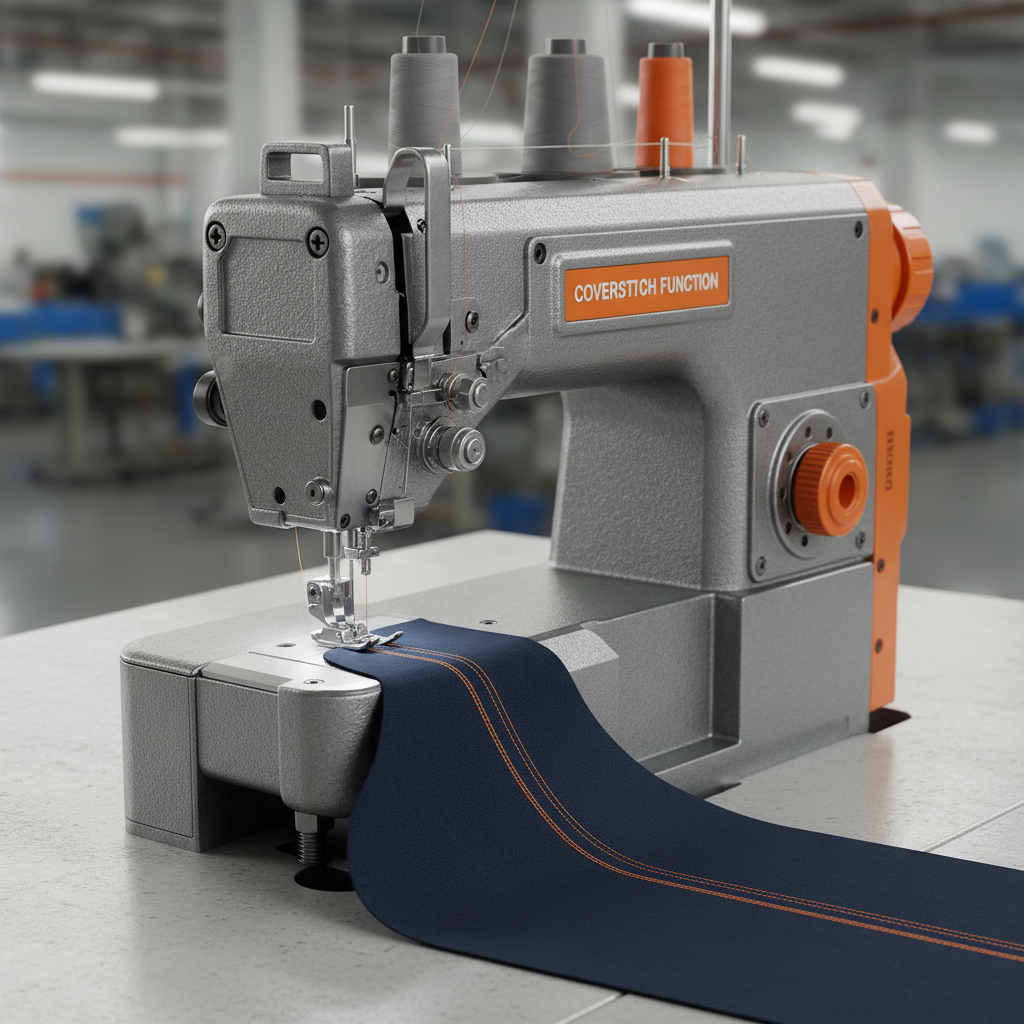
Defining the Cover Stitch
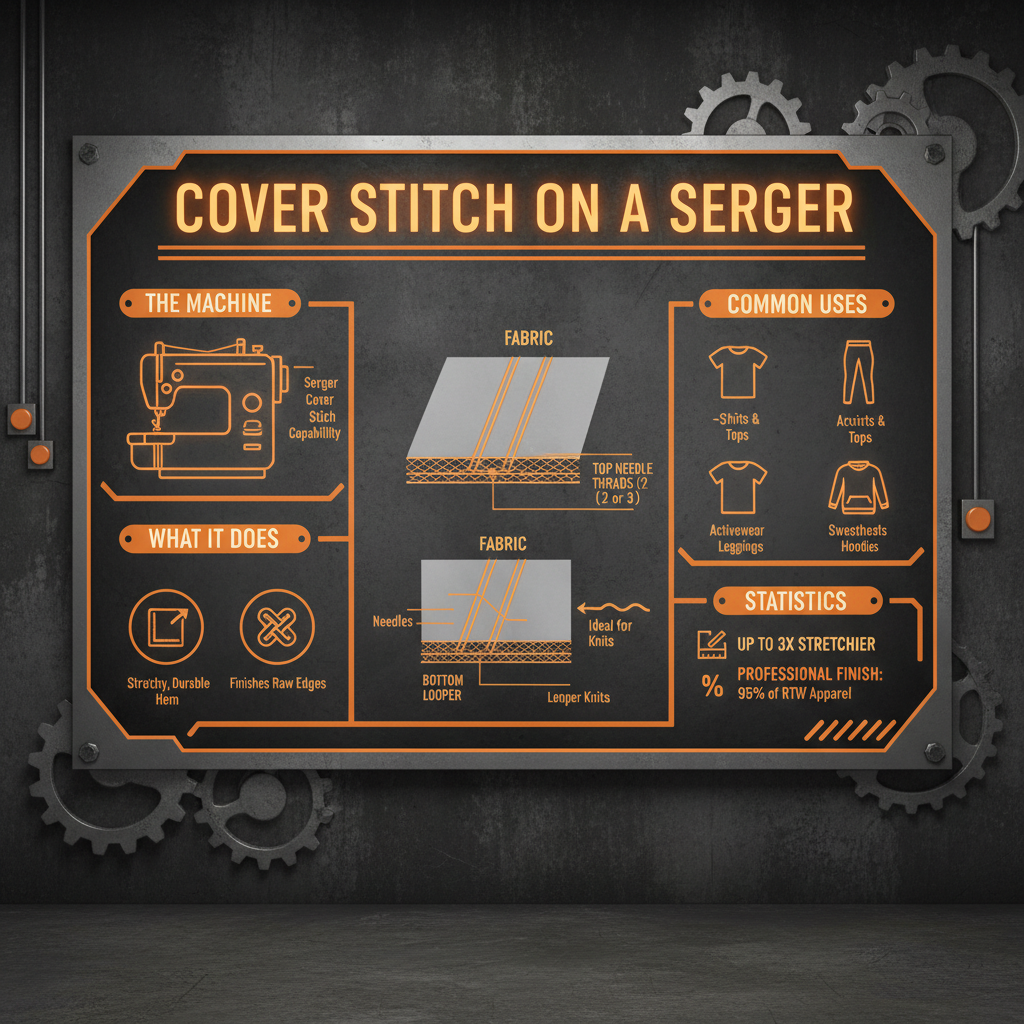
A cover stitch, created on a serger (often needing a specialized cover stitch plate and looper configuration), is a stitch that forms parallel rows on the right side of the fabric with looping threads on the wrong side. It’s characterized by its professional, clean finish. It’s commonly used for hems, necklines, and sleeve cuffs on knit fabrics, offering significant stretch and preventing fraying. Unlike a simple overlock stitch, the cover stitch doesn't encase the fabric's raw edge; it neatly finishes it.
Key Highlights: The cover stitch creates parallel rows on the right side of the fabric with looping threads on the wrong side. It is best for finishing edges on knit fabrics.
Cover Stitch vs. Other Serger Stitches
While a serger is capable of many stitches, the cover stitch differs significantly from the standard overlock or safety stitch. An overlock stitch encases the raw edge of the fabric, simultaneously trimming, overcasting, and sewing a seam. A safety stitch combines an overlock with a separate chain stitch for extra security. The cover stitch, in contrast, focuses solely on finishing the edge, creating a neat and professional look without the bulk of an overlocked seam. It’s especially favored for garments where a clean finish and stretch are paramount.
Serger Stitch Comparison:
• Overlock: Encases raw edge, trims, and sews.
• Safety Stitch: Overlock + chain stitch for extra security.
• Cover Stitch: Finishes edge with parallel rows and loops.
What is a Cover Stitch on a Serger Used For?
The cover stitch’s versatility makes it ideal for a variety of sewing applications. Common uses include: hemming t-shirts and other knit garments, finishing necklines and armholes, creating decorative stitching details, and applying binding to edges. Its inherent stretch accommodates the natural movement of knit fabrics, preventing popped seams and maintaining a comfortable fit. It also offers a polished look for sportswear, lingerie, and other apparel requiring a high-quality finish.
Achieving the Perfect Cover Stitch: Tools and Techniques
Creating a flawless cover stitch requires the right tools and understanding of your serger’s settings. Ensure you’re using the correct cover stitch plate, and adjust the loopers according to your machine’s manual. Thread quality is also crucial; use good quality thread specifically designed for cover stitching. Experiment with stitch length and tension to achieve the desired look and prevent skipped stitches or puckering. Longsew provides a range of serger accessories and expert guidance to help you master this technique.
Troubleshooting Common Cover Stitch Issues
Even with practice, you might encounter issues like skipped stitches or puckered fabric. Skipped stitches often indicate incorrect threading or tension settings. Puckering can be caused by too much tension or using the wrong needle for your fabric. Regularly cleaning and oiling your serger is also essential for optimal performance. Don't hesitate to consult your serger’s manual or reach out to Longsew's customer support for assistance.
Conclusion: Elevate Your Sewing with the Cover Stitch
Mastering the cover stitch on your serger will significantly enhance the quality and professional appearance of your sewing projects. From hemming knit fabrics to creating decorative details, this versatile stitch offers endless possibilities. With the right tools, techniques, and support from companies like Longsew, you can unlock the full potential of your serger and create stunning garments and accessories.
Frequently Asked Questions (FAQs)
What type of fabric is best for a cover stitch?
Knit fabrics, such as jersey, rib knit, and fleece, are ideal for cover stitching due to their stretch and tendency to unravel. The cover stitch's inherent stretch prevents popped seams and provides a comfortable fit. While you can use woven fabrics, the cover stitch is primarily valued for its performance with knits. The parallel rows of stitching provide a professional and flexible finish that complements the fabric's natural drape.
Can I create a cover stitch on a standard sewing machine?
No, a true cover stitch requires a specialized looper system that is found on sergers or dedicated cover stitch machines. While some sewing machines offer a "mock" cover stitch, it's not the same as a genuine cover stitch and doesn't provide the same level of stretch or professional finish. A dedicated cover stitch machine or a serger with cover stitch capabilities is necessary for achieving optimal results.
What are the common issues with cover stitching and how can I fix them?
Common issues include skipped stitches (often due to incorrect threading or tension), puckered fabric (caused by too much tension or incorrect needle selection), and broken thread. Ensure your machine is properly threaded, adjust the tension, and use the appropriate needle for your fabric type. Regular cleaning and oiling of your serger are also essential for preventing issues. Resources from Longsew can provide further troubleshooting tips.
How does thread tension affect the cover stitch quality?
Thread tension is critical for a balanced and professional-looking cover stitch. Incorrect tension can lead to skipped stitches, puckering, or loose loops. The upper looper tension controls the formation of the stitches on the right side of the fabric, while the lower looper tension affects the loops on the wrong side. Adjusting these tensions carefully, according to your fabric type and thread weight, is crucial for achieving a clean and even stitch.
Previous:
Latest news
-
Industrial Bag Sewing Machine Price and Comprehensive Buying GuideNewsApr.16,2026
-
Industrial Hand Held Bag Closer for Efficient Packaging SealingNewsApr.16,2026
-
Industrial Hand Held Bag Closer Sewing Machine for PackagingNewsApr.16,2026
-
Efficient Industrial Bag Closer Sewing Machine for PackagingNewsApr.16,2026
-
Industrial Sewing Guide for Choosing the Right Closer MachineNewsApr.16,2026
-
Guide to Capital Bag Closer Machine Price and Buying FactorsNewsApr.16,2026
-
Say goodbye to inefficient cutting! This heavy-duty webbing hot cutting machine redefines the new standard for industrial cuttingNewsApr.14,2026

Hebei LongSew Machinery Technology Co. Ltd is beginning as sewing machine parts supplier, now Longsew have over twenty years experience in complete set sewing machine offering.


CLASSIFICATION
CONTACT US
-

No.368 North Youyi Street, Shijiazhuang City, Hebei Province, China
-

-

Copyright © 2026 HEBEI LONGSEW MACHINERY TECHNOLOGY CO. LTD All Rights Reserved. Sitemap | Privacy Policy | Top Blog | Global Service