

Mar . 09, 2026 01:55
Back to list
Understanding Sergers in Sewing What is a Serger and Its Benefits
In Sewing, What is a Serger?
If you're delving into the world of sewing, you’ve likely heard the term "serger" – sometimes called an overlock machine. But what is a serger, and how does it differ from a traditional sewing machine? This article will explore everything you need to know about sergers, including their functions, benefits, and whether one is right for your sewing projects. We’ll cover the technical aspects in a simple, understandable way, so you can make informed decisions about your sewing toolkit. Whether you're a beginner or a seasoned sewist, understanding the capabilities of a serger will elevate your creations.
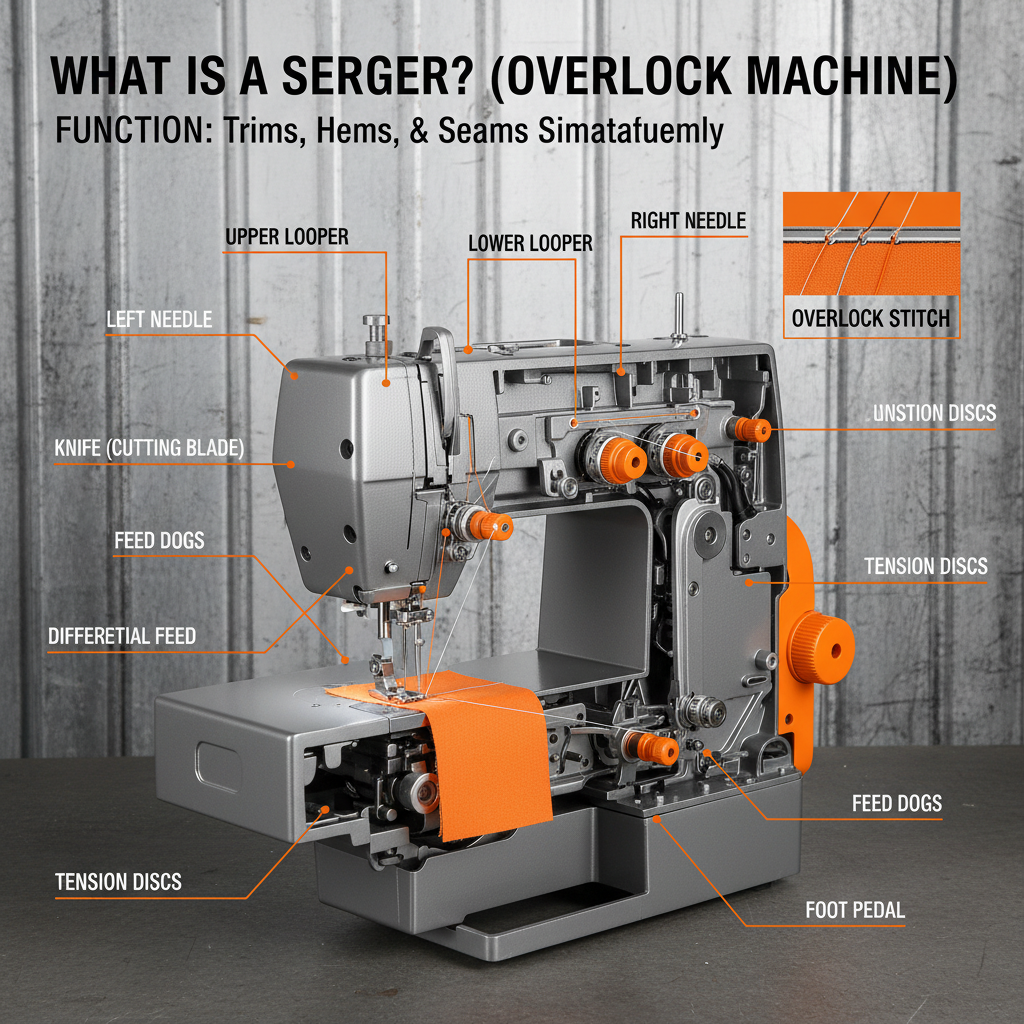
What Does a Serger Do?
Unlike a standard sewing machine, which uses one or two threads to join fabric pieces, a serger utilizes multiple threads (typically 3-5) to create a professional-looking, overlocked edge. This edge encases the fabric, preventing fraying and offering a clean, durable finish. Sergers are particularly effective on knit fabrics, which are prone to unraveling, but they can also be used on woven fabrics. They simultaneously trim, sew, and finish the edge of the fabric, making them incredibly efficient. The result is a seam that stretches with the fabric, ideal for garments like t-shirts, leggings, and activewear. Longsew offers a comprehensive range of sergers to meet all your sewing needs.
Key Functions: Trims, sews, and overlocks fabric edges simultaneously. Creates a durable, professional finish. Prevents fraying, especially on knit fabrics.
Serger vs. Sewing Machine: Key Differences
While both sergers and sewing machines are essential tools for any sewist, they serve distinct purposes. A sewing machine excels at tasks like constructing garments, topstitching, and creating buttonholes. A serger, on the other hand, specializes in finishing edges and creating stretchable seams. Think of a sewing machine as the builder and a serger as the finisher. You can absolutely sew projects without a serger, but a serger adds a level of polish and durability that’s hard to achieve with a traditional machine alone. The speed and efficiency of a serger are also significant advantages, especially for those working on large projects or production runs.
Key Differences:
• Sewing Machine: Construction, topstitching, buttonholes.
• Serger: Edge finishing, stretchable seams, preventing fraying.
• Speed: Sergers generally sew much faster than sewing machines for edge finishing.
Types of Sergers and Their Uses
There are several types of sergers available, each with its own strengths and applications. The most common type is the 3/4 thread serger, which is versatile enough for most home sewing projects. A 5-thread serger offers even more security and a wider range of stitch options, often used for heavier fabrics or professional applications. Coverstitch sergers specialize in creating professional-looking hems and decorative stitches, commonly found on ready-to-wear clothing. Choosing the right serger depends on the types of projects you plan to tackle.
Is a Serger Right for You?
Whether or not a serger is a worthwhile investment depends on your sewing habits. If you frequently work with knit fabrics, create garments, or value a professional finish, a serger is an excellent addition to your sewing room. However, if you primarily sew occasional home decor projects or simple straight seams, a serger may not be essential. Consider the types of projects you enjoy and how much time you spend sewing before making a decision. Longsew provides resources to help you determine which serger best fits your needs.
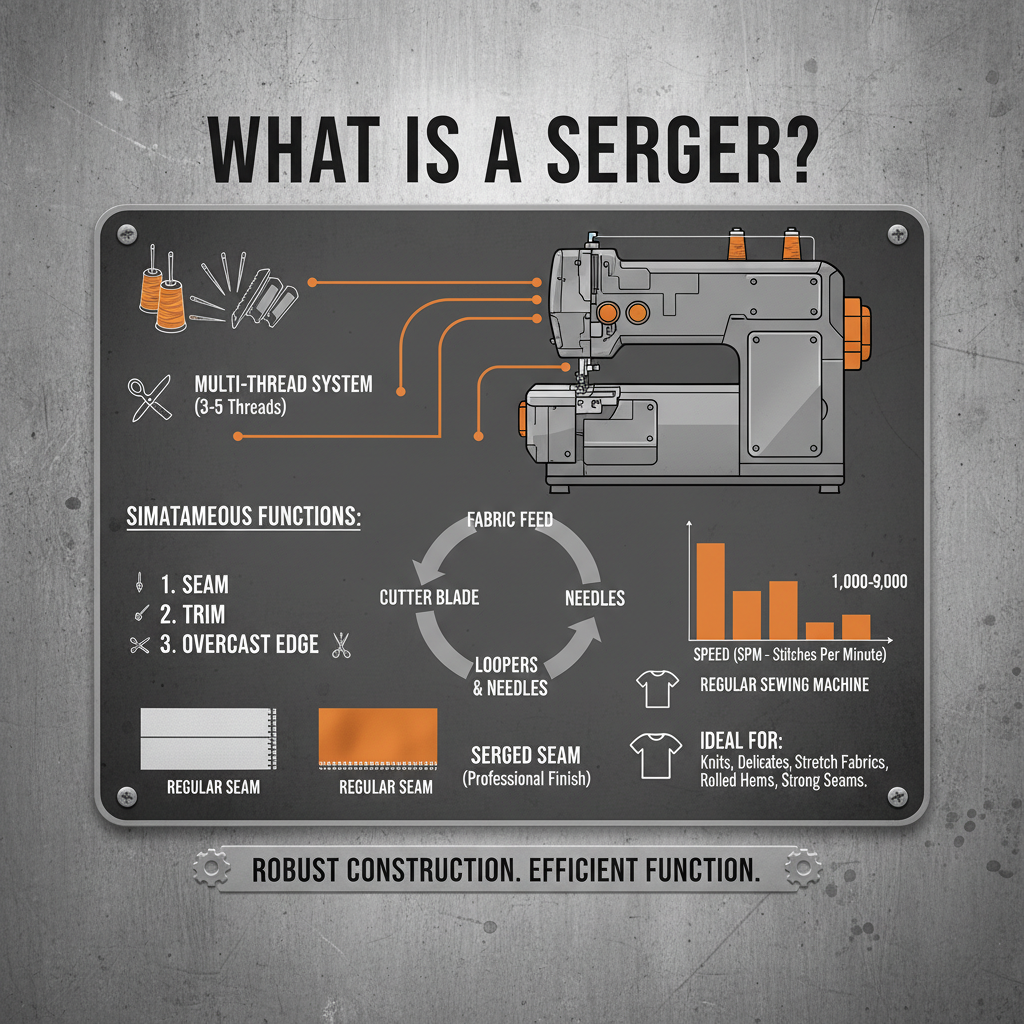
Learning to Use a Serger: Tips for Beginners
While sergers might seem intimidating at first, they're surprisingly user-friendly once you get the hang of them. Start with the basics: threading the machine correctly (this is often the trickiest part!), adjusting the stitch length and width, and practicing on scrap fabric. Many online tutorials and resources are available to guide you. Don’t be afraid to experiment and explore the different stitch options your serger offers. With a little practice, you’ll be creating professional-looking seams in no time.
Conclusion: Elevate Your Sewing with a Serger
The serger is a powerful tool that can significantly enhance the quality and efficiency of your sewing projects. Whether you’re a beginner or an experienced sewist, understanding its capabilities will unlock new creative possibilities. Invest in a serger, and you’ll be well on your way to creating professional-looking garments and projects that you’ll be proud to showcase.
Frequently Asked Questions (FAQs)
What kind of thread should I use in my serger?
Sergers require special serger thread, which is thinner and softer than standard sewing machine thread. This allows for better stitch formation and prevents the thread from breaking easily. Using the correct thread is crucial for achieving a smooth, consistent serged edge. Polyester serger thread is a popular choice due to its strength and durability, but cotton and nylon options are also available depending on the fabric you're working with. Longsew offers a variety of high-quality serger threads to suit your needs.
How often should I oil my serger?
Regular oiling is essential for maintaining the smooth operation of your serger. The frequency of oiling depends on usage, but generally, you should oil your serger before each sewing session, or at least every few hours of use. Use a specialized serger oil, and apply it to the moving parts of the machine, following the manufacturer’s instructions. Proper lubrication prevents friction, reduces wear and tear, and ensures optimal performance.
Can I use a serger on woven fabrics?
Yes, absolutely! While sergers are particularly known for their performance on knit fabrics, they can also be used effectively on woven fabrics. Using a serger on woven fabrics creates a clean, durable edge and prevents fraying. However, you may need to adjust the stitch length and width to achieve the desired result. Experiment with different settings to find what works best for your specific fabric.
What is differential feed and why is it important?
Differential feed is a unique feature found on sergers that allows you to control the rate at which the front and rear feed dogs move. This is particularly useful for working with stretchy fabrics. If the fabric is stretching out during sewing, you can lower the differential feed to prevent this. Conversely, if the fabric is puckering, you can increase the differential feed to smooth it out. Mastering differential feed is key to achieving professional-looking results on knit fabrics.
Latest news
-
Industrial Bag Sewing Machine Price and Comprehensive Buying GuideNewsApr.16,2026
-
Industrial Hand Held Bag Closer for Efficient Packaging SealingNewsApr.16,2026
-
Industrial Hand Held Bag Closer Sewing Machine for PackagingNewsApr.16,2026
-
Efficient Industrial Bag Closer Sewing Machine for PackagingNewsApr.16,2026
-
Industrial Sewing Guide for Choosing the Right Closer MachineNewsApr.16,2026
-
Guide to Capital Bag Closer Machine Price and Buying FactorsNewsApr.16,2026
-
Say goodbye to inefficient cutting! This heavy-duty webbing hot cutting machine redefines the new standard for industrial cuttingNewsApr.14,2026

Hebei LongSew Machinery Technology Co. Ltd is beginning as sewing machine parts supplier, now Longsew have over twenty years experience in complete set sewing machine offering.


CLASSIFICATION
CONTACT US
-

No.368 North Youyi Street, Shijiazhuang City, Hebei Province, China
-

-

Copyright © 2026 HEBEI LONGSEW MACHINERY TECHNOLOGY CO. LTD All Rights Reserved. Sitemap | Privacy Policy | Top Blog | Global Service