

Jan . 30, 2026 14:35
Back to list
Comprehensive Guide to Shuttle Hook Cases for Industrial Sewing Machines
Understanding Shuttle Hook Cases: A Comprehensive Guide
In the realm of industrial sewing machines, the shuttle hook is a critical component impacting stitch quality and overall machine performance. Protecting this vital part is paramount, and that's where a reliable shuttle hook case comes into play. This article delves into the world of shuttle hook cases, exploring their function, types, materials, and why choosing the right one is essential for your sewing operations. We will also highlight the quality options available at Longsew.
The Core Function of a Shuttle Hook Case
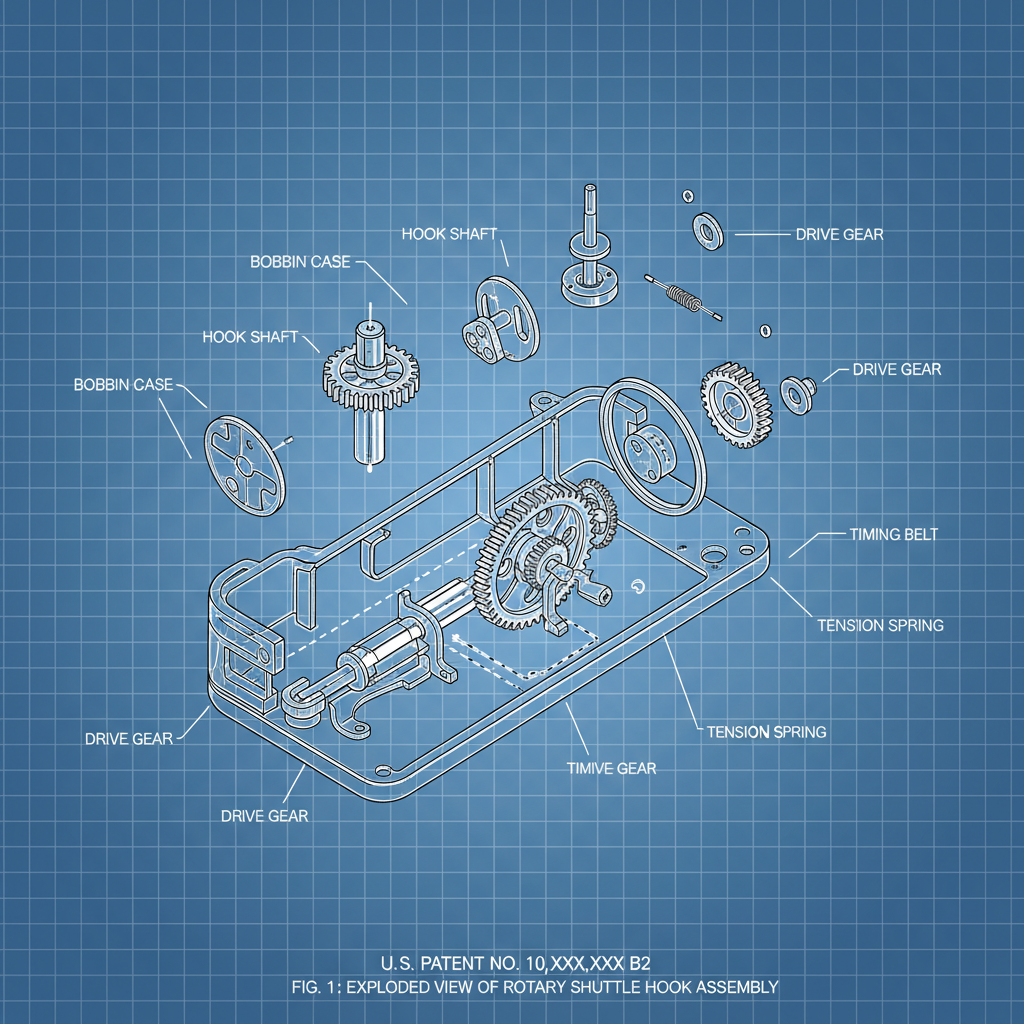
A shuttle hook case serves as a protective housing for the delicate shuttle hook mechanism within an industrial sewing machine. It safeguards the hook from dust, lint, and other debris that can accumulate during operation, ultimately preventing damage and maintaining precision. Furthermore, the case ensures the proper alignment and smooth rotation of the hook, contributing to consistent stitch formation. A well-maintained shuttle hook case is, therefore, essential for extending the life of the shuttle hook and ensuring the longevity of your sewing machine. The case isn’t merely a cover; it’s a key element in the sewing process.
Key Benefits: Protects the shuttle hook from debris, ensures proper alignment, and contributes to consistent stitch formation.
Types of Shuttle Hook Cases: Identifying Your Needs
Shuttle hook cases aren’t one-size-fits-all. They vary based on the type of sewing machine and the specific shuttle hook system. Common types include standard cases for straight-stitch machines, cases designed for lockstitch mechanisms, and specialized cases for more complex sewing operations like overlock or chainstitch. Identifying your machine's specific model and shuttle hook type is the first step in selecting the correct case. Longsew offers a comprehensive range of cases to suit various machine models.
Types of Cases:
• Standard Cases
• Lockstitch Cases
• Overlock/Chainstitch Cases
• Specialized Cases (for specific machine models)
Shuttle Hook Case Materials: A Comparative Overview
The material of a shuttle hook case significantly impacts its durability and performance. Common materials include steel, aluminum, and high-strength plastics. Steel cases offer excellent durability and resistance to wear and tear, making them suitable for heavy-duty industrial applications. Aluminum cases are lightweight and provide good heat dissipation. Plastic cases are more cost-effective but may not be as durable as metal options. Selecting the right material depends on your sewing machine's workload and the environment in which it operates.
Choosing the Right Shuttle Hook Case for Optimal Performance
Selecting the correct shuttle hook case is crucial for maintaining your sewing machine’s performance and preventing costly repairs. Always refer to your machine’s manual to identify the correct part number and specifications. Prioritize quality materials and ensure a precise fit. Regularly inspect your case for wear and tear, and replace it promptly if damage is detected. Longsew provides detailed product information and expert guidance to help you make the right choice.
Longsew: Your Trusted Source for Shuttle Hook Cases
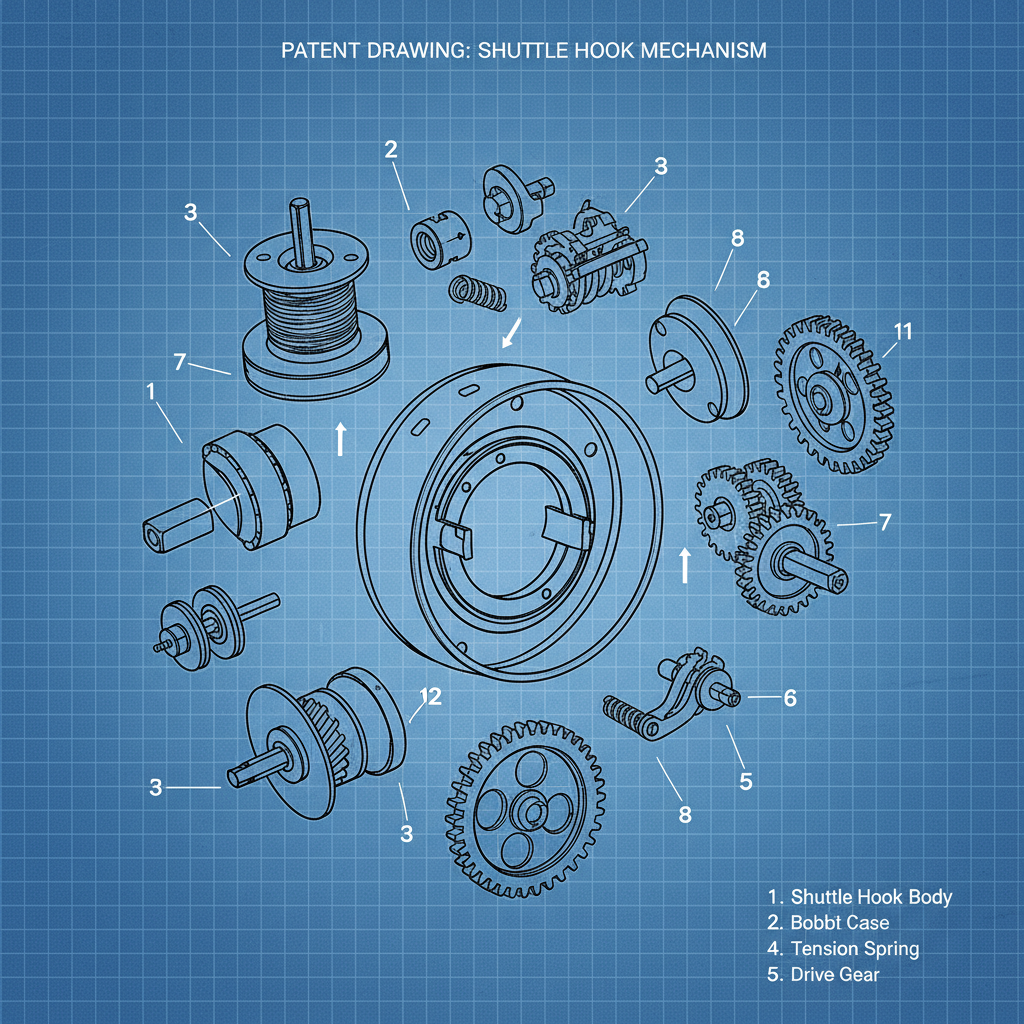
At Longsew, we understand the importance of reliable sewing machine components. We offer a wide selection of high-quality shuttle hook cases designed to meet the demands of various industrial sewing applications. Our cases are manufactured to exacting standards and are guaranteed to deliver exceptional performance and durability. Browse our extensive inventory today and experience the Longsew difference.
Conclusion: Protecting Your Investment with Quality Cases
Investing in a quality shuttle hook case is a proactive step towards maintaining the longevity and efficiency of your industrial sewing machine. By choosing the right case and practicing regular maintenance, you can prevent costly repairs and ensure consistent, high-quality stitching. Explore the range of options at Longsew and safeguard your sewing operations.
Frequently Asked Questions (FAQs)
How often should I replace my shuttle hook case?
The replacement frequency depends on usage and the sewing environment. As a general guideline, inspect the case every 6-12 months for signs of wear, such as cracks, dents, or excessive buildup of lint. If you operate your machine frequently or in a dusty environment, more frequent inspections are recommended. Even without visible damage, it's a good practice to replace the case every 1-2 years to ensure optimal performance. Ignoring this can lead to reduced stitch quality and potential damage to the shuttle hook itself.
What causes damage to a shuttle hook case?
Several factors can contribute to damage. Accumulation of lint and debris is a primary cause, as it can interfere with the smooth operation of the hook. Impact from broken needles or other foreign objects can also cause cracks or dents. Furthermore, improper lubrication or exposure to harsh chemicals can degrade the material of the case over time. Regular cleaning and maintenance, along with the use of appropriate lubricants, can help prevent damage.
Can I use a universal shuttle hook case on any machine?
No, it's generally not recommended to use a universal shuttle hook case. Sewing machines vary significantly in their design, and a universal case may not fit properly or provide adequate protection. Using the wrong case can lead to poor stitch quality, increased wear on the shuttle hook, and even damage to the machine. Always use a case specifically designed for your machine model, as indicated in the manufacturer's manual. Longsew's website features a comprehensive part finder to help you identify the correct case for your machine.
How do I properly clean a shuttle hook case?
Regular cleaning is essential. First, disconnect the power to the machine. Remove the shuttle hook case and use a soft brush or compressed air to remove loose lint and debris. For stubborn buildup, you can use a mild solvent specifically designed for sewing machine maintenance, following the manufacturer's instructions. Avoid using harsh chemicals or abrasive cleaners, as these can damage the case. Ensure the case is thoroughly dry before reinstalling it.
Latest news
-
Industrial Bag Sewing Machine Price and Comprehensive Buying GuideNewsApr.16,2026
-
Industrial Hand Held Bag Closer for Efficient Packaging SealingNewsApr.16,2026
-
Industrial Hand Held Bag Closer Sewing Machine for PackagingNewsApr.16,2026
-
Efficient Industrial Bag Closer Sewing Machine for PackagingNewsApr.16,2026
-
Industrial Sewing Guide for Choosing the Right Closer MachineNewsApr.16,2026
-
Guide to Capital Bag Closer Machine Price and Buying FactorsNewsApr.16,2026
-
Say goodbye to inefficient cutting! This heavy-duty webbing hot cutting machine redefines the new standard for industrial cuttingNewsApr.14,2026

Hebei LongSew Machinery Technology Co. Ltd is beginning as sewing machine parts supplier, now Longsew have over twenty years experience in complete set sewing machine offering.


CLASSIFICATION
CONTACT US
-

No.368 North Youyi Street, Shijiazhuang City, Hebei Province, China
-

-

Copyright © 2026 HEBEI LONGSEW MACHINERY TECHNOLOGY CO. LTD All Rights Reserved. Sitemap | Privacy Policy | Top Blog | Global Service