

Mar . 19, 2026 02:05
Back to list
What is a Serger in Sewing A Comprehensive Guide to Overlock Machines
What is a Serger in Sewing? A Comprehensive Guide
If you’re diving into the world of sewing, you've likely come across the term "serger." But what exactly is a serger in sewing, and how does it differ from a standard sewing machine? This guide will break down everything you need to know, from the core functions to the benefits and common uses. Understanding a serger can elevate your sewing projects, providing professional-quality finishes and efficiency. Let's explore the world of sergers and discover how they can enhance your crafting experience.
Understanding the Core Function of a Serger
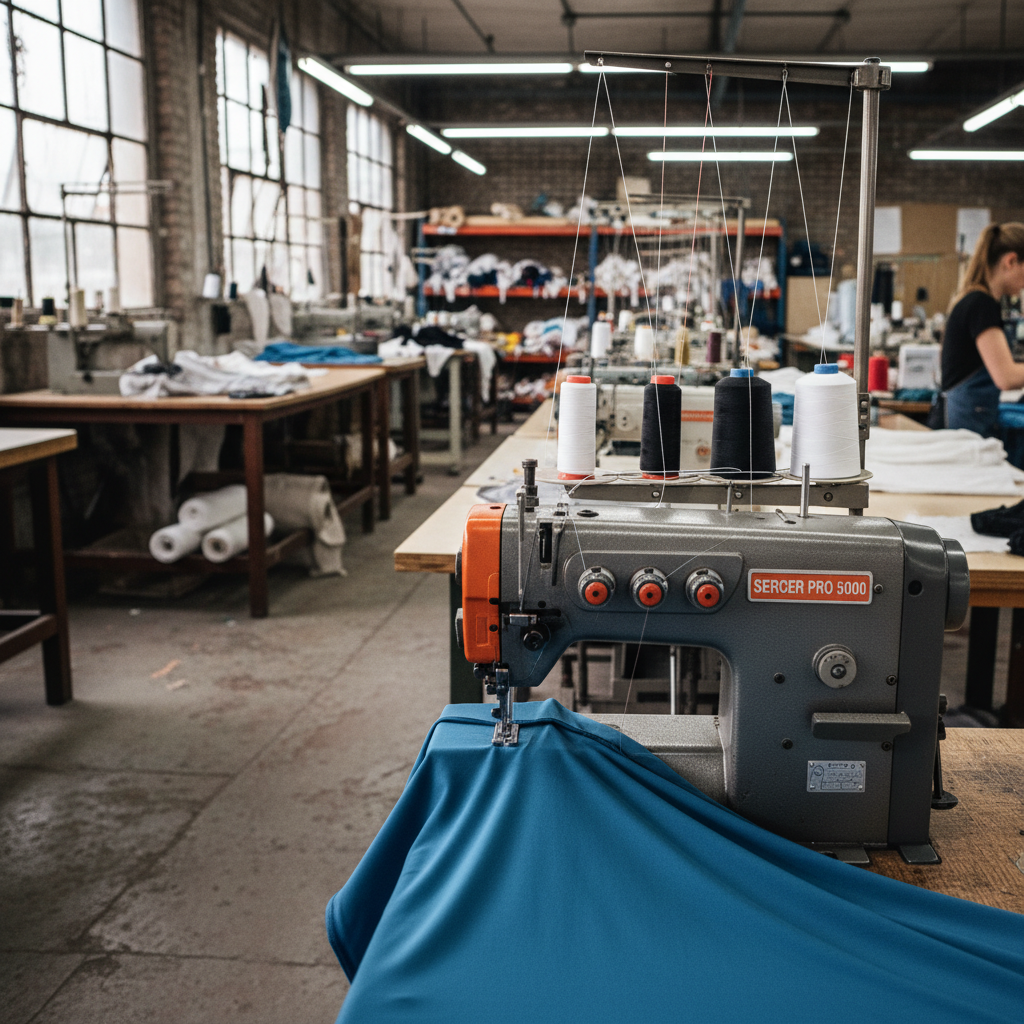
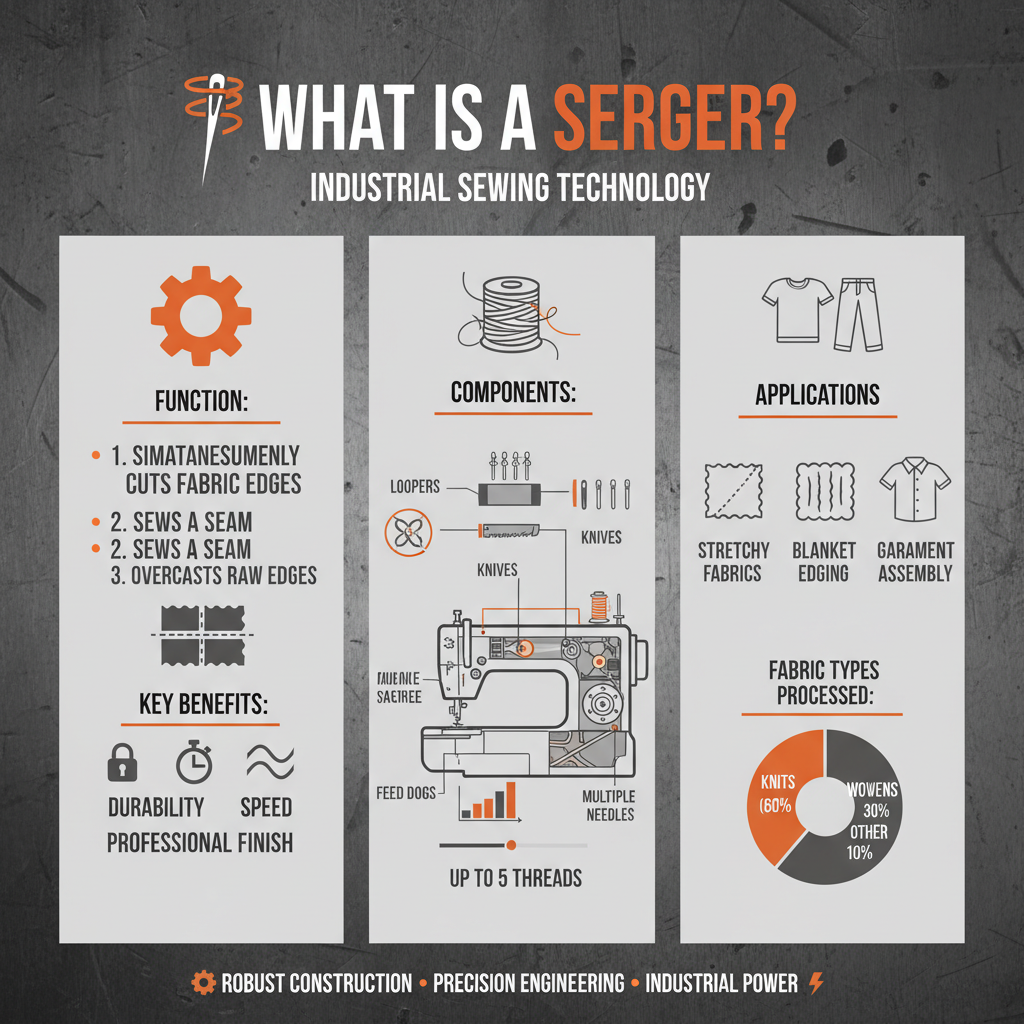
A serger, also known as an overlock machine, is a specialized sewing machine that simultaneously sews a seam, trims the excess fabric, and overcasts the edge to prevent fraying. Unlike a regular sewing machine which primarily focuses on stitching two or more pieces of fabric together, a serger excels at finishing raw edges for a clean, professional look. It uses loopers instead of a bobbin and needle (though some models do use needles) to create a secure, flexible seam. This makes sergers essential for projects where durability and a neat finish are crucial, particularly in garment construction.
Key Takeaway: A serger isn't a replacement for a sewing machine, but a valuable complement. It specializes in finishing edges and constructing seams quickly and efficiently.
Serger vs. Sewing Machine: Key Differences
While both sergers and sewing machines are used to join fabrics, their methods and results differ significantly. A standard sewing machine uses a needle and bobbin to create a stitch, while a serger utilizes loopers and multiple threads. The result is a stretchier, more durable seam that’s ideal for knit fabrics, which tend to unravel easily. Let's take a closer look at the core differences:
What Can You Do with a Serger?
A serger opens up a world of possibilities beyond basic seam finishing. Here are some common applications:
- Garment Construction: Creating durable and professional-looking seams in clothing.
- Edge Finishing: Preventing fabric from fraying on scarves, blankets, and other projects.
- Rolled Hems: Creating delicate and elegant rolled hems on lightweight fabrics.
- Differential Feed: Allowing you to control fabric gathering or stretching, perfect for creating ruffles or preventing puckering.
- Flatlocking: Creating a flat, secure seam ideal for activewear and baby clothes.
Choosing the Right Serger: Key Considerations
With various serger models available, selecting the right one depends on your needs and budget. Consider factors like the number of threads (4, 5, or 8), the stitch capabilities, and the ease of use. Entry-level sergers are a great starting point for beginners, while more advanced models offer greater versatility. Longsew offers a wide range of sergers to suit different skill levels and project requirements.
Serger Terminology: A Quick Guide
Understanding serger terminology can make learning easier. Here are a few key terms:
- Loopers: The parts that create the overlock stitch instead of a bobbin.
- Differential Feed: Controls the speed at which the feed dogs move, impacting fabric gathering or stretching.
- Stitch Length: Adjusts the length of the overlock stitch.
- Stitch Width: Adjusts the width of the overlock stitch.
- Tension: Controls the tightness of the threads.
Conclusion: Unleash Your Sewing Potential with a Serger
A serger is a powerful tool that can significantly enhance your sewing projects. From finishing edges to creating professional-looking seams, its versatility is unmatched. Investing in a serger, and learning to utilize its features, can take your crafting to the next level. Explore the range of sergers available at Longsew and discover the difference it can make.
Frequently Asked Questions (FAQs)
Is a serger difficult to learn?
While there's a learning curve, modern sergers are designed to be user-friendly. Initially, threading can seem daunting, but with practice and instructional videos (many are available online!), it becomes much easier. Start with simple projects and gradually progress to more complex ones. Many sergers also have color-coded threading guides to simplify the process. Don’t be afraid to experiment with different stitch settings and fabrics to get comfortable with the machine's capabilities. The initial investment of time in learning to use a serger will pay off in the long run with the quality and efficiency it brings to your sewing projects.
Can a serger replace a sewing machine?
No, a serger is not a replacement for a sewing machine. They have different functions. A sewing machine excels at joining fabric pieces, creating buttonholes, and doing various decorative stitches. A serger specializes in finishing edges and creating durable seams. They work best together. You'll still need a sewing machine for the core construction of your project, and then use a serger to refine the edges and create a professional finish.
What types of thread should I use with a serger?
You can use a variety of threads with a serger, depending on your project. Polyester thread is a popular choice for its durability and strength, especially for garments that will be washed frequently. Cotton thread is suitable for lighter-weight fabrics and projects. It’s best to use serger-specific thread, which is thinner than standard sewing machine thread, to ensure proper loop formation. Always refer to your serger's manual for recommended thread types and sizes.
How often should I oil my serger?
Regular oiling is crucial for maintaining your serger's performance. The frequency depends on usage, but generally, oiling after every 8 hours of use is recommended. Refer to your serger's manual for specific oiling instructions and designated oiling points. Proper lubrication ensures smooth operation, prevents wear and tear, and prolongs the life of your machine. Using the correct type of serger oil is also essential.
Latest news
-
Industrial Bag Sewing Machine Price and Comprehensive Buying GuideNewsApr.16,2026
-
Industrial Hand Held Bag Closer for Efficient Packaging SealingNewsApr.16,2026
-
Industrial Hand Held Bag Closer Sewing Machine for PackagingNewsApr.16,2026
-
Efficient Industrial Bag Closer Sewing Machine for PackagingNewsApr.16,2026
-
Industrial Sewing Guide for Choosing the Right Closer MachineNewsApr.16,2026
-
Guide to Capital Bag Closer Machine Price and Buying FactorsNewsApr.16,2026
-
Say goodbye to inefficient cutting! This heavy-duty webbing hot cutting machine redefines the new standard for industrial cuttingNewsApr.14,2026

Hebei LongSew Machinery Technology Co. Ltd is beginning as sewing machine parts supplier, now Longsew have over twenty years experience in complete set sewing machine offering.


CLASSIFICATION
CONTACT US
-

No.368 North Youyi Street, Shijiazhuang City, Hebei Province, China
-

-

Copyright © 2026 HEBEI LONGSEW MACHINERY TECHNOLOGY CO. LTD All Rights Reserved. Sitemap | Privacy Policy | Top Blog | Global Service