

Sep . 02, 2025 02:00
Back to list
Heavy Duty Sewing Machine Prices: Top Quality & Best Value Deals
Understanding the Investment in Heavy Duty Sewing Machines
In the specialized world of industrial manufacturing, precision, durability, and efficiency are paramount. For industries working with robust materials such as leather, automotive fabrics, marine canvas, and technical textiles, standard sewing machines simply do not suffice. This is where heavy duty sewing machine prices become a critical consideration for businesses aiming to optimize production and ensure product longevity. These machines are engineered to tackle challenging materials and complex stitching requirements, offering unparalleled performance and reliability.
This comprehensive guide delves into the intricate aspects surrounding heavy duty sewing machines, exploring their technical specifications, application versatility, manufacturing excellence, and ultimately, the factors influencing their market value. We aim to provide B2B decision-makers and technical professionals with the insights needed to make informed procurement decisions, ensuring their investment aligns with long-term operational goals and cost-effectiveness.
Industry Trends Shaping Heavy Duty Sewing Machine Markets
The industrial sewing machine market is continually evolving, driven by advancements in materials science and manufacturing automation. Key trends include:
- Automation Integration: The demand for auto heavy duty sewing machine systems is rising, incorporating features like automatic thread trimming, needle positioning, and programmable stitch patterns to boost productivity and reduce labor costs.
- Enhanced Material Handling: Innovations in feeding mechanisms, such as compound feed and unison feed (walking foot), enable seamless handling of multiple layers of thick, slippery, or challenging materials without shifting or puckering.
- Ergonomics and User Experience: Modern designs prioritize operator comfort and ease of use, with features like adjustable worktables, LED lighting, and intuitive control panels.
- Sustainability: Manufacturers are focusing on energy-efficient servo motors and designs that minimize material waste and operational noise, contributing to greener manufacturing practices.
- Global Sourcing: The market for heavy duty sewing machine China offerings continues to expand, providing competitive options for various budget points while maintaining increasingly high quality standards.
These trends directly influence heavy duty sewing machine prices, with advanced features commanding a higher investment but promising significant returns through improved efficiency and product quality.
Manufacturing Excellence: The Genesis of a Heavy Duty Sewing Machine
The manufacturing process of a premium heavy duty sewing machine is a testament to precision engineering and rigorous quality control. It involves several critical stages, ensuring each component contributes to the machine's robust performance and extended service life.
Process Flow: From Raw Material to Precision Instrument
- Material Selection & Preparation: High-grade cast iron for machine bodies, hardened steel alloys for gears and shafts, and specialized materials for feed dogs and presser feet are meticulously chosen. These materials are selected for their superior tensile strength, wear resistance, and ability to withstand high operational stresses.
- Casting & Forging: Major structural components, like the machine arm and bed, often undergo precision casting processes to achieve desired forms and internal structures. Smaller, high-stress parts such as connecting rods and hooks may be forged for enhanced grain structure and strength.
- CNC Machining: Modern manufacturing relies heavily on Computer Numerical Control (CNC) machining for intricate parts. This ensures micro-level precision for components like needle bars, presser feet, and feed dog mechanisms, crucial for accurate stitch formation and material handling. Tolerances are often within a few micrometers.
- Heat Treatment & Surface Finishing: Critical components undergo various heat treatment processes (e.g., carburizing, nitriding, induction hardening) to increase surface hardness and wear resistance. Subsequent surface finishing techniques, such as grinding, polishing, and chromium plating, reduce friction and enhance corrosion resistance, extending component lifespan.
- Assembly & Calibration: Skilled technicians meticulously assemble hundreds of components. Each machine part is calibrated to precise specifications, ensuring smooth operation, consistent stitch quality, and optimal tension control.
- Quality Control & Testing: Every machine undergoes rigorous testing. This includes load testing with various heavy materials, speed endurance tests, noise level assessments, and comprehensive stitch quality evaluations. Adherence to international standards like ISO 9001 for quality management and ANSI standards for safety and performance is strictly enforced. Machines are typically rated for a service life exceeding 15-20 years under typical industrial usage, demonstrating exceptional durability.
This meticulous process ensures that a heavy duty sewing machine is not just a tool, but a long-term asset, justifying the initial investment by providing reliable, high-performance operation.
Technical Specifications and Performance Parameters
Understanding the technical specifications is crucial when evaluating heavy duty sewing machine prices. These parameters directly impact the machine's capabilities and suitability for specific applications.
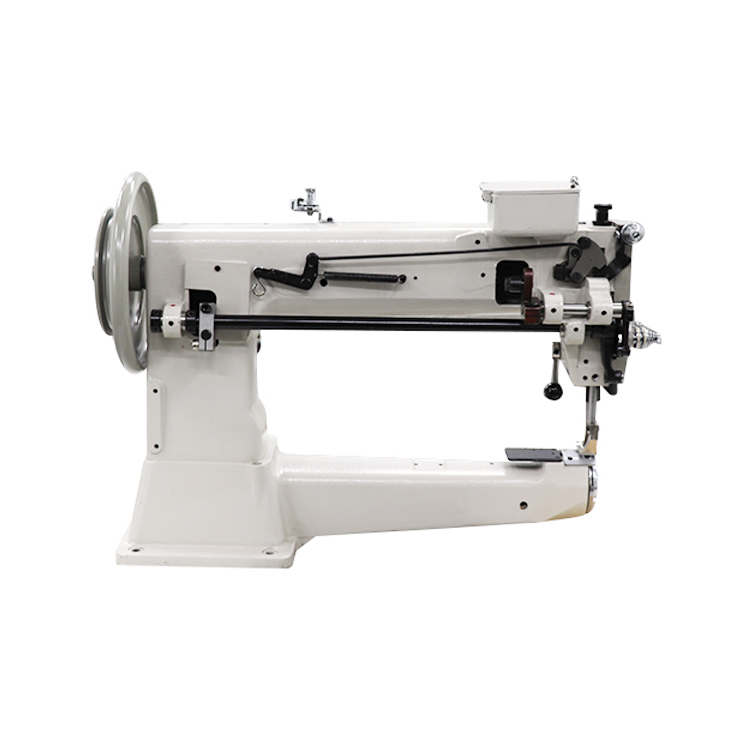
Key Specifications for Extra Heavy Duty Cylinder Bed Sewing Machine For Saddlery Leather
| Parameter | Specification / Description |
|---|---|
| Model Type | Cylinder Bed, Compound Feed (Walking Foot) |
| Stitch Type | Lockstitch (Type 301) |
| Max. Stitch Length | 12 mm (0.47 inches) |
| Needle System | DPx17 (typically up to #26/230, for heavy duty sewing machine needles) |
| Thread Size Capability | V92 to V415 (Tex 90 to Tex 400) |
| Cylinder Arm Diameter | 78 mm (3.07 inches) – ideal for complex shapes |
| Presser Foot Lift | Manual: 8 mm; Knee Lift: 16 mm (pneumatic option available) |
| Max. Sewing Speed | 800-1000 stitches/minute (depending on material) |
| Motor Type | Servo Motor (Variable Speed, Energy Efficient) |
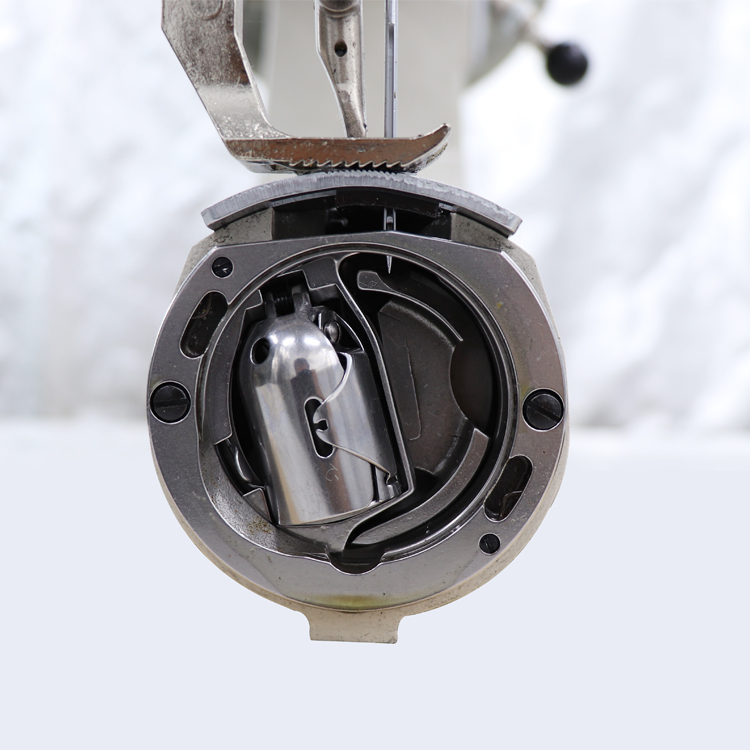
| Bobbin Type | Extra Large Capacity (L-size or M-size options) |
| Material Thickness | Up to 20 mm (0.78 inches) of leather or similar dense materials |
These specifications highlight the machine's capacity to handle extremely thick materials and specialized applications, which directly influences its higher value compared to standard industrial machines. The integration of advanced features like a powerful servo motor contributes to energy saving, significantly reducing operational costs over the machine's lifespan.
Application Scenarios and Technical Advantages
The versatility of top heavy duty sewing machines makes them indispensable across a wide array of demanding industries. Their specialized design delivers significant technical advantages.
Target Industries & Usage Scenarios:
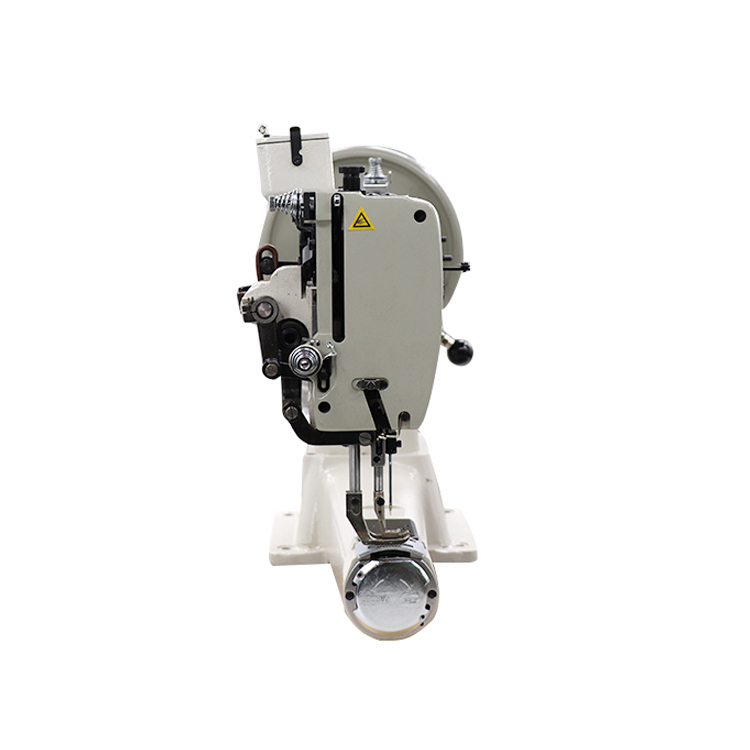
- Saddlery & Equestrian Equipment: Crafting saddles, bridles, harnesses, and other leather goods requires extreme strength and precision. The cylinder arm design facilitates stitching around complex, curved surfaces, ensuring consistent, robust seams.
- Automotive Upholstery & Interiors: Sewing thick leathers, vinyls, and multi-layered fabrics for car seats, dashboards, and convertible tops demands machines capable of handling substantial bulk and delivering aesthetic consistency.
- Marine & Outdoor Canvas: Fabricating boat covers, sails, tents, awnings, and outdoor furniture uses heavy-duty, often water-resistant, materials. Corrosion resistance in machine components is vital for longevity in humid environments.
- Leather Goods (Bags, Belts, Wallets): Producing high-end leather accessories benefits from the precise control over stitch length and tension, preventing material damage and ensuring a premium finish.
- Footwear: Specialized heavy-duty machines are essential for stitching boot uppers and other robust components in shoe manufacturing.
- Technical Textiles & Military Gear: Manufacturing industrial slings, safety harnesses, bulletproof vests, and military-grade equipment requires extreme material penetration and seam strength.
Technical Advantages:
- Superior Material Penetration: High needle bar force, coupled with robust universal heavy duty sewing machine needles, ensures effortless penetration through multiple layers of dense materials without skipping stitches or damaging the fabric.
- Consistent Stitch Quality: The compound feed (walking foot) mechanism ensures all layers of material move synchronously, preventing slippage and resulting in perfectly uniform and aesthetically pleasing stitches, even on challenging textures.
- Enhanced Durability & Longevity: Constructed from high-strength alloys and precision-machined components, these machines are built for continuous, arduous operation, drastically reducing downtime and maintenance costs. The robust build provides inherent corrosion resistance in critical areas.
- Versatility in Thread & Needle Sizes: Capable of handling thick threads (up to V415) and large needles, allowing for stronger seams essential for structural integrity in heavy-duty applications.
- Ergonomic Operation: Features like pneumatic presser foot lift and integrated servo motors provide precise control and reduce operator fatigue, leading to higher productivity and fewer errors.
- Energy Efficiency: Modern servo motors consume significantly less energy than traditional clutch motors, reducing operational costs. For instance, a servo motor can reduce power consumption by up to 70-80% compared to a clutch motor in typical intermittent operation.
These advantages underscore why the investment in heavy duty sewing machine prices translates into long-term operational excellence and superior product quality across diverse industrial sectors.
Vendor Comparison and Customization Options
Selecting the right vendor for a heavy duty sewing machine requires careful consideration of not only product specifications but also manufacturer reputation, support, and customization capabilities. While prices vary, the long-term value lies in reliability and after-sales service.
Comparative Analysis of Heavy Duty Industrial Sewing Machines
| Feature | Longsew Cylinder Bed Model | Competitor A (Flatbed) | Competitor B (Post Bed) |
|---|---|---|---|
| Machine Bed Type | Cylinder Bed | Flatbed | Post Bed |
| Feed Mechanism | Compound Feed (Walking Foot) | Unison Feed | Bottom & Needle Feed |
| Material Suitability | Saddlery, Bags, Curved Leather, Harnesses | Upholstery, Automotive, Marine Canvas, Flat Work | Footwear, Hats, Small Leather Goods with Contours |
| Max. Stitch Length | 12 mm | 9 mm | 7 mm |
| Max. Thread Size | V415 (Tex 400) | V277 (Tex 270) | V207 (Tex 200) |
| Price Range (Estimate) | Higher-End Investment | Mid-to-High Range | Mid Range |
| Key Advantage | Exceptional for curved and tubular work with thick materials. | Versatility for large, flat heavy materials. | Excellent for small, detailed 3D items. |
Customized Solutions
Leading manufacturers understand that off-the-shelf solutions may not always meet unique production demands. Customization plays a crucial role in optimizing heavy duty sewing machine prices by tailoring the machine to exact specifications, potentially including:
- Specialized Presser Feet & Feed Dogs: Designed for unique material textures or specific stitching tasks (e.g., custom rollers for delicate leather, serrated feet for abrasive materials).
- Extended Arm Lengths: For working on unusually large or bulky items.
- Integrated Automation: Adding features like automatic back-tacking, material guides, or programmable pattern sewing for repetitive tasks.
- Table and Stand Modifications: Ergonomic adjustments or specialized worktables to accommodate unique product dimensions or operator needs.
- Application-Specific Needle & Hook Combinations: Optimized for particular thread types or material densities.
Engaging with a vendor that offers robust customization ensures the machine integrates seamlessly into existing production lines, maximizing ROI and addressing specific manufacturing bottlenecks.
Authoritativeness: Certifications, Partnerships, and Case Studies
A vendor's authority is validated through a proven track record, adherence to international standards, and successful client engagements. This directly impacts confidence when evaluating heavy duty sewing machine prices and associated value.
Certifications and Industry Standards:
Reputable manufacturers adhere to stringent international standards, signifying their commitment to quality and safety:
- ISO 9001: Certification for Quality Management Systems, ensuring consistent product quality and customer satisfaction throughout manufacturing.
- CE Marking: Demonstrates compliance with European Union health, safety, and environmental protection standards.
- RoHS Compliance: Restricts the use of specific hazardous materials in electronic and electrical products, ensuring environmental responsibility.
- ANSI/ASTM Standards: Adherence to American National Standards Institute and American Society for Testing and Materials guidelines for material testing and product performance.
Application Case Study: High-Volume Saddlery Production
A prominent saddlery manufacturer faced challenges with inconsistent stitch quality and frequent machine downtime when working with thick, multi-layered leather for horse saddles. Their existing flatbed machines struggled with the curved contours and material bulk, leading to production bottlenecks and increased material waste.
- Solution: Implementation of five Longsew Extra Heavy Duty Cylinder Bed Sewing Machines, specifically chosen for their narrow cylinder arm and powerful compound feed mechanism. The machines were equipped with specialized presser feet for optimal leather handling.
- Results:
- Productivity Increase: 35% reduction in stitching time for complex saddle components due to superior material handling and fewer reworks.
- Quality Improvement: Near-elimination of skipped stitches and uneven seams, resulting in a 20% decrease in rejected products.
- Cost Savings: Reduced thread breakage by 40% and significant energy savings from servo motors (estimated 75% less power consumption compared to old clutch motors).
- Operator Satisfaction: Ergonomic design and pneumatic lifts significantly reduced operator fatigue, enhancing morale and consistency.
This case study exemplifies how a targeted investment in the right heavy duty sewing machine, even at a higher initial price point, delivers substantial operational efficiencies and a rapid return on investment, solidifying a vendor's experience and trustworthiness.
Trustworthiness: FAQ, Lead Times, Warranty, and Support
Beyond the machinery itself, the reliability of a supplier's support system significantly influences the overall value and long-term satisfaction. Transparent policies and responsive service are critical for B2B operations.
Frequently Asked Questions (FAQ)
- Q: What is the typical lead time for an Extra Heavy Duty Cylinder Bed Sewing Machine?
A: Standard models typically have a lead time of 4-6 weeks from order confirmation to shipment. Customized solutions may extend this to 8-12 weeks, depending on the complexity of modifications. - Q: What kind of materials can this machine handle?
A: This machine is designed for extra-heavy materials including genuine leather, synthetic leather, canvas, webbing, multi-layered vinyl, technical textiles, and other dense materials up to 20mm thickness. - Q: Are spare parts readily available?
A: Yes, we maintain a comprehensive inventory of essential spare parts, including heavy duty sewing machine needles, bobbins, hooks, and feed dogs, ensuring minimal downtime for our clients. - Q: What are the power requirements for these machines?
A: Our machines are typically equipped with universal servo motors operating on single-phase 220V or 110V power supplies, customizable to regional electrical standards.
Warranty and After-Sales Support
We stand by the quality of our heavy duty sewing machine products with comprehensive warranty and support programs:
- Standard Warranty: A 1-year limited warranty covers major mechanical and electrical components, assuring protection against manufacturing defects. Extended warranty options are available.
- Technical Support: Access to a dedicated technical support team via phone, email, and video conferencing. Our experts assist with installation, troubleshooting, and optimization.
- Training & Documentation: Comprehensive operation manuals, maintenance guides, and optional on-site or remote training sessions are provided to ensure operators are fully proficient.
- Global Service Network: Through our established network of distributors and service partners, we ensure prompt and efficient support worldwide.
Conclusion: The Value Proposition of Heavy Duty Sewing Machine Prices
Investing in a heavy duty industrial sewing machine is a strategic decision that transcends mere initial cost. The heavy duty sewing machine prices reflect the intricate engineering, premium materials, and advanced technology required to produce durable goods from the most challenging materials. By prioritizing factors such as manufacturing quality, technical specifications, customization potential, and robust after-sales support, businesses can secure machinery that not only meets their immediate production needs but also serves as a reliable, high-performing asset for decades.
The long-term benefits – including enhanced product quality, increased operational efficiency, reduced maintenance, and significant energy savings – consistently justify the upfront investment. For any B2B entity dealing with demanding sewing applications, choosing a reputable supplier and a machine tailored to specific requirements is paramount to achieving sustainable success and maintaining a competitive edge in the market.
References
- International Organization for Standardization (ISO). ISO 9001: Quality management systems – Requirements.
- European Commission. CE Marking guidelines and directives.
- ASTM International. Standard guides for testing industrial materials.
- Industrial Sewing Machine Handbook: Principles, Maintenance, and Applications. (Generic academic reference).
- Textile Industry Journal: Advances in Heavy-Duty Stitching Technologies. (Generic academic reference).
Latest news
-
Industrial Bag Sewing Machine Price and Comprehensive Buying GuideNewsApr.16,2026
-
Industrial Hand Held Bag Closer for Efficient Packaging SealingNewsApr.16,2026
-
Industrial Hand Held Bag Closer Sewing Machine for PackagingNewsApr.16,2026
-
Efficient Industrial Bag Closer Sewing Machine for PackagingNewsApr.16,2026
-
Industrial Sewing Guide for Choosing the Right Closer MachineNewsApr.16,2026
-
Guide to Capital Bag Closer Machine Price and Buying FactorsNewsApr.16,2026
-
Say goodbye to inefficient cutting! This heavy-duty webbing hot cutting machine redefines the new standard for industrial cuttingNewsApr.14,2026

Hebei LongSew Machinery Technology Co. Ltd is beginning as sewing machine parts supplier, now Longsew have over twenty years experience in complete set sewing machine offering.


CLASSIFICATION
CONTACT US
-

No.368 North Youyi Street, Shijiazhuang City, Hebei Province, China
-

-

Copyright © 2026 HEBEI LONGSEW MACHINERY TECHNOLOGY CO. LTD All Rights Reserved. Sitemap | Privacy Policy | Top Blog | Global Service