

Mar . 19, 2026 01:55
Back to list
What is a Good Serger A Comprehensive Guide to Choosing the Right Machine
What is a Good Serger? A Comprehensive Guide
Choosing the right serger can significantly elevate your sewing projects, providing professional-looking finishes and increased efficiency. But with so many options available, determining what is a good serger can feel overwhelming. This guide will explore the key features, types, and considerations to help you select the ideal serger for your needs, from beginner-friendly models to advanced machines for experienced sewists. We’ll also dive into the benefits of using a serger and how it differs from a traditional sewing machine.
Understanding the Basics: What Does a Serger Do?
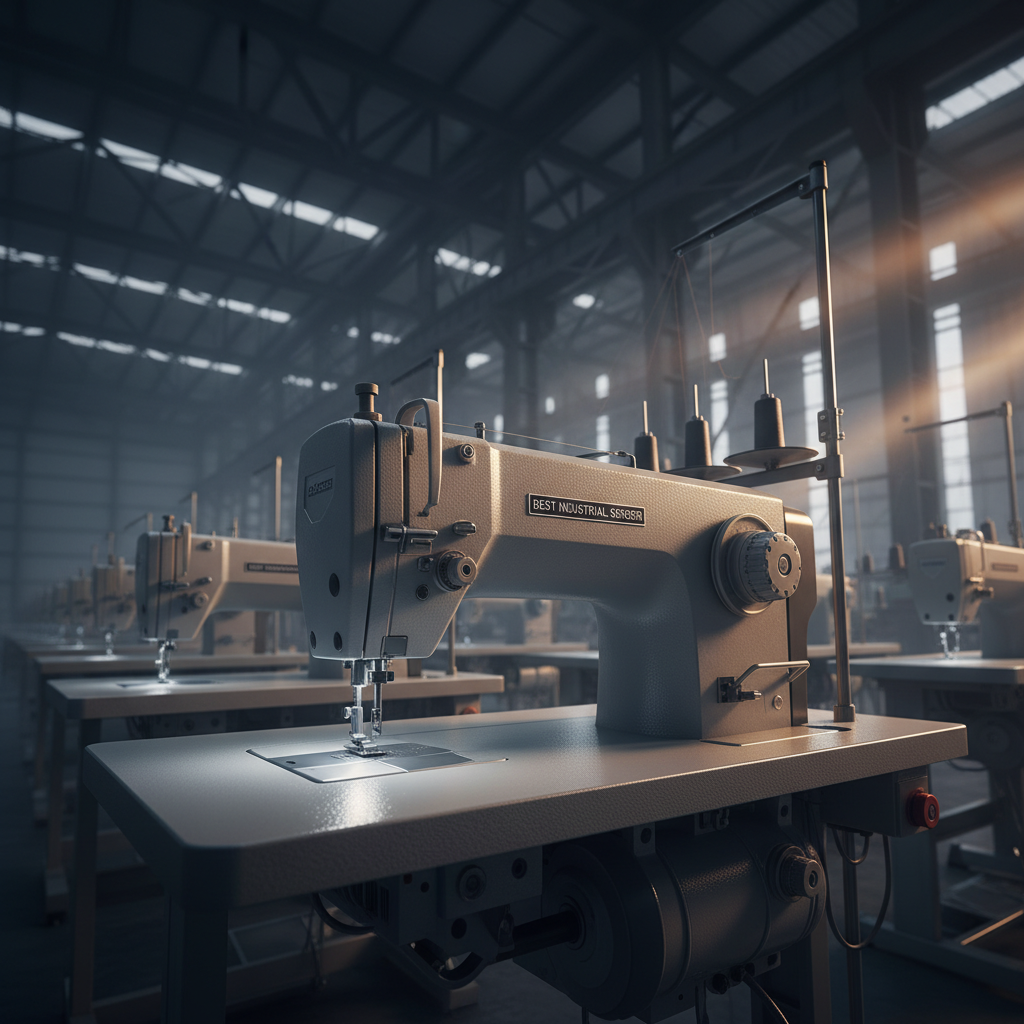
A serger, also known as an overlock machine, is a specialized sewing machine designed to simultaneously cut, stitch, and finish the raw edges of fabric. This creates a clean, professional finish that prevents fraying and adds durability to your projects. Unlike a standard sewing machine, which typically uses two threads, a serger utilizes multiple threads (typically 3, 4, or 5) to create a secure and aesthetically pleasing seam. This makes sergers indispensable for garments, especially knit fabrics, and home décor projects requiring a polished look. Using a serger can drastically reduce sewing time and improve the overall quality of your work.
Key Benefits: Simultaneous cutting, stitching, and finishing; prevents fabric fraying; creates durable seams; ideal for knit fabrics; adds a professional finish.
Types of Sergers: Finding the Right Fit
Sergers come in several different types, each with its own strengths and weaknesses. The most common types include:
- 2-3-4 Thread Sergers: These are the most versatile and popular options, suitable for a wide range of projects. They offer flexibility in stitch types and are relatively easy to learn.
- 5-Thread Sergers: Offering maximum versatility, 5-thread sergers can create both serged seams and coverstitch seams, eliminating the need for a separate coverstitch machine.
- Coverstitch Sergers: Primarily used for creating professional-looking hems and decorative stitching on knit fabrics.
- Combination Serger/Coverstitch Machines: These machines can switch between serging and coverstitching, providing all-in-one functionality.
Choosing the right type depends on the types of projects you plan to tackle and your budget. For beginners, a 2-3-4 thread serger is a great starting point.
Key Features to Consider When Choosing a Serger
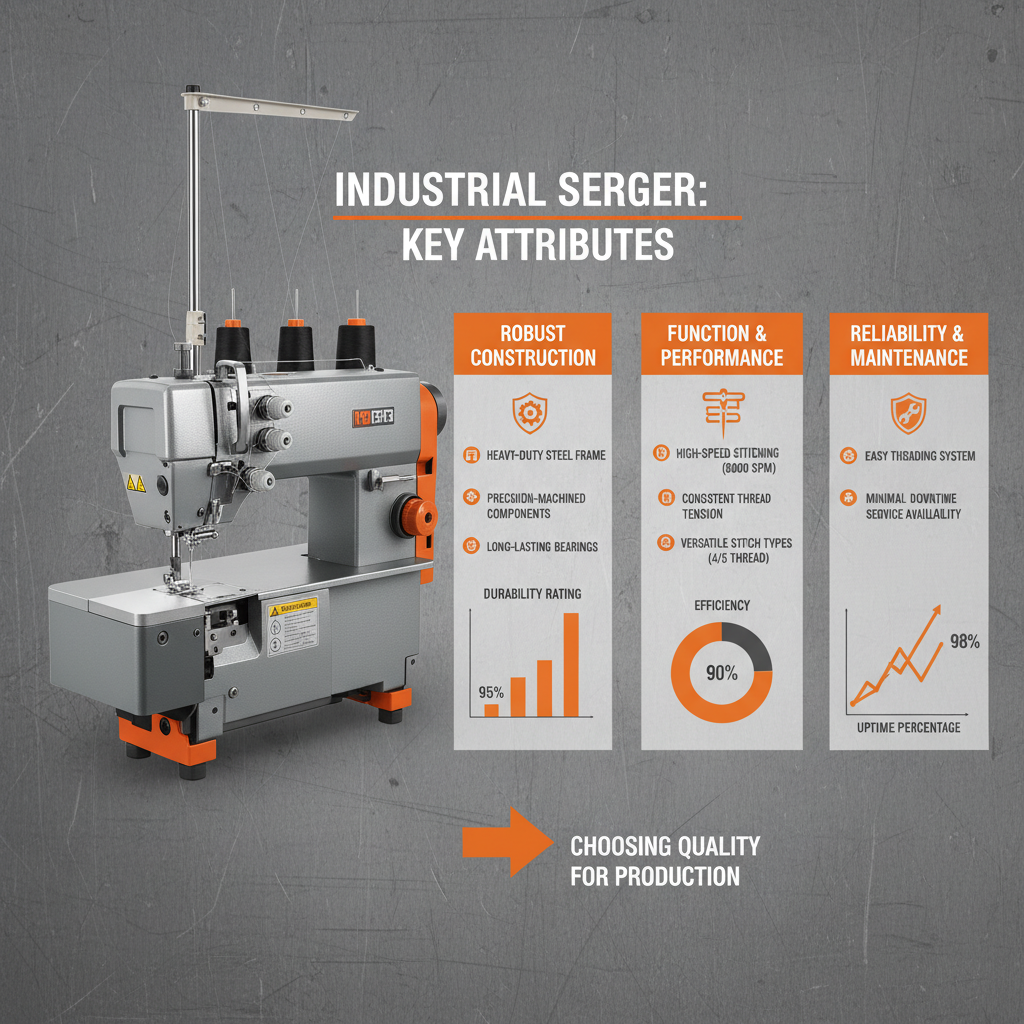
When evaluating different serger models, consider these essential features: Differential Feed: This allows you to adjust the speed at which the feed dogs move, preventing stretching or puckering of fabrics. Adjustable Stitch Length and Width: Provides greater control over the appearance of your seams. Adjustable Tension: Crucial for achieving balanced and consistent stitches. Automatic Threading: Simplifies the threading process, especially for beginners. Free Arm: Facilitates sewing cuffs, sleeves, and other cylindrical shapes. Bright Lighting: Improves visibility, reducing eye strain.
Essential Features Checklist:
• Differential Feed
• Adjustable Stitch Length & Width
• Adjustable Tension
• Automatic Threading
Serger vs. Sewing Machine: A Side-by-Side Comparison
While both sergers and sewing machines are essential tools for sewing, they serve different purposes. A sewing machine is primarily used for joining fabric pieces together, while a serger focuses on finishing edges and creating professional seams. Here’s a quick comparison:
Popular Serger Brands and Models
Several reputable brands offer high-quality sergers. Longsew is a trusted manufacturer known for its durable and reliable serger machines. Other popular brands include Juki, Brother, and Janome. When researching models, read reviews and compare features to find the best fit for your needs and budget.
Conclusion: Choosing the Right Serger for You
Investing in a good serger can transform your sewing experience, allowing you to create professional-quality garments and projects with ease. By understanding the different types of sergers, key features, and brand options, you can make an informed decision that meets your specific needs and budget. Don’t hesitate to explore resources and read reviews before making a purchase. A well-chosen serger will become an invaluable tool in your sewing journey.
Frequently Asked Questions (FAQs)
What is the learning curve for using a serger?
The learning curve can vary depending on your sewing experience. While sergers might seem intimidating at first, with practice and patience, they become quite user-friendly. Modern sergers with automatic threading features simplify the process significantly. Starting with simple projects and gradually increasing complexity is a good approach. Online tutorials and classes are also invaluable resources. Don't be afraid to experiment with different stitch settings and fabrics to get a feel for how the machine operates.
How often should I oil my serger?
Regular oiling is essential for maintaining the smooth operation of your serger. The frequency depends on usage, but generally, oiling after every 8 hours of operation is recommended. Refer to your serger's manual for specific oiling instructions and the type of oil to use. Proper lubrication prevents friction and ensures longevity.
Can a serger be used on all types of fabric?
While sergers are incredibly versatile, they perform best on knit and woven fabrics. Delicate fabrics like silk or chiffon may require special needles and adjustments. Thick fabrics like denim or upholstery fabrics can also be challenging, depending on the serger's capabilities. Always test a small scrap of fabric before starting your project to ensure the serger can handle it properly.
Where can I find replacement parts and accessories for my serger?
Replacement parts and accessories can be purchased from the serger manufacturer's website, authorized dealers, or online retailers specializing in sewing supplies. Longsew offers a wide range of serger parts and accessories. Always ensure you purchase genuine parts to maintain the quality and performance of your machine.
Latest news
-
Industrial Bag Sewing Machine Price and Comprehensive Buying GuideNewsApr.16,2026
-
Industrial Hand Held Bag Closer for Efficient Packaging SealingNewsApr.16,2026
-
Industrial Hand Held Bag Closer Sewing Machine for PackagingNewsApr.16,2026
-
Efficient Industrial Bag Closer Sewing Machine for PackagingNewsApr.16,2026
-
Industrial Sewing Guide for Choosing the Right Closer MachineNewsApr.16,2026
-
Guide to Capital Bag Closer Machine Price and Buying FactorsNewsApr.16,2026
-
Say goodbye to inefficient cutting! This heavy-duty webbing hot cutting machine redefines the new standard for industrial cuttingNewsApr.14,2026

Hebei LongSew Machinery Technology Co. Ltd is beginning as sewing machine parts supplier, now Longsew have over twenty years experience in complete set sewing machine offering.


CLASSIFICATION
CONTACT US
-

No.368 North Youyi Street, Shijiazhuang City, Hebei Province, China
-

-

Copyright © 2026 HEBEI LONGSEW MACHINERY TECHNOLOGY CO. LTD All Rights Reserved. Sitemap | Privacy Policy | Top Blog | Global Service