

Mar . 21, 2026 01:55
Back to list
Understanding What Is An Overlocker For And Its Sewing Applications
What is an Overlocker For? A Comprehensive Guide
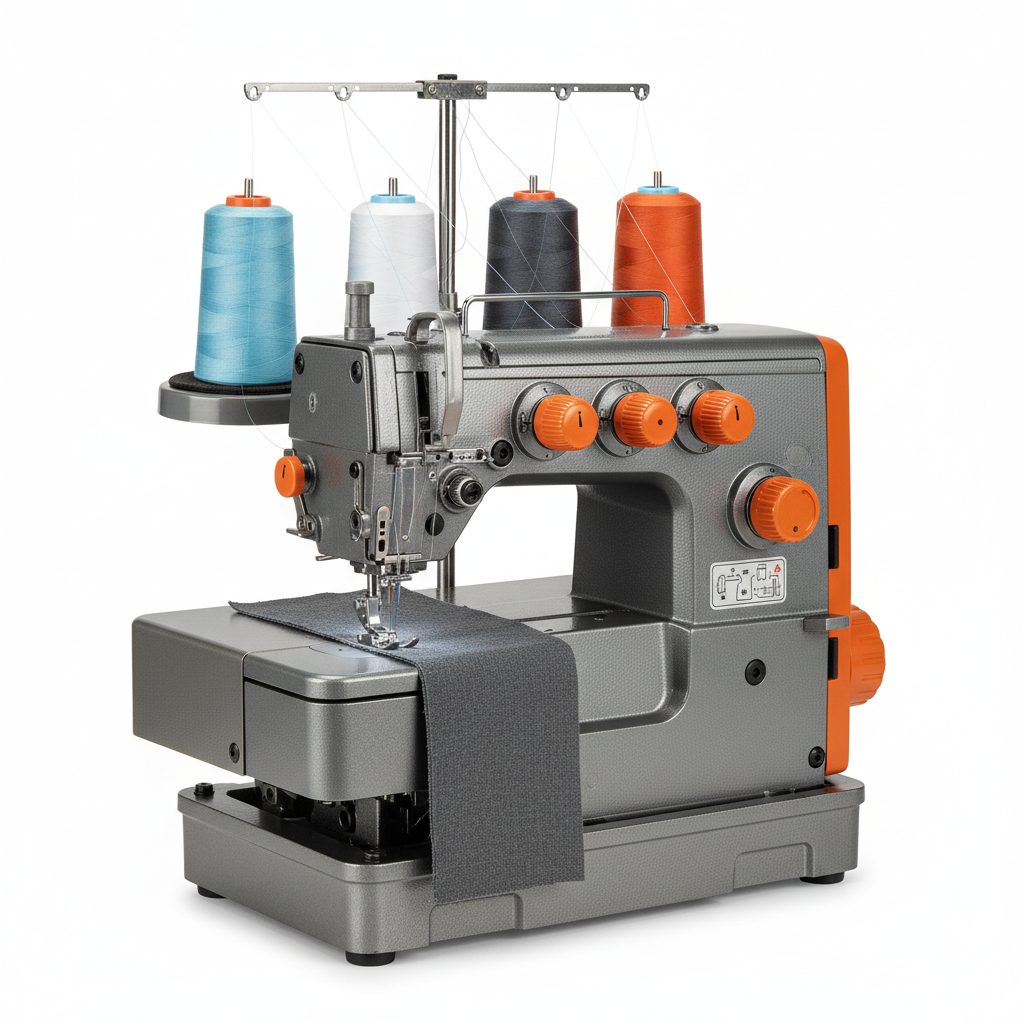
An overlocker, also known as a serger, is a specialized sewing machine that simultaneously sews a seam, trims excess fabric, and overcasts the raw edge to prevent fraying. Unlike a traditional sewing machine, an overlocker uses loopers instead of a bobbin. This makes it incredibly efficient for finishing seams on garments and other fabric projects. Understanding what an overlocker is for is key to unlocking professional-looking results in your sewing endeavors. This article will delve into the benefits, applications, and considerations when choosing an overlocker, offering a thorough overview for both beginners and experienced sewers.
The Core Function: Seaming and Edge Finishing
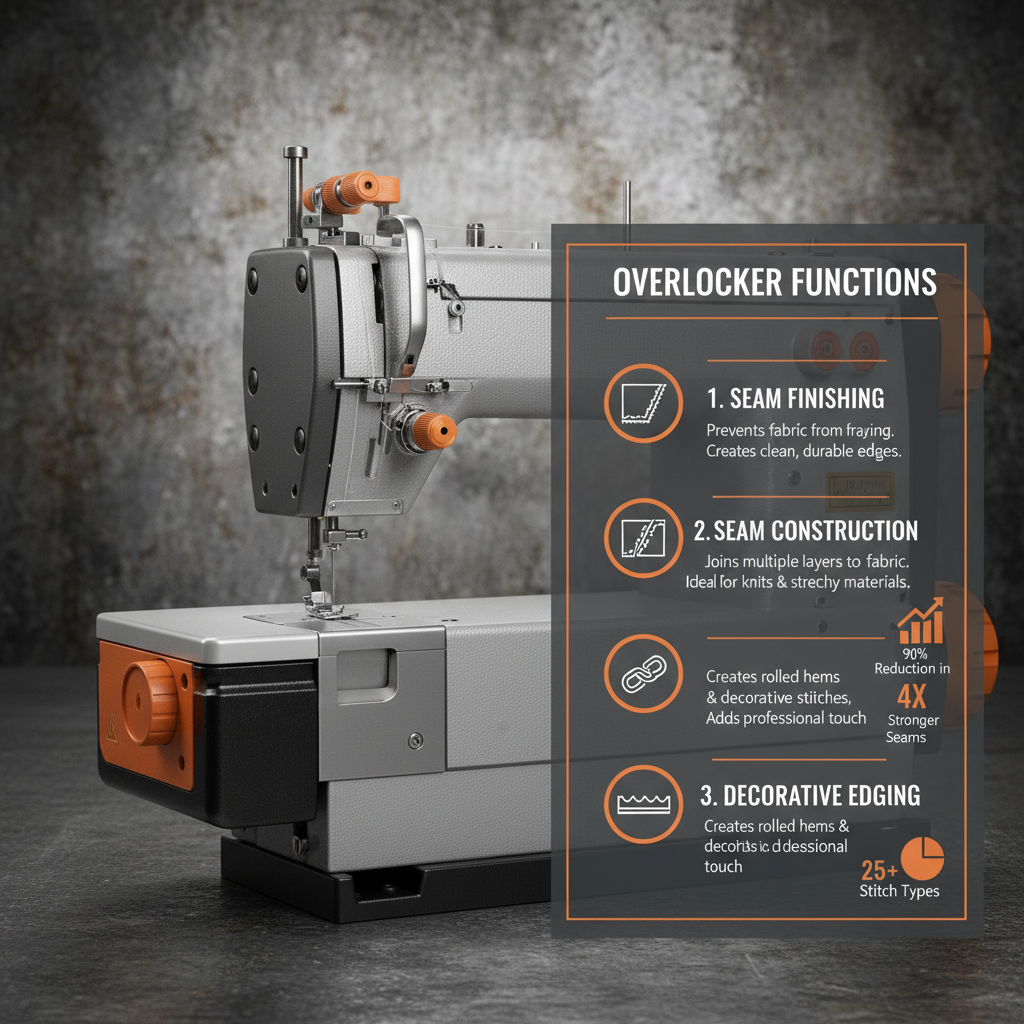
The primary function of an overlocker is to create a professional finish on fabric edges. It accomplishes this by wrapping thread around the edge of the fabric, preventing it from unraveling. This is especially crucial for fabrics prone to fraying, like knit fabrics. The speed and efficiency of an overlocker are significantly faster than traditional methods of edge finishing, like zig-zag stitching. It’s the go-to machine for production sewing and achieving a polished look on garments. Longsew's range of overlockers are designed for this very purpose, offering reliable performance and precision.
Key Benefit: An overlocker drastically reduces fabric fraying, resulting in more durable and longer-lasting garments and projects.
What is an Overlocker Used For? Applications Across Sewing Projects
Beyond basic seam finishing, an overlocker is incredibly versatile. Here are some key applications:
- Garment Construction: Creating seams and hems on clothing, sportswear, lingerie, and knitwear.
- Quilting: Finishing the edges of quilt pieces and binding quilts.
- Home Decor: Creating decorative edges on curtains, cushions, and table linens.
- Rolled Hems: Producing delicate, narrow hems on lightweight fabrics like scarves and blouses.
- Differential Feed: Handling stretchy fabrics and creating decorative gathers.
The ability to create a clean, professional finish makes it an indispensable tool for anyone serious about sewing.
Overlocker Capabilities:
• Simultaneously sews, trims, and overcasts.
• Ideal for knit and woven fabrics.
• Creates professional-looking finishes quickly.
• Offers various stitch types, including rolled hems and flatlock seams.
Overlocker vs. Sewing Machine: A Detailed Comparison
While a sewing machine can perform some basic edge finishing, an overlocker excels in speed, efficiency, and the quality of the finish. Here's a side-by-side comparison:
Choosing the Right Overlocker: Key Considerations
Selecting the right overlocker depends on your sewing needs and budget. Consider these factors:
- Number of Threads: 3-4 thread overlockers are most common. More threads offer greater versatility.
- Differential Feed: Essential for handling stretchy fabrics.
- Adjustable Stitch Length and Width: Provides control over the seam finish.
- Automatic Tension: Simplifies setup and ensures consistent stitch quality.
- Ease of Use: Look for a machine that’s easy to thread and maintain.
Longsew offers a range of overlockers to suit various skill levels and project requirements.
Conclusion: Elevate Your Sewing with an Overlocker
An overlocker is a powerful tool that can significantly improve the quality and efficiency of your sewing projects. From creating professional-looking seams to finishing edges with precision, its benefits are undeniable. Whether you’re a hobbyist or a professional, investing in an overlocker will elevate your sewing to the next level. Explore the range of overlockers at Longsew to find the perfect machine for your needs.
Frequently Asked Questions (FAQs)
What’s the difference between an overlocker and a coverstitch machine?
While both machines work with loopers, an overlocker trims, sews, and finishes the edge simultaneously. A coverstitch machine creates a professional-looking hem on knit fabrics, with two or three parallel rows of stitching on the right side. Coverstitch machines are often used for t-shirts and athletic wear. Essentially, an overlocker handles the seam finishing, while a coverstitch machine focuses on hems.
Can an overlocker sew a regular seam?
Technically, yes, an overlocker can sew a seam, but it's not its primary function. The resulting seam won’t be as strong or versatile as a seam sewn with a traditional sewing machine. Overlockers are best suited for finishing edges and creating durable, flexible seams that can withstand stretching and wear.
How often should I oil my overlocker?
Regular oiling is crucial for maintaining your overlocker’s performance. Generally, you should oil the machine before each use or after every 8 hours of sewing. Refer to your overlocker's manual for specific oiling instructions, as different models may have slightly different requirements. Proper lubrication reduces friction and prevents wear and tear on the internal components.
Is it difficult to learn how to thread an overlocker?
Threading an overlocker can seem daunting at first, as it involves multiple threads and loopers. However, with practice and the help of your machine's manual, it becomes much easier. Many modern overlockers have color-coded threading guides to simplify the process. There are also numerous online tutorials available to guide you through each step.
Previous:
Latest news
-
Industrial Bag Sewing Machine Price and Comprehensive Buying GuideNewsApr.16,2026
-
Industrial Hand Held Bag Closer for Efficient Packaging SealingNewsApr.16,2026
-
Industrial Hand Held Bag Closer Sewing Machine for PackagingNewsApr.16,2026
-
Efficient Industrial Bag Closer Sewing Machine for PackagingNewsApr.16,2026
-
Industrial Sewing Guide for Choosing the Right Closer MachineNewsApr.16,2026
-
Guide to Capital Bag Closer Machine Price and Buying FactorsNewsApr.16,2026
-
Say goodbye to inefficient cutting! This heavy-duty webbing hot cutting machine redefines the new standard for industrial cuttingNewsApr.14,2026

Hebei LongSew Machinery Technology Co. Ltd is beginning as sewing machine parts supplier, now Longsew have over twenty years experience in complete set sewing machine offering.


CLASSIFICATION
CONTACT US
-

No.368 North Youyi Street, Shijiazhuang City, Hebei Province, China
-

-

Copyright © 2026 HEBEI LONGSEW MACHINERY TECHNOLOGY CO. LTD All Rights Reserved. Sitemap | Privacy Policy | Top Blog | Global Service