

Jan . 30, 2026 14:35
Back to list
Understanding the Silai Machine Shuttle for Optimal Sewing Performance
Understanding the Silai Machine Shuttle: A Comprehensive Guide
The silai machine shuttle is a critical component in many industrial sewing machines, particularly those used in the garment, leather, and upholstery industries. This guide will delve into its function, types, maintenance, and the factors to consider when choosing a replacement. A properly functioning shuttle is vital for consistent stitch quality and overall machine performance. Understanding the intricacies of this small but essential part can significantly improve sewing efficiency and reduce downtime.
What is a Silai Machine Shuttle and Why is it Important?
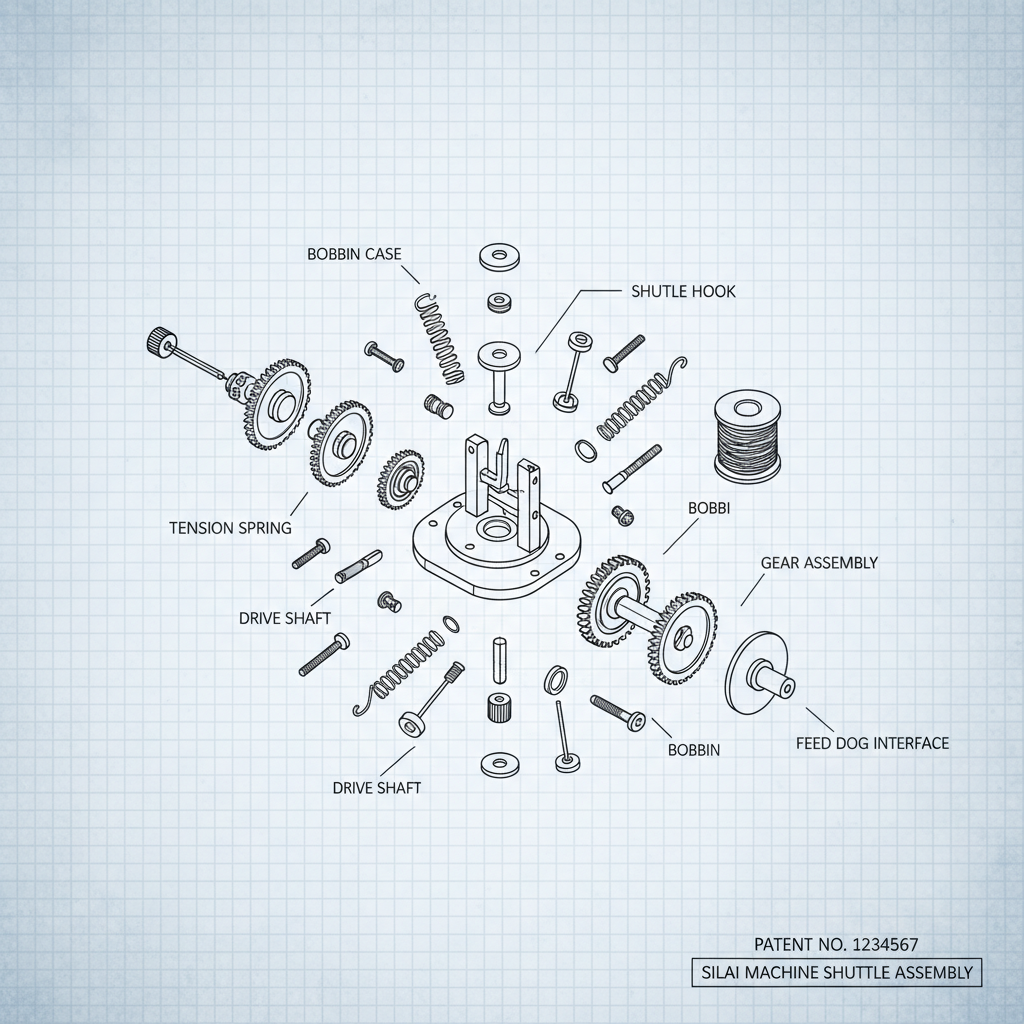
The silai machine shuttle is a small, boat-shaped component that carries the bobbin case and bobbin thread through the fabric loop during the sewing process. It interlocks with the rotating hook, forming a stitch. Without a functioning shuttle, the machine simply cannot create a secure and consistent stitch. Different types of shuttles are designed for specific machines and applications, impacting stitch formation, speed, and fabric handling. Selecting the correct shuttle ensures optimal machine performance and minimizes the risk of issues like thread breakage or skipped stitches.
Key Function: The silai machine shuttle carries the bobbin thread, interlocks it with the needle thread, and forms a secure stitch within the fabric layers.
Types of Silai Machine Shuttles
There are several types of silai machine shuttles, each designed for specific sewing machine mechanisms. The most common include:
- Rotary Hook Shuttles: These are widely used in modern industrial sewing machines due to their high speed and efficiency. They utilize a rotating hook to catch the needle thread.
- Oscillating Shuttles: Found in older or simpler machines, these shuttles oscillate back and forth to interlock the threads.
- Drop Feed Shuttles: These shuttles work with a drop feed mechanism, commonly used for heavier fabrics.
Shuttle Type Comparison:
• Rotary Hook: High speed, efficient, modern machines.
• Oscillating: Older machines, simpler designs.
• Drop Feed: Heavy fabrics, drop feed mechanisms.
Factors to Consider When Choosing a Silai Machine Shuttle
Selecting the right silai machine shuttle involves considering several factors. Firstly, compatibility with your specific sewing machine model is paramount. Using an incorrect shuttle can lead to machine damage and poor stitch quality. Secondly, the type of fabric you are sewing plays a role; heavier fabrics may require a more robust shuttle. Finally, the frequency of use and the level of precision required also influence your choice. Investing in a high-quality shuttle from a reputable manufacturer, like Longsew, will ensure durability and consistent performance.
Silai Machine Shuttle Maintenance and Troubleshooting
Regular maintenance is key to prolonging the life of your silai machine shuttle. This includes cleaning it regularly to remove lint and debris, and lubricating it with sewing machine oil. Check for any signs of wear and tear, such as cracks or bending. If you experience issues like skipped stitches, thread breakage, or uneven stitch formation, the shuttle is often the culprit. Ensure the shuttle is correctly installed and that the bobbin is wound correctly. If problems persist, consult a qualified sewing machine technician.
Where to Find High-Quality Silai Machine Shuttles
Finding a reliable supplier of silai machine shuttles is essential. Longsew offers a comprehensive range of shuttles compatible with various sewing machine models. We pride ourselves on delivering high-quality parts, excellent customer service, and competitive pricing. Explore our online catalog or contact our team for assistance in finding the perfect shuttle for your needs.
Conclusion: Ensuring Optimal Sewing Performance with the Right Shuttle
The silai machine shuttle is a small but mighty component that significantly impacts sewing quality and efficiency. By understanding its function, types, and maintenance requirements, you can ensure optimal performance from your sewing machine. Investing in a high-quality shuttle from a trusted supplier like Longsew is a smart choice for any sewing professional or enthusiast.
Frequently Asked Questions (FAQs)
How often should I replace my silai machine shuttle?
The replacement frequency depends on usage and maintenance. Generally, a shuttle should be replaced when it shows signs of wear, such as cracks, bending, or difficulty in smooth operation. Regular inspection and cleaning can prolong its life. For heavy-duty industrial use, replacing the shuttle every 6-12 months is recommended. If you consistently experience issues like skipped stitches or thread breakage, even after cleaning and lubrication, it's likely time for a replacement. A worn shuttle will degrade stitch quality and potentially damage other machine parts.
What type of oil should I use to lubricate my silai machine shuttle?
Specifically formulated sewing machine oil is the best choice for lubricating your silai machine shuttle. Avoid using general-purpose oils, as they can be too thick or contain additives that can damage the machine's internal components. Sewing machine oil is lightweight and designed to penetrate small spaces, ensuring smooth operation. Apply a small drop of oil to the shuttle's pivot points and moving parts, avoiding excessive lubrication.
How can I tell if my silai machine shuttle is installed correctly?
A correctly installed shuttle should move freely and smoothly within the machine. The shuttle should not bind or catch during operation. Consult your sewing machine's manual for specific installation instructions, as the process can vary depending on the model. Ensure the shuttle is seated securely in its designated position and that the bobbin case is properly aligned. If the shuttle is not installed correctly, the machine may not sew, or it may produce erratic stitches.
What are the common signs of a faulty silai machine shuttle?
Common signs of a faulty silai machine shuttle include skipped stitches, thread breakage, uneven stitch formation, and the shuttle becoming jammed during operation. If you notice these issues, inspect the shuttle for any visible damage, such as cracks or bending. Also, check the bobbin case and bobbin for proper alignment and winding. If the shuttle appears to be in good condition but the problems persist, it's likely time for a replacement.
Latest news
-
Industrial Bag Sewing Machine Price and Comprehensive Buying GuideNewsApr.16,2026
-
Industrial Hand Held Bag Closer for Efficient Packaging SealingNewsApr.16,2026
-
Industrial Hand Held Bag Closer Sewing Machine for PackagingNewsApr.16,2026
-
Efficient Industrial Bag Closer Sewing Machine for PackagingNewsApr.16,2026
-
Industrial Sewing Guide for Choosing the Right Closer MachineNewsApr.16,2026
-
Guide to Capital Bag Closer Machine Price and Buying FactorsNewsApr.16,2026
-
Say goodbye to inefficient cutting! This heavy-duty webbing hot cutting machine redefines the new standard for industrial cuttingNewsApr.14,2026

Hebei LongSew Machinery Technology Co. Ltd is beginning as sewing machine parts supplier, now Longsew have over twenty years experience in complete set sewing machine offering.


CLASSIFICATION
CONTACT US
-

No.368 North Youyi Street, Shijiazhuang City, Hebei Province, China
-

-

Copyright © 2026 HEBEI LONGSEW MACHINERY TECHNOLOGY CO. LTD All Rights Reserved. Sitemap | Privacy Policy | Top Blog | Global Service