

Mar . 10, 2026 01:55
Back to list
Comprehensive Overlock Machine Price List For All Your Sewing Needs
Overlock Machine Price List: Find the Perfect Machine for Your Needs
Choosing the right overlock machine is crucial for efficient and professional garment construction. This article provides a comprehensive overlock machine price list and guide to help you find the perfect machine for your specific needs, whether you're a hobbyist, small business, or large-scale manufacturer. We'll cover different types of overlock machines, key features, and price ranges, ensuring you make an informed decision. Understanding your needs and budget is the first step in finding the ideal machine.
Understanding Different Types of Overlock Machines
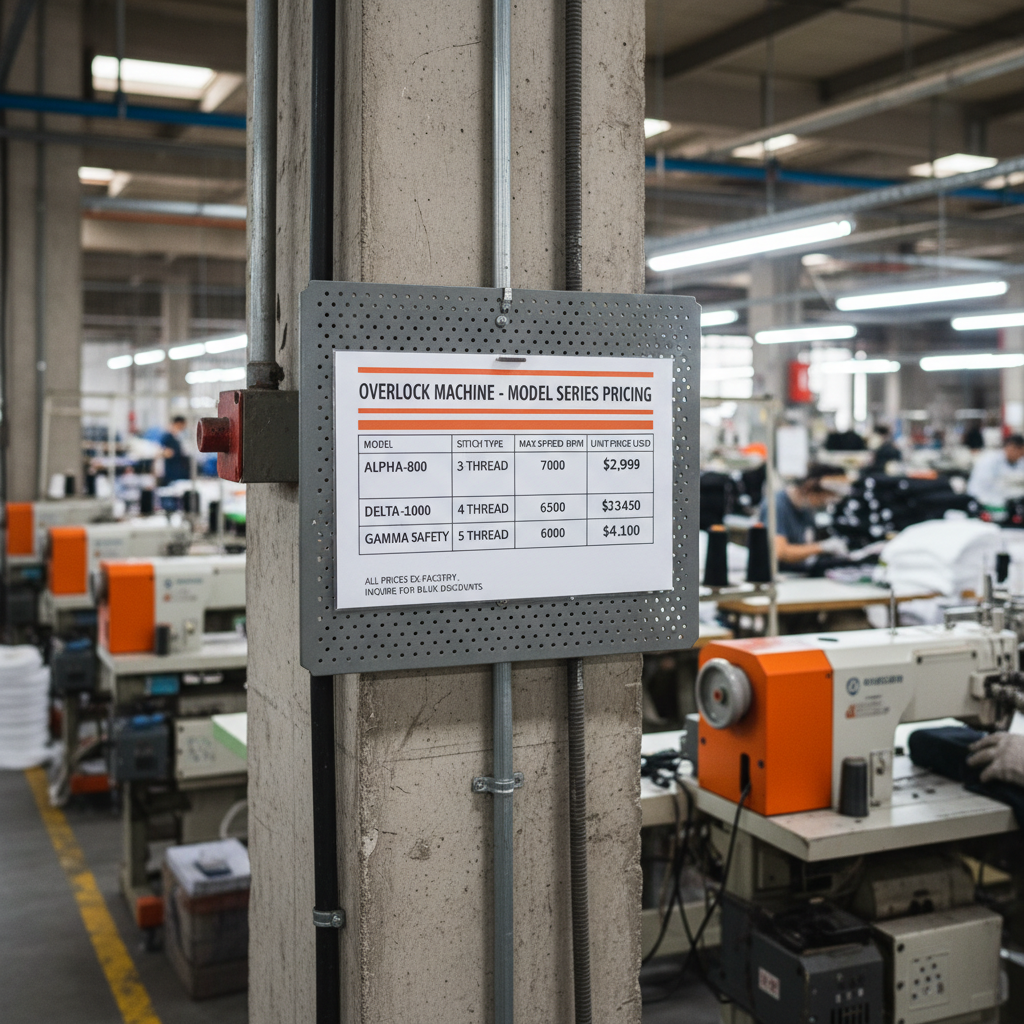
Overlock machines, also known as sergers, come in various configurations, each suited for different applications. The most common types include 3-thread, 4-thread, and 5-thread overlock machines. 3-thread machines are ideal for light to medium fabrics and basic overlocking. 4-thread machines offer increased durability and a wider range of stitch options. 5-thread machines, often used in industrial settings, provide exceptional strength and versatility, capable of both overlocking and safety stitching. Longsew offers a wide variety of each type, tailored for diverse needs.
Key Takeaway: Selecting the appropriate thread count depends on the fabric type, stitch requirements, and the intended use of the garment.
Overlock Machine Price List: A Comprehensive Overview
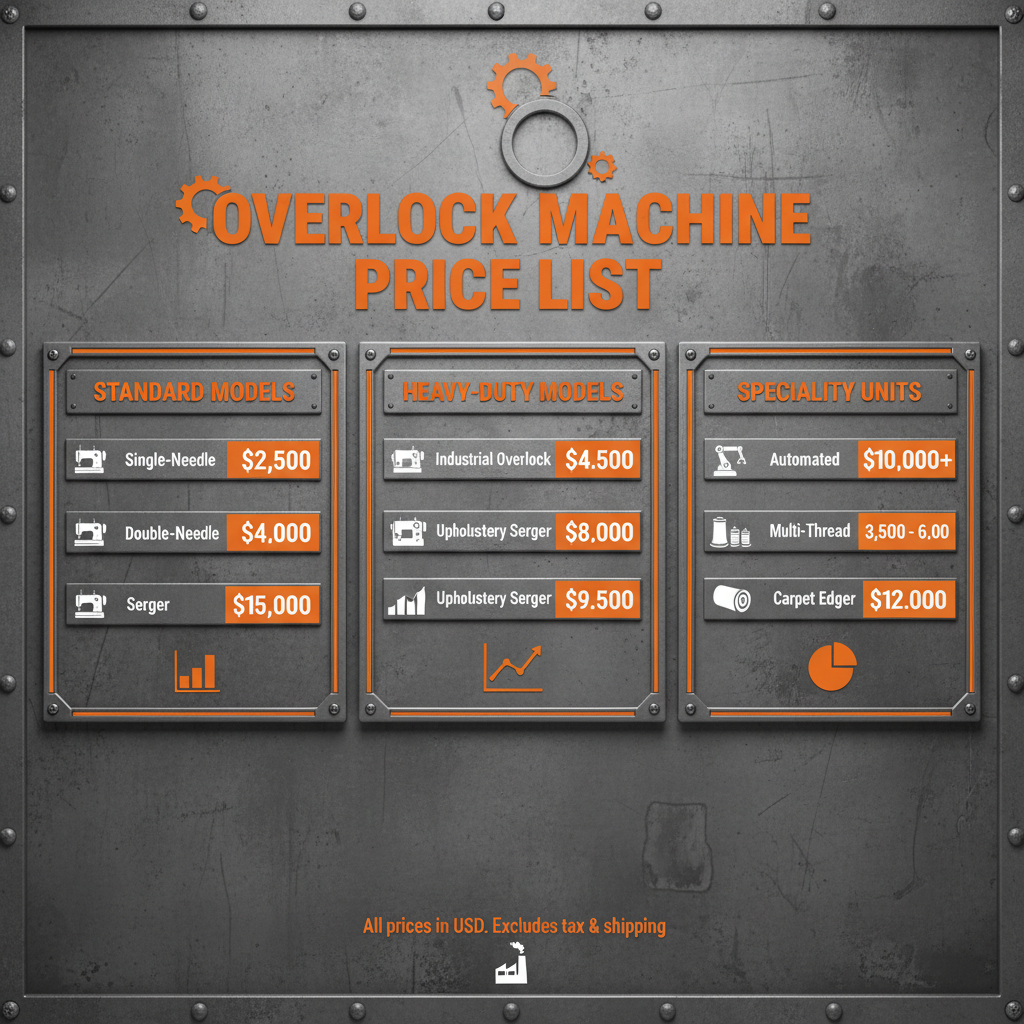
The price of an overlock machine can vary significantly based on its features, brand, and capabilities. Here's a general overlock machine price list to provide a rough estimate. Prices are approximate and may vary depending on retailer and promotions.
Key Features to Consider When Purchasing
Beyond the price, several features contribute to the overall performance and usability of an overlock machine. These include stitch length and width adjustment, differential feed control, automatic thread tension, and the ease of threading. Differential feed is particularly important for handling stretch fabrics and preventing puckering. Automatic thread tension simplifies the setup process and ensures consistent stitch quality. Longsew’s machines are equipped with these features to deliver optimal results.
Essential Features:
• Adjustable stitch length and width
• Differential feed control
• Automatic thread tension
• Easy threading mechanism
Comparing Popular Overlock Machine Models
Let’s compare a few popular models currently available to give you a better understanding of the variations in features and pricing:
Factors Affecting Overlock Machine Prices
Several factors contribute to the variation in overlock machine prices. Brand reputation, the inclusion of advanced features, build quality, and warranty coverage all play a role. Industrial-grade machines generally command higher prices due to their durability and capacity for heavy-duty use. Consider your long-term needs and budget carefully to determine the optimal investment.
Conclusion: Choosing the Right Overlock Machine
Selecting the right overlock machine requires careful consideration of your needs, budget, and desired features. Whether you’re a beginner or a seasoned professional, Longsew offers a diverse range of high-quality overlock machines to meet your requirements. Don’t hesitate to explore our catalog and reach out to our expert team for personalized guidance. Investing in a reliable overlock machine will enhance your sewing projects and deliver professional-looking results.
Frequently Asked Questions (FAQs)
What is the difference between a 3-thread and a 4-thread overlock machine?
A 3-thread overlock machine is simpler and primarily used for finishing raw edges of fabric to prevent fraying. It's ideal for lightweight fabrics and basic projects. A 4-thread overlock machine offers greater durability and a more professional finish, as it creates a more secure seam with a wider stitch. It's suitable for a wider range of fabrics and projects, including garments that require greater strength. The 4-thread machine also allows for flatlock stitching which a 3-thread machine cannot achieve.
How often should I oil my overlock machine?
Regular oiling is essential for maintaining the smooth operation of your overlock machine. The frequency depends on usage, but generally, you should oil it before each use or after every 8 hours of operation. Focus on oiling the areas indicated in your machine's manual, such as the needles, loopers, and tension disks. Using the correct type of oil specifically designed for sewing machines is crucial to avoid damage.
What fabrics can an overlock machine handle?
Overlock machines are versatile and can handle a wide range of fabrics, including woven fabrics, knit fabrics, denim, and lightweight synthetics. However, the appropriate thread and stitch settings should be adjusted based on the fabric type and weight. For delicate fabrics, use a finer needle and lower thread tension. For heavier fabrics, use a stronger needle and higher thread tension. Longsew machines are built to accommodate a variety of textiles.
Latest news
-
Industrial Bag Sewing Machine Price and Comprehensive Buying GuideNewsApr.16,2026
-
Industrial Hand Held Bag Closer for Efficient Packaging SealingNewsApr.16,2026
-
Industrial Hand Held Bag Closer Sewing Machine for PackagingNewsApr.16,2026
-
Efficient Industrial Bag Closer Sewing Machine for PackagingNewsApr.16,2026
-
Industrial Sewing Guide for Choosing the Right Closer MachineNewsApr.16,2026
-
Guide to Capital Bag Closer Machine Price and Buying FactorsNewsApr.16,2026
-
Say goodbye to inefficient cutting! This heavy-duty webbing hot cutting machine redefines the new standard for industrial cuttingNewsApr.14,2026

Hebei LongSew Machinery Technology Co. Ltd is beginning as sewing machine parts supplier, now Longsew have over twenty years experience in complete set sewing machine offering.


CLASSIFICATION
CONTACT US
-

No.368 North Youyi Street, Shijiazhuang City, Hebei Province, China
-

-

Copyright © 2026 HEBEI LONGSEW MACHINERY TECHNOLOGY CO. LTD All Rights Reserved. Sitemap | Privacy Policy | Top Blog | Global Service