

Mar . 09, 2026 01:55
Back to list
Choosing the Right Garments Overlock Machine for Optimal Production Efficiency
Choosing the Right Garments Overlock Machine for Your Business
In the fast-paced world of garment manufacturing, efficiency and quality are paramount. A reliable garments overlock machine is essential for producing durable, professional-quality seams. This article will guide you through the key considerations when selecting an overlock machine, exploring features, types, and the benefits of investing in quality equipment. We’ll help you understand how the right machine can streamline your production process and improve your bottom line. Longsew offers a wide range of high-performance overlock machines to suit various needs and budgets.
Understanding Garments Overlock Machines: A Comprehensive Overview
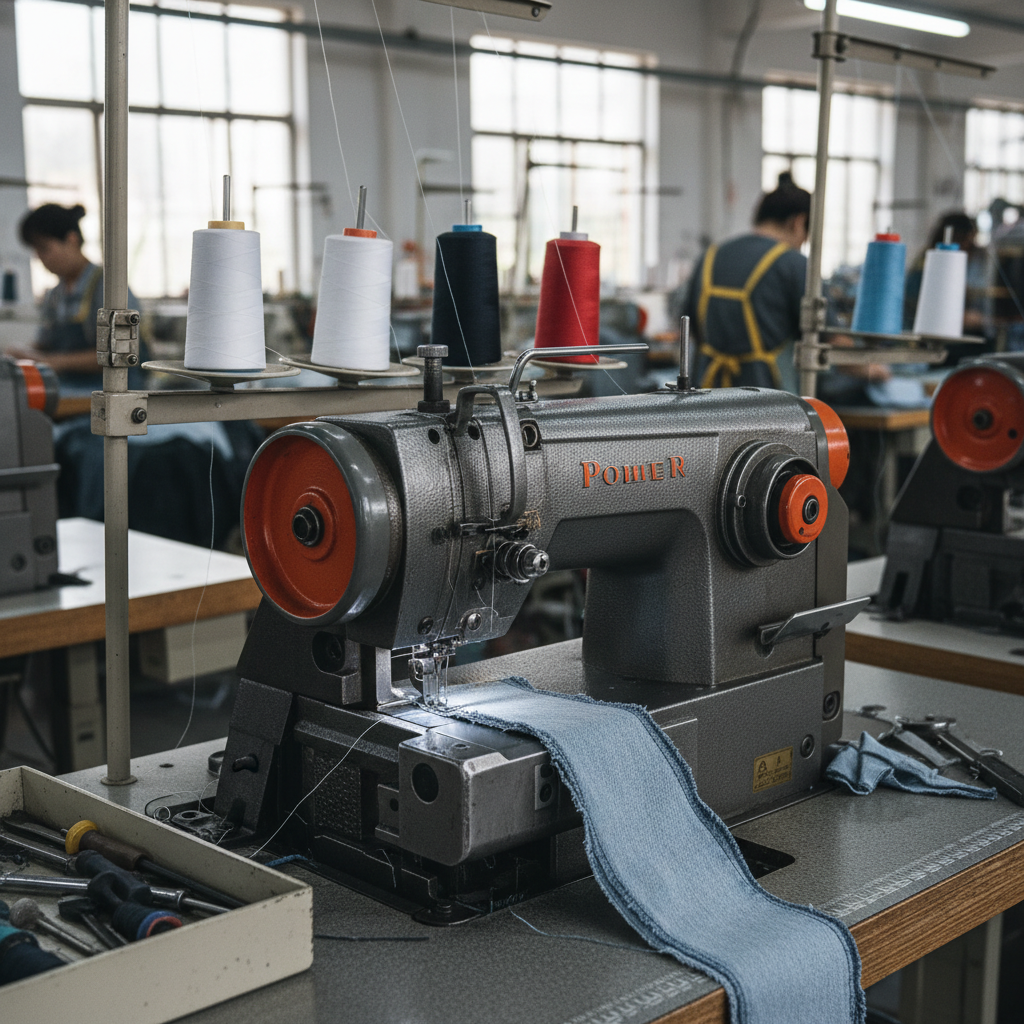
An overlock machine, also known as a serger, simultaneously sews, trims, and finishes the raw edges of fabric, preventing fraying and creating a professional finish. They are critical for a wide range of garment applications, from basic t-shirts to complex sportswear. These machines use loopers to create a chain stitch that’s both strong and flexible, making them ideal for stretch fabrics. Different types of overlock machines cater to specific needs, with varying numbers of threads, stitch types, and automation levels. Investing in a quality overlock sewing machine can significantly improve the efficiency and quality of your garment production.
Key Benefits: Prevents fabric fraying, creates professional finishes, improves garment durability, and speeds up production.
Types of Garments Overlock Machines
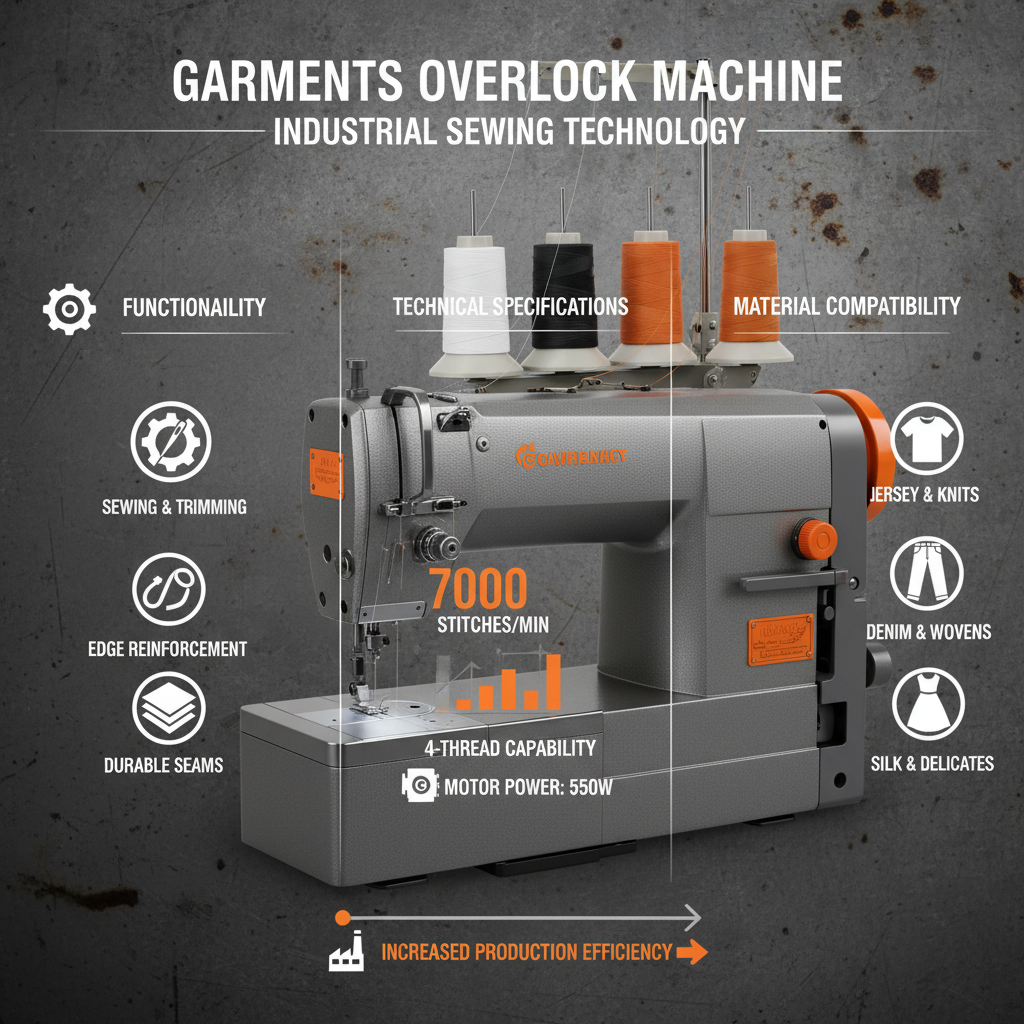
Several types of garments overlock machines are available, each designed for different applications. 3-thread overlocks are common for lightweight fabrics and finishing edges. 4-thread overlocks offer increased durability and are ideal for heavier materials. 5-thread overlocks provide a very secure and professional finish, often used for high-stress seams. Some machines also offer coverstitch functionality, which creates a decorative and functional finish on hems and necklines. Understanding these differences will help you choose the best machine for your specific production needs. Longsew provides a detailed comparison of these types to help you make an informed decision.
Overlock Machine Types:
• 3-Thread Overlock: Lightweight fabrics, basic edge finishing.
• 4-Thread Overlock: Durable seams, heavier materials.
• 5-Thread Overlock: Secure, professional finish, high-stress seams.
• Coverstitch Machines: Decorative and functional hems and necklines.
Key Features to Consider When Buying a Garments Overlock Machine
When selecting an overlock machine, consider factors such as stitch length and width adjustability, differential feed control, and the ability to handle different fabric types. Differential feed is crucial for preventing stretching or puckering of fabrics. Automatic thread tension is another valuable feature, ensuring consistent stitch quality. Look for machines with robust motors and durable construction to withstand heavy use. Longsew’s machines are known for their reliable performance and user-friendly features.
Longsew Overlock Machine Models: A Quick Comparison
Longsew offers a diverse range of overlock machines to meet various production demands. Here's a quick comparison of some popular models:
Conclusion: Investing in a Quality Overlock Machine
Choosing the right garments overlock machine is a crucial investment for any garment manufacturing business. By carefully considering your production needs, fabric types, and budget, you can select a machine that will enhance your efficiency, improve your product quality, and ultimately boost your profitability. Longsew provides a wide range of reliable and high-performance overlock machines to meet your specific requirements.
Frequently Asked Questions (FAQs)
What fabrics are best suited for overlock machines?
Overlock machines are versatile and can handle a wide range of fabrics, including woven, knit, and stretch materials. However, different fabrics may require different settings and needles. Lightweight fabrics like chiffon and silk require finer needles and lower thread tension, while heavier fabrics like denim and canvas require stronger needles and higher tension. It's always recommended to test the machine on a scrap piece of fabric before starting your project.
How often should I oil my overlock machine?
Regular oiling is crucial for maintaining the smooth operation of your overlock machine. Generally, you should oil your machine before each use, focusing on the areas identified in your machine's manual. This includes the loopers, needles, and any moving parts. Using the correct type of oil is also important – refer to your machine's manual for recommendations. Proper lubrication prevents friction and wear, extending the life of your machine.
What is differential feed, and why is it important?
Differential feed is a feature that allows you to adjust the speed at which the feed dogs move the fabric. This is particularly useful for handling stretch fabrics, preventing them from stretching or puckering during sewing. By increasing the differential feed, you can stretch the fabric as it's sewn, while decreasing it can gather the fabric. Mastering differential feed allows you to achieve professional-looking results on a variety of fabrics.
Where can I find spare parts for my Longsew overlock machine?
Longsew provides a comprehensive range of spare parts for all its overlock machine models. You can find these parts on the Longsew website or by contacting their customer support team. Ensure you have your machine's model number handy when ordering to ensure you receive the correct parts.
Latest news
-
Industrial Bag Sewing Machine Price and Comprehensive Buying GuideNewsApr.16,2026
-
Industrial Hand Held Bag Closer for Efficient Packaging SealingNewsApr.16,2026
-
Industrial Hand Held Bag Closer Sewing Machine for PackagingNewsApr.16,2026
-
Efficient Industrial Bag Closer Sewing Machine for PackagingNewsApr.16,2026
-
Industrial Sewing Guide for Choosing the Right Closer MachineNewsApr.16,2026
-
Guide to Capital Bag Closer Machine Price and Buying FactorsNewsApr.16,2026
-
Say goodbye to inefficient cutting! This heavy-duty webbing hot cutting machine redefines the new standard for industrial cuttingNewsApr.14,2026

Hebei LongSew Machinery Technology Co. Ltd is beginning as sewing machine parts supplier, now Longsew have over twenty years experience in complete set sewing machine offering.


CLASSIFICATION
CONTACT US
-

No.368 North Youyi Street, Shijiazhuang City, Hebei Province, China
-

-

Copyright © 2026 HEBEI LONGSEW MACHINERY TECHNOLOGY CO. LTD All Rights Reserved. Sitemap | Privacy Policy | Top Blog | Global Service