

Mar . 09, 2026 01:55
Back to list
Unlock Professional Seams with a Coverstitch Serger Machine for Your Business
Understanding the Power of a Coverstitch Serger Machine for Your Business
In the dynamic world of garment manufacturing and textile production, efficiency and quality are paramount. A coverstitch serger machine is a vital tool that elevates both. It’s not just about sewing; it’s about creating durable, professional-looking seams that enhance the value and appeal of your products. This article will explore the benefits, applications, and key features of coverstitch serger machines, helping you understand why it's a worthwhile investment for your business. We’ll delve into what sets these machines apart and how they can streamline your production process.
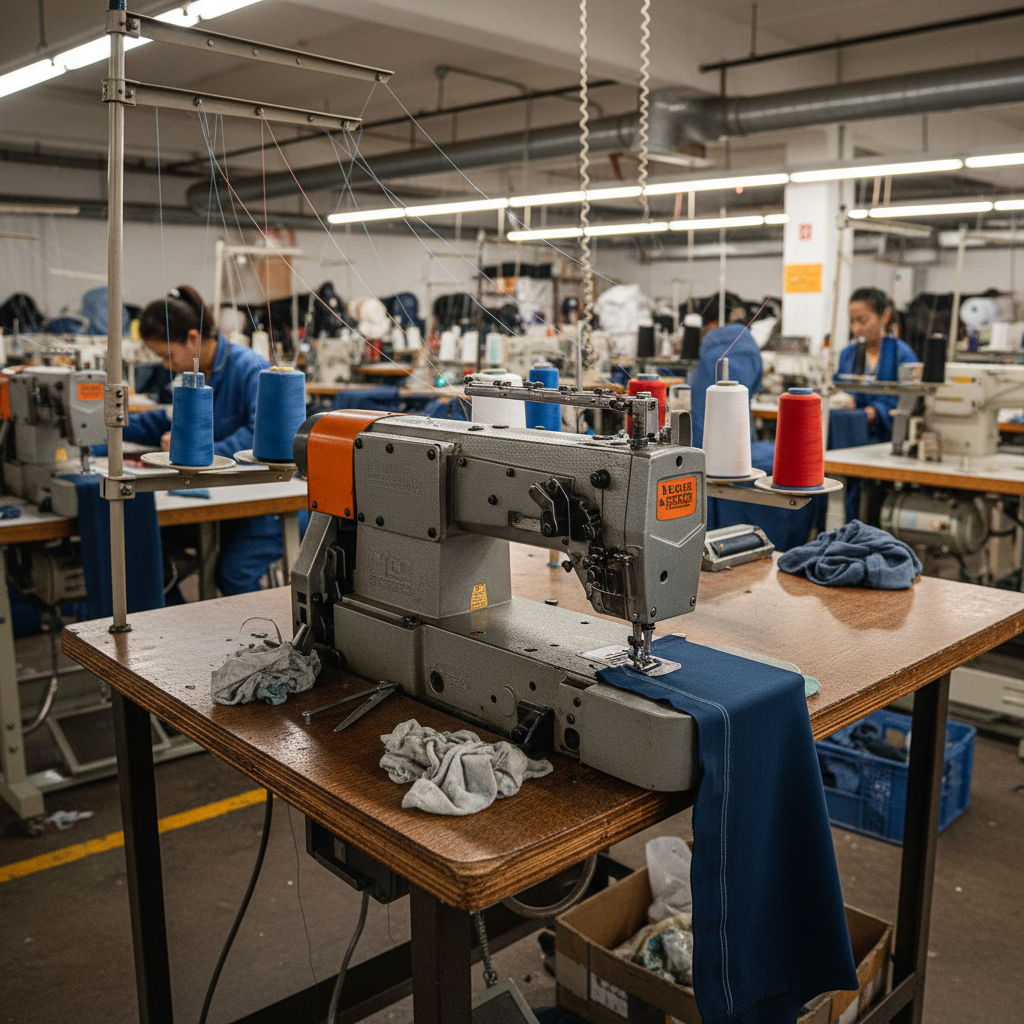
What is a Coverstitch Serger Machine?
A coverstitch serger machine creates a professional-looking stitch on the right side of the fabric, while looping the thread around the edge to create a clean, finished seam. Unlike a standard serger which trims and overlocks the edge simultaneously, a coverstitch machine focuses on creating a durable and aesthetically pleasing seam. This makes it ideal for applications where the seam is visible and needs to be robust. Longsew offers a range of coverstitch machines designed to meet diverse production needs. These machines are built to withstand heavy use and deliver consistent, high-quality results.
Key Takeaway: Coverstitch machines excel at creating professional, durable seams that are visible and require a high level of quality.
Applications of Coverstitch Serger Machines
The versatility of a coverstitch machine allows for a wide range of applications. It is extensively used in the apparel industry for finishing hems on t-shirts, activewear, and other garments. It’s also perfect for reinforcing seams on sportswear, creating decorative stitching, and adding a professional touch to knitted fabrics. Beyond apparel, coverstitch machines are utilized in creating automotive upholstery, home textiles, and even luggage. The ability to create a clean, strong, and flexible seam makes it invaluable across various sectors.
Common Applications:
• T-shirt hems and cuffs
• Activewear and sportswear seams
• Decorative stitching on knit fabrics
• Automotive upholstery
Coverstitch vs. Serger: Key Differences
While both coverstitch and serger machines are valuable in textile production, they serve distinct purposes. A serger overlocks the edge of the fabric, preventing fraying and creating a neat finish. A coverstitch serger machine, on the other hand, focuses on creating a defined, decorative stitch on the visible side, with looping on the underside. Essentially, a serger is about functionality, while a coverstitch is about aesthetic appeal and enhanced durability.
Choosing the Right Coverstitch Serger Machine: Key Considerations
Selecting the right coverstitch machine requires careful consideration of your production needs. Factors like the types of fabrics you work with, the volume of production, and the required stitch patterns all play a role. Look for machines with adjustable stitch length and width, as well as features like automatic thread trimming and differential feed. Longsew's range includes machines with varying capabilities, allowing you to find the perfect fit for your operation. Investing in a high-quality machine will ensure longevity and consistent performance.
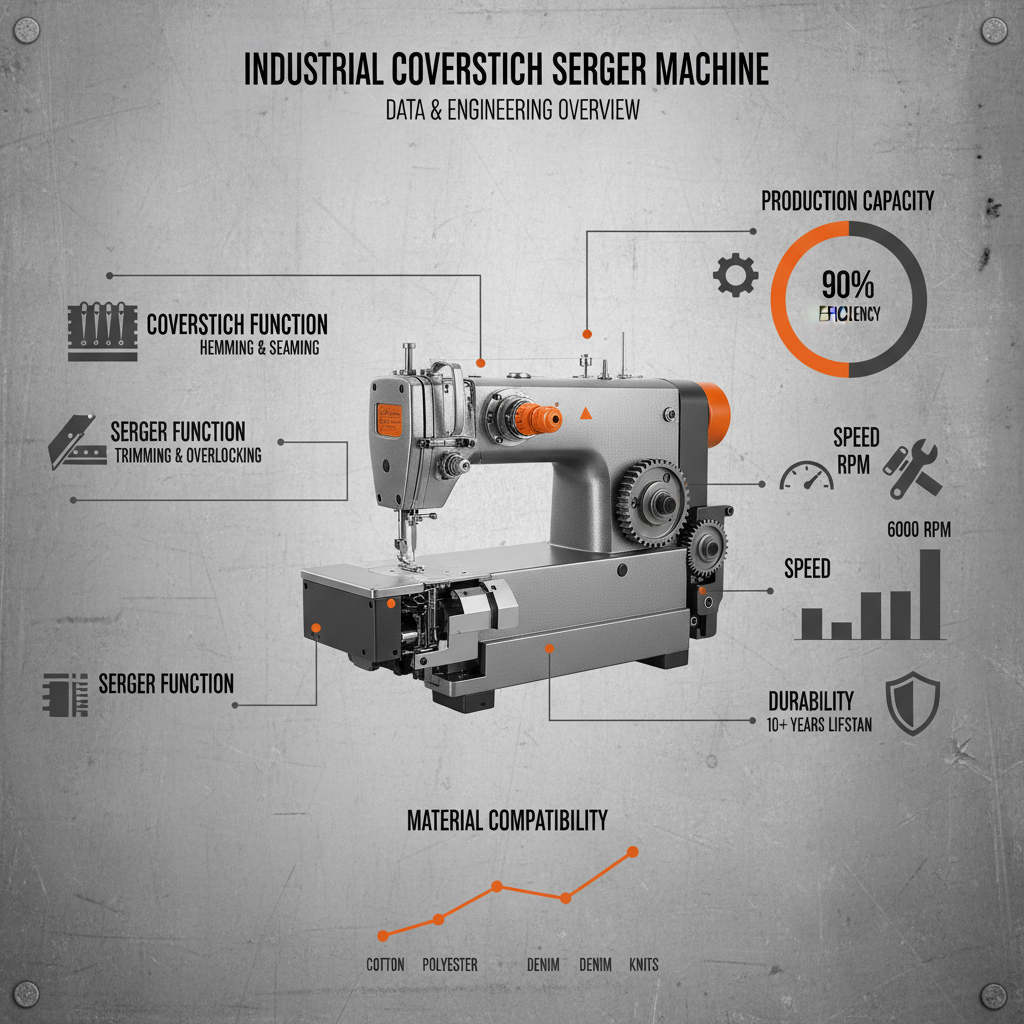
Longsew Coverstitch Machines: A Reliable Partner
At Longsew, we understand the importance of reliable and efficient machinery. Our coverstitch serger machines are engineered for precision, durability, and ease of use. We offer a comprehensive range of models to suit various applications and budgets. From industrial-grade machines for high-volume production to more compact models for smaller workshops, we have a solution for you. We are committed to providing exceptional customer support and ensuring you get the most out of your investment.
Conclusion: Enhance Your Production with a Coverstitch Machine
Investing in a coverstitch serger machine is a strategic move for any garment manufacturing or textile business. The ability to create professional-quality seams enhances product value and ensures customer satisfaction. With Longsew's reliable and versatile machines, you can streamline your production process and achieve superior results. Don't settle for less – choose Longsew for your coverstitch needs.
Frequently Asked Questions (FAQs)
What type of fabric is best suited for a coverstitch machine?
Coverstitch machines excel with knit fabrics such as jersey, rib knit, and fleece due to their ability to create a stretchable and durable seam. However, they can also be used effectively on woven fabrics, especially lightweight materials. The key is to select the appropriate needle and thread settings for the fabric type. Using the correct settings will prevent puckering or damage to the fabric during the stitching process. Longsew machines are designed to accommodate a wide range of fabrics with adjustable settings.
How often should a coverstitch machine be serviced?
Regular maintenance is crucial for optimal performance. We recommend a professional service at least once a year, or more frequently if the machine is used heavily. This includes cleaning, lubrication, and inspection of key components. Daily maintenance, such as removing lint and debris, is also important. Proper care will extend the life of your machine and ensure consistent stitch quality.
Can a coverstitch machine be used for hemming only?
Yes, a coverstitch machine is highly effective for hemming knit fabrics. It creates a professional, clean hem that stretches with the fabric. The coverstitch provides a durable and attractive finish, making it a popular choice for t-shirts, leggings, and other garments. Adjusting the stitch length and width allows you to customize the hem to your desired look.
What is the difference between a 3, 4, and 5 thread coverstitch machine?
The number of threads refers to the stitch complexity and coverage. A 3-thread coverstitch is the most basic, suitable for lightweight fabrics. A 4-thread coverstitch provides more durability and is common for heavier fabrics and chain stitching. A 5-thread coverstitch offers the widest and most secure coverage, often used for athletic wear and demanding applications. Choosing the right thread count depends on the fabric weight and desired stitch appearance.
Latest news
-
Industrial Bag Sewing Machine Price and Comprehensive Buying GuideNewsApr.16,2026
-
Industrial Hand Held Bag Closer for Efficient Packaging SealingNewsApr.16,2026
-
Industrial Hand Held Bag Closer Sewing Machine for PackagingNewsApr.16,2026
-
Efficient Industrial Bag Closer Sewing Machine for PackagingNewsApr.16,2026
-
Industrial Sewing Guide for Choosing the Right Closer MachineNewsApr.16,2026
-
Guide to Capital Bag Closer Machine Price and Buying FactorsNewsApr.16,2026
-
Say goodbye to inefficient cutting! This heavy-duty webbing hot cutting machine redefines the new standard for industrial cuttingNewsApr.14,2026

Hebei LongSew Machinery Technology Co. Ltd is beginning as sewing machine parts supplier, now Longsew have over twenty years experience in complete set sewing machine offering.


CLASSIFICATION
CONTACT US
-

No.368 North Youyi Street, Shijiazhuang City, Hebei Province, China
-

-

Copyright © 2026 HEBEI LONGSEW MACHINERY TECHNOLOGY CO. LTD All Rights Reserved. Sitemap | Privacy Policy | Top Blog | Global Service