

Mar . 07, 2026 01:55
Back to list
The 747 Overlock Machine A Comprehensive Guide for Apparel Manufacturing
The 747 Overlock Machine: A Comprehensive Guide for Global Apparel Manufacturing
The 747 overlock machine is a cornerstone of modern apparel production, valued for its speed, reliability, and the quality of seams it produces. This article provides an in-depth look at this vital piece of machinery, covering its features, benefits, applications in international trade, and how to choose the right model for your business. Understanding the nuances of the 747 is crucial for companies involved in garment manufacturing and export, ensuring efficient operations and high-quality finished products. Longsew offers a range of 747 models tailored to diverse needs.
Key Features and Benefits of the 747 Overlock Machine
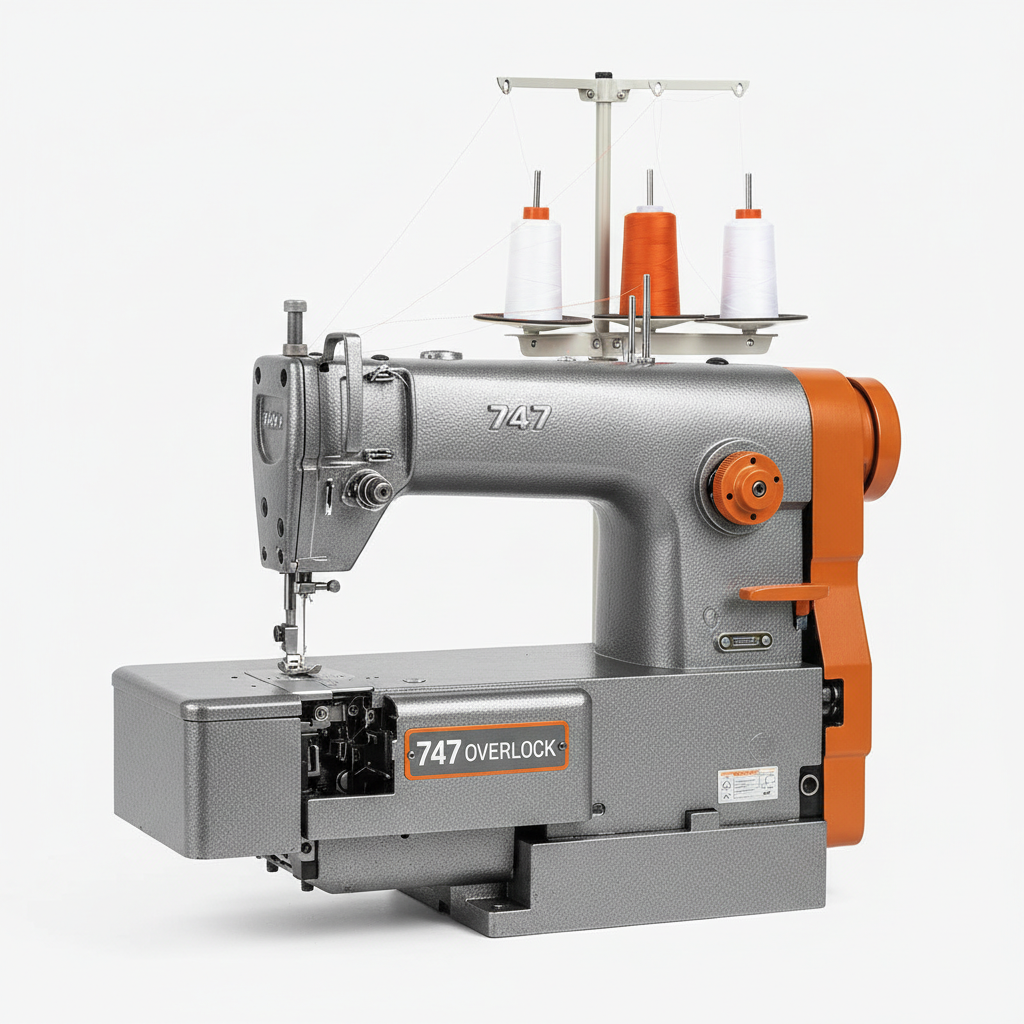
The 747 overlock machine, also known as a serger, is designed for efficiently finishing fabric edges, preventing unraveling, and creating professional-looking seams. Key features include adjustable stitch length and width, differential feed for preventing puckering on stretch fabrics, and a robust construction built for high-volume production. These machines are prized for their ability to trim, seam, and overlock in a single pass, significantly reducing production time. The benefits extend to improved seam strength, enhanced garment aesthetics, and lower labor costs. Investing in a quality 747 overlock machine, like those from Longsew, translates directly into increased profitability.
Key Highlights: Adjustable stitch length and width, differential feed, robust construction for high-volume production, trims, seams, and overlocks in a single pass.
747 Overlock Machine Applications in Cross-Border Trade
The 747 overlock machine plays a critical role in the global apparel supply chain. Countries specializing in garment manufacturing rely heavily on these machines to produce clothing for export. Efficient overlocking is essential for meeting the stringent quality standards demanded by international brands. The ability to handle a wide range of fabrics, from lightweight knits to heavy denim, makes the 747 versatile enough to cater to diverse customer needs. Companies involved in import and export of apparel need reliable overlock machines to maintain their competitive edge.
Benefits for International Trade:
• Enables efficient production for export markets
• Ensures compliance with international quality standards
• Supports handling of diverse fabric types
• Reduces production costs and lead times
747 Overlock Machine: Model Comparison
Different 747 overlock machine models offer varying features and capabilities. The choice depends on the specific needs of your production facility. Here's a comparison of some popular models:
Choosing the Right 747 Overlock Machine: Factors to Consider
Selecting the right 747 overlock machine requires careful consideration of several factors. The types of fabrics you will be processing are paramount. Heavier fabrics require machines with more power and durability. Production volume is another key consideration; high-volume facilities will benefit from industrial-grade models. Budget is also important, but investing in a reliable machine from a reputable manufacturer like Longsew will ultimately save you money in the long run by reducing downtime and maintenance costs.
Conclusion: Optimizing Your Production with a Quality 747 Overlock Machine
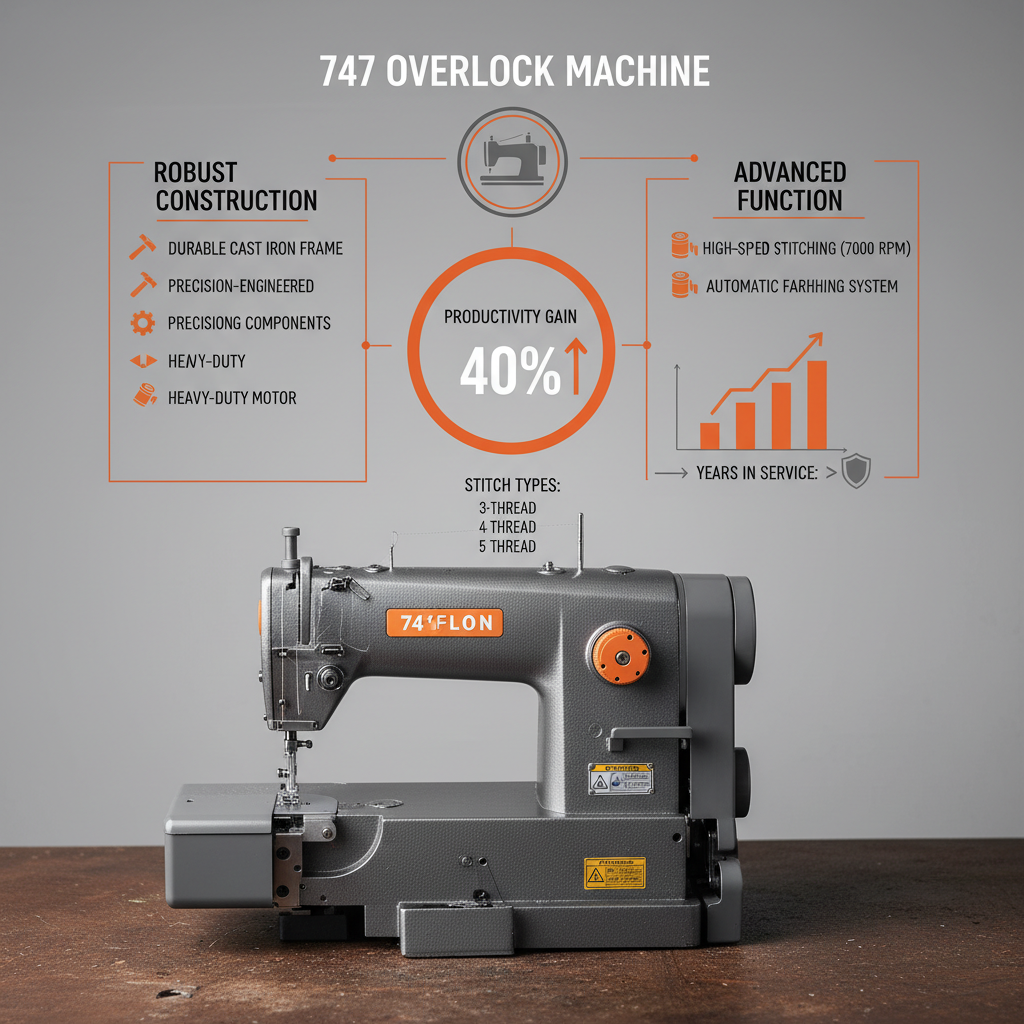
Investing in a robust and reliable 747 overlock machine is essential for apparel manufacturers aiming to thrive in the competitive global market. Longsew provides a wide selection of 747 models designed to meet diverse production needs, backed by superior quality and customer support.
Frequently Asked Questions (FAQs)
What type of maintenance does a 747 overlock machine require?
Regular maintenance is crucial for ensuring the longevity and performance of your 747 overlock machine. This includes daily oiling of all moving parts, cleaning lint and debris from the machine, and replacing needles and blades as needed. Periodic inspections for wear and tear on key components are also recommended. Refer to the manufacturer's manual for specific maintenance guidelines. Ignoring maintenance can lead to breakdowns, reduced stitch quality, and ultimately, costly repairs. Longsew offers comprehensive maintenance services and support.
How do I troubleshoot common stitching issues on a 747 overlock machine?
Common stitching issues, such as skipped stitches, uneven seams, or fabric puckering, can often be resolved with simple troubleshooting steps. Check the needle, thread tension, and presser foot pressure. Ensure the correct needle and thread are being used for the fabric type. Clean the machine to remove any lint buildup. If the issue persists, consult the machine's manual or contact a qualified technician. Proper troubleshooting can minimize downtime and maintain production efficiency.
What is the typical power requirement for a 747 overlock machine?
The power requirement for a 747 overlock machine typically ranges from 400W to 800W, depending on the model and its capabilities. Most machines operate on standard industrial voltage (e.g., 220V or 380V). It's crucial to ensure your facility’s electrical system is compatible with the machine’s specifications to avoid damage or safety hazards. Check the machine’s label or consult the manufacturer’s documentation for precise power requirements.
Latest news
-
Industrial Bag Sewing Machine Price and Comprehensive Buying GuideNewsApr.16,2026
-
Industrial Hand Held Bag Closer for Efficient Packaging SealingNewsApr.16,2026
-
Industrial Hand Held Bag Closer Sewing Machine for PackagingNewsApr.16,2026
-
Efficient Industrial Bag Closer Sewing Machine for PackagingNewsApr.16,2026
-
Industrial Sewing Guide for Choosing the Right Closer MachineNewsApr.16,2026
-
Guide to Capital Bag Closer Machine Price and Buying FactorsNewsApr.16,2026
-
Say goodbye to inefficient cutting! This heavy-duty webbing hot cutting machine redefines the new standard for industrial cuttingNewsApr.14,2026

Hebei LongSew Machinery Technology Co. Ltd is beginning as sewing machine parts supplier, now Longsew have over twenty years experience in complete set sewing machine offering.


CLASSIFICATION
CONTACT US
-

No.368 North Youyi Street, Shijiazhuang City, Hebei Province, China
-

-

Copyright © 2026 HEBEI LONGSEW MACHINERY TECHNOLOGY CO. LTD All Rights Reserved. Sitemap | Privacy Policy | Top Blog | Global Service