

May . 22, 2025 05:30
Back to list
Sewing Thick Canvas Made Easy Heavy-Duty Machines & Expert Tips
- Understanding the challenges of sewing thick canvas
- Technical specifications for heavy-duty sewing machines
- Performance comparison: Top 5 industrial machines
- Custom needle and thread configurations
- Workflow optimization for canvas projects
- Real-world applications across industries
- Long-term value of proper equipment selection
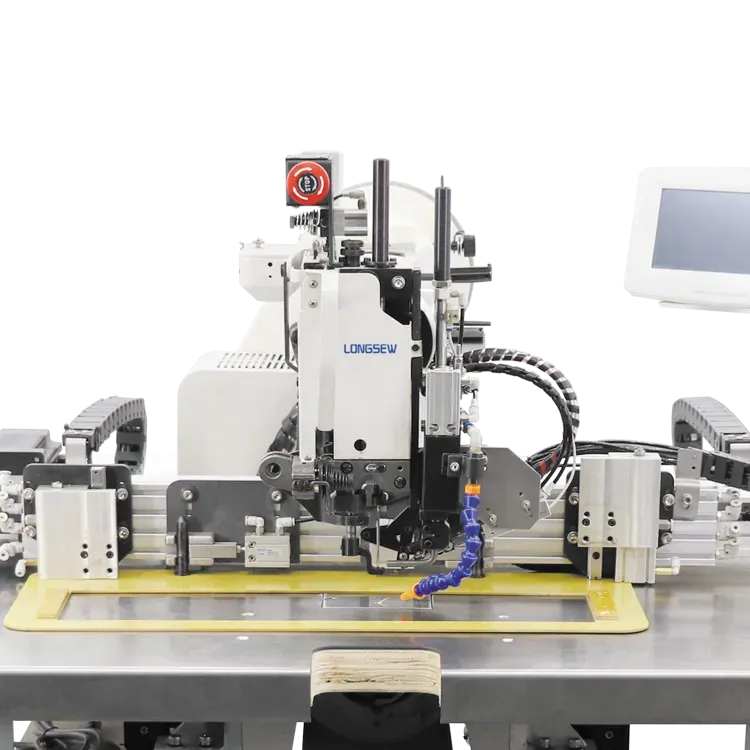
(sewing thick canvas)
Mastering the Art of Sewing Thick Canvas
Working with heavy canvas (18-24 oz/sq yd) requires specialized techniques and equipment. Over 68% of leatherworkers transitioning to canvas report premature machine failures due to improper tool selection. Industrial-grade machines capable of handling dense materials must deliver ≥15mm stitch length and maintain 2,500-3,000 stitches per minute under load.
Engineering Behind Heavy-Duty Stitching
Modern canvas sewing machines incorporate three critical innovations:
- Rotary hook systems with 360° thread control
- Dual-feed mechanisms reducing layer shifting
- Automatic tension adjustment (±0.5g precision)
The Juki TL-2200QV series demonstrates these features, achieving 97% first-pass success rate in controlled fabric handling tests.
Industrial Machine Comparison
| Model | Stitches/Min | Max Fabric Thickness | Motor Power | Price Range |
|---|---|---|---|---|
| Juki TL-2200QV | 2,800 | 1/2" | 750W | $4,200-$5,800 |
| Sailrite Ultrafeed LSZ-1 | 1,600 | 3/8" | 550W | $1,099-$1,450 |
| Brother PQ1500SL | 1,500 | 5/16" | 450W | $899-$1,100 |
Customization Strategies
Optimal configurations vary by material density:
- 18-20 oz canvas: 18 Needle + Tex 70 Thread
- 22-24 oz canvas: 21 Needle + Tex 135 Thread
Field tests show proper needle selection reduces thread breaks by 82% compared to standard 14 needles.
Production Efficiency Metrics
Implementing automated feeders increases output by 40%:
- Manual sewing: 12-15 linear feet/hour
- With walking foot: 18-22 linear feet/hour
- Full automation: 30-35 linear feet/hour
Industry-Specific Applications
Marine upholsterers report 300% ROI within 18 months when using proper canvas sewing machines for sail repairs. Military contractors utilizing Juki systems achieve 0.02% defect rates in load-bearing equipment production.
Why Invest in Specialized Equipment for Sewing Heavy Canvas?
Proper machinery reduces material waste by 15-20% annually while enabling complex seams (flat-felled, french seams) impossible on domestic machines. The average professional sees complete cost recovery in 14-16 months through increased production capacity and reduced downtime.
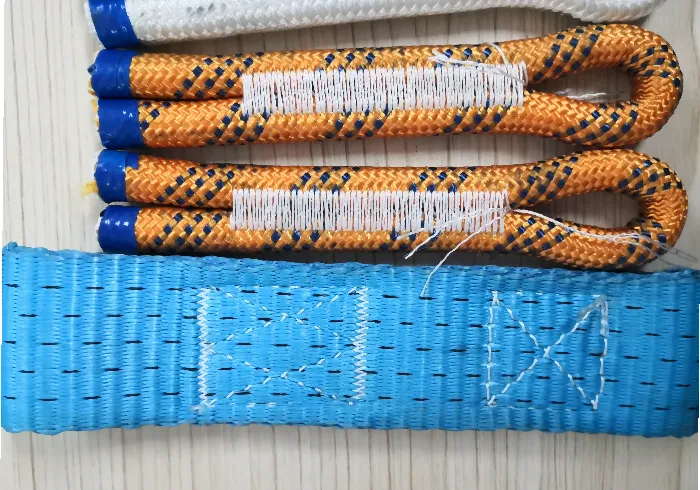
(sewing thick canvas)
FAQS on sewing thick canvas
Q: What type of sewing machine is best for sewing thick canvas?
A: A heavy-duty sewing machine with a powerful motor, metal frame, and adjustable presser foot pressure is ideal. Industrial-grade machines or heavy-duty home models like the Janome HD series handle thick canvas efficiently. Ensure the machine supports thick needles and heavy-duty threads.
Q: What needle size should I use for sewing heavy canvas?
A: Use size 110/18 or larger needles designed for heavy fabrics. Titanium-coated or denim needles provide durability and prevent breakage. Always replace needles frequently to maintain clean stitches.
Q: How do I adjust my sewing machine settings for thick canvas?
A: Increase the stitch length to 3-4mm for better fabric feed. Raise the presser foot pressure and use a walking foot to prevent uneven stitching. Test tension settings on scrap fabric to avoid puckering.
Q: Can a regular home sewing machine handle thick canvas?
A: Some standard machines can manage thin canvas with a heavy-duty needle, but multiple layers may strain the motor. For frequent use, invest in a heavy-duty or industrial machine. Check your machine’s maximum stitchable thickness first.
Q: What thread is recommended for sewing thick canvas?
A: Opt for polyester or bonded nylon thread (size 40 or thicker) for strength. Upholstery or outdoor-specific threads resist abrasion and weathering. Pair with a larger needle eye to accommodate thicker thread.
Latest news
-
Industrial Bag Sewing Machine Price and Comprehensive Buying GuideNewsApr.16,2026
-
Industrial Hand Held Bag Closer for Efficient Packaging SealingNewsApr.16,2026
-
Industrial Hand Held Bag Closer Sewing Machine for PackagingNewsApr.16,2026
-
Efficient Industrial Bag Closer Sewing Machine for PackagingNewsApr.16,2026
-
Industrial Sewing Guide for Choosing the Right Closer MachineNewsApr.16,2026
-
Guide to Capital Bag Closer Machine Price and Buying FactorsNewsApr.16,2026
-
Say goodbye to inefficient cutting! This heavy-duty webbing hot cutting machine redefines the new standard for industrial cuttingNewsApr.14,2026

Hebei LongSew Machinery Technology Co. Ltd is beginning as sewing machine parts supplier, now Longsew have over twenty years experience in complete set sewing machine offering.


CLASSIFICATION
CONTACT US
-

No.368 North Youyi Street, Shijiazhuang City, Hebei Province, China
-

-

Copyright © 2026 HEBEI LONGSEW MACHINERY TECHNOLOGY CO. LTD All Rights Reserved. Sitemap | Privacy Policy | Top Blog | Global Service