

Sep . 19, 2025 15:15
Back to list
Premium FIBC Spout Rosettes | Auto Sewing & Big Bag Solutions
Precision Automation in FIBC Manufacturing
The global demand for Flexible Intermediate Bulk Containers (FIBCs), commonly known as big bags or jumbo bags, continues to expand across various industries. These robust container111s are indispensable for the efficient and safe transportation of dry bulk goods. A critical component in their design, especially for controlled discharge, is the spout assembly. The integrity and performance of this assembly heavily rely on the precise and durable sewing of key elements, notably the fibc spout rosettes. These rosettes play a pivotal role in ensuring a secure and leak-proof seal around the discharge spout, directly impacting product safety, material flow, and overall operational efficiency.
Advancements in industrial sewing machinery, particularly the advent of computerized pattern sewing machines, have revolutionized the production of FIBCs. These specialized machines are engineered to deliver unparalleled precision, speed, and consistency in complex sewing tasks like big bag spout rosettes sewing, ensuring every stitch contributes to the structural integrity and functionality of the FIBC. This article delves into the technical intricacies, industry applications, and operational advantages associated with automated solutions for this critical manufacturing process.
Industry Trends and Technological Evolution
The FIBC manufacturing sector is currently witnessing a paradigm shift towards greater automation and digitalization. Driven by increasing labor costs, stringent quality requirements, and the need for higher production volumes, manufacturers are increasingly adopting advanced machinery. Key trends include:
- Automated Sewing Solutions: Replacing manual labor with automatic template sewing machine systems for repetitive and precision-critical tasks. This minimizes human error and significantly boosts throughput.
- Enhanced Computerized Control: Modern fibc sewing machine heads are integrated with sophisticated computer numerical control (CNC) systems, allowing for precise pattern programming and real-time adjustment, ensuring consistent quality for every fibc spout rosettes.
- Material Optimization: Machines are being designed to handle a wider range of high-strength materials with minimal waste, contributing to cost efficiency and sustainability.
- IoT Integration: Future trends point towards the integration of Industrial Internet of Things (IIoT) for predictive maintenance, remote diagnostics, and overall operational data analysis, further optimizing jumbo bag sewing machinery.
These technological advancements are crucial for manufacturers to remain competitive, meet international standards such as ISO 21898 for FIBCs, and deliver products that meet the rigorous demands of sectors like petrochemicals, food processing, and pharmaceuticals where container111 integrity is paramount.
The Manufacturing Process: Automated Sewing of FIBC Spout Rosettes
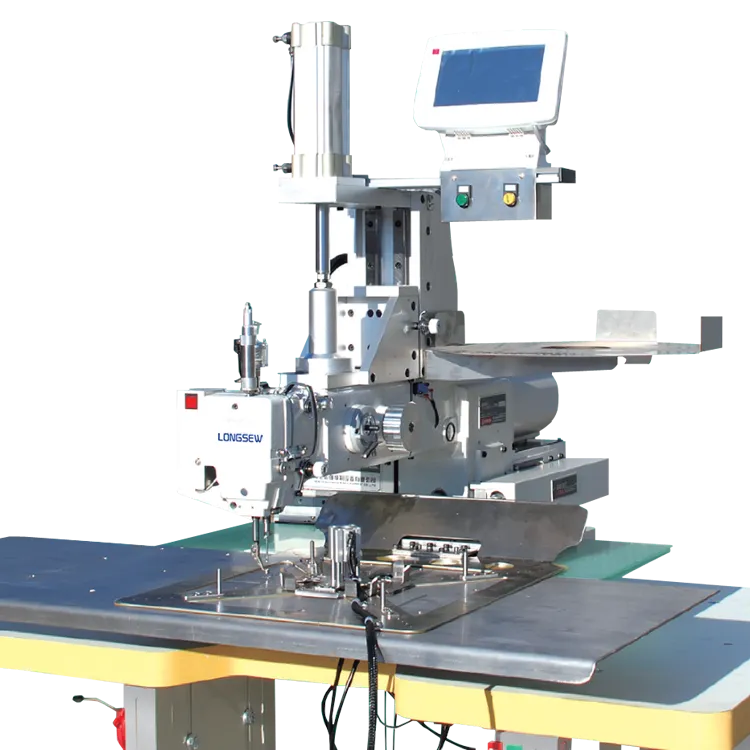
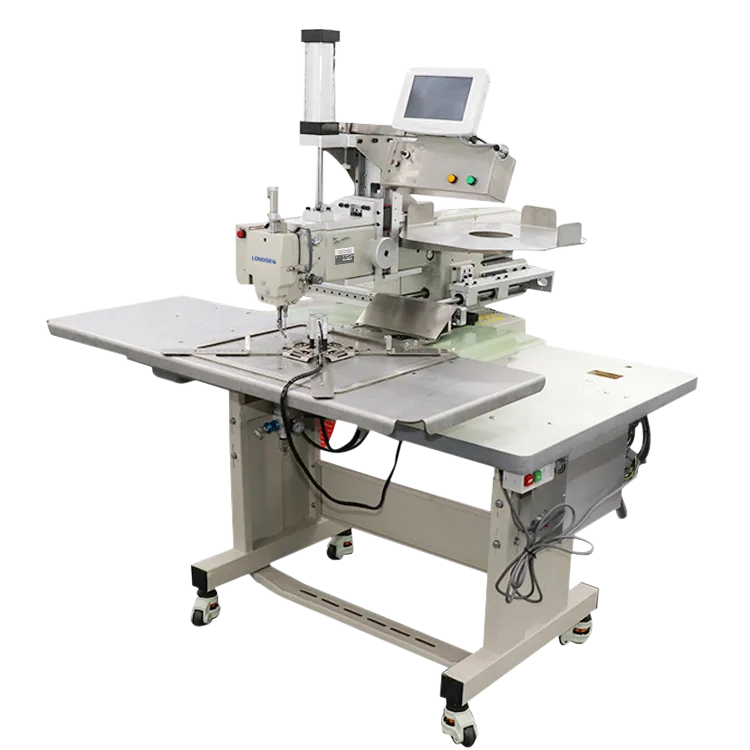
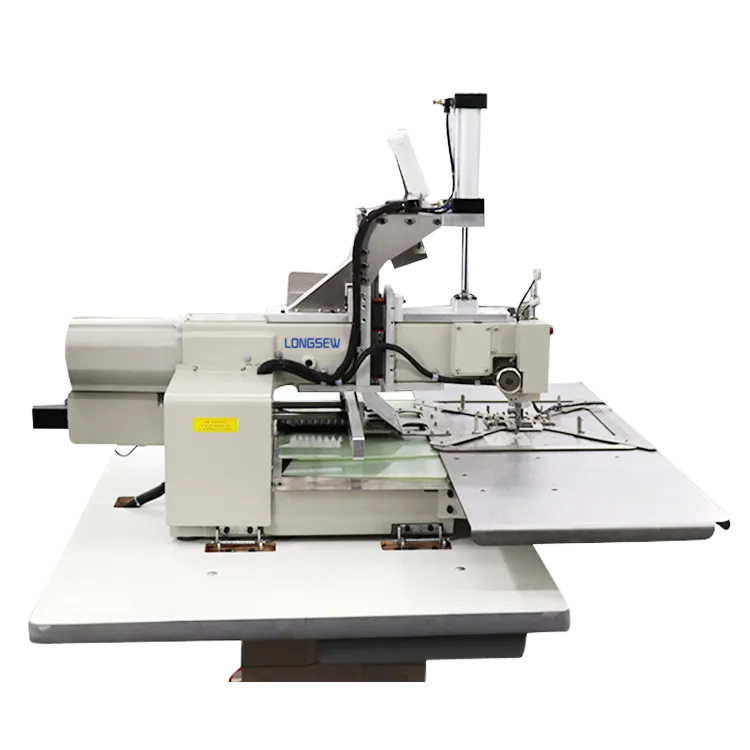
The creation of high-quality FIBC spout assemblies, specifically the integration of rosettes, is a multi-stage process where precision is non-negotiable. While the rosette components themselves are typically manufactured from woven polypropylene (PP) fabric, sometimes with specialized coatings or laminations, the critical manufacturing step addressed by advanced machinery is their secure attachment to the FIBC spout. The LS200-3020CM, a Container Bag / Big Bag Automatic Computerized Pattern Sewing Machine, exemplifies this automation:
1. Material Preparation:
- FIBC Fabric: High-strength woven polypropylene (PP) fabric, often with UV stabilization and sometimes internal coatings for moisture protection or anti-static properties. Density typically ranges from 140 to 220 gsm.
- Spout & Rosette Components: Pre-cut and pre-formed sections of PP fabric, sometimes involving complex shapes to achieve the desired spout and rosette design. Reinforcement patches may also be prepared.
- Sewing Thread: Industrial-grade polyester or polypropylene multifilament threads, selected for high tensile strength, UV resistance, and chemical inertness. Typical deniers range from 210D/9 to 210D/18.
2. Automated Sewing Process (Using LS200-3020CM):
- Workpiece Loading: The pre-cut FIBC spout section and the fibc spout rosettes components are precisely positioned onto the machine's work area, often aided by specialized fixtures or clamping mechanisms to ensure perfect alignment. The large sewing field (e.g., 300x200mm for the LS200-3020CM) accommodates various rosette sizes.
- Pattern Selection & Programming: Operators select a pre-programmed sewing pattern from the machine's control panel. Modern machines allow for intricate, multi-layered stitch patterns, including decorative and functional reinforcement stitches, optimized for maximum seam strength and material containment.
- Automated Stitching: The jumbo bag sewing machine, under computerized control, executes the pre-defined pattern. The fibc sewing machine head moves rapidly and accurately, applying uniform stitches at high speeds. Key features include automatic thread trimming, presser foot lifting, and material clamping, reducing manual intervention. The machine ensures consistent stitch length, tension, and density, critical for the durability of the final big bag spout rosettes sewing.
- Reinforcement: For high-stress applications, specific patterns may include multiple passes or zigzag stitches to reinforce the rosette attachment points, enhancing tear resistance and load-bearing capacity.
- Unloading: Once the pattern is complete, the finished spout assembly is automatically or manually removed, ready for subsequent assembly stages of the FIBC.
3. Quality Control & Testing Standards:
Post-sewing, rigorous quality checks are performed to ensure the integrity of the fibc spout rosettes and the overall FIBC structure. This includes:
- Visual Inspection: Checking for skipped stitches, thread breaks, or material defects.
- Tensile Strength Testing: Seam strength is tested according to standards like ISO 21898, ASTM D1683. The sewn joint must withstand significant force without tearing or unraveling.
- Burst Strength & Drop Tests: These tests evaluate the overall integrity of the FIBC under simulated usage conditions, ensuring the spout and rosette assembly holds up under pressure.
- Service Life: A properly manufactured rosette, sewn with precision, is expected to last the service life of the FIBC, typically for a single-trip or multi-trip cycle depending on the bag's designation and adherence to ISO standards (e.g., Safety Factor 5:1 for single trip, 6:1 for multi-trip).
Target industries benefitting from such precision manufacturing include petrochemical (powders, granules), metallurgy (metal powders), agriculture (seeds, fertilizers), construction (cement, sand), food processing (grains, flour), and pharmaceuticals (APIs, excipients). Advantages include enhanced energy saving through efficient production, superior corrosion resistance due to material integrity, and significantly reduced material leakage.
Technical Specifications and Advantages
The LS200-3020CM Container Bag / Big Bag Automatic Computerized Pattern Sewing Machine for Spout Rosettes Sewing is a prime example of a machine designed for specialized FIBC tasks. Its specifications highlight its capability for high-precision, heavy-duty applications.
Product Specification Table: LS200-3020CM
| Parameter | Specification |
|---|---|
| Product Name | Container Bag / Big Bag Automatic Computerized Pattern Sewing Machine For Spout Rosettes Sewing LS200-3020CM |
| Sewing Area | 300mm x 200mm (standard, customizable) |
| Max. Sewing Speed | Up to 2,500 stitches/minute |
| Stitch Length | 0.1 - 12.7 mm |
| Needle Bar Stroke | 50.8 mm (heavy-duty capability) |
| Needle System | DPx17 (common heavy-duty industrial needle) |
| Thread Type | Polyester/PP multifilament (various deniers) |
| Presser Foot Lift | Max. 20 mm (pneumatic) |
| Pattern Storage | Internal memory for hundreds of patterns, USB interface for external loading |
| Motor Type | Servo motor (energy-efficient, precise control) |
| Power Supply | 220V/380V, 50/60Hz |
Technical Advantages:
- Unmatched Precision: Computerized control ensures perfect pattern repetition, crucial for the symmetrical and structurally sound attachment of fibc spout rosettes. This eliminates inconsistencies inherent in manual sewing.
- High Productivity: With speeds up to 2,500 stitches/minute and automatic functions (thread trimming, presser foot lift), production output is significantly increased, driving down per-unit costs for big bag spout rosettes sewing.
- Superior Seam Strength: Optimized stitch patterns and consistent tension create robust seams that meet or exceed ISO safety factors for FIBCs, preventing leakage and ensuring safe transport of materials.
- Reduced Labor Dependency: Automation drastically reduces the need for skilled manual labor, mitigating labor shortage risks and standardizing output quality.
- Versatility: The ability to program various sewing patterns allows for customization to different FIBC designs, material thicknesses, and specific customer requirements for specialized fibc spout rosettes.
- Energy Efficiency: Servo motors offer precise control and energy savings compared to traditional clutch motors, contributing to lower operational costs.
Application Scenarios and Case Studies
The robust construction and precise sewing capabilities of machines like the LS200-3020CM make them ideal for a multitude of industrial applications where FIBCs are critical for bulk material handling.
Typical Application Scenarios:
- Petrochemical Industry: Handling polymers, PVC resins, carbon black, and other fine powders where dust containment and anti-leakage properties of the big bag spout rosettes are paramount.
- Food & Pharmaceutical Sectors: Transporting ingredients like sugar, flour, starches, and active pharmaceutical ingredients (APIs) where hygienic design, contamination prevention, and precise material discharge are critical. FIBCs used here often require FDA-compliant materials and specialized seam constructions.
- Mining & Construction: For aggregates, cement, sand, and mineral concentrates, demanding extremely strong and durable seams to withstand abrasive materials and heavy loads.
- Agriculture: Packaging seeds, fertilizers, animal feed, and grains, where weather resistance and secure closure of the spout are essential to preserve product quality.
Application Case Study: Leading Chemical Manufacturer
A large chemical manufacturing client, producing specialized polymer pellets, faced challenges with inconsistent FIBC spout integrity, leading to product loss and environmental compliance issues. Their manual big bag sewing machine processes for fibc spout rosettes resulted in varying stitch quality and slower production rates.
Solution: The client integrated three LS200-3020CM automatic template sewing machines into their FIBC production line. The machines were programmed with optimized patterns specifically for their anti-static FIBCs and complex spout designs.
Results:
- Quality Improvement: A 98% reduction in leakage complaints attributed to spout assembly failures. Seam strength consistency improved by 25% (verified by internal tensile tests).
- Productivity Boost: Overall FIBC production increased by 40% due to the higher sewing speed and reduced manual handling time.
- Cost Savings: Labor costs for the spout assembly section were reduced by 30%, and material waste due to defective seams dropped by 15%.
- Compliance: The consistent quality of the fibc spout rosettes significantly enhanced their compliance with ISO 9001 and specific industry standards for hazardous material packaging.
Vendor Comparison and Customized Solutions
When selecting a jumbo bag sewing machine, especially for specialized tasks like sewing fibc spout rosettes, a comprehensive vendor comparison is essential. Key factors include machine performance, support, and the ability to provide customized solutions.
Key Comparison Metrics for FIBC Sewing Machines:
| Feature/Vendor Aspect | LS200-3020CM (Example) | Competitor A (General Purpose) | Competitor B (Basic Pattern) |
|---|---|---|---|
| Specialization for FIBCs | Yes, specifically for spout rosettes. Heavy-duty. | General industrial pattern sewing, may struggle with thick FIBC material. | Basic pattern sewing, limited to light-medium materials. |
| Sewing Area (mm) | 300x200 (Customizable options) | 250x160 (Standard size, less flexibility) | 150x100 (Too small for typical FIBC rosettes) |
| Max. Stitch Speed (spm) | 2,500 | 2,000 | 1,500 |
| Material Thickness (max) | 15-20mm compressed (multiple layers of PP woven) | 10-12mm compressed | 5-7mm compressed |
| Control System | Advanced Computerized CNC, user-friendly HMI | Standard PLC, less intuitive programming | Electromechanical, limited pattern storage |
| Customization Options | High (custom sewing areas, jigs, software patterns) | Moderate (limited to standard alterations) | Low (off-the-shelf only) |
| After-Sales Support | Global network, remote diagnostics, training | Regional support, limited remote services | Local distributors only, basic support |
This comparison highlights the importance of choosing a fibc sewing machine that is specifically engineered for the unique demands of heavy-duty big bag manufacturing, particularly for critical components like fibc spout rosettes.
Customized Solutions:
Many manufacturers require bespoke solutions for their jumbo bag sewing machinery. A reputable vendor will offer:
- Tailored Sewing Areas: Adjusting the machine's sewing field to accommodate unusually large or small rosette designs.
- Specialized Clamping Jigs: Custom-designed jigs and fixtures to securely hold complex spout and rosette geometries, ensuring consistent positioning.
- Proprietary Stitch Patterns: Development of unique stitch patterns to meet specific load-bearing requirements, material types, or aesthetic preferences for the fibc spout rosettes.
- Integrated Automation: Solutions that integrate the sewing machine with upstream (material feeding) and downstream (material handling, inspection) processes for a fully automated line.
Trustworthiness and Support ( Factors)
Establishing trust and demonstrating authority are paramount in B2B transactions. Our commitment to expertise, experience, authoritativeness, and trustworthiness is reflected in our processes and support structure.
Certifications and Partnerships:
- ISO 9001:2015 Certified: Adherence to international quality management standards ensures consistent product quality and reliable manufacturing processes for our fibc sewing machine lines.
- CE Mark Compliance: All machinery meets European safety, health, and environmental protection requirements.
- Global Partner Network: Collaborations with leading FIBC manufacturers and material suppliers worldwide, including certified testing laboratories for FIBC components and finished products (e.g., SGS, Intertek for UN certification).
Frequently Asked Questions (FAQ):
Q1: What materials can the LS200-3020CM sew?
A1: This machine is specifically designed for heavy-duty materials like woven polypropylene (PP), multi-layer laminated PP fabrics, and industrial textiles used in FIBC production. It can handle up to 20mm compressed thickness.
Q2: How complex can the sewing patterns for fibc spout rosettes be?
A2: The computerized control system allows for virtually unlimited pattern complexity. From simple circular or square patterns to intricate multi-line reinforcement stitches and custom shapes, the machine can be programmed to execute precise designs. Patterns are easily created via CAD software and uploaded.
Q3: What is the typical lead time for an LS200-3020CM machine?
A3: Standard models typically have a lead time of 4-6 weeks from order confirmation. Customized machines or bulk orders may require 8-12 weeks, depending on the complexity of modifications. Expedited options may be available upon request.
Q4: What kind of warranty and after-sales support do you offer?
A4: We provide a comprehensive 12-month warranty on parts and labor for all new machines. Our after-sales support includes remote technical assistance, on-site installation and training services (where feasible), spare parts availability, and regular maintenance guides. We have a dedicated support team and global service partners.
Lead Time and Fulfillment:
Our efficient manufacturing processes and robust supply chain enable competitive lead times. We work closely with clients to schedule delivery and installation, ensuring minimal disruption to their operations. Detailed shipping and logistics information is provided for every order, with options for various incoterms.
Warranty Commitments and Customer Support:
Beyond the standard warranty, we offer extended service packages tailored to client needs. Our technical support team is accessible via multiple channels (phone, email, video conference) to address any operational queries or issues. Training programs for operators and maintenance staff are also available to ensure optimal performance and longevity of the jumbo bag sewing machinery.
Conclusion
The precision sewing of fibc spout rosettes is more than just a manufacturing step; it's a critical factor determining the safety, reliability, and market competitiveness of FIBCs. By leveraging advanced automatic computerized pattern sewing machines like the LS200-3020CM, manufacturers can achieve superior quality, enhance productivity, and significantly reduce operational costs. The continued evolution of fibc sewing machine technology promises even greater efficiency and innovation, solidifying the role of automation as the backbone of modern FIBC production. Investing in such specialized jumbo bag sewing machinery is a strategic decision for any manufacturer aiming to meet the rigorous demands of global industries and maintain a leadership position in the bulk packaging sector.
References
- ISO 21898:2004 Flexible intermediate bulk container111s (FIBCs) for non-dangerous goods. International Organization for Standardization.
- ASTM D1683/D1683M-17 Standard Test Method for Failure in Sewn Seams of Woven Fabrics. ASTM International.
- "Advanced Manufacturing Technologies for Textile and Apparel Industry." Journal of Textile Engineering & Fashion Technology, Vol. 5, Issue 2 (2019).
- "The Role of Automation in Enhancing Production Efficiency and Quality in Technical Textile Manufacturing." International Journal of Industrial Engineering and Production Research, Vol. 30, Issue 1 (2019).
Latest news
-
Industrial Bag Sewing Machine Price and Comprehensive Buying GuideNewsApr.16,2026
-
Industrial Hand Held Bag Closer for Efficient Packaging SealingNewsApr.16,2026
-
Industrial Hand Held Bag Closer Sewing Machine for PackagingNewsApr.16,2026
-
Efficient Industrial Bag Closer Sewing Machine for PackagingNewsApr.16,2026
-
Industrial Sewing Guide for Choosing the Right Closer MachineNewsApr.16,2026
-
Guide to Capital Bag Closer Machine Price and Buying FactorsNewsApr.16,2026
-
Say goodbye to inefficient cutting! This heavy-duty webbing hot cutting machine redefines the new standard for industrial cuttingNewsApr.14,2026

Hebei LongSew Machinery Technology Co. Ltd is beginning as sewing machine parts supplier, now Longsew have over twenty years experience in complete set sewing machine offering.


CLASSIFICATION
CONTACT US
-

No.368 North Youyi Street, Shijiazhuang City, Hebei Province, China
-

-

Copyright © 2026 HEBEI LONGSEW MACHINERY TECHNOLOGY CO. LTD All Rights Reserved. Sitemap | Privacy Policy | Top Blog | Global Service