

Feb . 24, 2026 10:52
Back to list
Mastering the Art of Sewing with the Double Zigzag Stitch A Comprehensive Guide
Mastering the Double Zigzag Stitch: A Comprehensive Guide
The double zigzag stitch is a versatile technique in sewing, offering a range of applications beyond simple seam finishing. This stitch is known for its flexibility and ability to create durable, decorative edges. Whether you're a beginner or an experienced seamstress, understanding the intricacies of the double zigzag stitch can significantly enhance your sewing projects. We'll explore its uses, optimal settings, troubleshooting tips, and why Longsew provides the superior machinery to master this technique.
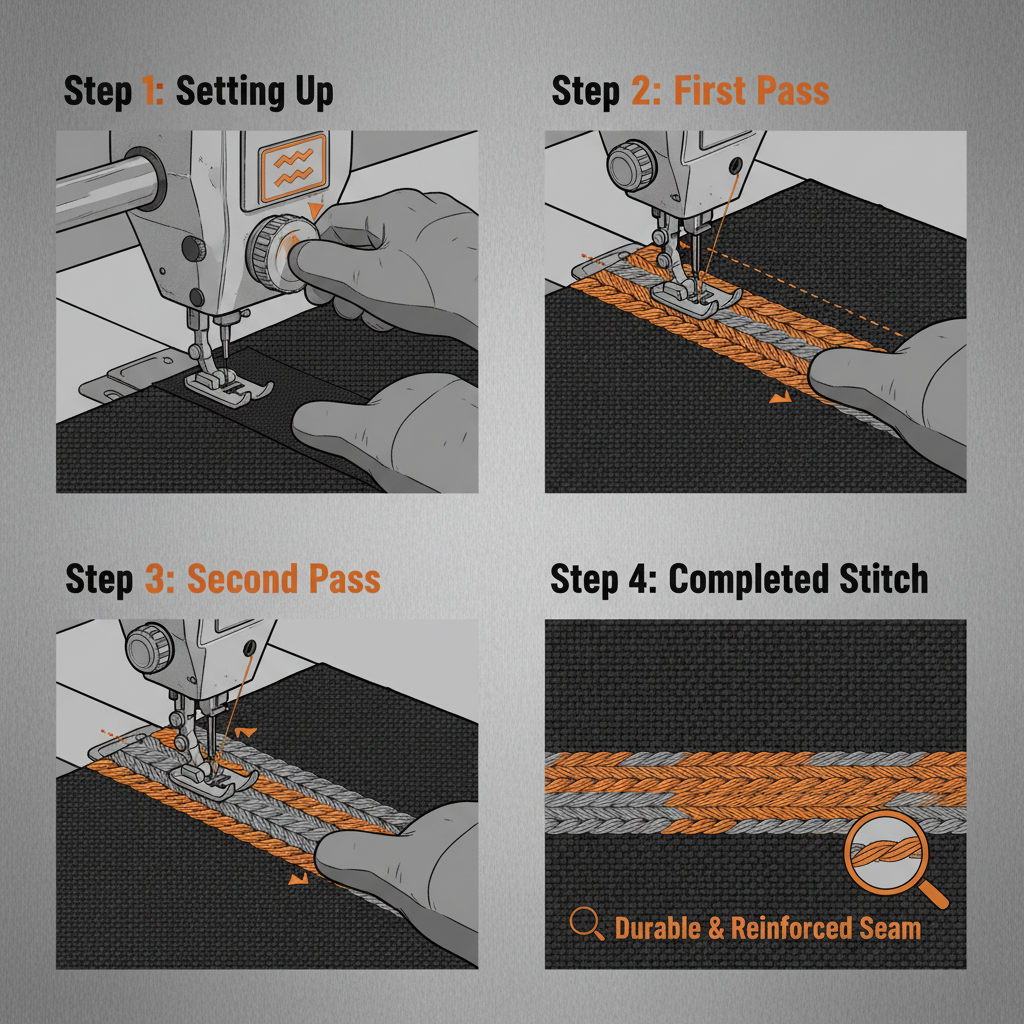
Understanding the Double Zigzag Stitch
The double zigzag stitch, as the name suggests, creates a wider and denser zigzag pattern than a standard zigzag. This is achieved by the needle moving back and forth twice for each stitch cycle. This provides greater stretch recovery, making it ideal for knits and fabrics prone to distortion. The stitch is also excellent for preventing fabric fraying and creating decorative edging. It’s a robust alternative to overlocking for certain applications and is frequently used in garment construction, particularly for swimwear, lingerie, and activewear. It can also be used to attach elastic and lace securely.
Applications of the Double Zigzag Stitch
The applications for the double zigzag stitch are incredibly diverse. Beyond basic seam finishing, it excels at applying elastic to garment edges, creating a professional and durable finish. It's also perfect for attaching lace to fabrics, securing bias tape, and creating decorative borders. Its inherent stretch makes it ideal for attaching appliques to stretchy materials. Furthermore, it can serve as a rudimentary overlock stitch if an overlocker isn’t available. For projects requiring a secure and flexible seam, the double zigzag is a go-to choice.
Key Applications: Applying elastic, attaching lace, preventing fabric fraying, creating decorative edges, rudimentary overlocking, and securing bias tape.
Optimizing Your Double Zigzag Stitch Settings
Achieving the best results with a double zigzag stitch requires careful attention to your sewing machine settings. The ideal stitch width and length will depend on the fabric type and the desired effect. For lightweight fabrics, a narrower stitch width (e.g., 2.0-3.0 mm) and shorter stitch length (e.g., 1.5-2.0 mm) are generally recommended. For heavier fabrics, a wider stitch width (e.g., 3.5-5.0 mm) and longer stitch length (e.g., 2.5-3.0 mm) may be necessary. Experimenting with these settings on a scrap piece of fabric is crucial to finding the optimal configuration. Longsew machines offer precise control over stitch parameters, allowing for customized results.
Stitch Setting Guidelines:
• Lightweight Fabrics: Width: 2.0-3.0mm, Length: 1.5-2.0mm
• Medium Weight Fabrics: Width: 3.0-4.0mm, Length: 2.0-2.5mm
• Heavyweight Fabrics: Width: 3.5-5.0mm, Length: 2.5-3.0mm
Double Zigzag vs. Standard Zigzag: A Comparison
While both the double zigzag and standard zigzag stitches offer flexibility, they differ significantly in their application. The standard zigzag is often used for basic seam finishing and buttonholes. However, the double zigzag offers greater stretch recovery, durability, and a wider, more substantial finish. This makes it superior for applications involving stretchy fabrics or those requiring a more robust seam. The double zigzag also provides a more professional look, especially when applying elastic or lace. Choosing the right stitch ultimately depends on the specific project requirements.
Troubleshooting Common Double Zigzag Stitch Issues
Even with the correct settings, you might encounter issues. Thread bunching can often be resolved by adjusting the thread tension. If the stitch looks uneven, double-check that the presser foot is properly installed and that you’re using the correct needle size for your fabric. Skipped stitches may indicate a dull or damaged needle. Longsew's industrial machines are designed for consistent performance, minimizing these issues, but understanding basic troubleshooting is always helpful.
Conclusion: Unleash Your Sewing Potential
Mastering the double zigzag stitch opens up a world of creative possibilities in your sewing projects. From delicate lingerie to durable sportswear, this versatile stitch delivers exceptional results. By understanding its applications, optimizing your settings, and troubleshooting common issues, you can confidently tackle any sewing challenge. Invest in a high-quality sewing machine from Longsew and elevate your sewing experience today.
Frequently Asked Questions (FAQs)
What type of needle is best for the double zigzag stitch?
A ballpoint or stretch needle is generally recommended for the double zigzag stitch, especially when working with knit fabrics. These needles have a rounded tip that pushes between the fibers rather than piercing them, preventing snagging and runs. The needle size should correspond to the fabric weight. For lightweight knits, a size 70/10 or 80/12 is suitable, while heavier knits may require a size 90/14 or 100/16. Using the correct needle is crucial for achieving a clean and professional finish.
Can the double zigzag stitch be used on woven fabrics?
Yes, the double zigzag stitch can be used on woven fabrics, although it's more commonly associated with knits. On wovens, it effectively prevents fraying and provides a degree of stretch to the seam. It is particularly useful when sewing fabrics that are prone to unraveling or that require a slightly flexible seam. However, it's important to adjust the stitch width and length to suit the fabric weight. A narrower stitch width is generally preferred for woven fabrics.
How do I prevent the double zigzag stitch from puckering the fabric?
Puckering can often be caused by incorrect thread tension or using the wrong needle size. Ensure your upper and lower threads are properly balanced. If the fabric puckers, try slightly loosening the upper thread tension. Also, double-check that you are using a ballpoint or stretch needle if sewing knit fabrics. Finally, test the stitch on a scrap piece of fabric to fine-tune the settings before sewing your actual project. A stable feed dog system, found in Longsew machines, significantly reduces the chance of puckering.
Is the double zigzag stitch a good substitute for an overlock machine?
While the double zigzag stitch can serve as a temporary substitute for an overlock machine, it’s not a perfect replacement. It effectively prevents fraying, but it doesn't create a professionally finished, four-thread overlocked edge. An overlock machine trims the fabric, encases the raw edge, and creates a durable, stretchable seam. However, for small projects or when an overlock machine isn’t available, the double zigzag stitch provides a reasonable alternative.
Latest news
-
Industrial Bag Sewing Machine Price and Comprehensive Buying GuideNewsApr.16,2026
-
Industrial Hand Held Bag Closer for Efficient Packaging SealingNewsApr.16,2026
-
Industrial Hand Held Bag Closer Sewing Machine for PackagingNewsApr.16,2026
-
Efficient Industrial Bag Closer Sewing Machine for PackagingNewsApr.16,2026
-
Industrial Sewing Guide for Choosing the Right Closer MachineNewsApr.16,2026
-
Guide to Capital Bag Closer Machine Price and Buying FactorsNewsApr.16,2026
-
Say goodbye to inefficient cutting! This heavy-duty webbing hot cutting machine redefines the new standard for industrial cuttingNewsApr.14,2026

Hebei LongSew Machinery Technology Co. Ltd is beginning as sewing machine parts supplier, now Longsew have over twenty years experience in complete set sewing machine offering.


CLASSIFICATION
CONTACT US
-

No.368 North Youyi Street, Shijiazhuang City, Hebei Province, China
-

-

Copyright © 2026 HEBEI LONGSEW MACHINERY TECHNOLOGY CO. LTD All Rights Reserved. Sitemap | Privacy Policy | Top Blog | Global Service